Police chief Danny Levy places about 15 officers without Ben-Gvir's sign-off
Israel's police commissioner has moved senior officers into new roles the national security minister refused to approve, and the minister calls the moves illegal.

Itamar Ben-Gvir. File photo by אלון נוריאל, CC BY-SA 3.0, via Wikimedia Commons.
Israel's police commissioner, Danny Levy, has moved roughly 15 senior police officers into new positions without the signature of National Security Minister Itamar Ben-Gvir, the Israeli news site Ynet reported on November 13, 2026, describing the story as its own first report. According to Ynet, Ben-Gvir had declined to sign off on the list of appointments, and the officers were placed in their new roles anyway under a mechanism known in Hebrew as sipuach mivtza'i, which translates roughly as "operational attachment." Among the posts filled this way, Ynet said, is the head of the police prosecutions division. The site reported that the move was justified as a "critical need," though its summary does not make clear who used that phrase.
Haaretz reported the same development later that day, saying that Levy has been filling senior posts over recent weeks without the minister's approval, and that Ben-Gvir disputes whether the appointments are valid and has called them illegal. Haaretz described them as appointments the minister refuses to recognize.
Who the two men are
The police commissioner is the most senior officer in the Israel Police, the national force responsible for policing across the country. The commissioner runs the force day to day, including the placement of its senior ranks.
The National Security Ministry is the government ministry with responsibility for the police. Itamar Ben-Gvir heads it as national security minister. Both reports treat the minister's signature as the normal step for these senior appointments, which is why moving ahead without it is the story here.
What "operational attachment" means in this case
The Hebrew term Ynet used, sipuach mivtza'i, describes attaching an officer to a unit or role for operational purposes. As Ynet presented it, the device allowed the commissioner to get officers working in their new roles without completing the approval that Ben-Gvir withheld. In other words, the officers are already serving in the posts, even though the formal appointments have not received the minister's signature.
Israel's week in five stories, every Friday
Sourced and checked by the Israel.com newsroom, with Shabbat times. Free, one-click unsubscribe.
One list, unsubscribe in a click. See our privacy policy.
The two outlets frame this slightly differently. Ynet describes officers being placed or stationed in new roles through operational attachment, a framing that suggests a workaround short of a full appointment. Haaretz describes Levy as appointing officers to senior positions. Neither report, in the material available to us, sets out the legal standing of an operational attachment compared with a signed appointment, and that question sits at the centre of Ben-Gvir's objection.
The prosecutions post
Ynet singled out the head of the police prosecutions division as one of the positions filled. The prosecutions division is the part of the police that handles bringing cases to court. Ynet did not name the officer placed in the role, and neither report names any of the other officers involved.

File photo
Next story Courts & Crime
Ben-Gvir calls Netanyahu's trial a fabricated case and urges an end to it
How large the move is
Ynet put the number of officers at about 15. Haaretz did not give a figure in the portion of its report that is publicly available, saying only that the appointments have been taking place over recent weeks. Ynet's account reads as a single list of appointments the minister refused to sign, while Haaretz's describes a process stretching over a period of time. The two are not necessarily in conflict, but they do not give the same picture of timing.
The minister's position
According to Haaretz, Ben-Gvir is challenging the validity of the appointments and calling them illegal. Ynet reported that he had refused to sign the series of appointments. Neither report, in the material we have, quotes Ben-Gvir directly or explains why he declined to approve these particular officers. Haaretz's article was tagged with the topic of Israel's attorney general, but the publicly available text does not say what role, if any, the attorney general has played.
What the reports do not say
- Why Ben-Gvir refused to sign the appointments, and which officers or posts he objected to.
- Who described the move as a "critical need," and what the police have said publicly in their own name.
- Whether the attorney general has issued any opinion on the appointments or on the use of operational attachment.
- What step, legal or administrative, Ben-Gvir intends to take against appointments he calls illegal.
- Whether the officers will eventually receive formal appointments, and the names of those placed.
Read next
All courts & crime →
File photo
Government
Israel summons ambassador to the Netherlands home over Ben Gvir, Smotrich remarks
File photo
Security
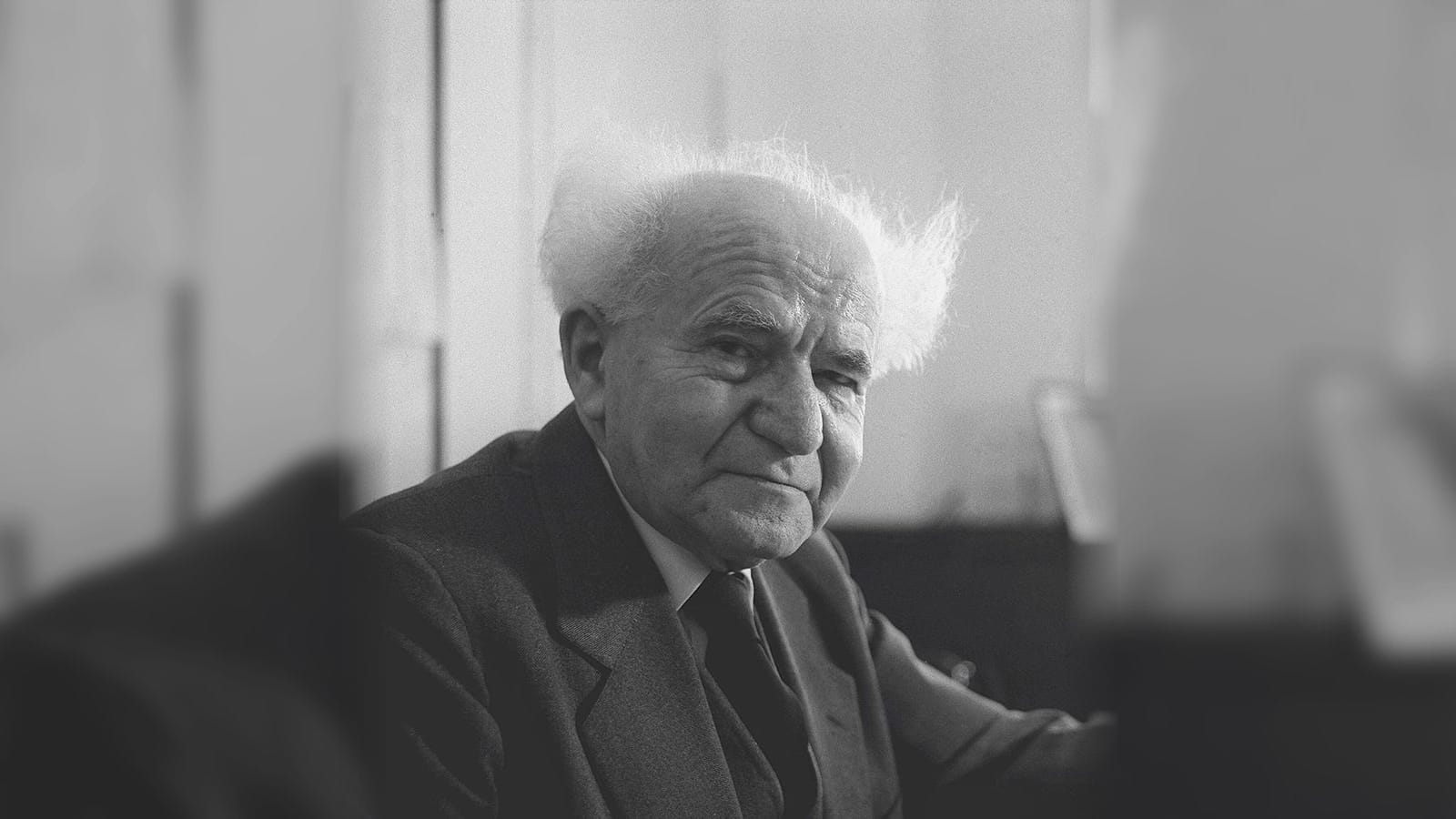
1956 Sinai Campaign archive shows Ben-Gurion wishing Gaza 'swallowed by the sea'

Illustration
Courts & Crime
Seven teenagers arrested in Modiin after police called over noise were confronted

Illustration
Courts & Crime
Court lifts ban on naming Rosh HaAyin teacher, 35, suspected in child abuse case
Sources and further reading
Every link below was opened and checked when this page was written. Official statements are marked as such: they are the subject's own account, not an independent one.
How we checked this
The core event, senior police placements made without Ben-Gvir's approval, was reported by both Ynet and Haaretz. The figure of about 15 officers, the use of operational attachment and the prosecutions division post come from Ynet alone; Ben-Gvir's description of the moves as illegal is attributed to Haaretz's reporting.
Our sourcing and corrections policy →The week from Israel, in one email
The stories that mattered, sourced and checked by the Israel.com newsroom. Free, weekly, one-click unsubscribe.
One list, unsubscribe in a click. See our privacy policy.
Latest

File photo

Illustration

File photo

File photo

Illustration

File photo