Report says Iran's Revolutionary Guards are shifting staff from Beirut to Bekaa
Two Israeli outlets, citing Lebanese sources, say Iran's IRGC is clearing positions in Beirut's Dahiyeh and moving people and equipment east to the Bekaa Valley.
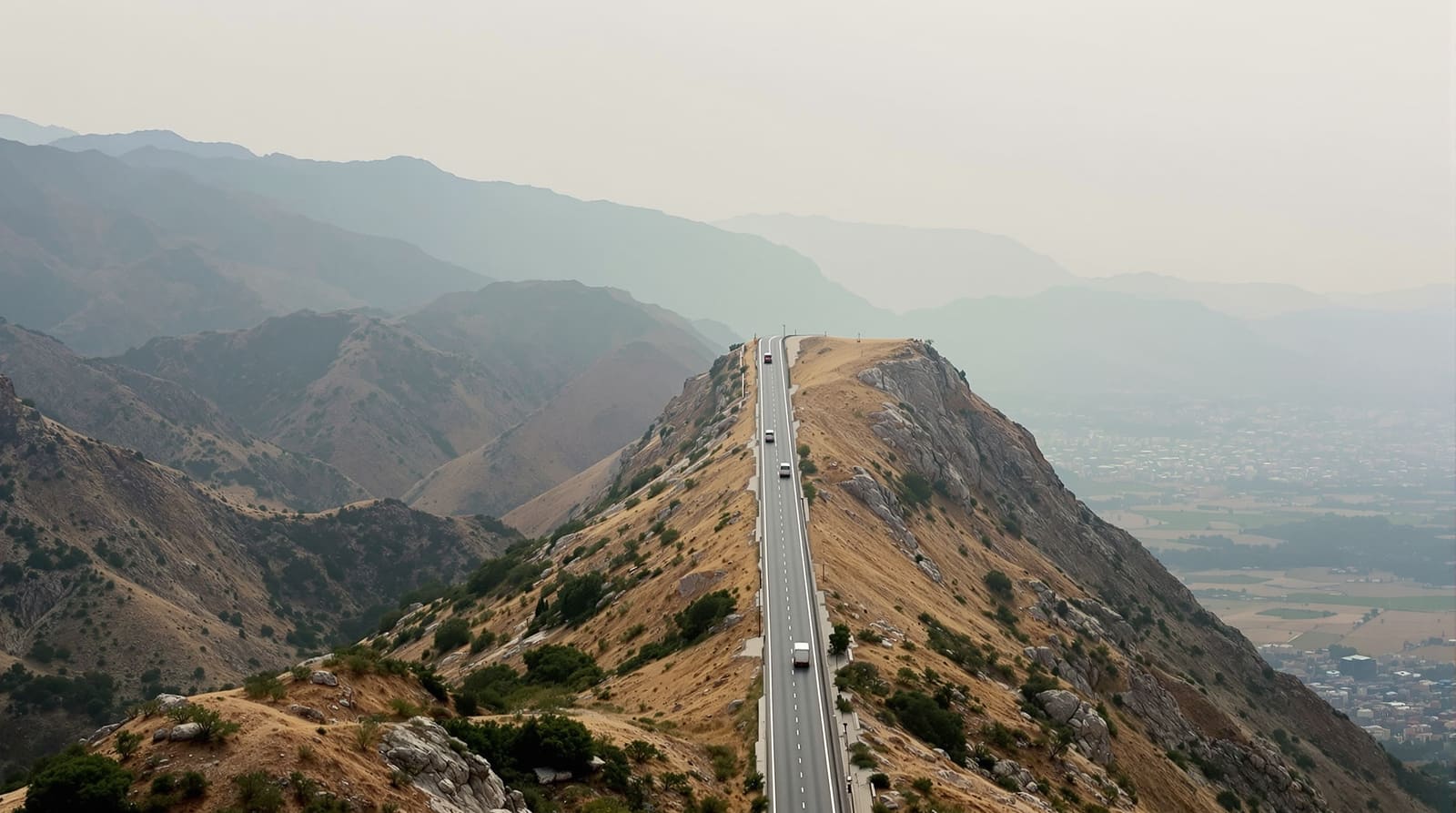
AI illustration, not a photo of the events.
Iran's Islamic Revolutionary Guard Corps (IRGC) has begun pulling out of positions and command posts in Dahiyeh, the southern suburbs of Beirut, and relocating personnel and equipment to Lebanon's Bekaa Valley, the Hebrew-language news channel News.co.il reported, citing security sources in Lebanon. According to that report, the move follows assessments that fighting on Israel's northern front could escalate.
The Jerusalem Post reported the same development, attributing it to the Lebanese outlet Nidaa Al-Watan, which said the IRGC had moved both its staff and its equipment out of facilities in the Beirut area and into the Bekaa. News.co.il added that the relocation was carried out on a direct instruction from Tehran and described it as a sign of renewed preparation for war. That characterisation appears only in the News.co.il report, and neither outlet published a statement from Iran, from Hezbollah or from Lebanese officials.
On the ground

Major-General Mostafa Izadi, the Revolutionary Guard’s deputy commander-in-chief, says Iran is ready to challenge the world’s most powerful military, warning it will respond immediately to any threat, anywhere and at any time. 🔴 LIVE updates: aje.news/4r4lay

What the IRGC is
The Islamic Revolutionary Guard Corps is a branch of Iran's armed forces that answers directly to the country's supreme leadership rather than to the regular army command. Alongside its military role inside Iran, it is the arm of the Iranian state that builds and supports allied armed groups across the region. In Lebanon, its principal partner is Hezbollah, the Shiite movement that operates both as a political party and as an armed force, and which Israel regards as Iran's most capable proxy on its borders.
Reports of IRGC personnel stationed in Lebanon are therefore not new in themselves. What these reports describe is a change in where those personnel are based, rather than the first indication that they are present.
Why Dahiyeh and the Bekaa matter
Dahiyeh is a densely populated district on the southern edge of Beirut, the Lebanese capital, and is widely known as the political and organisational centre of Hezbollah. Israeli forces have struck targets there during past rounds of fighting with the group, which is part of why any shift of personnel out of the area draws attention in Israel.
Israel's week in five stories, every Friday
Sourced and checked by the Israel.com newsroom, with Shabbat times. Free, one-click unsubscribe.
One list, unsubscribe in a click. See our privacy policy.
The Bekaa Valley lies in eastern Lebanon, between two mountain ranges, and runs along the border with Syria. It is farther from Israel's northern frontier than southern Lebanon, and it has long served as a route and a base area for Hezbollah. Israel has also carried out strikes in the Bekaa in the past. A move from Beirut to the Bekaa would place the personnel described in these reports away from the capital and closer to the Syrian border, but neither report explains the reasoning behind the choice of location beyond the general reference to expected escalation.
How the two reports differ
The two accounts agree on the core claim: that the IRGC is leaving positions in the Beirut area and transferring people and equipment to the Bekaa. They differ in where the information came from. News.co.il attributes it to unnamed security sources in Lebanon, while The Jerusalem Post attributes it to a named Lebanese newspaper, Nidaa Al-Watan. It is not clear from the material whether these are the same underlying source.
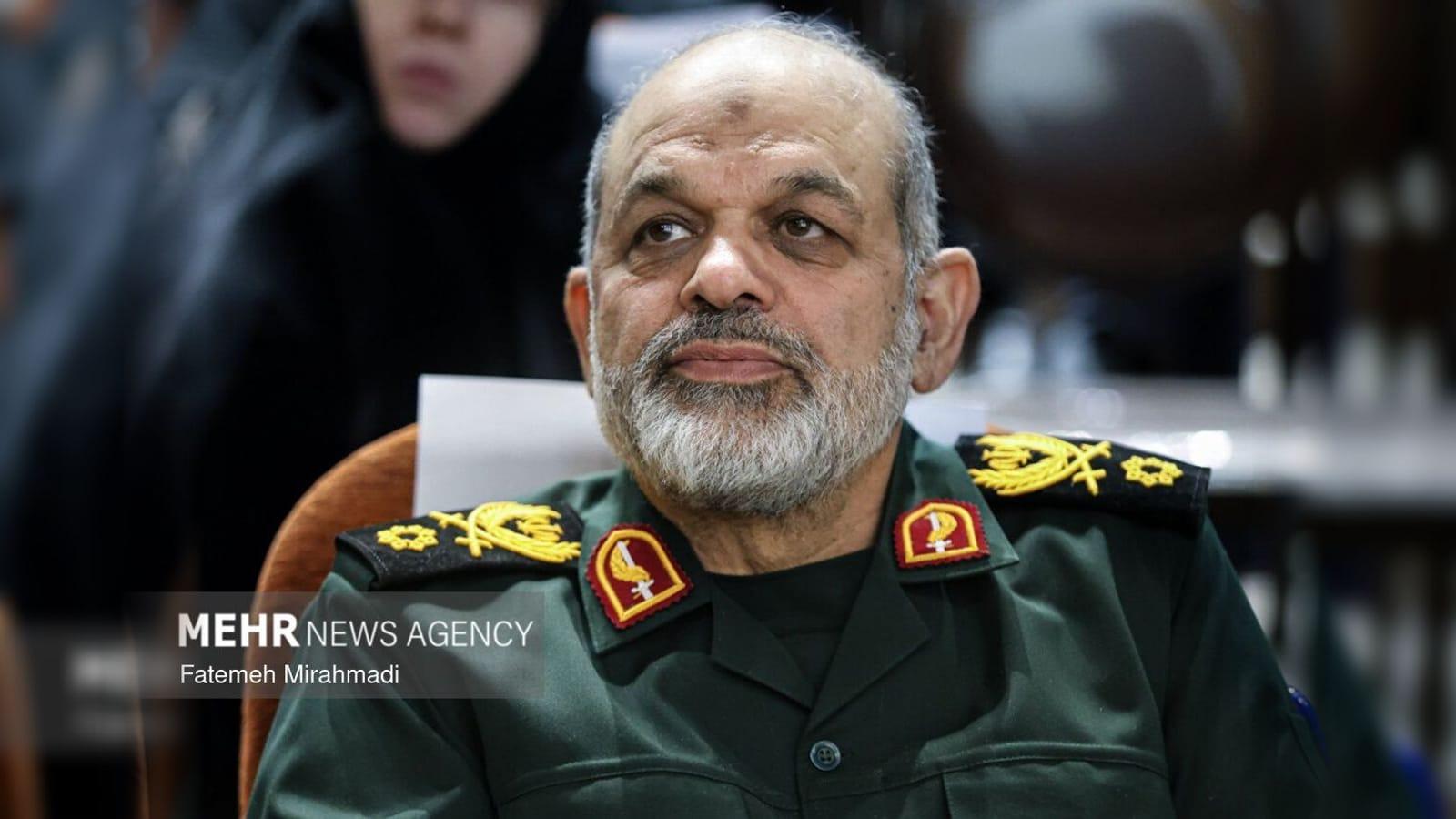
File photo
Next story Security
Revolutionary Guards commander Vahidi warns war may spread beyond the region
They also differ in interpretation. News.co.il frames the move as ordered from Tehran and as evidence that Iran is readying for renewed war, and links it to concern about escalation on Israel's northern front. The portion of The Jerusalem Post report available to us presents the relocation as a report from the Lebanese outlet without adding that framing.
What this kind of report can and cannot show
Accounts of troop and equipment movements inside Lebanon, especially those sourced to unnamed security officials or to a single local newspaper, are difficult to confirm from outside the country. Both Israeli outlets are relaying claims made in Lebanon rather than reporting their own observations. Readers should treat the relocation as a reported claim at this stage, not as an established fact.
What the reports do not say
Neither report gives the number of personnel involved, the type or amount of equipment moved, or when the relocation began. There is no reported response from Iran, Hezbollah, the Lebanese government or the Israel Defense Forces, and the claim that the order came directly from Tehran is made by News.co.il without supporting evidence being published.
Read next
All security →
Illustration
Security
Iran's Revolutionary Guards say three oil tankers struck mines in Hormuz
Illustration
Security
IDF confirms strike on Hezbollah weapons shipment in Lebanon's Bekaa
Illustration
Security
Iran's Guards say they struck US radar at Bahrain base; Bahrain says it intercepted
Illustration
Security
Houthi strike on Riyadh business district leaves 11 injured, Saudis say
See Israel.com first in Google's top stories.Add it as a preferred source on Google
Sources and further reading
Every link below was opened and checked when this page was written. Official statements are marked as such: they are the subject's own account, not an independent one.
- Reportingnewssilt.meNews.co.il
- Reportingjpostjpost.comThe Jerusalem Post
How we checked this
The relocation was reported by News.co.il and The Jerusalem Post, both relaying Lebanese sources rather than their own observation; the claim of a direct order from Tehran comes from News.co.il alone. We have not independently verified the movements.
Our sourcing and corrections policy →The week from Israel, in one email
The stories that mattered, sourced and checked by the Israel.com newsroom. Free, weekly, one-click unsubscribe.
One list, unsubscribe in a click. See our privacy policy.
Latest
Illustration
Illustration
Illustration

Illustration

Illustration

Illustration