Rubio says Trump has not decided on new Iran strikes, prefers diplomacy
Speaking at a G20 press conference in Atlanta, the US secretary of state said military options exist but Washington would rather reach a peaceful outcome with Iran.
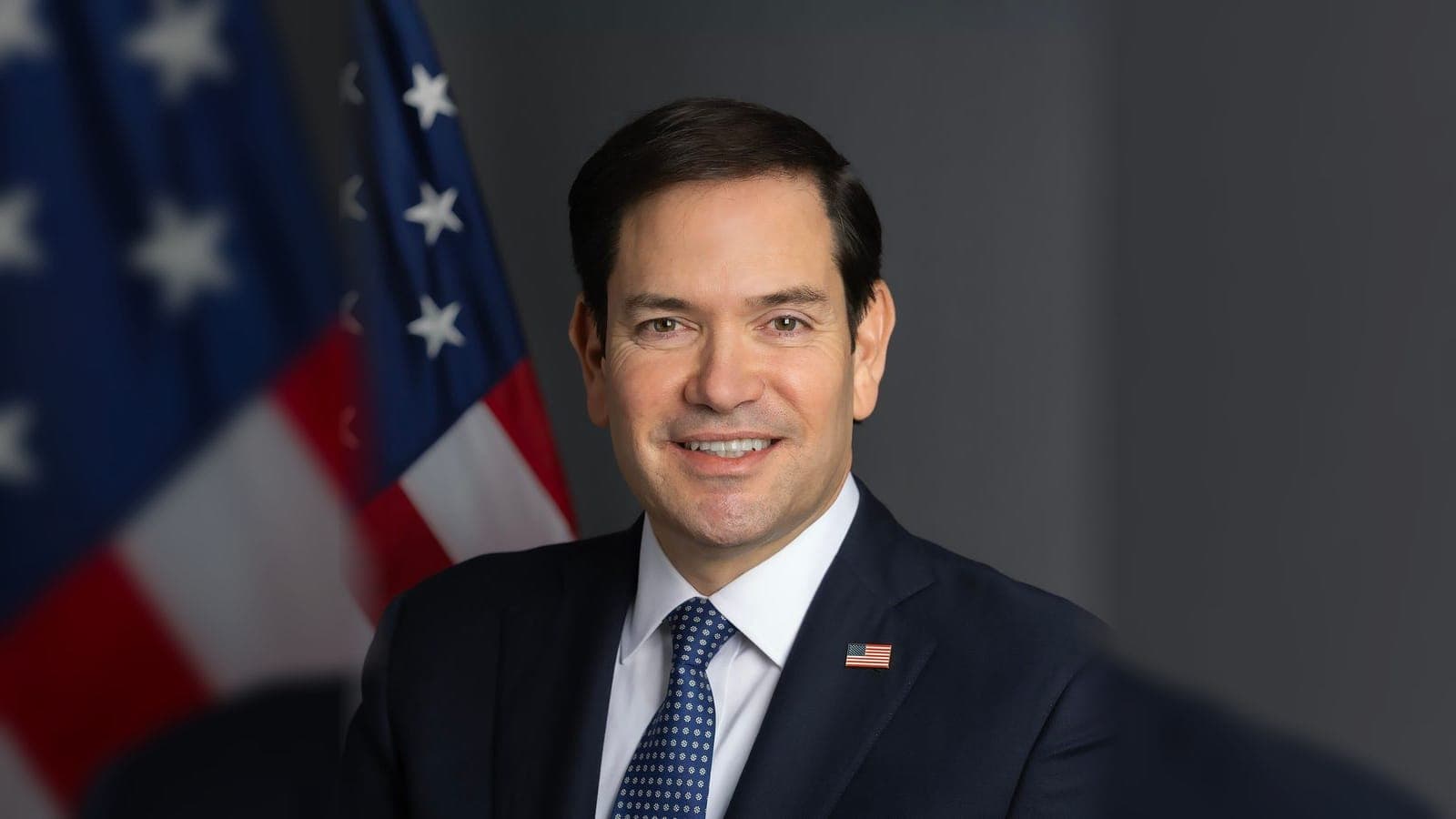
Marco Rubio. File photo by U.S. Department of State, public domain, via Wikimedia Commons.
US Secretary of State Marco Rubio said on Saturday, October 31, that President Donald Trump has not yet settled on whether to order further military strikes against Iran, and that the administration would rather resolve the standoff through diplomacy. The Times of Israel reported that Rubio made the remarks at a G20 press conference in Atlanta, against the background of peace talks that have stalled.
"He hasn't made a decision," Rubio said, according to The Times of Israel, adding that he had no announcement to make and that the administration does not treat the question casually: "nor do we take any of it lightly." Haaretz, in a report carrying Reuters material, gave the same core message: no decision on military action has been taken, and Washington remains open to a diplomatic solution.
On the ground

US Secretary of State Marco Rubio urged G20 officials meeting in Atlanta to work together to confront threats to the economic order. The US scrapped the traditional group photo after several European officials objected to being pictured with Russia’s Sergei Lavrov.

Secretary of State Marco Rubio welcomed foreign ministers of G20 nations to Atlanta, Georgia, on Friday, where they kicked off a weekend of discussions on trade and global policy ahead of December's G20 Leaders' Summit in Florida. "The future of our nations depends on our Show more
What Rubio said about force and diplomacy
Rubio paired the statement of restraint with a reminder of American capability. According to The Times of Israel, he said the United States could reach its military goals if it chose to pursue them. He framed the preference for talks as a choice rather than a limitation, saying that if military action were required, "we would have the ability to do it," but that "we would prefer to do it peacefully."
The secretary of state also described what he characterised as Iran's negotiating posture. In his account, as reported by The Times of Israel, Tehran's position amounts to a warning that unless its demands are met, it will attack shipping and target the energy infrastructure of neighbouring states and the wider region. Rubio urged listeners not to treat such a stance as "some normal behavior," suggesting that the threat had become easy to overlook.
Who Rubio is and where he was speaking
Rubio serves as US secretary of state, the cabinet official who leads American foreign policy and diplomacy; The Times of Israel described him as the country's top diplomat. He was in Atlanta for a gathering of G20 foreign ministers. The G20, or Group of Twenty, is a forum that brings together major world economies. The Times of Israel noted that on October 30, the evening before the press conference, Rubio spoke at a welcome reception for the foreign ministers' meeting held at the Georgia Aquarium.
Israel's week in five stories, every Friday
Sourced and checked by the Israel.com newsroom, with Shabbat times. Free, one-click unsubscribe.
One list, unsubscribe in a click. See our privacy policy.
Remarks by a secretary of state at a multilateral event of this kind are closely watched because they are delivered to an international press corps and to counterparts from other governments, and are often read as a signal of how the administration intends to proceed.
The wider Israel and Iran context
The reports place Rubio's comments inside an ongoing confrontation with Iran. The Times of Israel framed the question as one of "fresh" strikes, meaning additional action beyond what has already taken place, and tied it to the breakdown in progress on peace negotiations. Haaretz filed its report under a topic heading it calls the 2026 Israel-Iran War, alongside coverage of relations between Iran and the United States.
Next story Government
US memo on Iranian plots against officials informs Mideast embassy staffing
For readers following the story from outside Israel, the significance lies in the balance Rubio struck. Israel and the United States have both been engaged in the conflict with Iran, and any decision in Washington about renewed military action would bear directly on Israel's security. Rubio's message, as carried by both outlets, was that the option remains on the table but has not been chosen, and that the administration's stated preference is a negotiated outcome.
How the two reports differ
The two accounts agree on the central point but frame it slightly differently. The Times of Israel says Trump himself prefers a diplomatic solution and refers specifically to new strikes amid stalled talks. Haaretz describes the decision as one about military action in general and says Washington is open to diplomacy, a somewhat less emphatic phrasing than a stated preference. The Times of Israel report also includes the longer quotations on capability and on Iran's alleged threats, which do not appear in the portion of the Haaretz report available to us.
What the reports do not say
Neither report explains what specific military options are under consideration, what targets might be involved, or what timeline, if any, the president is working to. The reports do not describe the state of the peace talks in detail: who is taking part, what the main points of disagreement are, or why they have stalled. They do not say whether Israel was consulted on the remarks or how Iranian officials responded to them. Rubio's characterisation of Iran's position is his own, and the reports do not include an Iranian statement setting out Tehran's view.
Read next
All security →
File photo
Security
Tanker hit near Hormuz as Trump says Iran wants to talk and the US has time
File photo
Security
Tanker hit near Hormuz as Trump says Iran 'wants to talk' and US has time
File photo
Government
Vance writes to Iran's Rezaei on talks as Trump denies directing outreach
File photo
Security
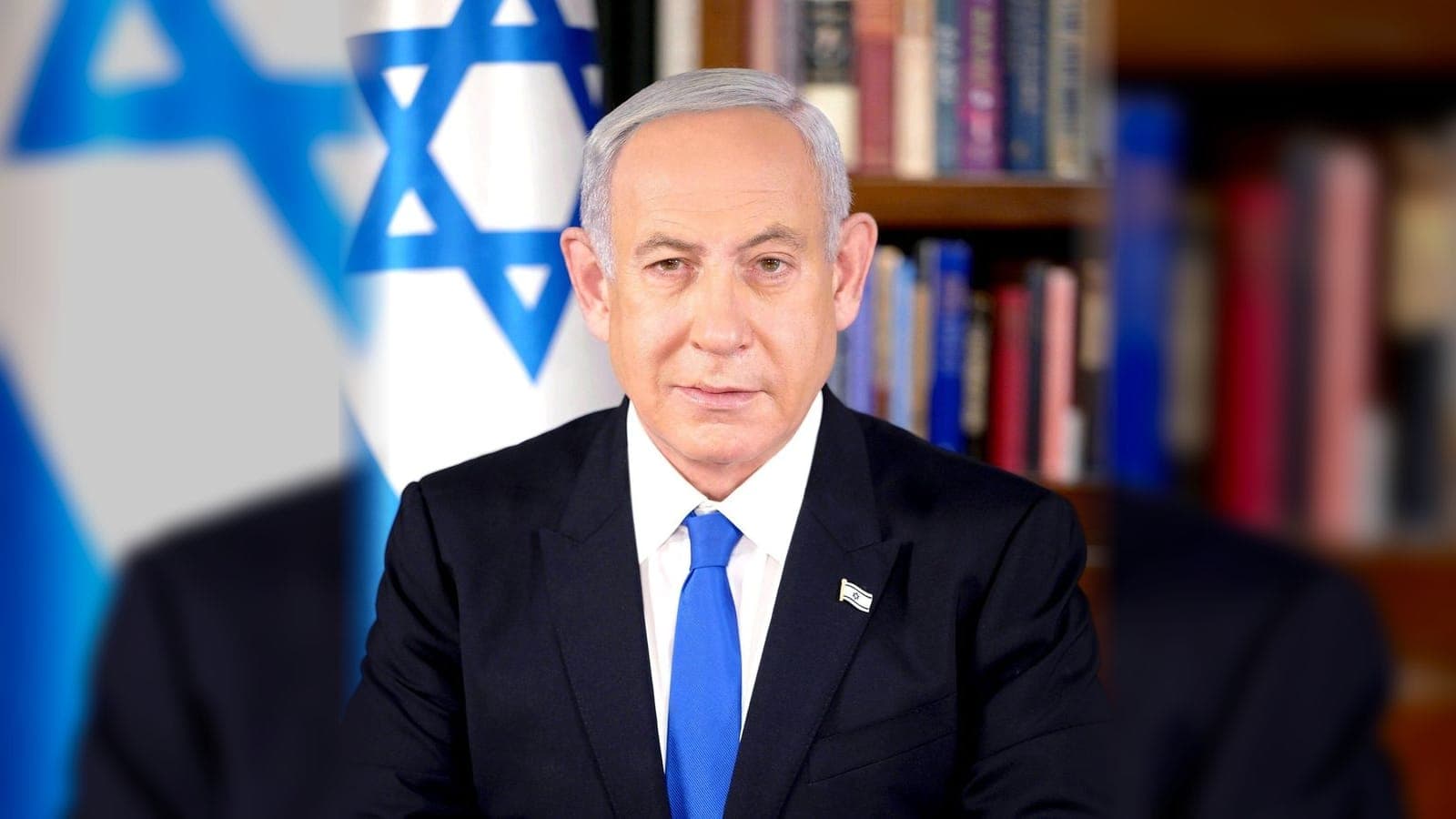
Netanyahu calls Financial Times report of Trump halting Iran strike untrue
Sources and further reading
Every link below was opened and checked when this page was written. Official statements are marked as such: they are the subject's own account, not an independent one.
- Reportingtoitimesofisrael.comThe Times of Israel
- Reportinghaaretzhaaretz.comHaaretz
How we checked this
The core statement, that Trump has not decided on military action and that the US is open to diplomacy, was reported by both The Times of Israel and Haaretz, the latter drawing on Reuters. The longer quotations on US capability and Iran's alleged threats appear only in The Times of Israel report.
Our sourcing and corrections policy →The week from Israel, in one email
The stories that mattered, sourced and checked by the Israel.com newsroom. Free, weekly, one-click unsubscribe.
One list, unsubscribe in a click. See our privacy policy.
Latest
- US Embassy warns of credible mass casualty threat at Moscow's Tsaritsyno museum
- Khamenei orders unlimited response to attack at meeting with three top commanders
- France deploys 70 thousand police for a third weekend of cost-of-living protests
- Iran's military chief says forces can strike US and Israel without geographic limits
- Iran's foreign minister says Tehran has weighed Vance letter at senior level
- Iran deputy minister in Doha as source says direct US talks not yet agreed