Tanker hit near Hormuz as Trump says Iran wants to talk and the US has time
Ynet reports explosions in the Persian Gulf and a tanker struck near Hormuz, while a Qatari delegation in Tehran pushes for a US-Iran agreement.
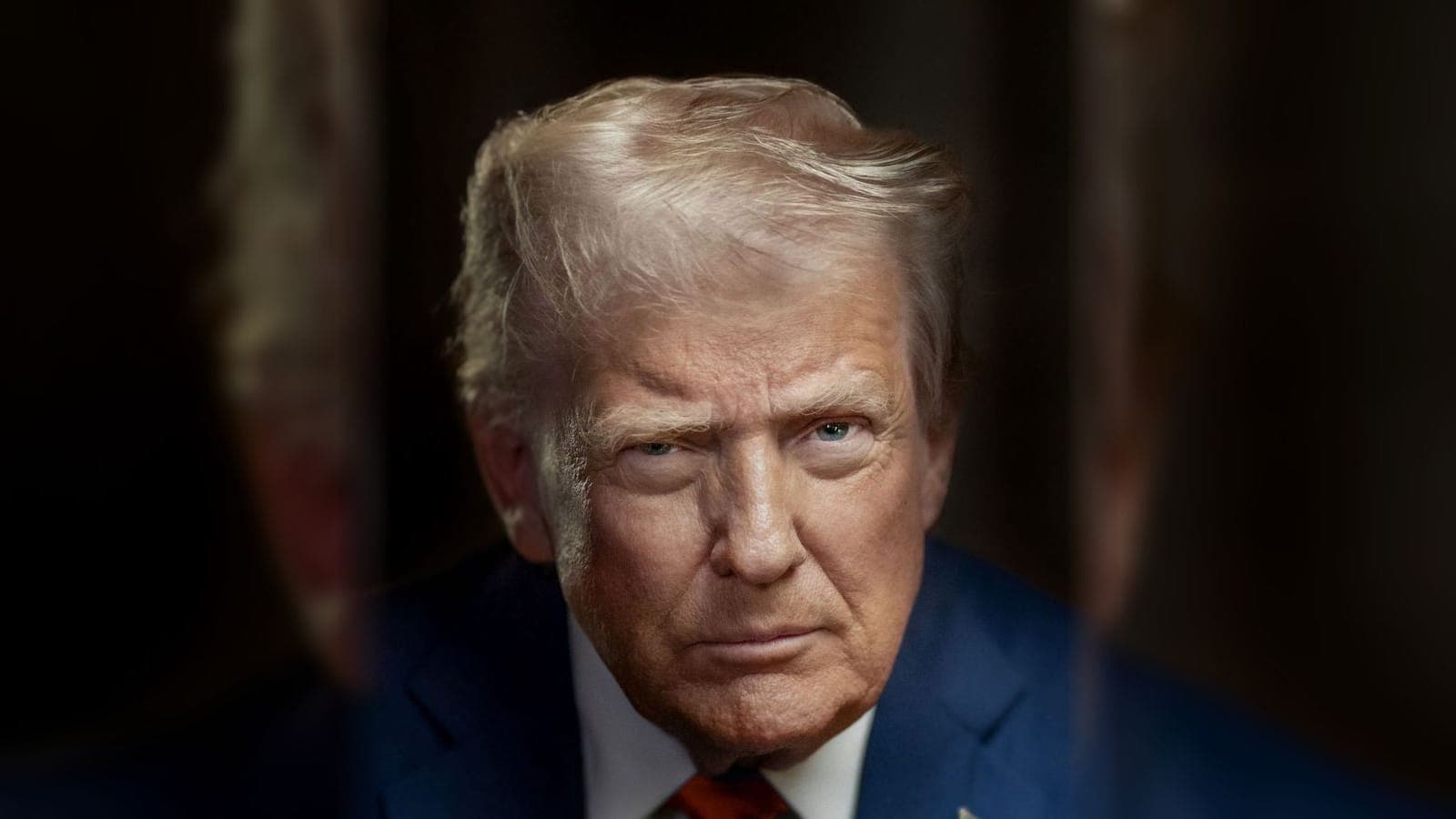
Donald Trump. File photo by Daniel Torok, public domain, via Wikimedia Commons.
Explosions were reported in the Persian Gulf, with an oil tanker struck in the area of the Strait of Hormuz and a second vessel set on fire, according to the Israeli news site Ynet. Ynet also reported that Iran's Islamic Revolutionary Guard Corps claimed 4 tankers had hit mines after ignoring warnings.
At the same time, Ynet said, a delegation from Qatar arrived in Tehran in an effort to move forward an agreement between Iran and the United States. US President Donald Trump said Iran was keen to keep talking. In remarks carried by the Telegram channel Abu Ali Express, he said the negotiations were continuing and that Washington was in no hurry, adding, in translation from the Hebrew rendering: "This is a war, but it is not a regular war."
On the ground

Iran’s IRGC says three tankers caught fire after hitting mines in the Strait of Hormuz, as another vessel struck a mine, while US media reports Trump has been briefed on military options for Iran. 🔴 Follow our LIVE coverage: aje.news/6eh7d2

What was reported at sea
The two accounts of the maritime incidents differ in scope. Ynet's own report describes one oil tanker hit near Hormuz and one additional vessel that caught fire. The larger figure, 4 tankers striking mines, is a claim attributed to the Revolutionary Guards, who said the ships had disregarded warnings. Ynet did not report that the Guards' figure had been independently confirmed, and neither report identifies the vessels, their flags, their owners or their crews.
The Strait of Hormuz is the narrow channel linking the Persian Gulf to the Gulf of Oman and the open sea beyond. Iran lies along its northern shore. A large share of the oil and gas exported from Gulf producers passes through it, which is why any disruption to shipping there draws close attention from governments and energy markets.
Who the Revolutionary Guards are
The Islamic Revolutionary Guard Corps, often shortened to IRGC, is a branch of Iran's armed forces separate from the regular military. It answers to Iran's Supreme Leader and operates its own naval force, which is active in the Gulf and around Hormuz. Its statement, as reported by Ynet, framed the mine strikes as the consequence of ships failing to heed warnings, though the reports do not say what those warnings were or who issued them.
Israel's week in five stories, every Friday
Sourced and checked by the Israel.com newsroom, with Shabbat times. Free, one-click unsubscribe.
One list, unsubscribe in a click. See our privacy policy.
Trump's message on talks
Trump's comments, as quoted in both reports, carried a consistent theme: Iran wants to negotiate, the talks are ongoing, and the United States has time. Ynet quoted him as saying the Iranians want to talk and keep talking. Abu Ali Express quoted him saying they were negotiating nonstop, and that, to be honest, the US had time.
His description of the situation as a war, though not a regular one, indicates that the US regards itself as being in an active conflict with Iran. The reports do not elaborate on what he meant by the distinction.
Next story Security
Tanker hit near Hormuz as Trump says Iran 'wants to talk' and US has time
Qatar's role
Qatar, a small Gulf state, has frequently acted as an intermediary between parties that do not talk directly, including on matters involving Iran and the United States. Ynet reported only that the Qatari delegation had arrived in Tehran to try to advance a US-Iran agreement; it did not describe the terms under discussion or who led the delegation.
The backdrop: the US midterm elections
Ynet placed the developments against concern that American strikes on Iran could resume after the US midterm elections. Midterms are the congressional elections held midway through a presidential term. The reference to a resumption implies earlier American strikes, but the report does not detail them, and neither report says that any decision on new strikes has been made.
About the sources
Ynet is the website of the Israeli daily Yedioth Ahronoth and one of Israel's most widely read news outlets. Abu Ali Express is an Israeli Telegram channel that follows Arab and Iranian affairs and often relays statements quickly. Both reports were published in Hebrew; the quotations here are our translations of their Hebrew versions of Trump's remarks, not his original English wording.
What the reports do not say
- Who or what caused the explosions, beyond the Revolutionary Guards' claim about mines.
- Whether anyone was hurt, and the condition of the damaged tanker and the burning vessel.
- The names, flags or owners of any of the ships involved.
- Whether the claim of 4 tankers hitting mines has been confirmed by anyone other than the Revolutionary Guards.
- Where and when Trump made his remarks, and what agreement Qatar is trying to broker.
- Any response from Iran's government to Trump's comments.
Read next
All security →
File photo
Government
Trump says Iran wants to talk and the US has time to negotiate

File photo
Security
Macron blames Iran war and Hormuz blockade for France's purchasing-power unrest
Illustration
Security
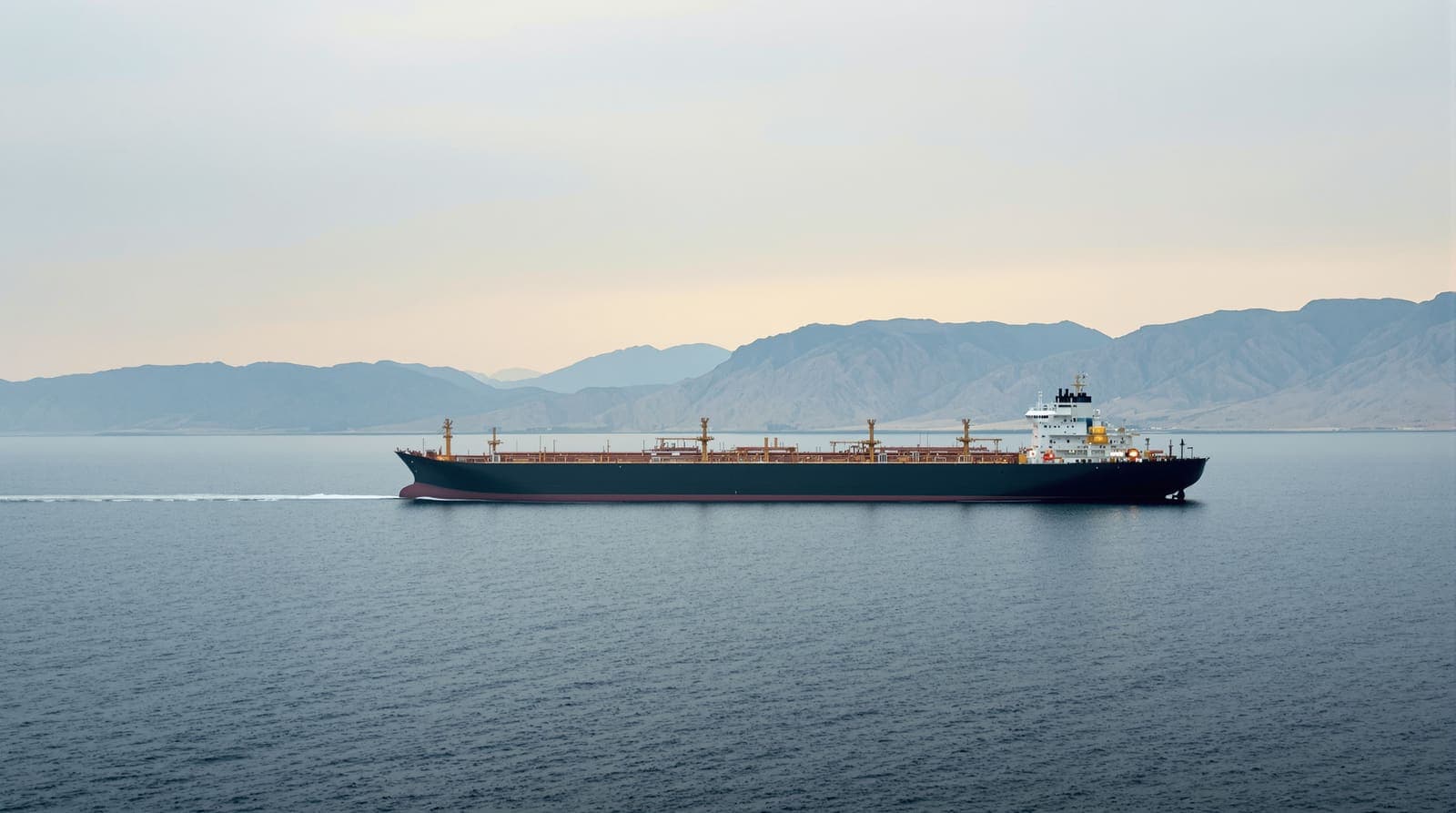
Iran's Guards say tanker carrying 2 million barrels hit mine in Hormuz

File photo
Government
Vance writes to Iran's Rezaei on talks as Trump denies directing outreach
Sources and further reading
Every link below was opened and checked when this page was written. Official statements are marked as such: they are the subject's own account, not an independent one.
- Reportingyediothynet.co.ilYnet
- Reportingabualiexpresst.meAbu Ali Express
How we checked this
The maritime incidents, the Qatari delegation and the midterm backdrop come from Ynet alone; Trump's remarks appear in both Ynet and Abu Ali Express. The claim of 4 tankers hitting mines is attributed solely to Iran's Revolutionary Guards and has not been independently verified.
Our sourcing and corrections policy →The week from Israel, in one email
The stories that mattered, sourced and checked by the Israel.com newsroom. Free, weekly, one-click unsubscribe.
One list, unsubscribe in a click. See our privacy policy.
Latest
- Jordan says border guards repelled 14 armed men crossing from Syria
- Egypt's Abdelatty 'extremely worried' a new US-Iran round would be more destructive
- Qatari paper reports US delegation heading to Doha for direct Iran talks
- US tells Gulf allies new Iran strikes could come as early as November 4
- Qatari mediators spend 12 hours in Tehran pressing for a US-Iran deal
- Israel's opposition weighs direct prime minister vote after deadlocked election