Saudi-led coalition says it struck three Houthi ballistic missile sites
The coalition fighting Yemen's Houthis says it destroyed a missile factory, a solid fuel plant and an electronics workshop, and released footage it says shows the strikes.
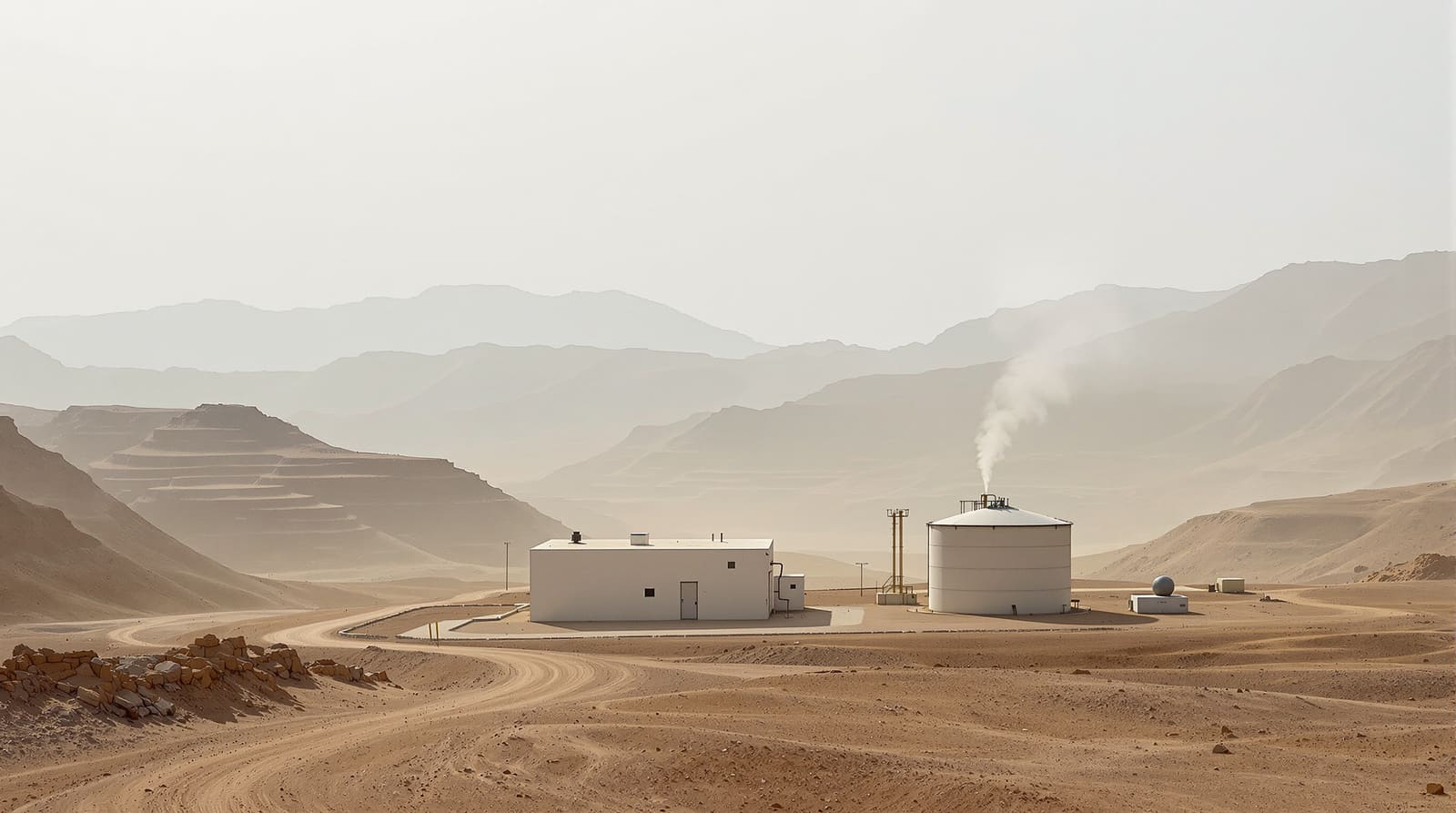
AI illustration, not a photo of the events.
The Saudi-led military coalition fighting the Houthi movement in Yemen said on Monday evening that it had destroyed facilities the Houthis use to build ballistic missiles. According to The Times of Israel, the coalition's Joint Forces Command published video it says shows the sites being hit, and listed them as a ballistic missile factory, a plant producing solid missile fuel and a workshop that assembles electronic systems for the missiles.
Joe Truzman, an analyst at the Foundation for Defense of Democracies (FDD), a Washington research institute, summarised the announcement as covering three Houthi facilities: one making and assembling missile components, a chemical plant for solid rocket fuel, and an electronics facility for missile guidance and control systems. The Israeli outlets Ynet and N12 also carried the coalition's claim in brief Hebrew-language alerts, with N12 attributing it to its Arab world desk.
On the ground

The Saudi-led coalition destroys three facilities belonging to the Iran-backed Houthi militia in Yemen, including a ballistic missile component assembly plant, a chemical facility producing solid rocket fuel and an electronics workshop assembling missile systems.
Who made the claim
The statement came from the coalition itself. Its spokesman, Turki al-Malki, posted on X that the coalition is continuing to work to weaken and dismantle what he called the Houthi militia's ballistic missile network, according to The Times of Israel. The coalition's official spokesman account published the list of targets in Arabic, describing each site as belonging to the "terrorist Houthi militia".
In that Arabic post, the coalition said the first site was used to assemble and produce ballistic missile components, the second was a chemical plant for mixing and producing solid propellant, and the third was an electronics laboratory for putting together the missiles' electronic systems. The reports in Hebrew and English agree on these three categories of target. They differ only in phrasing, with The Times of Israel calling the third site a workshop and Truzman calling it an electronics facility.
The Houthis and the coalition
The Houthis are an armed movement from northern Yemen that controls a large part of the country, including the capital, Sanaa. The Times of Israel describes them as an Iran-backed rebel group. A coalition of Arab states led by Saudi Arabia has been fighting them on behalf of Yemen's internationally recognised government for years, and the Joint Forces Command is the coalition's military headquarters.
Israel's week in five stories, every Friday
Sourced and checked by the Israel.com newsroom, with Shabbat times. Free, one-click unsubscribe.
One list, unsubscribe in a click. See our privacy policy.
Ballistic missiles have long been central to the Houthis' military capability. The group has used them against targets in Saudi Arabia and, during the war in Gaza, against Israel, alongside drones. For Israeli readers, a coalition claim to have hit Houthi missile production is therefore of direct interest, since those same weapons have been aimed at Israeli territory.
Why the three targets matter
The three sites named by the coalition correspond to separate stages of building a missile. Component manufacturing and assembly produces the airframe and parts. Solid propellant is the fuel that powers many ballistic missiles and must be mixed and cast in specialised chemical facilities. Electronics are needed for guidance and flight control. By listing all three, the coalition is presenting the strikes as aimed at the production chain rather than at individual launchers or stockpiles.
None of the reports, however, gives the location of any of the facilities, the date on which the strikes took place, or any assessment of how much damage was done beyond the coalition's own word "destroyed".
What the reports do not say
- The claim rests entirely on the coalition's own statement and footage. None of the four reports describes independent confirmation that the sites were hit or destroyed.
- No report gives where in Yemen the facilities were, or when the strikes were carried out.
- No Houthi response has been reported, and there is no information on casualties.
- The reports do not say whether any other country took part in or supported the operation.
Read next
All security →
Illustration
Security
Houthi ballistic missile fired at Riyadh prompts brief Saudi air threat alert
Illustration
Security
Saudi Arabia says it intercepted a Houthi ballistic missile aimed at its east

Illustration
Security
Syria sends military advisers to train Saudi forces amid Houthi attacks

File photo
Security
Saudi defense minister says he discussed Houthi attacks in call with Hegseth
Sources and further reading
Every link below was opened and checked when this page was written. Official statements are marked as such: they are the subject's own account, not an independent one.
- Reportingyediotht.meYnet alerts
- Reportingtoitimesofisrael.comThe Times of Israel
- Reportingkeshett.meN12
- Reportingfddx.comJoe Truzman, FDD
How we checked this
The Times of Israel, Ynet, N12 and FDD analyst Joe Truzman all reported the announcement, but every detail of the strikes comes from the Saudi-led coalition's own statement and video; none of them reports independent confirmation of the damage.
Our sourcing and corrections policy →The week from Israel, in one email
The stories that mattered, sourced and checked by the Israel.com newsroom. Free, weekly, one-click unsubscribe.
One list, unsubscribe in a click. See our privacy policy.
Latest

File photo
File photo

File photo
File photo

Illustration
Illustration