Saudi defense minister says he discussed Houthi attacks in call with Hegseth
Prince Khalid bin Salman says he and the US defense secretary talked de-escalation and Houthi attacks on the kingdom, as US-Iran settlement talk builds.
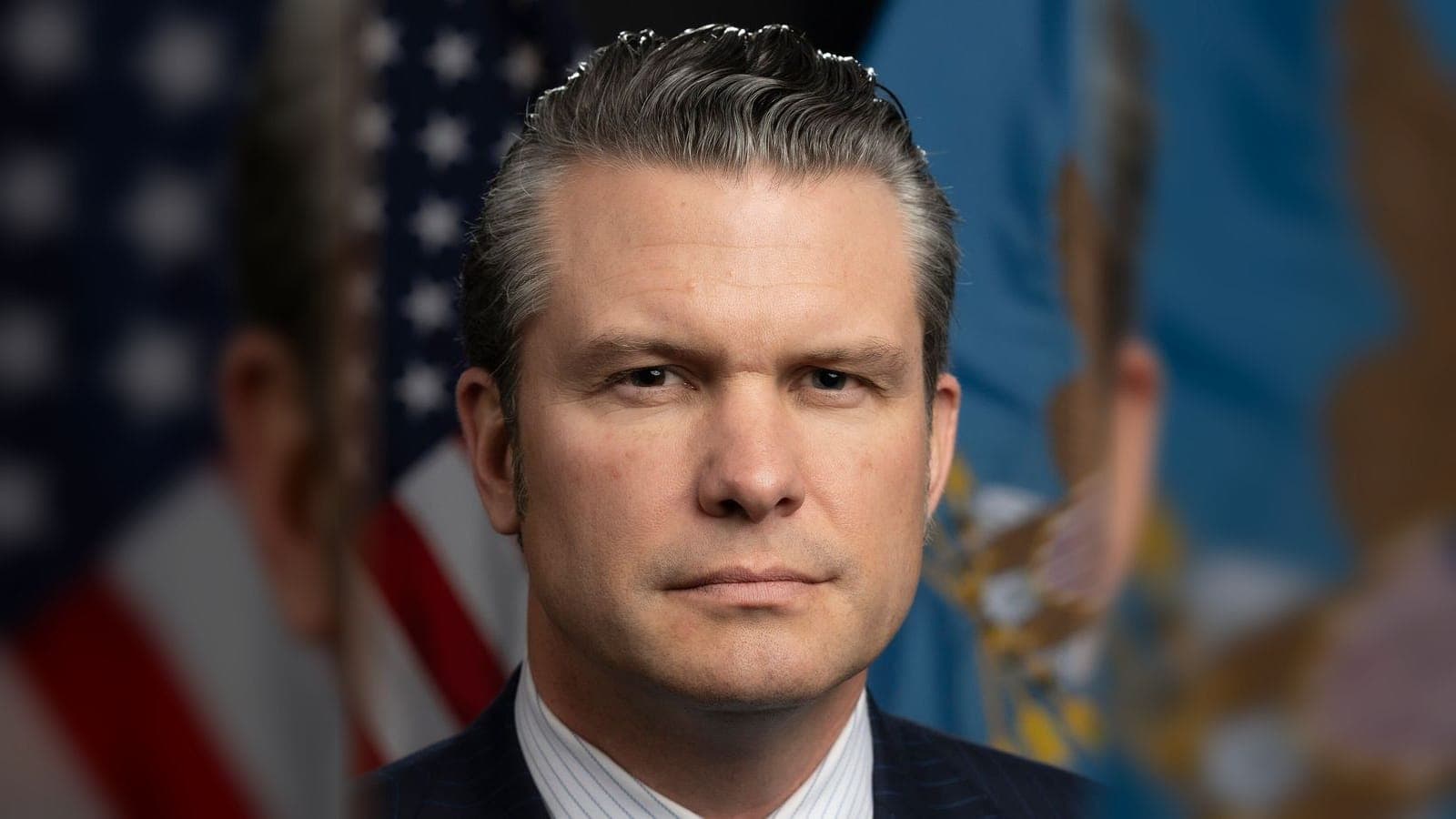
Pete Hegseth. File photo by U.S. Department of Defense, public domain, via Wikimedia Commons.
Saudi Arabia's defense minister, Prince Khalid bin Salman, says he spoke by phone with US Defense Secretary Pete Hegseth about efforts to calm tensions across the Middle East and about attacks on the kingdom by the Houthis, the armed movement based in Yemen. The Times of Israel reported the prince's account, which said the two men also covered strategic defense cooperation between their countries and wider regional and international developments.
The Israeli broadcaster N12 carried the same news on its Arab world desk, citing a Reuters report that described the conversation as dealing with de-escalation in the region and with Houthi attacks from Yemen that are still continuing against Saudi territory. The Jerusalem Post also reported the exchange, framing it as Riyadh and Washington discussing ways to reduce regional tension while the Houthi strikes go on.
On the ground

Saudi Defense Minister Prince Khalid bin Salman says he spoke with Pentagon chief Pete Hegseth about efforts to “de-escalate tensions in the region and the continued Houthi terrorist attacks against the Kingdom.”

Who took part
Prince Khalid bin Salman serves as Saudi Arabia's minister of defense. Pete Hegseth heads the US Department of Defense, whose headquarters is the Pentagon outside Washington. The two have met in person before: photographs published alongside the reports by The Times of Israel and The Jerusalem Post show Hegseth hosting the Saudi minister at a welcoming ceremony at the Pentagon on February 24, 2025.
All of the reports rest on the Saudi side's description of the call. None quotes a statement from the Pentagon or from Hegseth himself, so the account published so far reflects what the Saudi minister chose to make public about the conversation.
The Houthis and Saudi Arabia
The Houthis are an armed movement in Yemen, the country that borders Saudi Arabia to the south on the Arabian Peninsula. The reports describe their attacks on the kingdom as ongoing, and the Saudi minister's decision to raise them directly with his American counterpart signals that Riyadh regards them as a security matter it wants Washington engaged on. The reports do not describe the nature, scale or targets of the recent attacks.
Israel's week in five stories, every Friday
Sourced and checked by the Israel.com newsroom, with Shabbat times. Free, one-click unsubscribe.
One list, unsubscribe in a click. See our privacy policy.
For readers following Israel, the Houthis matter beyond the Gulf. The movement is widely seen as part of the network of groups aligned with Iran, and any shift in how Saudi Arabia and the United States handle it can bear on the security picture Israel faces in the wider region.
The wider diplomatic backdrop
The call was reported on a day dominated by talk of a possible settlement between the United States and Iran. In the same live coverage, The Times of Israel listed several related items: US President Donald Trump saying Iran wants a settlement as soon as possible and that it could happen; Vice President JD Vance saying he and Trump feel good about the prospects for a negotiated deal; and a diplomat saying Qatari mediators had returned to Tehran for talks with Iranian negotiators on an agreement with the United States.
Next story Security
Saudi-led coalition says it destroyed a Houthi ballistic missile and drone
The Saudi readout does not link the Hegseth call to those negotiations, and none of the reports draws that connection. What the account does show is that de-escalation, the word used by both Saudi Arabia and the outlets covering the call, was a central theme of the conversation, at a moment when several channels of regional diplomacy appear to be active at once.
How the sources compare
The three reports agree on the core facts: the two defense chiefs spoke, the subjects included easing regional tensions, and the Houthi attacks on Saudi Arabia were raised. The Times of Israel adds that the contact was a phone call and that strategic defense cooperation was on the agenda. N12 attributes its information to Reuters rather than to the Saudi statement directly. The Jerusalem Post item available to us consists mainly of its headline and photograph caption, so it adds little detail beyond the basic event. There is no disagreement between the sources on substance.
What the reports do not say
No American account of the call has been reported, so it is not known how Hegseth or the Pentagon characterised the conversation or whether any commitments were made. The reports give no detail on what steps toward de-escalation were discussed, what defense cooperation measures were on the table, or what, if anything, Washington offered in response to the Houthi attacks. The date of the call itself is also not stated in the material.
Read next
All security →
Illustration
Security
Saudi-led coalition says it destroyed Houthi drone over Riyadh province
Illustration
Security
Saudi-led coalition says it destroyed a Houthi drone in the skies over Mecca

Illustration
Security
Saudi-led coalition says it intercepted Houthi ballistic missile from Yemen
File photo
Security
Trump weighs blaming Hegseth or Caine as Iran war outlasts his advisers' promise
Sources and further reading
Every link below was opened and checked when this page was written. Official statements are marked as such: they are the subject's own account, not an independent one.
- Reportingkeshett.meN12
- Reportingtoitimesofisrael.comThe Times of Israel
- Reportingjpostjpost.comThe Jerusalem Post
How we checked this
The call was reported by The Times of Israel, The Jerusalem Post and N12, with N12 citing Reuters; all accounts rest on the Saudi defense minister's description, and no US statement on the conversation appears in the material.
Our sourcing and corrections policy →The week from Israel, in one email
The stories that mattered, sourced and checked by the Israel.com newsroom. Free, weekly, one-click unsubscribe.
One list, unsubscribe in a click. See our privacy policy.
Latest
- Trump says oil fell almost $10 a barrel on belief there will be no Iran war
- Iranian channels report explosions on Qeshm Island and claim US drones downed
- Qatari mediators return to Tehran with draft of a possible US-Iran deal
- Democrats lead 7 Senate races in polls as Israel watches US midterms
- Ben Gvir stands by claim police chief Danny Levy 'wants to see blood'
- Netanyahu offers broad government talks, rules out Ra'am and the Joint List