Senior UTJ figure claims 'significant progress' in draft talks with Eisenkot bloc
United Torah Judaism and the change bloc are trading drafts of a military conscription bill, reports say, while Shas is said to doubt any deal would last.
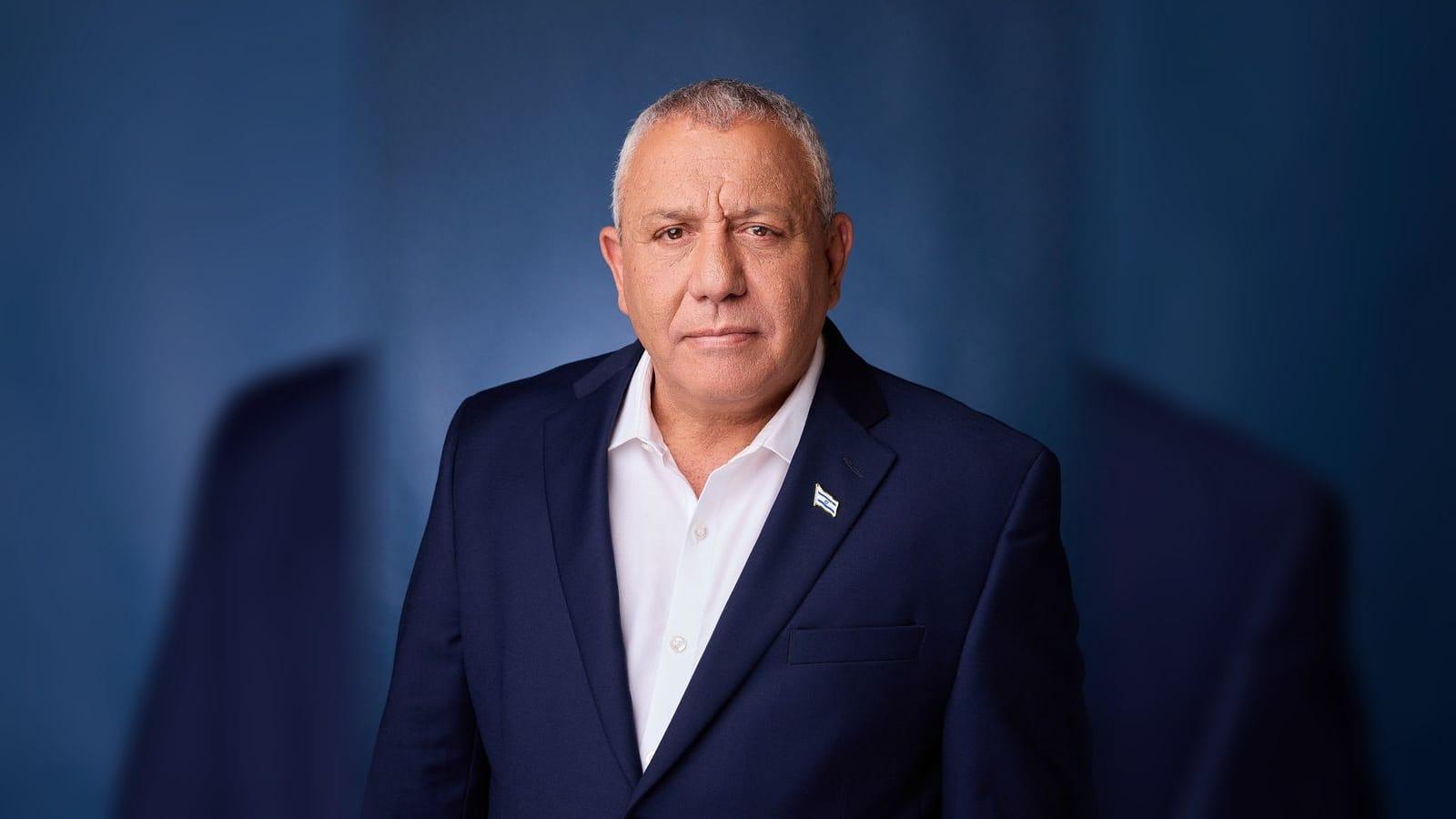
Gadi Eisenkot. File photo by יהב טרודלר (Yahav Trudler - Yahav Studio), CC BY-SA 3.0, via Wikimedia Commons.
Talks between the ultra-Orthodox party United Torah Judaism (UTJ) and the political camp led by Gadi Eisenkot over a military conscription law are moving forward, according to several Israeli outlets. Israel Hayom reported that the two sides are swapping draft texts, drawing on a conscription framework Avigdor Lieberman put forward in 2018 and on a quota plan proposed by Eisenkot, who leads the Yashar party. The Times of Israel reported that UTJ is in contact with the Eisenkot bloc every day.
A senior UTJ figure, speaking without being named, described the progress as considerable. According to N12, journalist Yishai Cohen of the ultra-Orthodox news site Kikar HaShabbat reported on N12's "Sheva" broadcast that the official said there has been "significant progress, much more than is visible from the outside." At the same time, the Times of Israel report said that Shas, the other main ultra-Orthodox party, fears that any agreement on the draft law would not hold.
On the ground

‘Like dealing with the Tinder Swindler’: Netanyahu-Eisenkot unity talks spark backlash Negotiators from Likud and Eisenkot's Yashar! party are set to meet Sunday, despite deep disagreements over who would lead a unity government; m... ynetnews.com/article/s1v0vg…

Who is talking to whom
United Torah Judaism is an alliance of Ashkenazi ultra-Orthodox, or Haredi, factions. Shas is a separate Haredi party whose base is largely Sephardi and Mizrahi, meaning Jews of Middle Eastern and North African descent. The two parties often coordinate on religious policy but are distinct organisations with their own leaderships.
The "change bloc" is the term used in Israeli politics for the grouping of parties opposed to Prime Minister Benjamin Netanyahu's camp. Israel Hayom used that term for UTJ's counterpart in these talks, while the Times of Israel called it the Eisenkot bloc, reflecting the central role the reports assign to Eisenkot. Eisenkot is a former chief of staff of the Israel Defense Forces (IDF) and now heads Yashar.
Why the draft law matters
Military service is compulsory for most Jewish Israelis, but for decades large numbers of Haredi men studying full-time in yeshivas, religious seminaries, have been exempted or had their service deferred. The question of whether and how to conscript them has been one of the most persistent fault lines in Israeli politics, and Haredi parties have treated legislation protecting yeshiva study as a core demand in coalition negotiations.
Get an email the day Israel has a new government.
Coalition talks can take weeks. When a government is sworn in, Israel.com's newsroom emails who leads it, which parties are in and who got which ministry, then the Friday email each week. Free, and one click unsubscribes.
One list, unsubscribe in a click. See our privacy policy.
According to Israel Hayom, the goal of the current talks is legislation that would make it possible for the ultra-Orthodox parties to take part in some arrangement with the change bloc; the outlet's published summary is cut off before stating the full aim.
The two frameworks on the table
The drafts being exchanged draw on two existing proposals, Israel Hayom said. The first is the framework presented in 2018 by Avigdor Lieberman, leader of the Yisrael Beytenu party, who was defence minister at the time. The second is a plan from Eisenkot built around quotas, which in Israeli draft debates generally refers to setting target numbers of Haredi recruits. The reports do not describe the specific terms of either framework as they appear in the current drafts, or how the two are being combined.
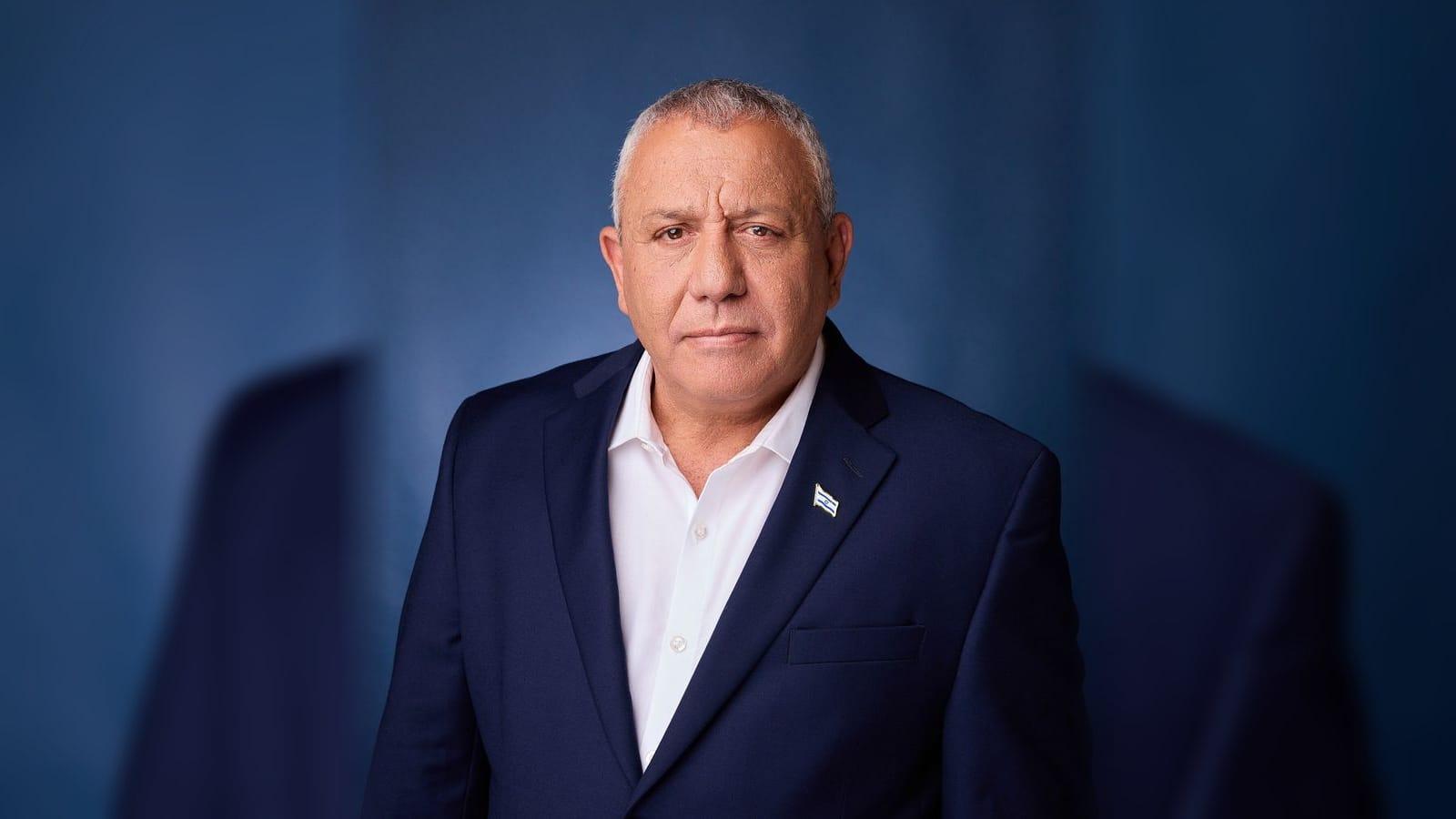
File photo
Next story Government
Eisenkot held a secret meeting with UTJ leader Yaakov Asher, N12 reports
Diverging signals from the Haredi parties
The reports point in two directions. From UTJ's side, the message relayed through N12 was one of momentum, with the senior official suggesting the public picture understates how far the talks have come. From Shas, the Times of Israel reported concern about durability rather than about whether a deal can be reached. The Times of Israel item, as available, does not give the reasons for Shas's concern or say who in Shas expressed it.
N12 published the UTJ official's remarks twice in quick succession, the second time in an edited version with slightly different phrasing; the substance of the quoted remark was the same in both.
What the reports do not say
None of the reports names the senior UTJ official, and no on-the-record statement from UTJ, Shas, Eisenkot or Lieberman has been reported. The reports do not say what specific terms have been agreed, whether Shas is involved in the talks, what would trigger the collapse Shas reportedly fears, or whether any timetable for a bill exists.
Read next
All government →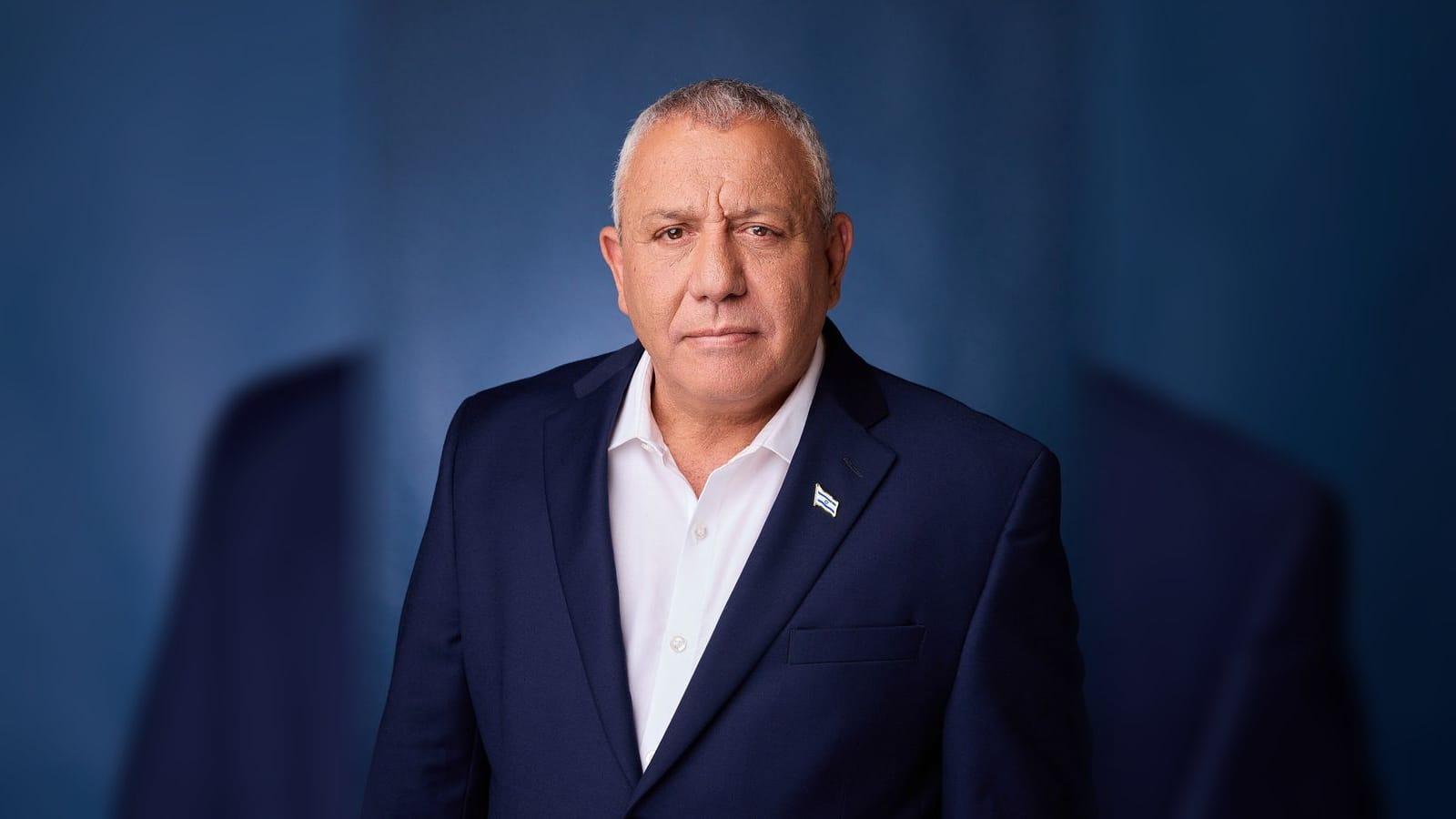
File photo
Government
Arab party leaders and UTJ in regular contact over Eisenkot bloc talks

Illustration
Government
UTJ chairman Yaakov Asher denies 'dramatic progress' in talks with change bloc

Illustration
Elections
Likud believes it has slowed UTJ's drift toward a change government

Illustration
Government
Yashar and Likud end first unity talks with no progress but agree to keep talking
Sources and further reading
Every link below was opened and checked when this page was written. Official statements are marked as such: they are the subject's own account, not an independent one.
- Reportingtoitimesofisrael.comThe Times of Israel
- Reportingisraelhayomisraelhayom.comIsrael Hayom
- Reportingkeshett.meN12
- Reportingkeshett.meN12
How we checked this
The talks were reported by the Times of Israel, Israel Hayom and N12. The 'significant progress' remark comes from a single unnamed UTJ official relayed by a journalist on N12, and Shas's concern appears only in the Times of Israel report, without detail.
Our sourcing and corrections policy →The week from Israel, in one email
The stories that mattered, sourced and checked by the Israel.com newsroom. Free, weekly, one-click unsubscribe.
One list, unsubscribe in a click. See our privacy policy.

Israel.com is free, and readers like you keep it that way.
The Israel.com newsroom checks every story against its sources and publishes it free. If this one helped, a contribution of any size keeps the next one free too.
One payment, nothing to sign up for. Another amountGive monthly
Latest

File photo

Illustration

Illustration

Illustration
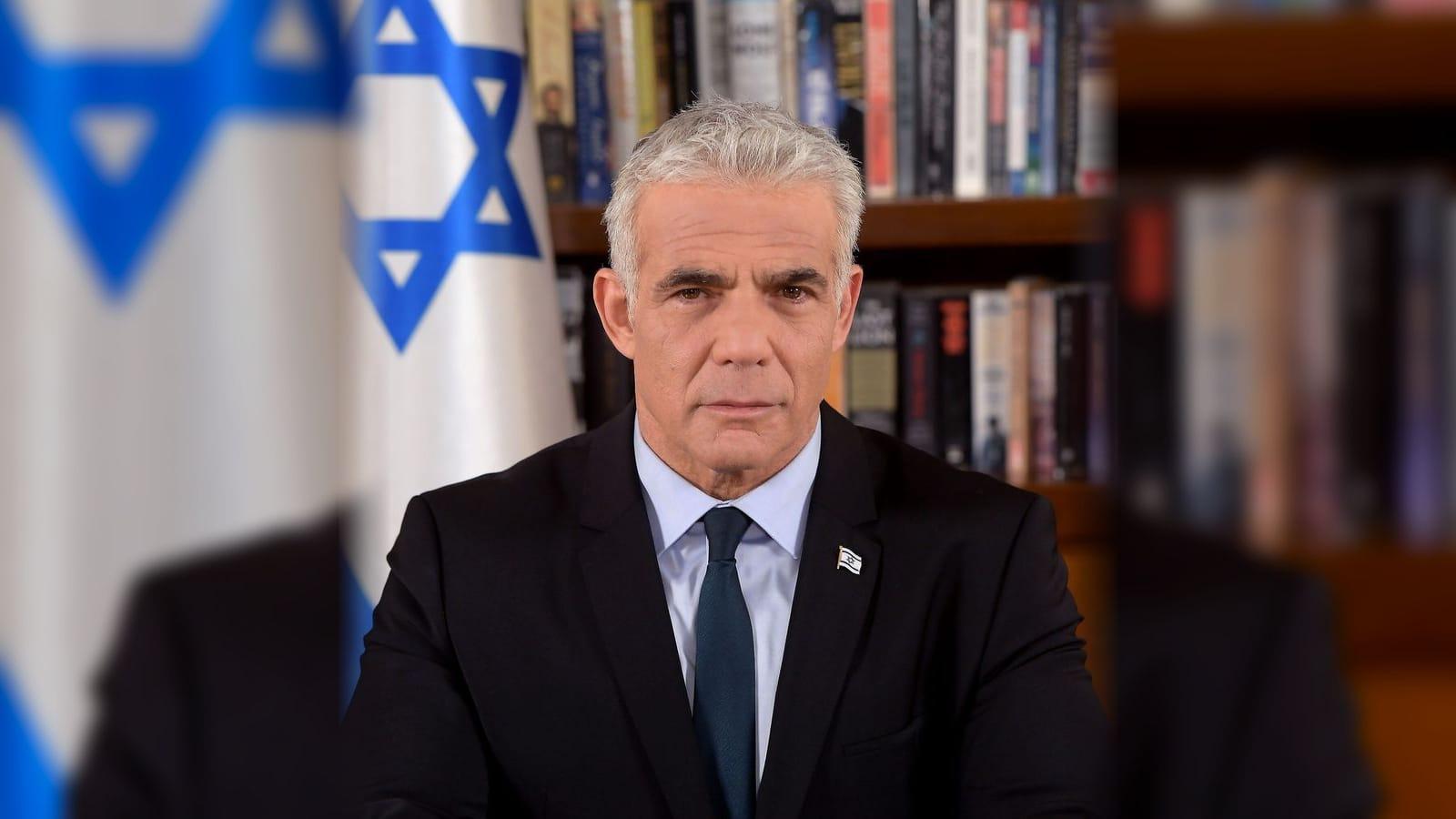
File photo

Illustration