Eisenkot held a secret meeting with UTJ leader Yaakov Asher, N12 reports
Gadi Eisenkot met United Torah Judaism chairman Yaakov Asher last week, their first known talks since he was tasked with forming Israel's next government.
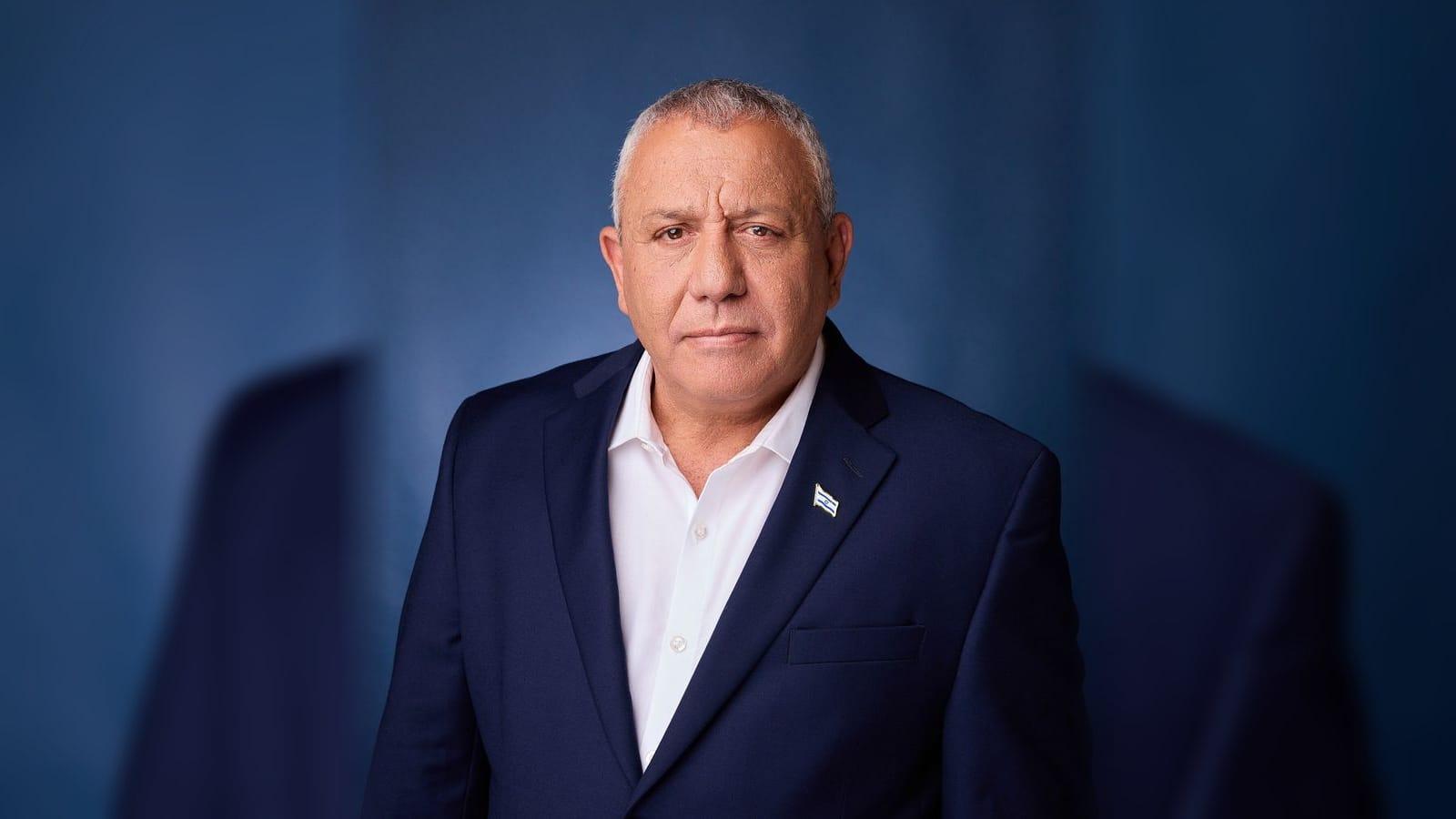
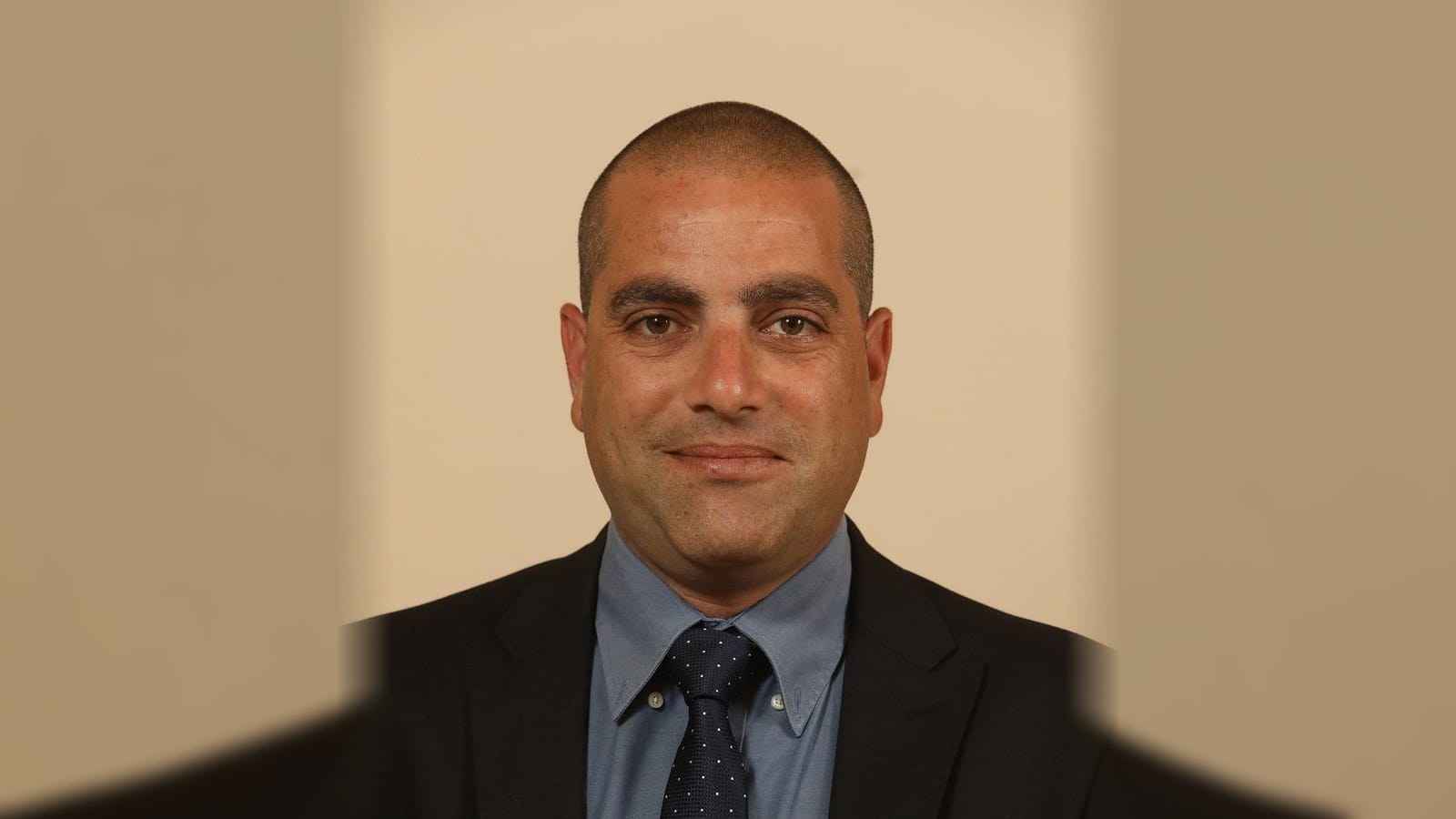
Gadi Eisenkot. File photo by יהב טרודלר (Yahav Trudler - Yahav Studio), CC BY-SA 3.0, via Wikimedia Commons.
Gadi Eisenkot, the politician currently charged with trying to form Israel's next government, met privately last week with Yaakov Asher, chairman of the ultra-Orthodox party United Torah Judaism (UTJ), according to a report by Dafna Liel of the Israeli broadcaster N12. N12 reported that the two men met as part of the contacts aimed at putting together a coalition, and that it was their first meeting since Eisenkot received the mandate.
The meeting was kept quiet. Journalist Amit Segal relayed Liel's report on his channel, describing the encounter as having taken place under a veil of secrecy. Neither Eisenkot nor Asher has been reported as commenting publicly on the meeting, and no details of what was discussed have been published.
On the ground

‘Like dealing with the Tinder Swindler’: Netanyahu-Eisenkot unity talks spark backlash Negotiators from Likud and Eisenkot's Yashar! party are set to meet Sunday, despite deep disagreements over who would lead a unity government; m... ynetnews.com/article/s1v0vg…

Why both sides want it kept quiet
According to Liel, the negotiations between Eisenkot's party and UTJ have been conducted in secret ever since the mandate was handed to Eisenkot. N12 reported that, for now, both parties appear keen to keep the matter low profile, and offered a reason for each side.
For Eisenkot, the concern according to the report is that the talks may come to nothing, in which case he would pay a public price for engaging with UTJ without having gained anything in return. For Asher, the report said, discretion is a way to avoid heavy pressure from Benjamin Netanyahu. These are the reporter's assessments of the two sides' motives; neither man has been quoted confirming them.
What the mandate is
In Israel's parliamentary system, no party has historically won a majority in the Knesset, the country's parliament, on its own. After an election, the president consults with the parties and then assigns one Knesset member the task of trying to assemble a coalition that can command a majority. That assignment is commonly called the mandate. The person holding it negotiates with potential partners over policy and cabinet posts, and if those talks fail the task can pass to someone else.
Get an email the day Israel has a new government.
Coalition talks can take weeks. When a government is sworn in, Israel.com's newsroom emails who leads it, which parties are in and who got which ministry, then the Friday email each week. Free, and one click unsubscribes.
One list, unsubscribe in a click. See our privacy policy.
The N12 report places the Eisenkot and Asher meeting within that process. It does not say how far the wider coalition talks have advanced or which other parties are involved.
Who Eisenkot and Asher are
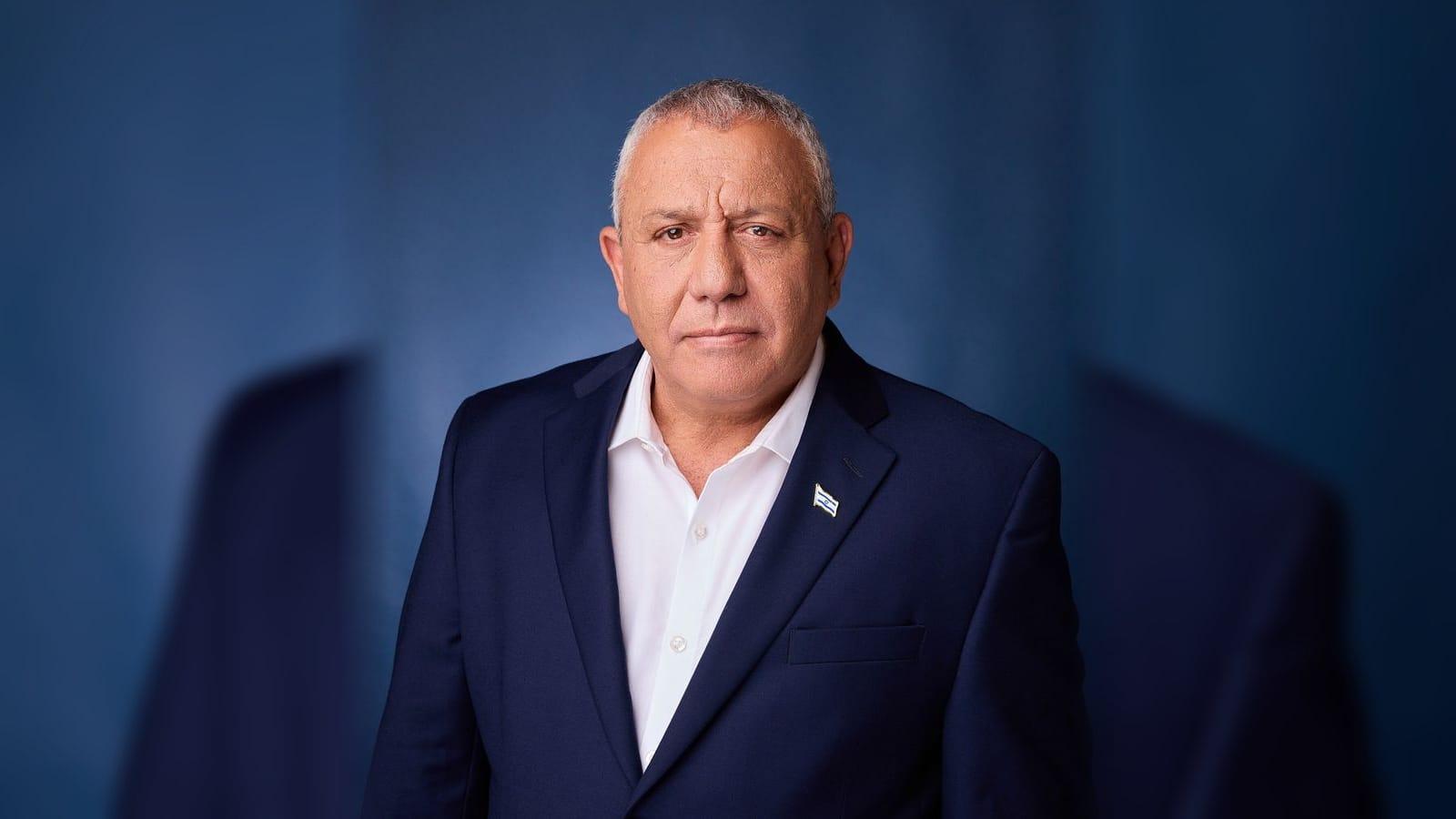
Gadi Eisenkot is a former chief of staff of the Israel Defense Forces who moved into politics after leaving the military. Holding the mandate makes him, for the period of the assignment, the central figure in efforts to form a government.
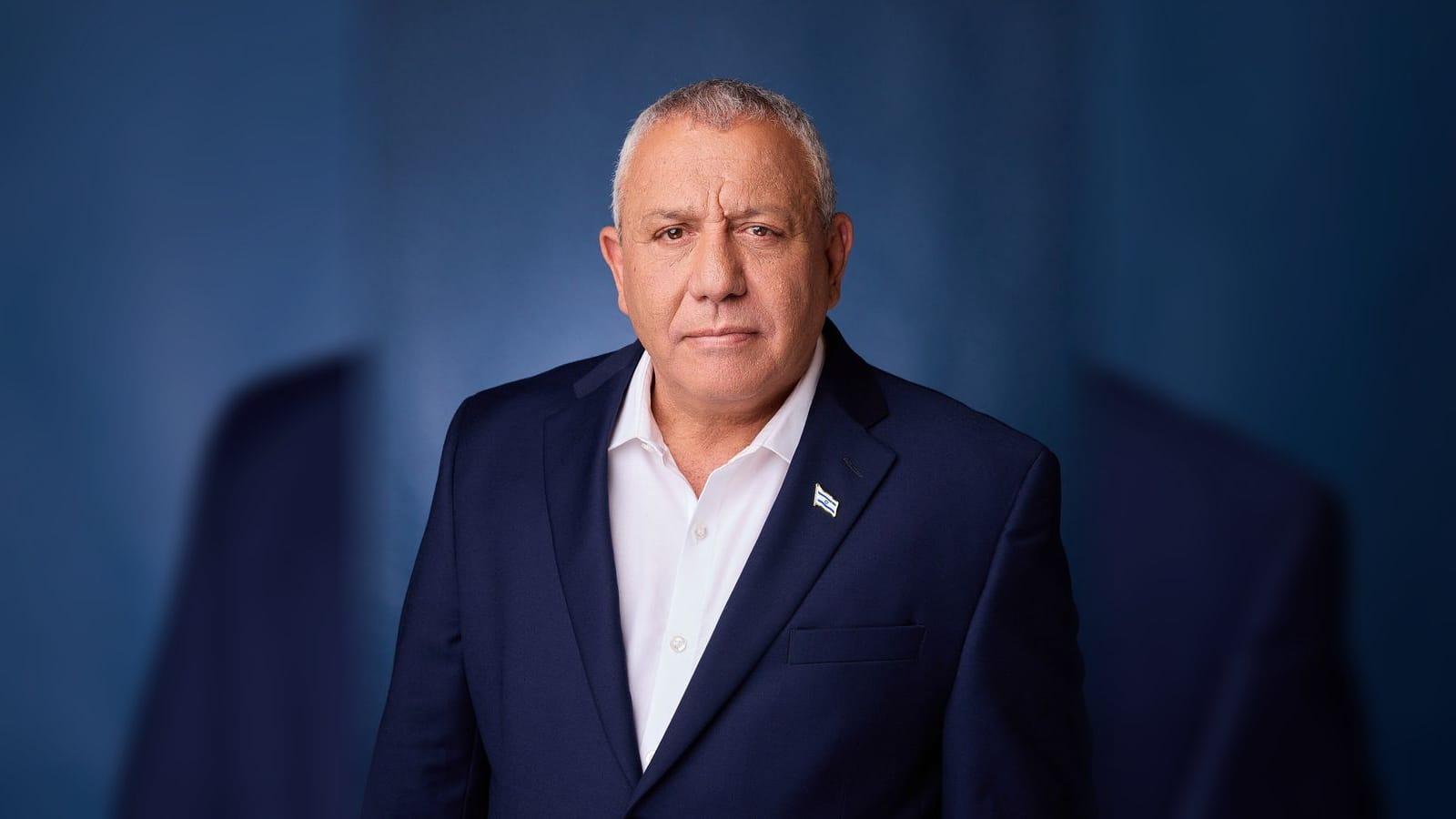
File photo
Next story Government
Arab party leaders and UTJ in regular contact over Eisenkot bloc talks
Yaakov Asher leads United Torah Judaism, a party representing Ashkenazi Haredi, or ultra-Orthodox, communities. Haredi parties have frequently been part of Israeli coalitions and have tended to focus on issues such as funding for religious institutions, the status of yeshiva students and matters of religion and state.
Why Netanyahu matters here
Benjamin Netanyahu, leader of the Likud party, has long relied on ultra-Orthodox parties, UTJ among them, as coalition partners. That history is the backdrop to the report's suggestion that Asher would face pressure from Netanyahu if his contacts with Eisenkot became widely known. Any move by UTJ toward a government led by someone else would represent a shift from that pattern, which helps explain why the reported meeting is being treated as significant even without any announced outcome.
How the story emerged
The account comes from a single reporter, Dafna Liel of N12, and was published in short updates on N12's news channel on the Telegram messaging app. Amit Segal, a prominent Israeli political commentator, shared the same report on his own channel, crediting Liel. The two outlets therefore do not represent independent confirmation of the meeting; both trace back to her reporting.
What the reports do not say
The reports give no date or location for the meeting beyond placing it last week, and say nothing about its content or whether any understandings were reached. There is no response on record from Eisenkot, Asher, UTJ or Netanyahu. The reports also do not say whether further meetings are planned, or what UTJ's conditions for joining a coalition might be. The explanations offered for the secrecy are the reporter's analysis rather than statements by either side.
Read next
All government →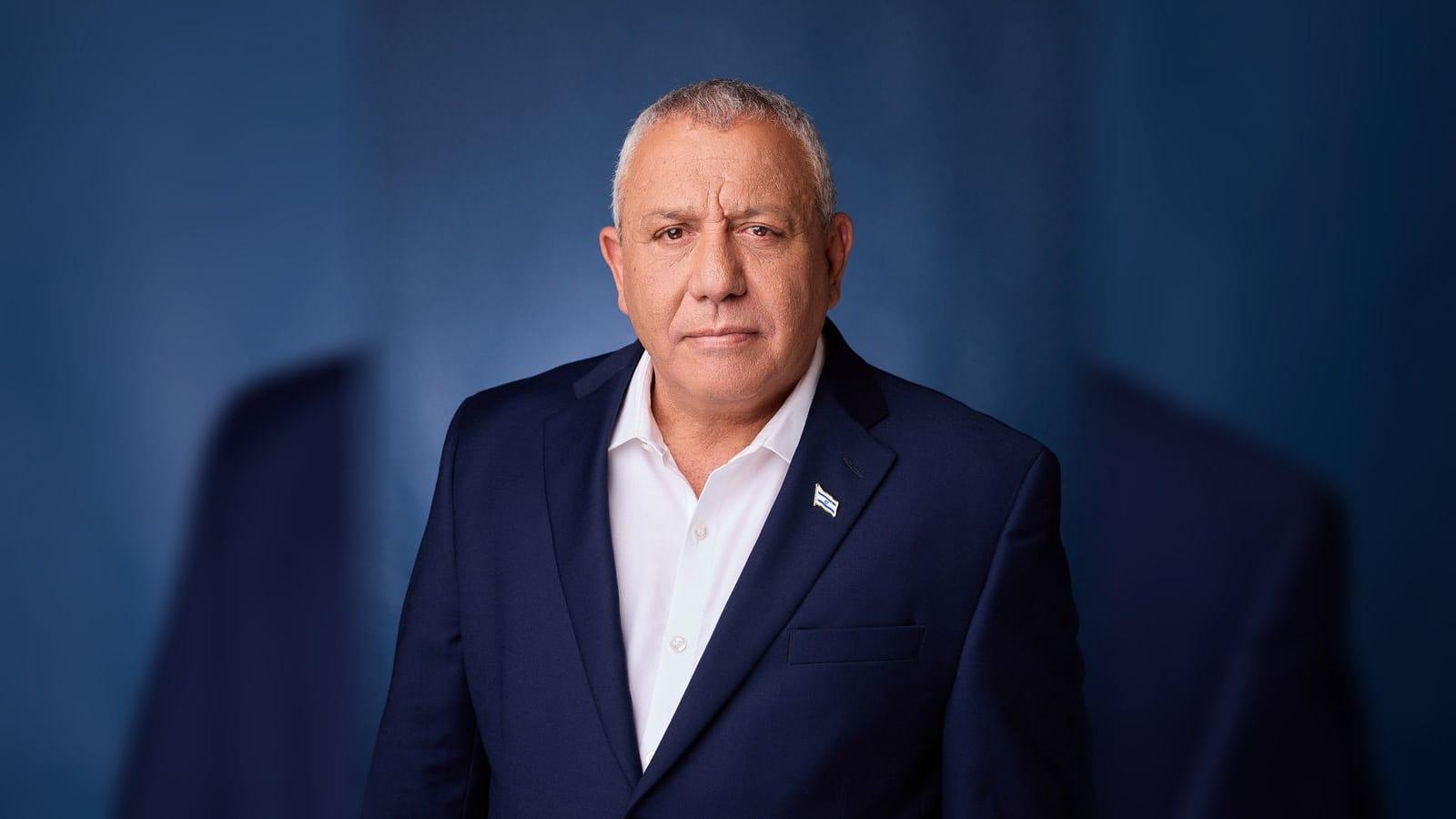
File photo
Government
Eisenkot's party sends ex-Netanyahu associate Horowitz to Likud talks

Illustration
Elections
Likud believes it has slowed UTJ's drift toward a change government
Illustration
Government
Democrats party to lead new Knesset committee on repealing judicial overhaul laws
File photo
Government
Likud picks Ofir Katz and Michael Rabilo for talks with Eisenkot's party
Sources and further reading
Every link below was opened and checked when this page was written. Official statements are marked as such: they are the subject's own account, not an independent one.
- Reportingamitsegalt.meAmit Segal
- Reportingkeshett.meN12
- Reportingkeshett.meN12
How we checked this
The meeting was reported by N12 and relayed by Amit Segal, but both accounts rest on reporting by a single journalist, Dafna Liel. The stated motives for secrecy are her assessment and have not been confirmed by Eisenkot, Asher or their parties.
Our sourcing and corrections policy →The week from Israel, in one email
The stories that mattered, sourced and checked by the Israel.com newsroom. Free, weekly, one-click unsubscribe.
One list, unsubscribe in a click. See our privacy policy.

Israel.com is free, and readers like you keep it that way.
The Israel.com newsroom checks every story against its sources and publishes it free. If this one helped, a contribution of any size keeps the next one free too.
One payment, nothing to sign up for. Another amountGive monthly
Latest
Illustration

Illustration
File photo

Illustration

Illustration

Illustration