CENTCOM chief, Hegseth and top general brief Trump on Iran options, WSJ says
Citing The Wall Street Journal, Israeli outlets say Adm. Brad Cooper presented Iran options to Trump alongside Hegseth and the Joint Chiefs chairman.
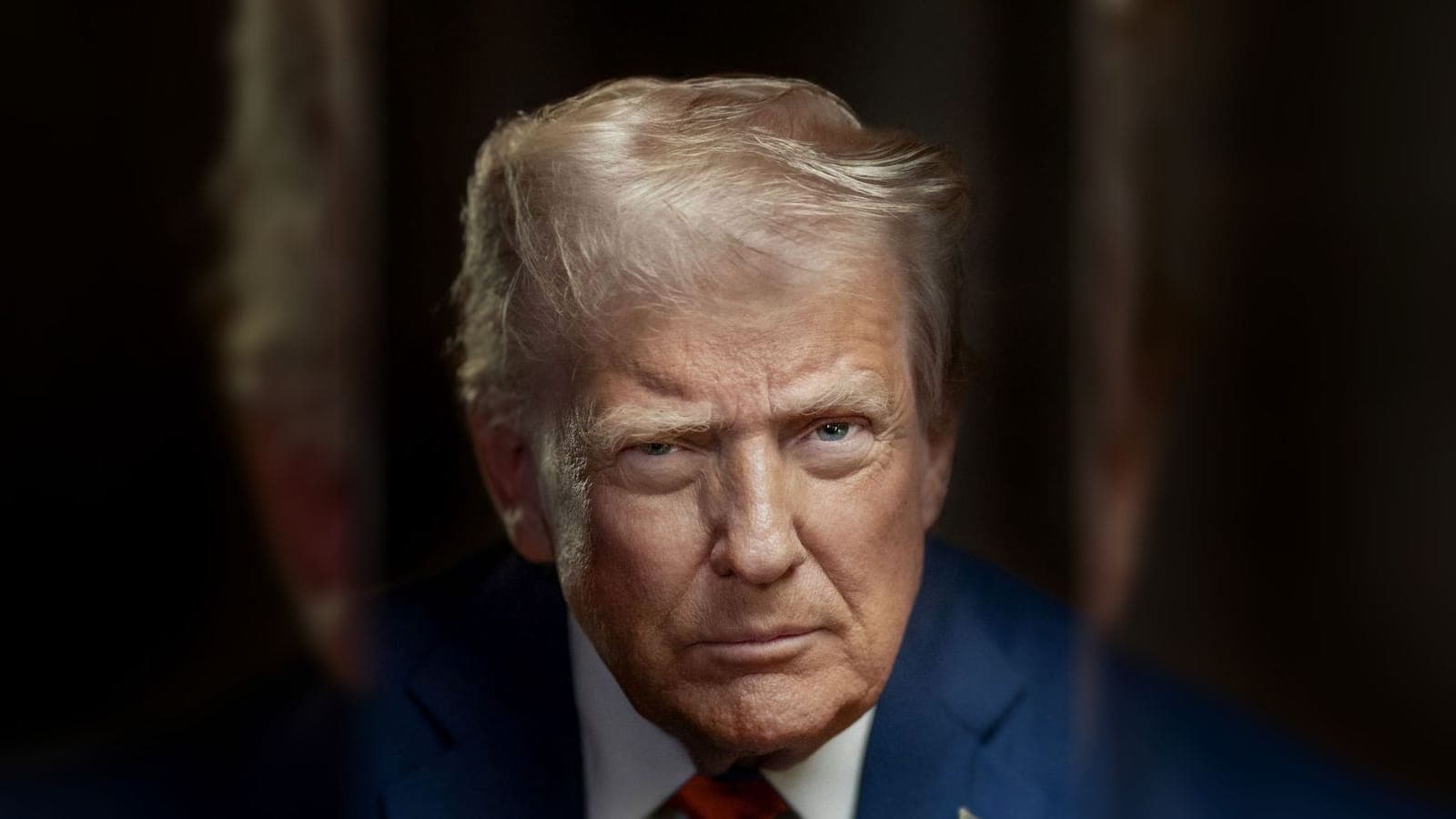
Donald Trump. File photo by Daniel Torok, public domain, via Wikimedia Commons.
One update since publication
- Reports say Hegseth and the Joint Chiefs chairman joined the CENTCOM briefing; Ynet links it to a letter seeking talks with Iran.
This story is being added to as it develops. Earlier text is kept below the updates rather than rewritten, so what this page said at each point is still on it.
Update, 29 October, 23:07 Israel time
Defense Secretary Pete Hegseth and the chairman of the Joint Chiefs of Staff also attended the briefing, according to fresh reporting. The Jerusalem Post reported, citing The Wall Street Journal, that the CENTCOM chief set out the Iran options for Trump in a meeting with Hegseth and Caine, the chairman of the Joint Chiefs. The paper identified the CENTCOM commander as Adm. Brad Cooper.
Ynet, in a fuller article also based on the Journal's report, described the session as a "personal and unusual" briefing for the president and said Hegseth and the Joint Chiefs chairman had joined the CENTCOM commander in presenting the options.
Ynet added two further details:
- Military officers met Trump's vice president the previous day, according to the outlet.
- The vice president had, according to an earlier report cited by Ynet, sent a letter on Trump's instructions to a close associate of Iran's Supreme Leader Ali Khamenei with the aim of reviving negotiations.
Neither outlet cited any comment from the White House, the Pentagon or CENTCOM, and neither reported whether Trump reached a decision on the options presented.
The story as first reported
The commander of United States Central Command (CENTCOM) went to the White House and laid out military options concerning Iran for President Donald Trump, according to a report in The Wall Street Journal that was relayed by several Israeli news outlets. The Times of Israel carried the report in its live blog, crediting the American newspaper as its source.
Israel's week in five stories, every Friday
Sourced and checked by the Israel.com newsroom, with Shabbat times. Free, one-click unsubscribe.
One list, unsubscribe in a click. See our privacy policy.
The Israeli outlet Ynet, in a short alert, described the briefing as a visit by the CENTCOM commander to the White House in which he presented Trump with military scenarios for Iran. The Telegram news channel Abu Ali Express, also citing The Wall Street Journal, named the officer as Brad Cooper and said he had updated the president on options for striking Iran. None of the Israeli reports carried further detail beyond these brief items.
What CENTCOM is
CENTCOM is the US military's regional command for the Middle East. It is the American headquarters whose area of responsibility includes Iran, which is why its commander would be the officer expected to present the Pentagon's planning on Iran to the president. The command's chief reports up the American military chain of command to the secretary of defense and the president.
Of the three reports reviewed here, only Abu Ali Express identified the commander by name. Ynet and The Times of Israel referred to him by his title alone.
Next story Security
Trump tells rally the US 'may do another little Epic Fury' against Iran
How the reports describe the briefing
The three outlets agree on the core of the story: that The Wall Street Journal reported a meeting at the White House in which the CENTCOM commander set out military possibilities regarding Iran for Trump. They differ slightly in how they characterise what was presented.
- The Times of Israel used the phrase "military options".
- Ynet used the Hebrew term for "military scenarios", a word that can describe contingency planning rather than a specific operation.
- Abu Ali Express referred specifically to "strike options" in Iran, and said the commander had updated the president, which may suggest an ongoing series of briefings rather than a single presentation.
These differences in wording may reflect translation and the brevity of breaking-news alerts rather than a substantive disagreement, but the reports as published do not use identical language, and readers should not treat the briefing as confirmed to have concerned a specific planned attack.
Why Israeli outlets are following it
Iran is Israel's principal regional adversary, and American military decisions regarding Iran are watched closely in Israel, where they bear directly on the country's security. Israeli news organisations routinely relay reporting from major American newspapers about White House deliberations on Iran, often within minutes of publication, as happened here. Ynet is the news website of the Yedioth Ahronoth group, one of Israel's largest media organisations. Abu Ali Express is a widely followed Hebrew-language Telegram channel covering Arab and Middle Eastern affairs. The Times of Israel is an English-language Israeli news site.
The source behind the reports
All three Israeli items attribute the information to The Wall Street Journal. None of them indicates that it independently confirmed the briefing with US or Israeli officials. The original Wall Street Journal article was not among the material available for this report, so the account here rests on how the Israeli outlets summarised it.
What the reports do not say
The brief items leave many basic questions unanswered:
- They do not say what the specific options presented to Trump were, or whether they ranged from limited to broader action.
- They do not say whether Trump made any decision, or reacted to the briefing in any way.
- They do not say who else attended the meeting.
- They do not say when exactly the meeting took place, beyond the reports appearing on the same evening.
- They do not cite any comment from the White House, the Pentagon, CENTCOM, or the Iranian government.
- They do not say whether Israel was consulted or informed about the options discussed.
- They do not say what prompted the briefing.
Until fuller reporting or official statements emerge, the account rests on The Wall Street Journal's reporting as summarised by the three Israeli outlets.
Read next
All security →
File photo
Security
Trump says he personally believes Iran was behind the flydubai attack

Illustration
Security
Iran gives Houthis targeting intelligence for Saudi strikes, WSJ reports

File photo
Government
Vance writes to Iran's Rezaei on talks as Trump denies directing outreach
File photo
Security
Netanyahu calls Financial Times report of Trump halting Iran strike untrue
Sources and further reading
Every link below was opened and checked when this page was written. Official statements are marked as such: they are the subject's own account, not an independent one.
- Reportingyediotht.meYnet alerts
- Reportingtoitimesofisrael.comThe Times of Israel
- Reportingabualiexpresst.meAbu Ali Express
- Reportingyediothynet.co.ilYnet
- Reportingjpostjpost.comThe Jerusalem Post
How we checked this
All details, including the attendance of Hegseth and Caine, rest on The Wall Street Journal as relayed by Israeli outlets; the letter to a Khamenei associate is attributed by Ynet to an earlier report. No official confirmation has been cited.
Our sourcing and corrections policy →The week from Israel, in one email
The stories that mattered, sourced and checked by the Israel.com newsroom. Free, weekly, one-click unsubscribe.
One list, unsubscribe in a click. See our privacy policy.
Latest
- Likud tops official Israeli election results with 27 seats; turnout 77.9%
- Berlin mayoral hopeful Elif Eralp's leaked notes cite fear of Hamas supporters
- IDF soldier charged with spying for Iran for about a year, paid in crypto
- ZIM-operated container ship Contship Jet sinks in Black Sea, 18 crew rescued
- Elections committee says vote integrity intact amid Shin Bet funding row
- Eisenkot accuses Netanyahu of campaign to delegitimise election results