Likud tops final Israeli election count with 27 seats as Shas falls to 6
With every ballot counted, Netanyahu's bloc holds 53 seats, the opposition bloc 48 and the Arab parties 19, according to the published results.

AI illustration, not a photo of the events.
Israel's vote count is finished, and Likud, the party led by Prime Minister Benjamin Netanyahu, is the largest faction in the next Knesset with 27 seats. Globes reported that the count was complete, with Likud on 27 and the ultra-Orthodox Shas party down to 6 seats. The parties of the outgoing coalition together hold 53 seats, the opposition grouping known as the "bloc for change" holds 48, and Arab parties hold 19.
Israel Hayom reported that the Central Elections Committee published the results on Thursday once it had finished counting the double-envelope ballots, a process that started at 1 a.m. that day in the Knesset parking garage in Jerusalem. Election Day itself was October 27, 2026, according to a photo caption in The Jerusalem Post, which also reported Likud as the biggest party after all votes were counted.
On the ground

2026 Election vote count complete: Prime Minister Benjamin Netanyahu's bloc holds 53 seats in the 120-member Knesset, while opposition parties have 67. Follow Haaretz's election updates here: haaretz.com/israel-news/el…


The full seat tally
A party-by-party breakdown, posted on the Telegram results channel run by journalist Amit Segal and repeated by News.co.il, shows eleven lists entering parliament. That breakdown said roughly 100.0% of votes had been counted, with 18,479 votes added in the last update. The figures are:
- Likud: 27
- Yashar: 21
- Beyachad (Hebrew for "Together"): 12
- The Joint List: 11
- The Democrats: 8
- Ra'am (the United Arab List): 8
- Yisrael Beytenu: 7
- Otzma Yehudit (Jewish Power): 7
- United Torah Judaism: 7
- Shas: 6
- Religious Zionism and Zehut: 6
Two lists fell short of the minimum vote share needed to win seats, according to the same breakdown: HaMiluimnikim and the Economic party, a list whose name refers to military reservists, took 2.72%, and Amcha Yisrael took 1.68%. Israel Hayom's report likewise placed Likud first on 27, Yashar second on 21 and Beyachad third.
How the blocs line up
Israeli election results are usually read in terms of blocs, because no single party wins enough seats to govern alone and governments are built from coalitions. Every outlet in this set reported the same three-way split: 53 seats for the parties of the current coalition, 48 for the opposition camp, and 19 for the Arab parties. Abu Ali Express, describing the picture after all votes for the 26th Knesset were counted, labelled the first group the Netanyahu bloc and noted that 8 of the 19 Arab seats belong to Ra'am; the Segal and News.co.il breakdowns split those 19 into 11 for the Joint List and 8 for Ra'am. Ynet used a different label for the opposition camp, attributing its 48 seats to Eisenkot rather than calling it the change bloc.
Israel's week in five stories, every Friday
Sourced and checked by the Israel.com newsroom, with Shabbat times. Free, one-click unsubscribe.
One list, unsubscribe in a click. See our privacy policy.
The Arab parties are generally counted separately in this kind of tally because they have not typically been treated as members of either of the two main camps, a reading the sources reflect by listing them on their own line. In a later post, Abu Ali Express said the picture had not changed: 53, 48 and 19.
Key terms for readers outside Israel
The Knesset is Israel's single-chamber parliament, based in Jerusalem. Seats are allocated nationally by proportional representation, so voters choose a party list rather than an individual candidate.
Next story Elections
With 97.3% counted, Likud gains a seat from Shas; Netanyahu bloc leads 53-48
The Central Elections Committee is the body that runs national elections, oversees the count and publishes the official results.
Double-envelope ballots are votes cast outside a voter's assigned polling station, for example by soldiers, diplomats, hospital patients or prisoners. They are sealed in a second envelope so that the voter's eligibility can be checked before the ballot is counted, which is why they are tallied centrally and later than ordinary votes, and why the final seat count can shift after election night.
Shas is a Sephardi ultra-Orthodox party, and United Torah Judaism is an Ashkenazi ultra-Orthodox alliance. Ra'am is an Islamist-rooted Arab party, and the Joint List is an alliance of Arab-majority parties.
What the reports do not say
None of the reports in this set explains which parties make up the 48-seat opposition bloc, or why Ynet ties it to Eisenkot. Globes says Shas dropped to 6, but the material does not give the earlier figure it fell from or say when that figure was reported. The reports do not describe how the final double-envelope count changed the seat distribution compared with earlier tallies, beyond the 18,479 votes added in the last update.
The reports also do not address what comes next: which party leader the president will task with forming a government, whether any party has signalled a change of camp, or whether any result will be challenged. They do not give turnout figures or raw vote totals for the parties that entered parliament.
More on Jerusalem: Places and businesses in Jerusalem · Shabbat times in Jerusalem
Read next
All elections →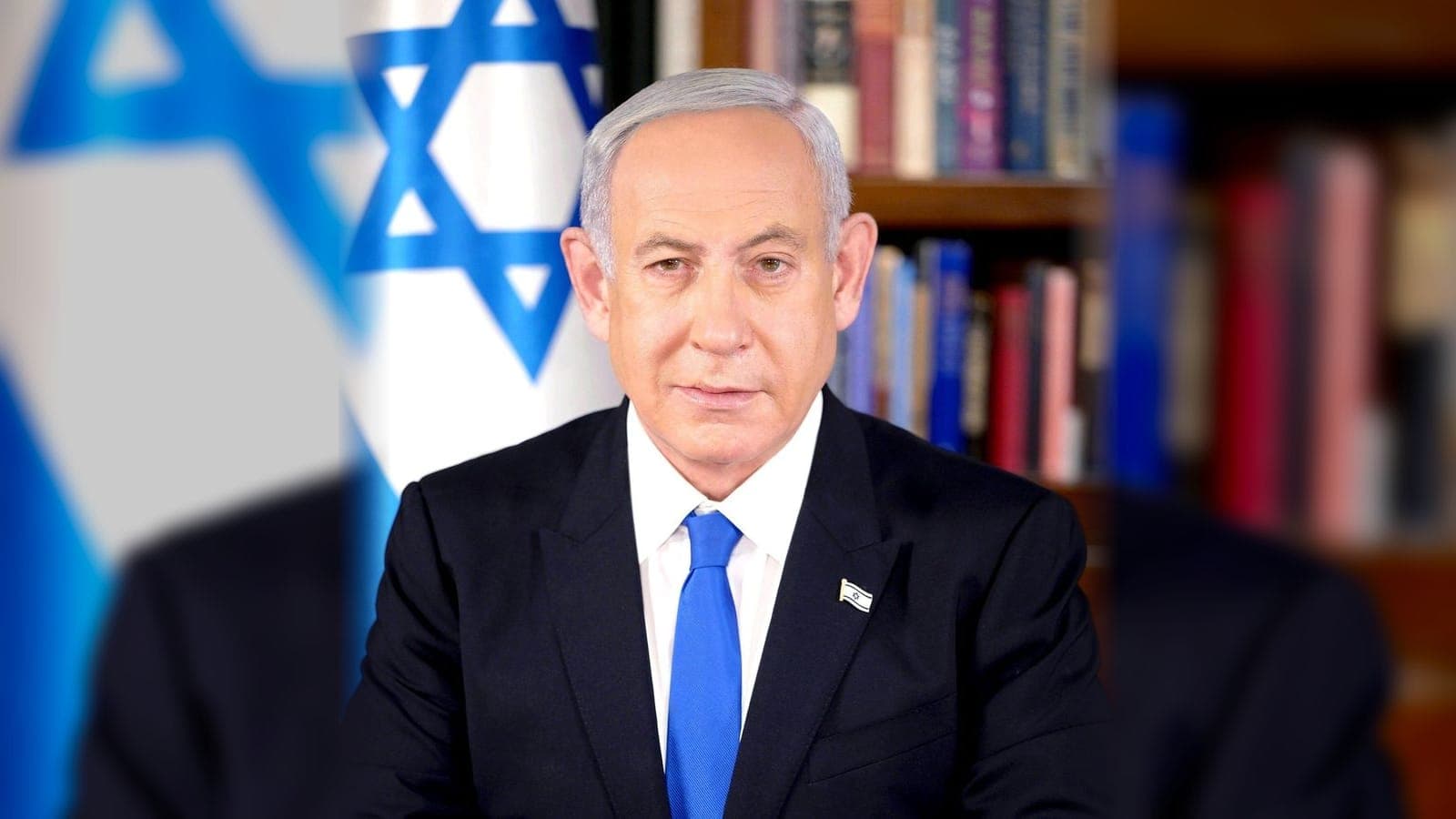
File photo
Elections
Netanyahu claims right-wing majority as Likud awaits final election count
Illustration
Religion
Shas waits in silence as United Torah Judaism celebrates exit polls

File photo
Elections
Netanyahu and party leaders vote as 26th Knesset election gets under way
Illustration
Courts & Crime
Man, 29, seriously hurt with penetrating injury near Shuafat checkpoint
Sources and further reading
Every link below was opened and checked when this page was written. Official statements are marked as such: they are the subject's own account, not an independent one.
- Reportingyediotht.meYnet alerts
- Reportingjpostjpost.comThe Jerusalem Post
- Reportingisraelhayomisraelhayom.comIsrael Hayom
- Reportingglobesen.globes.co.ilGlobes
- Reportingabualiexpresst.meAbu Ali Express
- Reportingamitsegalt.meAmit Segal
- Reportingamitsegalt.meAmit Segal
- Reportingamitsegalt.meNews.co.il
- Reportingabualiexpresst.meAbu Ali Express
How we checked this
The 53/48/19 bloc split and Likud's 27 seats were reported consistently by Globes, Ynet, Israel Hayom, The Jerusalem Post, Abu Ali Express, Amit Segal and News.co.il. The full party breakdown and the below-threshold percentages come from the Amit Segal channel, repeated by News.co.il; we have not checked them against the Central Elections Committee's own publication.
Our sourcing and corrections policy →The week from Israel, in one email
The stories that mattered, sourced and checked by the Israel.com newsroom. Free, weekly, one-click unsubscribe.
One list, unsubscribe in a click. See our privacy policy.

Israel.com is free, and readers like you keep it that way.
The Israel.com newsroom checks every story against its sources and publishes it free. If this one helped, a contribution of any size keeps the next one free too.
One payment, nothing to sign up for. Another amount
Latest
- IDF soldier charged with spying for Iran for about a year, paid in crypto
- ZIM-operated container ship Contship Jet sinks in Black Sea, 18 crew rescued
- Elections committee says vote integrity intact amid Shin Bet funding row
- Eisenkot accuses Netanyahu of campaign to delegitimise election results
- Lapid says Knesset can be sworn in after meeting Shin Bet chief David Zini
- Qatar denies funding any effort to sway Israel's election results