Iran calls US chemical weapons claims fraudulent, citing 2003 Iraq war
Tehran's Foreign Ministry spokesman likened US accusations to the case for the Iraq war, as a Ynet assessment said the threat does not yet call for a strike on Iran.
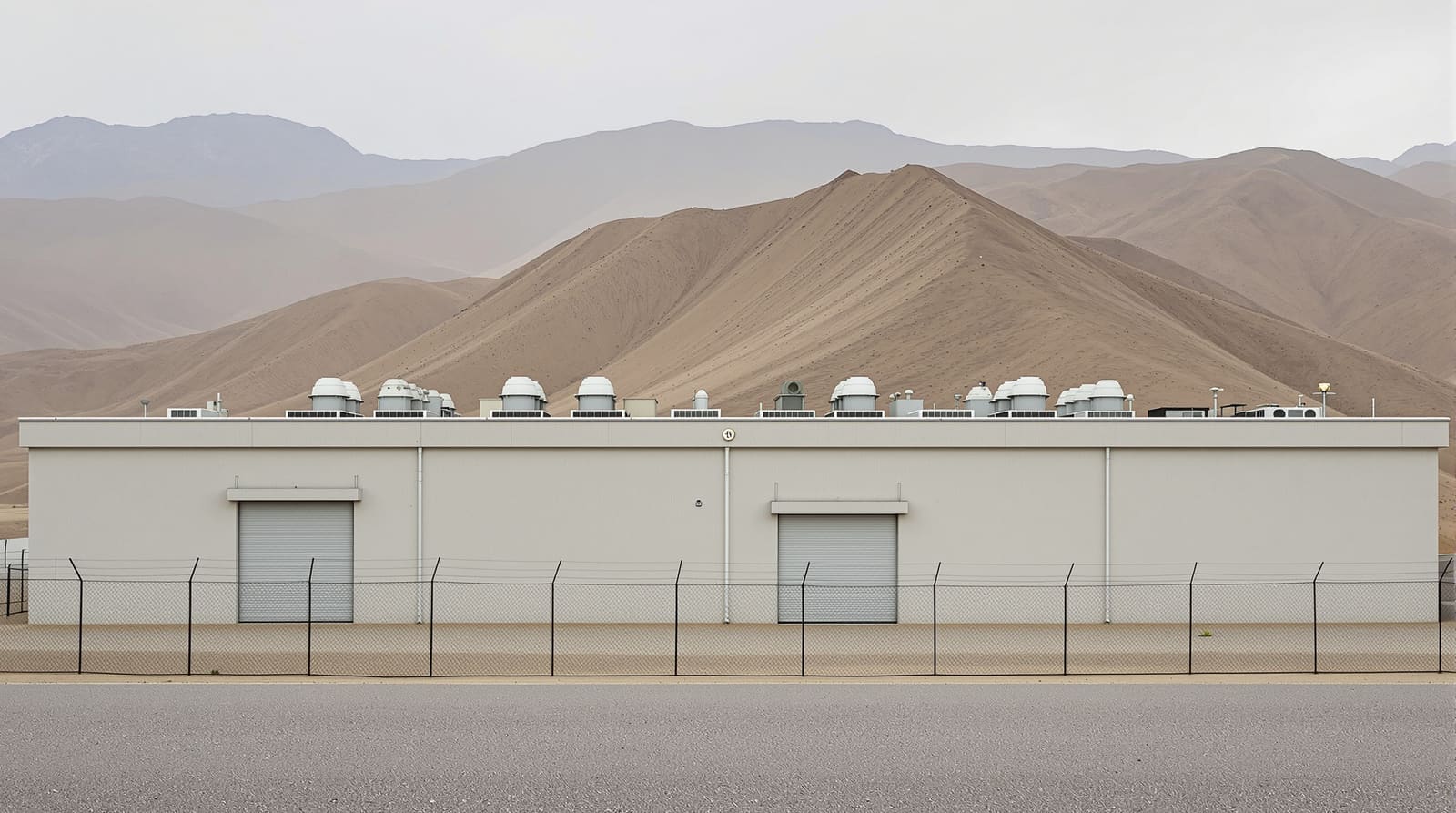
איור שנוצר בבינה מלאכותית, לא צילום של האירועים.
עדכון אחד מאז הפרסום
- Iran's Foreign Ministry spokesman called US chemical weapons claims fraudulent and compared them to the 2003 Iraq war case.
הכתבה הזאת מתעדכנת בזמן שהאירוע מתפתח. הטקסט המוקדם נשמר מתחת לעדכונים ולא נכתב מחדש, כך שמה שהעמוד אמר בכל שלב עדיין נמצא בו.
הכתבה המלאה עדיין לא נכתבה בעברית, ולכן היא מובאת כאן באנגלית.
Update, 20 November, 00:07 Israel time
Iran's Foreign Ministry spokesman has sharpened Tehran's rejection of the American accusations, describing them as fraudulent and likening them to the case made for the 2003 war in Iraq. The Jerusalem Post reported that Iran accused the United States of following what it called the fraudulent script of the Iraq war with its claims about chemical weapons. The paper identified the Foreign Ministry spokesman as Esmaeil Baghaei.
The Times of Israel also reported that the spokesman described the chemical weapons allegations as fraudulent.
The comparison refers to the US-led invasion of Iraq in 2003, which Washington justified in part by allegations about weapons of mass destruction. The reports available to Israel.com consist of headlines and a photo caption, and do not give the full text of the spokesman's remarks or say whether he addressed biological weapons as well as chemical ones. Neither report includes a response from the Trump administration or the Israeli government.
The story as first reported
Iran has rejected accusations that it is developing chemical and biological weapons. According to a Ynet news alert, Iran said it has no biological or chemical weapons and complained that the accusations against it keep changing. N12's foreign desk reported that the spokesperson for Iran's Foreign Ministry, writing on X, said American claims that Tehran is building such weapons are intended to spread fear and to provide a justification for military action.
The denial came on the same day that Ynet published an assessment arguing that the chemical and biological threat from Iran does not, for the moment, require a strike. The piece said that in Israel there is hope that information handed over by the head of the Mossad will spur the US administration to act, but that President Donald Trump currently has enough grounds to judge that time is on his side.
השבוע בישראל בחמש ידיעות, בכל יום שישי
מקורות ובדיקה של מערכת Israel.com, עם זמני השבת. חינם, ואפשר להפסיק בלחיצה אחת.
רשימה אחת, הסרה בלחיצה. הפרטים במדיניות הפרטיות שלנו.
What the Ynet assessment says about the threat
The Ynet article is an analysis rather than an official statement, and its conclusions are those of the outlet. Its central argument is that Iran is far from being able to deliver a non-conventional warfare agent, meaning a chemical or biological weapon rather than conventional explosives, over long distances. In Ynet's view, a long time will pass before Iran acquires that capability.
The assessment also describes a second, separate scenario in which Iran might attempt to use such weapons. Ynet did not set out the details of that scenario in the material available, but said it would take time to carry out and would come with many warning signs. The implication drawn in the piece is that any such move would be visible in advance, which supports its view that there is no immediate need for military action on these grounds.
The role of the Mossad
The Mossad is Israel's foreign intelligence agency, responsible for intelligence gathering and covert operations abroad. Its director reports directly to the prime minister. According to Ynet, the head of the agency passed information to the US administration, and Israeli officials hope it will push Washington toward action. The report does not specify what the information contained, when it was delivered, or to whom in the administration it was given.

איור
Ynet framed the question as one of timing in Washington. Its assessment was that, for now, Trump has sufficient reasons to believe that waiting works in his favour. The piece did not attribute that view to any named US official, and no statement from the White House is included in the reports.
Iran's response
Two separate Iranian messages appear in the reporting. The first, carried in the Ynet alert, is a flat denial: Iran says it does not possess biological or chemical weapons, and it accuses its critics of shifting their claims over time. The second, reported by N12, comes from the Foreign Ministry spokesperson and goes further, arguing that the accusations are a pretext. In the spokesperson's account, the purpose of the American claims is to frighten the public and to lay the groundwork for a military operation against Iran.
N12 described the accusations being answered as American. The Ynet assessment, for its part, discusses information supplied to Washington by the Mossad. The reports do not state whether the US accusations Iran responded to are based on that Israeli information, and this article does not draw that connection.
Why chemical and biological weapons matter here
International debate over Iran has long centred on its nuclear programme and its missiles. Allegations about chemical and biological weapons add a different category of concern, since such agents can cause mass casualties without nuclear material. The Ynet analysis treats delivery range as the key limiting factor: without a means of carrying these agents over long distances, its assessment is that the threat to Israel remains a matter for the longer term rather than an immediate trigger for a strike.
For readers following the relationship between Israel and the United States on Iran, the reporting points to a familiar pattern in which Israeli intelligence is shared with Washington and Israel hopes it will shape American decisions, while the final call rests with the US president.
What the reports do not say
None of the reports describes the content of the information the Mossad head reportedly gave the US administration, or the evidence behind the American accusations. There is no public response from the Trump administration or from the Israeli government in the material. The Iranian denial is not accompanied by any offer of inspection or verification, and the reports do not say whether any international body has been asked to examine the claims.
להמשך קריאה
למדור ביטחון →

מקורות וקריאה נוספת
פתחנו ובדקנו כל קישור כאן בזמן כתיבת העמוד. הודעות רשמיות מסומנות ככאלה: זו הגרסה של הגורם עצמו, לא גרסה עצמאית.
- כתבותyediothynet.co.ilYnet
- כתבותyediotht.meYnet alerts
- כתבותkeshett.meN12
- כתבותtoitimesofisrael.comThe Times of Israel
- כתבותjpostjpost.comThe Jerusalem Post
איך בדקנו את זה
Iran's denial and the spokesman's description of the claims as fraudulent are reported by several outlets, including Ynet, N12, The Jerusalem Post and The Times of Israel. The view that no strike is currently needed is Ynet's own assessment, and the Mossad handover is reported by Ynet alone.
מדיניות המקורות והתיקונים שלנו →השבוע בישראל, במייל אחד
הכתבות החשובות, עם מקורות ואחרי בדיקה של מערכת Israel.com. חינם, פעם בשבוע, ואפשר להפסיק בלחיצה אחת.
רשימה אחת, הסרה בלחיצה. הפרטים במדיניות הפרטיות שלנו.
הכתבות האחרונות

איור

איור

איור

איור
איור
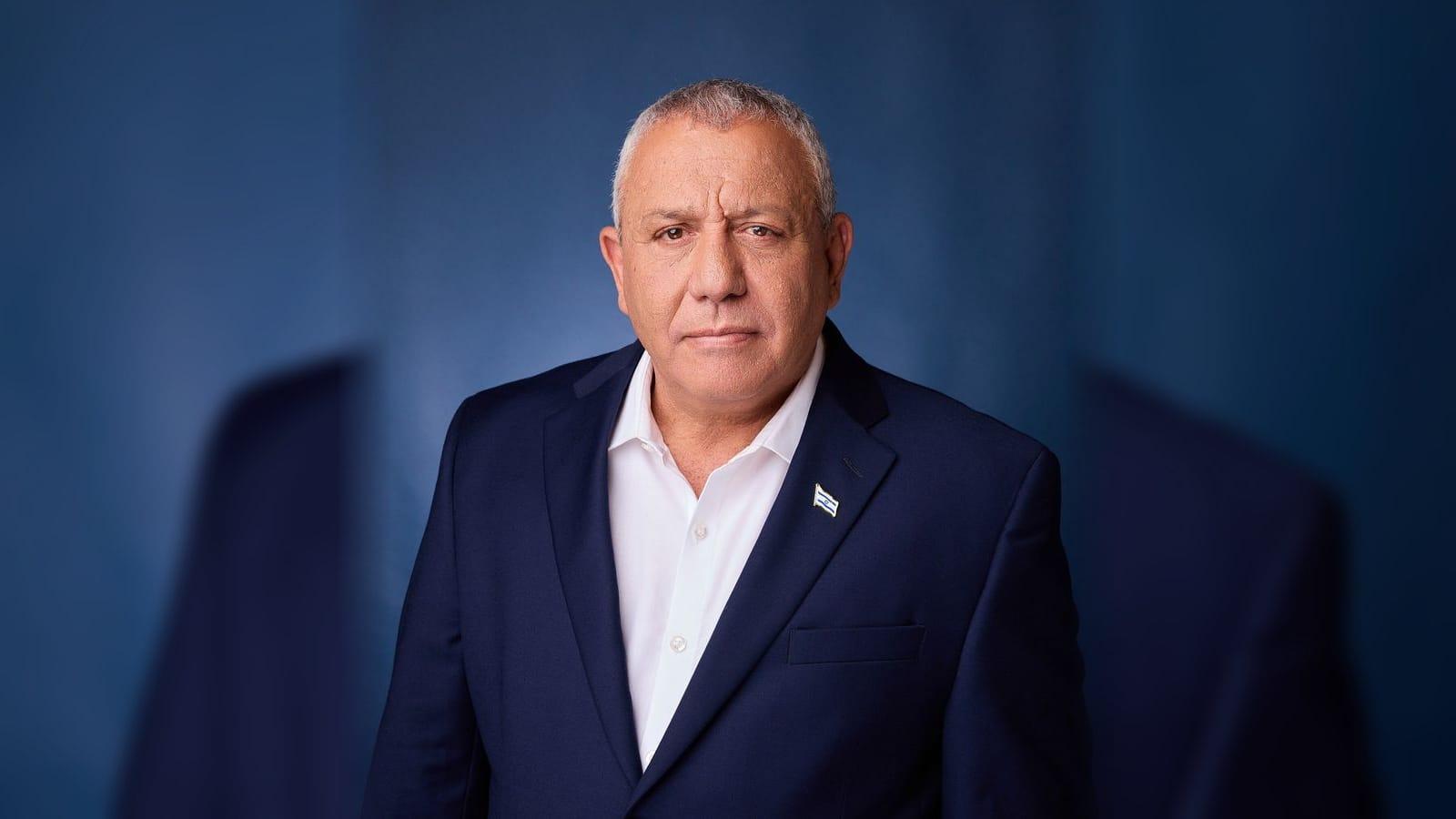
צילום ארכיון