Search and Rescue (Home Front Command)חילוץ והצלה (פיקוד העורף)
How to get into Search and Rescue (Home Front Command), and what its training looks like
The Home Front Command's rescue battalions, which pull people out of collapsed buildings in Israel and abroad and also carry out routine operations in Judea and Samaria.
Profile 72+about 5.5 monthsMen and womenOrange
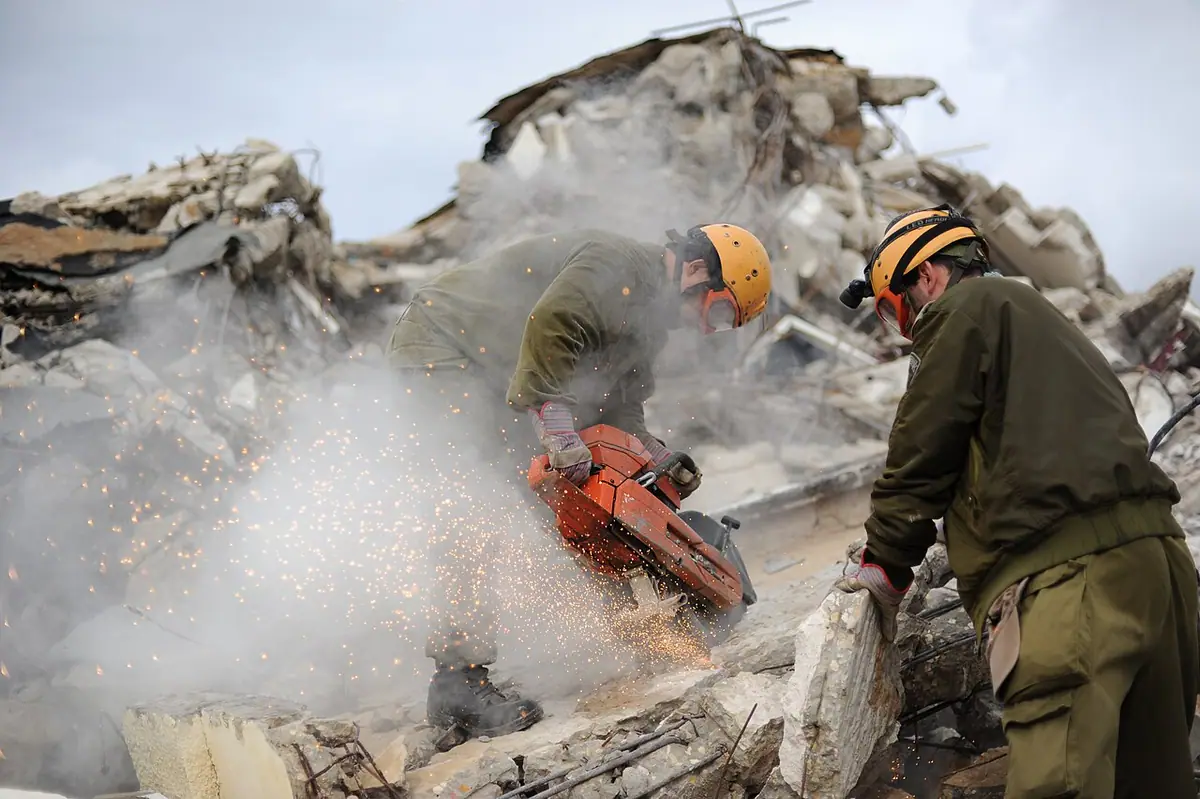
Search and Rescue (Home Front Command) asks for a medical profile of 72 and up and a Hebrew score of 5.
The medical profile runs from 21 to 97.
The Hebrew score runs from 1 to 9.
- Open to
- Men and women
- Medical profile
- 72 and up
- Hebrew score
- 5
- Training
- about 5.5 months
- Where it serves
- Training at Nebi Musa or Zikim; collapsed buildings in emergencies, in Israel and abroad.
There are four battalions, Shahar, Kedem, Tavor and Ram, with a fifth planned. The IDF describes the corps as certified for rescue and mass-casualty events.
Fighters do 10 weeks of basic training to Rifleman 05 at the Home Front Command's training base and 14 weeks of advanced training, to the level of Rescuer 07. Women join through the women fighters' screening; men are assigned without one.
The way into Search and Rescue (Home Front Command) runs through 3 steps.
- 1A first call-up with profile 72 or higher.
- 2For women: the women fighters' screening.
- 3For men: rating the role in the questionnaire; there is no screening.
Training at Search and Rescue (Home Front Command) lasts about 5.5 months.
- Basic training to Rifleman 05, 10 weeks
- Advanced training to Rescuer 07, 14 weeks
The IDF's guides say what to train for before the screening.
A combat corps such as armour or artillery asks for profile 72 and a body mass index between 17 and 35. Steady running and the IDF's strength routine two or three times a week are the base.
- AerobicSun
- StrengthMon
- AerobicTue
- StrengthWed
- AerobicThu
- RestFri
- RestSat
An example week at the lowest the IDF's guide suggests: 3 aerobic sessions and 2 of strength, the kind changing from day to day.
The full guide to preparing: profile, Dapar, Yom Sayarot and a training routine
The role has its own page on the IDF's site for future soldiers.
- Search and rescue combat soldier (Home Front Command)Home Front Command
Units to read about alongside Search and Rescue (Home Front Command).
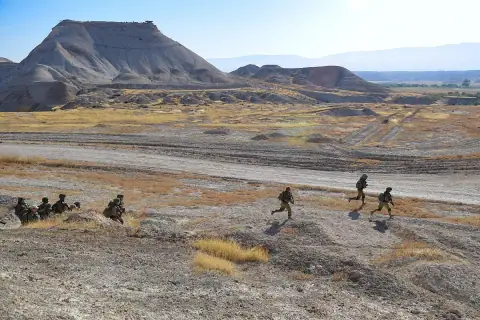 Border Defense Infantryחי״ר גבולותMixed battalions of men and women that guard Israel's borders: Bardelas, Caracal, the Lions of the Jordan, Lavi HaBika and Panther.Profile 72+about 6.5 monthsMen and womenYellow camouflage
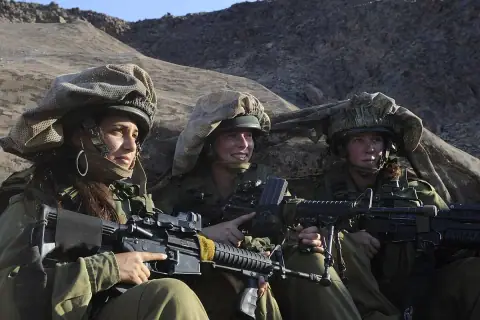 Combat Intelligence Collection Corpsחיל האיסוף הקרביThe corps whose fighters watch the borders and gather intelligence in the field, in battalions open to men and women.Profile 82+about 8 monthsMen and womenYellow camouflage
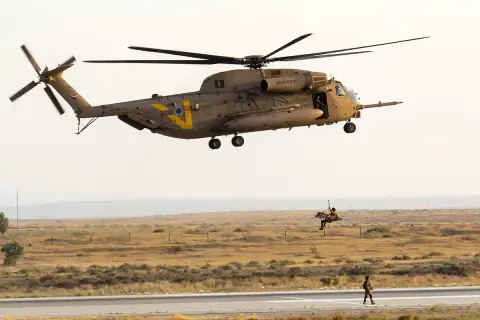 Unit 669יחידה 669The Air Force's combat search and rescue unit. It brings out the wounded under fire and behind enemy lines, at sea, in the air and on land.Profile 97+about 18 monthsMenDark grey
Frequently asked questions
What does Search and Rescue (Home Front Command) ask for?
The IDF's page asks for a profile of 72 and up and a Hebrew score of 5.
How do you get into Search and Rescue (Home Front Command)?
A first call-up with profile 72 or higher. For women: the women fighters' screening. For men: rating the role in the questionnaire; there is no screening.
How long is training at Search and Rescue (Home Front Command)?
About 5.5 months: Basic training to Rifleman 05, 10 weeks; Advanced training to Rescuer 07, 14 weeks.
Can women serve in Search and Rescue (Home Front Command)?
Yes. The IDF's page opens the role to men and women.
This page was written from the IDF's pages for future soldiers, read on 6 November 2026.
- The IDF's page for the role: Search and rescue combat soldier (Home Front Command)
- Preparing the body for Yom Sayarot
- Try-outs
- The medical profile
The requirements and screenings change from time to time, and the IDF's page for each role is the one that counts.
Photo credits
- Israel Defense Forces, CC BY-SA 3.0, via Wikimedia Commons
- IDF Spokesperson's Unit photographer, CC BY-SA 3.0, via Wikimedia Commons
- Israel Defense Forces, CC BY-SA 2.0, via Wikimedia Commons
- Oren Rozen, CC BY-SA 4.0, via Wikimedia Commons