Bennett keeps minority government option open, prefers Eisenkot-led unity
Naftali Bennett said he strongly favours a broad Zionist unity government headed by Gadi Eisenkot, but would accept a weaker alternative if that fails.
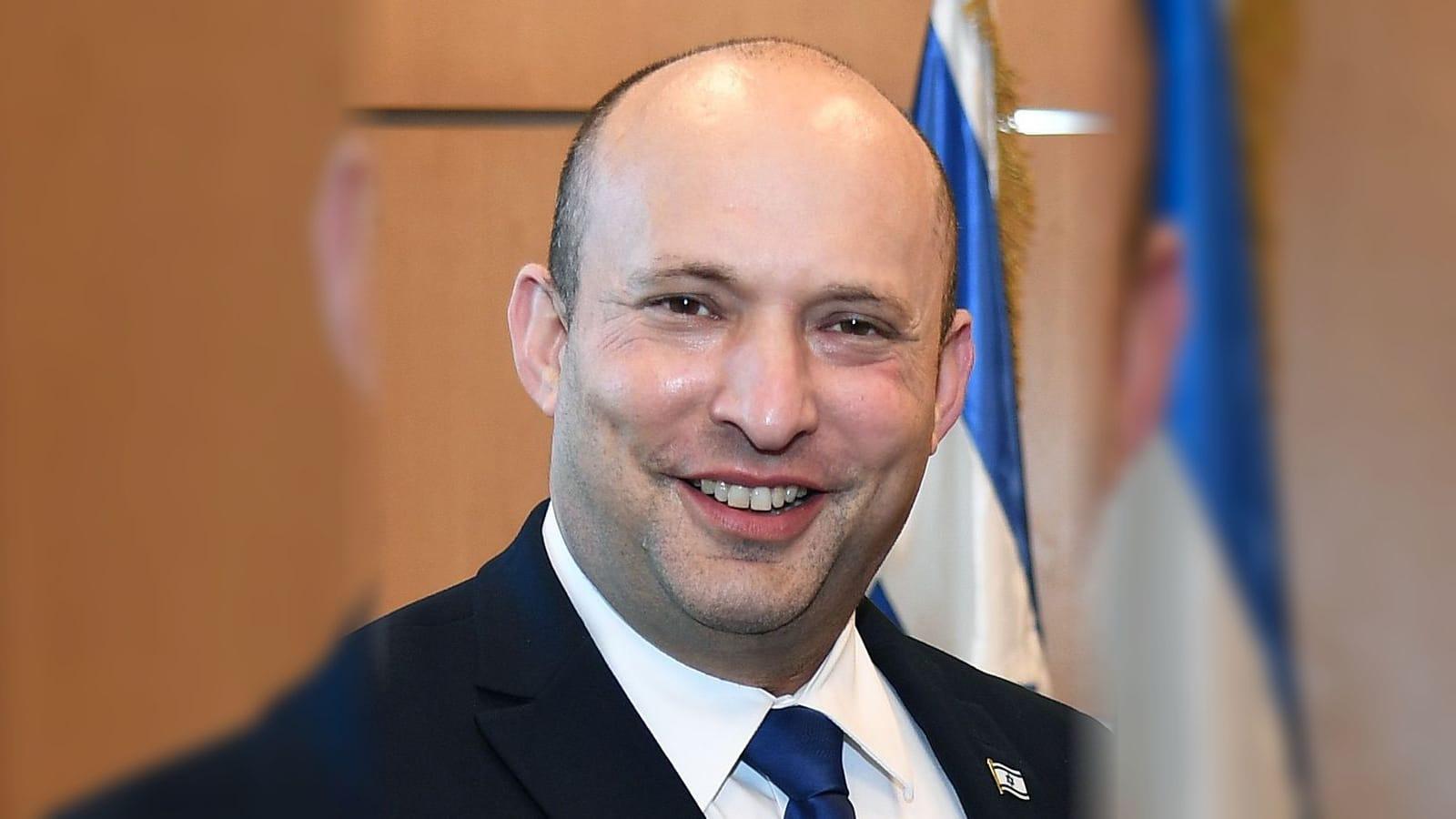
Naftali Bennett. File photo by U.S. Embassy Jerusalem, CC BY 2.0, via Wikimedia Commons.
Naftali Bennett, the former Israeli prime minister who now chairs a party Ynet calls Beyachad (Hebrew for "together"), has declined to rule out forming a minority government, while repeating that his first choice is a broad unity coalition. Ynet reported that Bennett stressed again that he would "very much prefer" a unity government, but wrote that if one cannot be formed, he will move forward with a "less good alternative".
Kan News, Israel's public broadcaster, reported on X that Bennett said he wants, first of all, a Zionist unity government led by Gadi Eisenkot, and that it would be better for all of Israel's Zionist forces to take part. Kan carried the same fallback line: if that cannot happen, he will pursue a less preferable option. Neither report spells out what that alternative would look like, although Ynet framed Bennett's message as leaving the door open to a minority government.
What the sources posted


בנט: מעדיף ממשלת אחדות ציונית בראשות איזנקוט תחילה. עדיף שכל הכוחות הציוניים ישראל ישתתפו. אם זה לא יתאפשר - נתקדם בחלופה פחות טובה @diklaaharon @glick_sh
Who the figures are
Bennett led Israel's government earlier in his career and has since returned to front-line politics at the head of his own party. Gadi Eisenkot is a former chief of staff of the Israel Defense Forces (IDF) who moved into politics after leaving the military. Bennett's reported preference for a government headed by Eisenkot, rather than by himself, is the detail in the Kan report that stands out; Ynet's summary does not mention Eisenkot by name.
What a minority government means in Israel
Israeli governments need the confidence of the Knesset, the country's parliament. Usually that means assembling a coalition that holds a majority of seats. A minority government is one whose coalition partners do not control a majority on their own, and which instead survives because some parties outside the coalition agree not to vote it down, or to support it on specific votes. Such an arrangement tends to be less stable, which helps explain why Bennett describes it as second best.
The phrase "Zionist unity government" is commonly used in Israeli politics to describe a coalition drawn from parties that identify with Zionism, typically across the centre, left and right, without relying on Arab parties or, in some uses, on the ultra-Orthodox parties. The reports do not define which parties Bennett has in mind.
Get an email the day Israel has a new government.
Coalition talks can take weeks. When a government is sworn in, Israel.com's newsroom emails who leads it, which parties are in and who got which ministry, then the Friday email each week. Free, and one click unsubscribes.
One list, unsubscribe in a click. See our privacy policy.
The ultra-Orthodox angle
Ynet paired Bennett's comments with a second development involving the Lithuanian, or non-Hasidic, stream of ultra-Orthodox (Haredi) Jewry. According to Ynet, Rabbi Landau, whom it describes as the leader of the Lithuanian Haredi public, met a Knesset member from United Torah Judaism, the alliance of ultra-Orthodox parties that represents much of that community in parliament.
Ynet's summary says the meeting included a hint at a government that would involve Arab parties, and that one participant told the other that "this week" is decisive, or fateful. The short summary available does not make entirely clear which of the two made the hint and which made the remark about the week ahead, and we have not attempted to resolve that.
File photo
Next story Government
Bennett delays coalition talks with Eisenkot, seeks Haredi draft plan
Taken together, the two items suggest that coalition building is under way and that several possible configurations are being discussed openly. The reports, however, do not describe the state of any negotiations directly.
How the two reports compare
Both organisations agree on the core of Bennett's message: a strong preference for a unity government and a willingness to accept a lesser option if that proves impossible. Kan's version adds that the unity government would be led by Eisenkot and that Bennett wants all Zionist forces involved. Ynet's version adds the explicit framing that a minority government is not ruled out, and links the story to the meeting involving Rabbi Landau. Ynet says Bennett made his remarks in writing; Kan does not say how they were delivered.
What the reports do not say
Neither report says what Bennett's "less good alternative" would consist of, which parties would make up or support a minority government, or whether Eisenkot has responded to the idea of leading a unity government. Ynet's summary does not name the United Torah Judaism lawmaker, give Rabbi Landau's full name, or explain what decision the remark about a fateful week refers to. No response from other parties has been reported.
People in this story: Naftali Bennett, Gadi Eisenkot
Read next
All elections →
File photo
Government
Bennett rules out joining Netanyahu bloc, backs Eisenkot-led unity government
File photo
Security
Ben Gvir widens attack on Mansour Abbas Hamas move to Eisenkot and Bennett
File photo
Government
Eisenkot's draft cabinet: Lieberman at defence, Bennett at finance
File photo
Elections
Netanyahu tells Bennett, Eisenkot and Liberman Israel faces a historic crossroads
See Israel.com first in Google's top stories.Add it as a preferred source on Google
Sources and further reading
Every link below was opened and checked when this page was written. Official statements are marked as such: they are the subject's own account, not an independent one.
- Reportingyediothynet.co.ilYnet
- Reportingkanx.comKan News on X
How we checked this
Bennett's preference for a unity government and his fallback position were reported by both Ynet and Kan News. The Eisenkot leadership detail comes only from Kan, and the Rabbi Landau meeting only from Ynet.
Our sourcing and corrections policy →The week from Israel, in one email
The stories that mattered, sourced and checked by the Israel.com newsroom. Free, weekly, one-click unsubscribe.
One list, unsubscribe in a click. See our privacy policy.

Israel.com is free, and readers like you keep it that way.
The Israel.com newsroom checks every story against its sources and publishes it free. If this one helped, a contribution of any size keeps the next one free too.
One payment, nothing to sign up for. Another amountGive monthly
Latest

Illustration
File photo
File photo

Illustration

Illustration
File photo