Fiber optic cable cut disrupts flights across the US East Coast
A severed fiber optic cable and a circuit failure disrupted air traffic at major East Coast airports, with ground stops declared in New York, Boston and Philadelphia.
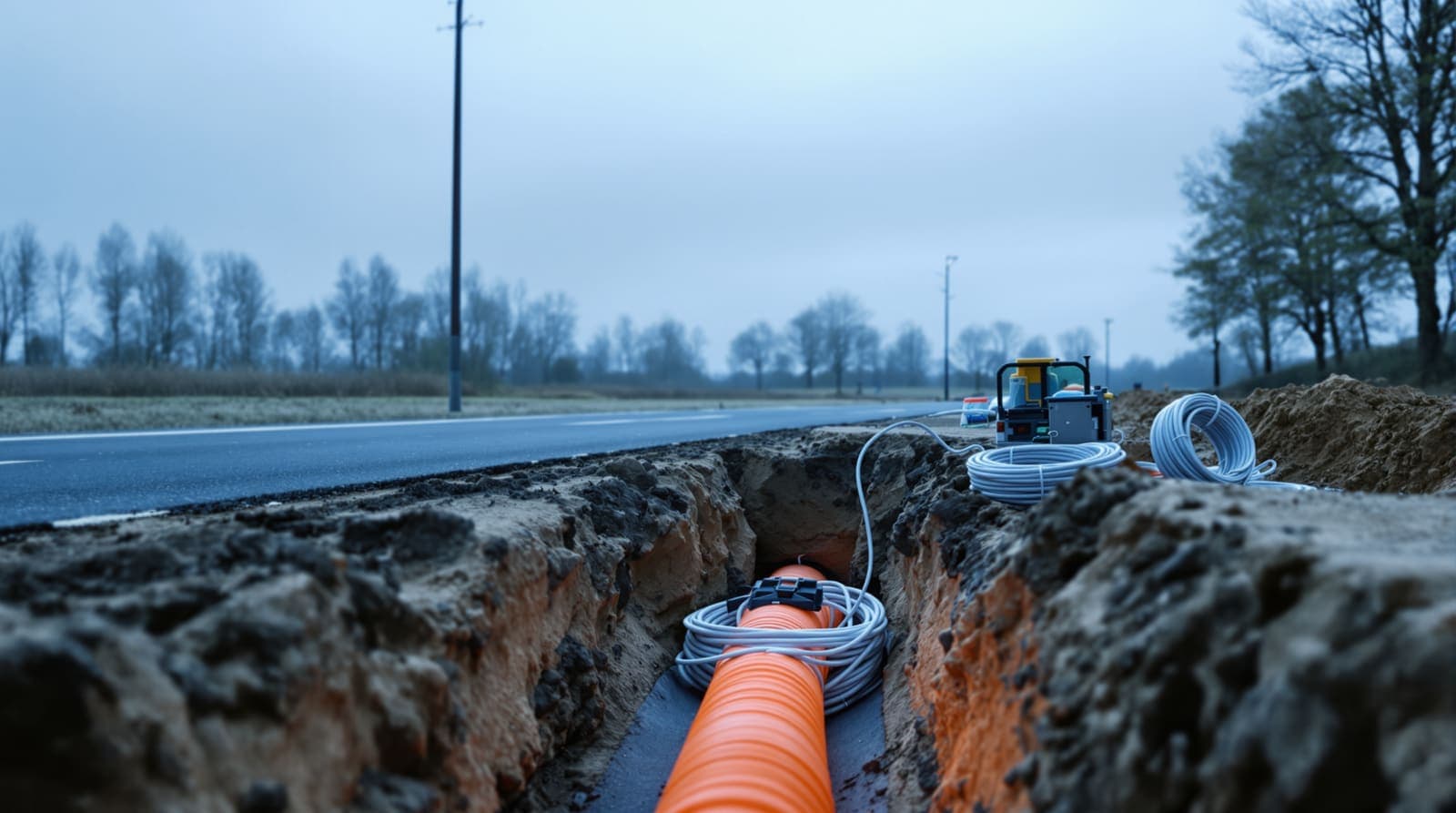
Illustration
Air travel along the eastern United States was disrupted after a fiber optic cable was damaged, leaving flights delayed and cancelled at some of the country's busiest airports. Ynet reported that the fault affected airports in the eastern United States, with hundreds of flights delayed or cancelled.
Hebrew broadcaster N12's foreign desk reported that the disconnection of a fiber optic cable disrupted thousands of flights over the course of the day, and that a stop on incoming flights was declared at major airports in New York, Boston and Philadelphia. The Jerusalem Post reported that the groundings were triggered by a fiber cut together with a circuit failure, and that the disruption coincided with the United Nations General Assembly.
What a ground stop means
A ground stop is an instruction that holds aircraft bound for a particular airport on the ground at their departure points, rather than allowing them to take off and then circle or divert. It is the standard tool air traffic controllers use when an airport or a control facility cannot safely handle the volume of arrivals, whether because of weather, staffing or, as reported here, a technical failure in communications infrastructure. The effect spreads quickly: aircraft and crews that are held in one city are then out of position for their next flights, which is how a single fault can produce cancellations far from the airports directly affected.
Why these airports matter
New York, Boston and Philadelphia sit on one of the densest air corridors in the world. The New York area alone is served by several large airports, and traffic bound for them is coordinated with flights into neighbouring cities along the northeastern seaboard. Because so many transatlantic and domestic connections route through this corridor, disruption there is felt by passengers well outside the United States, including travellers flying between Israel and North America, whose itineraries frequently connect through East Coast hubs.
Fiber optic cables and air traffic control
Modern air traffic management depends on data links between radar sites, control centres and towers. Much of that traffic runs over fiber optic cable, which carries information as pulses of light through glass strands. A cut cable can therefore interrupt the flow of surveillance and communications data between facilities even when no aircraft, runway or navigation aid is physically affected. The Jerusalem Post's account refers to a circuit failure alongside the cable cut, indicating that more than one element of the network was involved, though the reports available do not describe how the two were connected.
The General Assembly context
The disruption came as the United Nations General Assembly was meeting in New York, the annual gathering that brings heads of state and government, foreign ministers and large delegations to the city. That period routinely brings additional pressure on New York's airports and airspace, including restrictions tied to the movement of official aircraft. The reports do not state that the General Assembly contributed to the fault or to the groundings; The Jerusalem Post presents it as the setting in which the groundings occurred.
Where the accounts differ
The scale of the disruption is described differently by the organisations reporting it. Ynet's alert refers to hundreds of flights delayed or cancelled, while N12 describes thousands of flights disrupted during the day. The two framings are not necessarily incompatible, since a disrupted flight is not the same as a cancelled one, but the material does not allow the figures to be reconciled, and neither organisation sets out how its count was reached.
What the reports do not say
None of the three reports identifies where the fiber optic cable was damaged, who or what damaged it, or whether the cause was accidental. They do not name the operator of the cable or the facilities affected, and they do not say whether the cable carried air traffic control data directly or served a supporting system. There is no indication in the material of when service was restored, how long the ground stops lasted, or which airlines and routes bore the largest share of the cancellations. No safety incident involving an aircraft is reported. Any official assessment of the cause remains outside what these reports contain.
Sources and further reading
Every link below was opened and checked when this page was written. Official statements are marked as such: they are the subject's own account, not an independent one.
- Reportingyediotht.meYnet alerts
- Reportingjpostjpost.comThe Jerusalem Post
- Reportingkeshett.meN12
How we checked this
The event was reported separately by Ynet, N12 and The Jerusalem Post, which agree that a fiber optic cable cut disrupted East Coast air traffic. The scale differs between reports, the additional circuit failure is attributed to The Jerusalem Post alone, and the cause of the cable damage is not established in any of them.
Our sourcing and corrections policy →The week from Israel, in one email
The stories that mattered, sourced and checked by the Israel.com newsroom. Free, weekly, one-click unsubscribe.
One list, unsubscribe in a click. See our privacy policy.
More in Transport
All transport →

Latest
- Hundreds at night funeral for Netanel Shakron, killed near Neveh Tzuf
- Magen David Adom treated 3,322 people over Yom Kippur; three died in road crashes
- US prepares sweeping sanctions to cut ICC off from dollar transactions
- CNN, Politico and MS NOW halt Trump coverage over White House access curbs
- IDF engineering vehicle hits explosive device near Gaza's Yellow Line
- IDF says two arrested in Qabatiya over attack planned for "immediate" period