Tel Aviv stocks open about 0.5% higher after global sell-off as shekel slips
Trading in Tel Aviv began with small gains after a slump on world markets, while the shekel kept weakening against both the dollar and the euro.
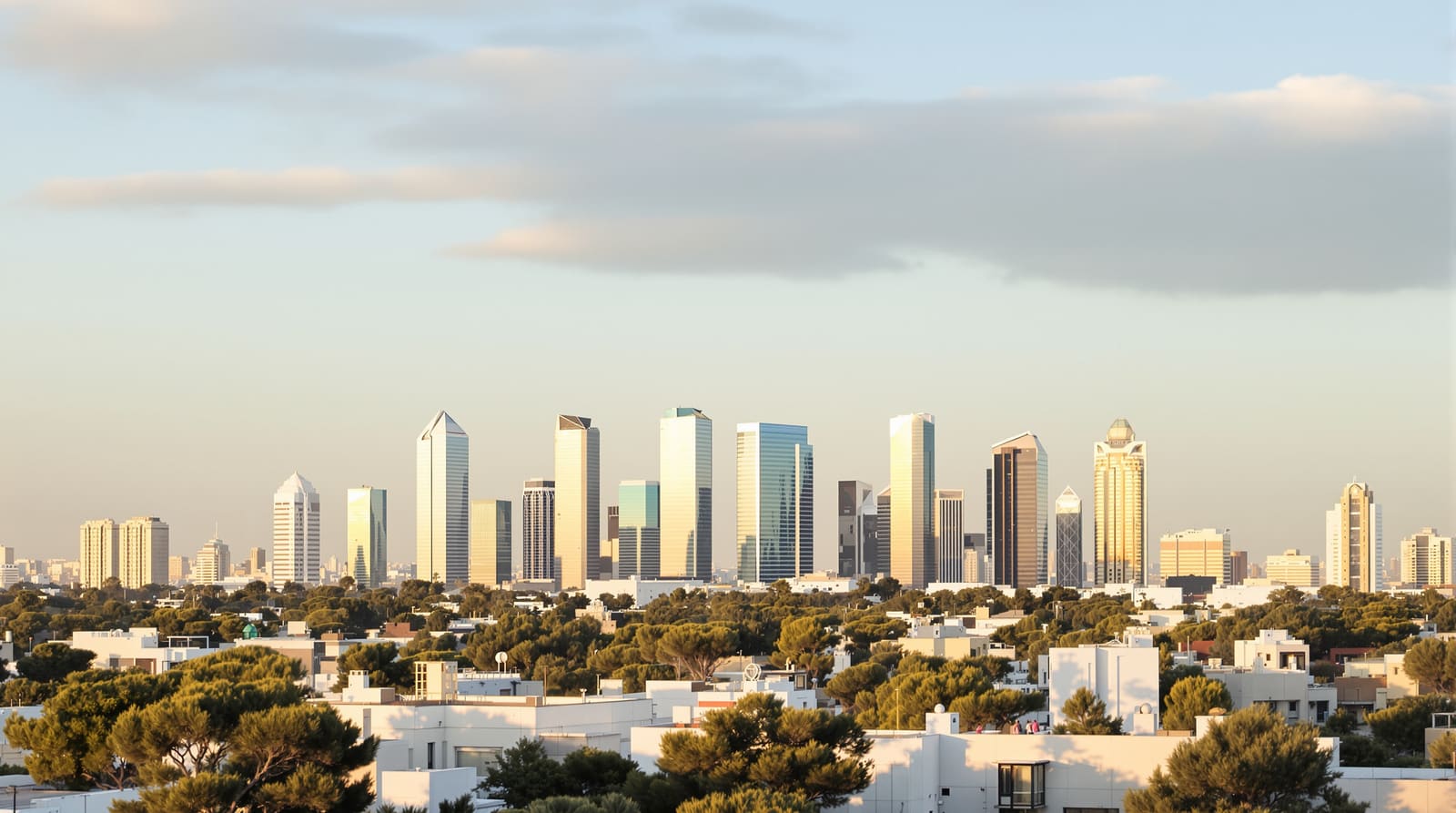
AI illustration, not a photo of the events.
Shares on the Tel Aviv Stock Exchange opened slightly higher on Friday morning, following a sharp fall on markets elsewhere in the world, according to Israeli broadcaster N12. N12's Yuval Sadeh reported that the session started with modest gains of roughly 0.5%, describing the move as coming in the wake of what Israeli media called a crash in the markets.
The local currency did not share in the calm. Sadeh reported that the shekel was continuing to lose ground, trading at a rate nearing 3.22 to the US dollar and close to 3.6 to the euro. Ynet, the news site of the Yedioth Ahronoth group, separately reported that the exchange had opened with gains after the market rout, without giving a figure.
What the Tel Aviv Stock Exchange is
The Tel Aviv Stock Exchange is Israel's national securities market, where shares in Israeli companies, government and corporate bonds and other instruments change hands. Investors abroad often watch it as a gauge of how Israel's economy is absorbing outside shocks, whether those come from regional security events or, as in this case, from turbulence on international markets.
An opening move of about half a percent is small by the standards of a day that follows a broad sell-off. The reports describe the gains as slight, and they do not suggest that the Tel Aviv market had made up any ground it may have lost earlier.
Reading the shekel figures
Exchange rates in Israel are normally quoted as the number of shekels needed to buy one unit of foreign currency. A rising number therefore means a weaker shekel: when the rate approaches 3.22 against the dollar, it takes more shekels than before to buy a dollar. The same logic applies to the euro, where the rate was reported to be nearing 3.6.
Israel's week in five stories, every Friday
Sourced and checked by the Israel.com newsroom, with Shabbat times. Free, one-click unsubscribe.
One list, unsubscribe in a click. See our privacy policy.
For readers outside Israel, a weaker shekel has practical effects. It makes imported goods and foreign travel more expensive for Israelis, while making Israeli exports cheaper abroad. For people abroad sending money to Israel, or planning a move there, a weaker shekel means foreign currency converts into more shekels. N12 said the shekel was continuing to weaken, which indicates the slide was already under way before Friday's session opened, though the report gave no earlier rate for comparison.
How the two outlets reported it
Both reports came as short breaking-news alerts on the outlets' messaging channels shortly after trading began. N12 issued several updates within seconds of each other, with the final version adding the 0.5% figure and the currency rates. Ynet's alert pointed readers to a fuller item on its website, which was not part of the material available for this report.
Next story Economy
Tel Aviv and Wall Street stocks drop sharply as the shekel weakens
The two outlets agree on the core point: Tel Aviv trading opened in positive territory after the global decline. Ynet described the opening simply as gains, while N12 characterised them as slight. The currency figures come only from N12.
What the reports do not say
Neither outlet explains what caused the global market crash, which markets were hit or how deep the losses were. The reports do not name which Tel Aviv indices or sectors rose, and they give no indication of how trading developed after the opening. There is no word on whether the Bank of Israel, the country's central bank, intends to respond to the shekel's weakness, and no explanation of what is driving the currency's decline.
More on Tel Aviv-Yafo: Places and businesses in Tel Aviv-Yafo · Shabbat times in Tel Aviv-Yafo
Read next
All economy →
Illustration
Elections
Tel Aviv shares deepen losses as TA-125 falls 3% on election results

Posted on X
Elections
Netanyahu shares nuclear blast image over Tel Aviv days before election

Illustration
Society
Thousands rally in Tel Aviv for an October 7 state inquiry as polls near

Illustration
Transport
Austrian Airlines says no danger found on diverted Tel Aviv-Vienna flight
Sources and further reading
Every link below was opened and checked when this page was written. Official statements are marked as such: they are the subject's own account, not an independent one.
- Reportingyediotht.meYnet alerts
- Reportingkeshett.meN12
- Reportingkeshett.meN12
- Reportingkeshett.meN12
- Reportingkeshett.meN12
How we checked this
The higher opening in Tel Aviv was reported by both Ynet and N12. The 0.5% figure and the shekel exchange rates come only from N12 correspondent Yuval Sadeh and have not been independently confirmed.
Our sourcing and corrections policy →The week from Israel, in one email
The stories that mattered, sourced and checked by the Israel.com newsroom. Free, weekly, one-click unsubscribe.
One list, unsubscribe in a click. See our privacy policy.

Israel.com is free, and readers like you keep it that way.
The Israel.com newsroom checks every story against its sources and publishes it free. If this one helped, a contribution of any size keeps the next one free too.
One payment, nothing to sign up for. Another amountGive monthly
Latest
- Rubio denies reports he will quit Trump administration ahead of 2028
- Herzog cites bloc vetoes despite Eisenkot's 67 nods, mandate due Sunday
- Iran sends US a nuclear proposal through Qatar, tied to seven demands
- Turkey says soldier killed by fire from Iran at Engin Mayin border post
- Rezaei says he and Putin discussed regional security and gas pipelines
- Shin Bet chief likened alleged election money to October 7, Channel 12 says