IDF chief calls for a larger army and a wider pool of those serving
At a recognition event for troops and security forces, Israel's Chief of the General Staff said the military must grow, broaden who serves and add advanced capabilities.
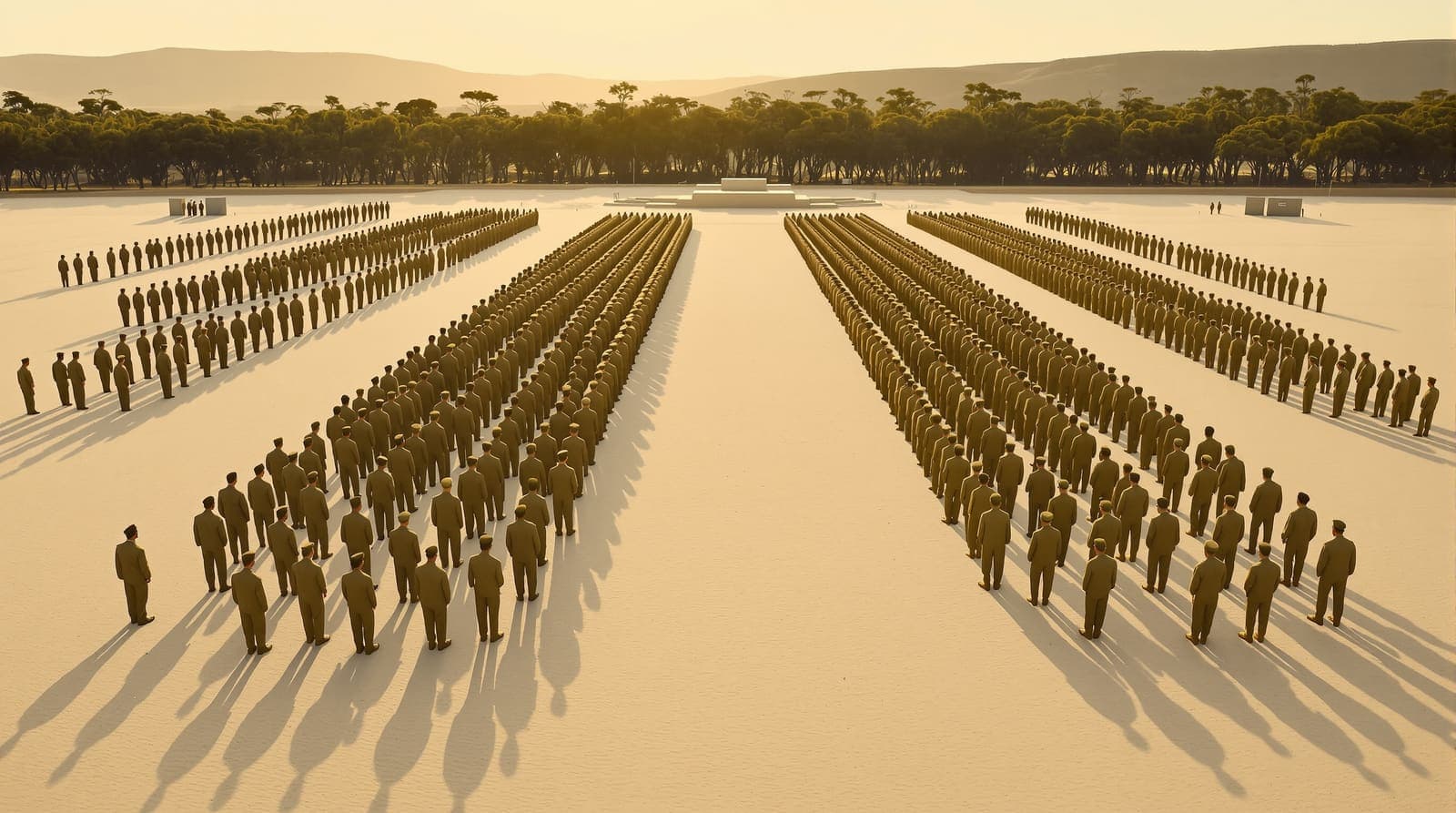
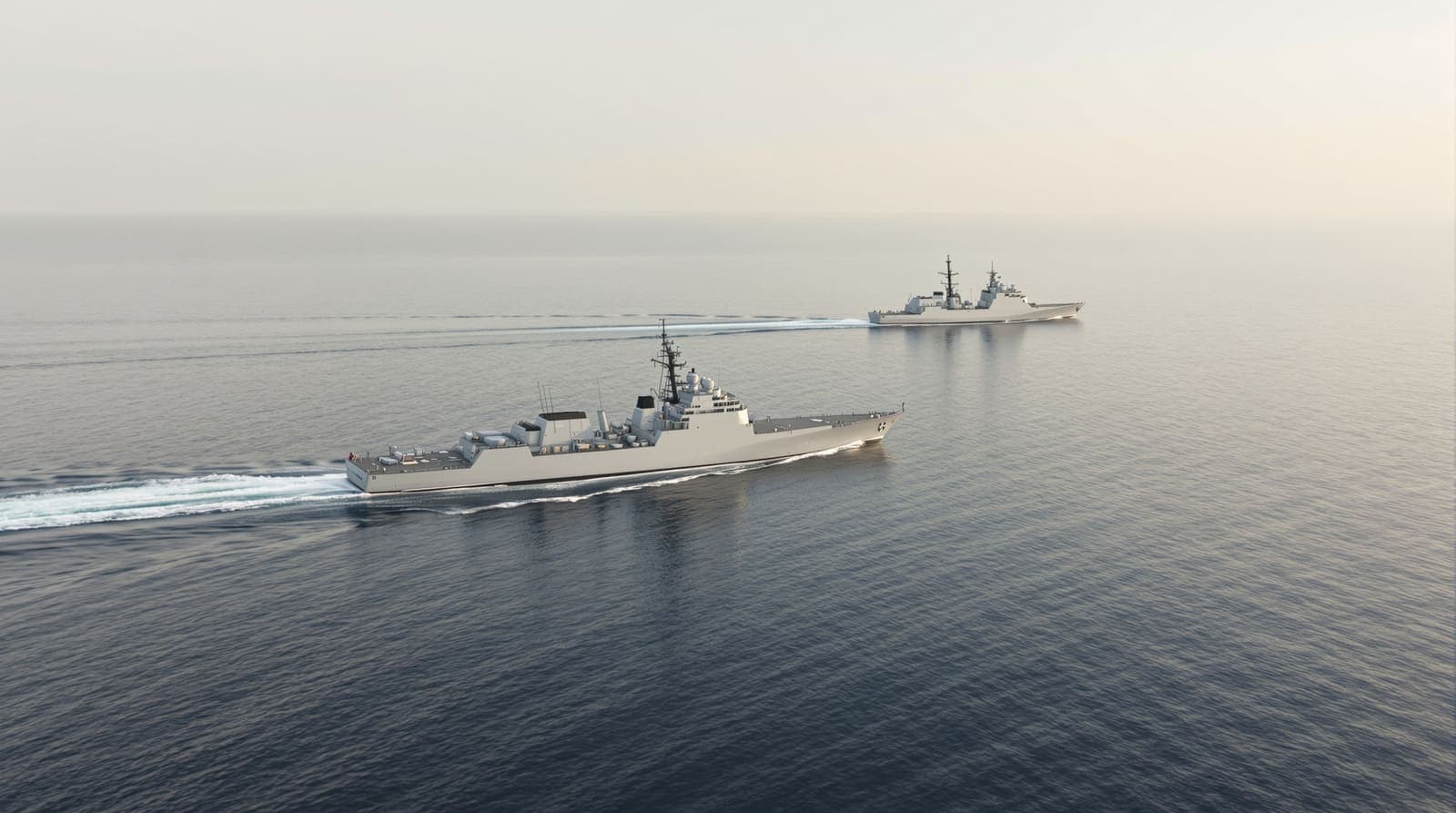
AI illustration, not a photo of the events.
Israel's Chief of the General Staff addressed a recognition event held for Israel Defense Forces troops and members of the security forces, saying he was appearing there in one capacity only: as the commander of the soldiers and officers who carry the country's security day by day. According to remarks published by the IDF spokesperson, he described himself as standing before the audience "solely as the commander of hundreds of thousands of troops and officers," in both mandatory service and the reserves, "who carry the security of the state on their shoulders every day, hour by hour."
In the same remarks he set out a requirement to enlarge the military. "We must expand the IDF, broaden the pool of those serving, and equip it with the necessary manpower and advanced capabilities to meet its expanding missions," he said, in the statement issued through the IDF spokesperson's official channel. The published text then turns to what he called the military's highest obligation, but the passage available from the spokesperson breaks off at that point and the remainder of the sentence was not included.
What the Chief of the General Staff is
The Chief of the General Staff, known in Hebrew as the Ramatkal, is the most senior uniformed officer in the Israel Defense Forces and the only officer to hold the rank of lieutenant general. The post commands the army, air force and navy together, since the IDF is a single unified force rather than separate services with separate chiefs. The holder is appointed by the government on the recommendation of the defence minister and is subordinate to the political level, which is why public addresses by the chief are read closely in Israel for what they signal about the military's own assessment of its needs.
Mandatory service and the reserves
The distinction the chief drew between troops in mandatory service and those in the reserves is central to how the Israeli military is built. Most Israeli citizens are conscripted at around the end of high school and serve a fixed term, after which many are assigned to reserve units and can be called up for training or for operational duty. The reserve system means the force the IDF can field is far larger than the standing army, but it also means that extended call-ups pull people out of civilian jobs, studies and family life, which is why the size of the serving population is a recurring subject of public argument in Israel.
Why 'broadening the pool of those serving' is a loaded phrase
The chief's call to "broaden the pool of those serving" touches one of the most contested questions in Israeli domestic politics: who is required to enlist and who is not. Conscription in Israel has never applied uniformly across the population, and the terms on which different communities serve, or are exempted, have been litigated, legislated and renegotiated repeatedly. A statement by the serving Chief of the General Staff that the military needs more people, framed as an operational requirement rather than a political preference, lands directly in that debate. The material published by the spokesperson does not name any particular community, group or piece of legislation, and it should not be read as doing so.
Israel's week in five stories, every Friday
Sourced and checked by the Israel.com newsroom, with Shabbat times. Free, one-click unsubscribe.
One list, unsubscribe in a click. See our privacy policy.
What a recognition event is
Ceremonies of this kind are a standard fixture in Israeli military life: units, commanders and individual soldiers are publicly acknowledged for service or for specific operational conduct, often in the presence of senior officers. The published remarks identify the audience as IDF troops and security forces, a formulation that in Israeli usage can take in police, border police and other services alongside the army, without specifying which bodies were represented in this case.
What the report does not say
The material available here is a single short statement distributed by the IDF spokesperson, and it leaves a great deal open. It does not give the location of the event, the identity of the units or individuals being recognised, or who else spoke. It does not name the Chief of the General Staff in the text quoted. It does not say what the "expanding missions" he referred to are, nor which capabilities he considers necessary, nor over what period he expects the force to grow. The sentence describing the military's highest obligation is cut off mid-thought in the published excerpt, so the obligation itself is not stated.
Nor is there any indication in the material of a response from the government, the defence ministry or any political party, and no second organisation's account of the event is available to compare against the spokesperson's own text. Everything above that is attributed to the chief rests on that one official publication. Israel.com has not independently confirmed the wording or the setting, and readers should treat the quotes as the military's own release rather than as an account verified by a second party.
Read next
All security →
Illustration
Security
IDF says about 220,000 dunams of West Bank olives harvested so far
Illustration
Security
Troops detain Palestinian suspected of planning imminent attack in Binyamin area
Illustration
Security
IDF says Gaza strikes killed two men who moved Iranian and Turkish money to Hamas
Illustration
Security
Israeli and Greek navies practise sinking a hostile vessel in joint drill
Sources and further reading
Every link below was opened and checked when this page was written. Official statements are marked as such: they are the subject's own account, not an independent one.
- Officialidft.meIDF spokesperson
How we checked this
The quotes and the description of the event come solely from a statement published by the IDF spokesperson's official channel; no second organisation's account was available, and Israel.com has not independently verified the setting or the full text, which breaks off mid-sentence.
Our sourcing and corrections policy →
The week from Israel, in one email
The stories that mattered, sourced and checked by the Israel.com newsroom. Free, weekly, one-click unsubscribe.
One list, unsubscribe in a click. See our privacy policy.
Latest
- Soldiers killed near Hebron named and buried as army operation goes on
- Truck driver arrested after fatal crash on Route 465 near Aboud
- Man of about 25 shot dead in Yafia, near Nazareth, during a taxi ride
- Kinneret Drops Another 4.0 cm to -213.715 m, Sitting 0.72 m Below the Lower Red Line
- IDF bars Palestinian workers from settlements and closes crossings for election day
- Man and woman killed in two-car collision near Sde Eliyahu, three hurt