IDF strikes Hezbollah weapons store in Sejoud area of southern Lebanon
The Israeli military says the site held arms used against its soldiers in the southern Lebanon security zone, and that it struck to remove the threat.
Illustration
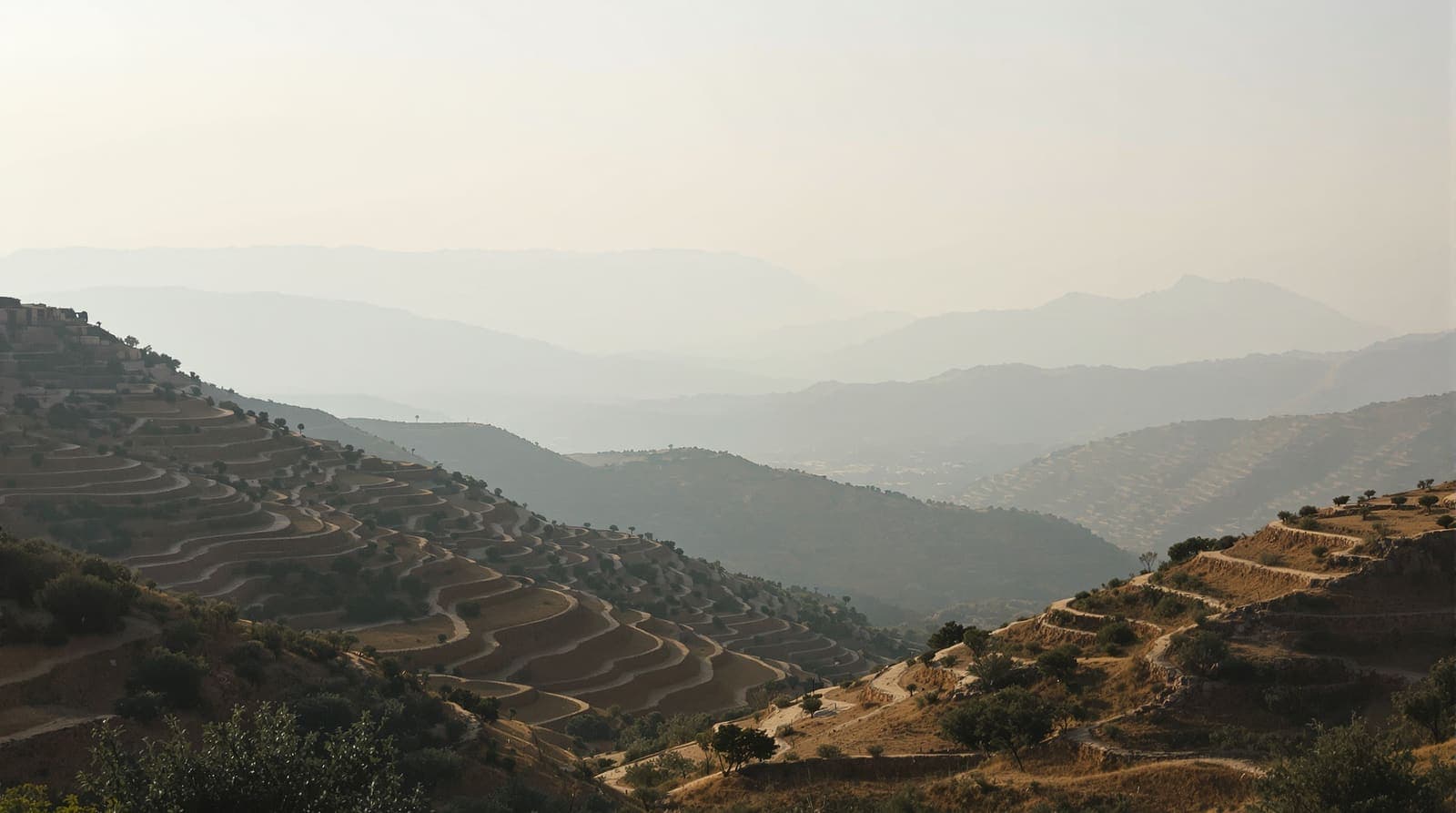
The Israel Defense Forces (IDF), Israel's military, said on Saturday that it had struck a facility used by Hezbollah to store weapons in the Sejoud area of southern Lebanon. According to the IDF spokesperson, the strike took place earlier in the day and was aimed at weapons that had been used against Israeli troops in what the military calls the Security Zone.
The military framed the action as defensive, saying it acted to "remove a threat" to its forces. The Times of Israel reported that the army also warned that force used from Lebanese territory against Israeli civilians or soldiers would be "met with a decisive response," while stressing its continued commitment to the Israel-Lebanon agreement.
What the sources posted

🎯STRUCK: A weapons storage facility belonging to Hezbollah in the Sejoud area of southern Lebanon. The facility stored weapons that were used to target IDF soldiers operating in the Security Zone, and was struck to remove the threat it posed. Show more

The IDF says it struck a Hezbollah weapons cache in southern Lebanon earlier today, to "remove a threat" to Israeli troops. The site in the Sejoud area was used by Hezbollah to store various weapons used to target IDF soldiers operating in the southern Lebanon security zone, the Show more
What the military says it hit
The IDF described the target as a weapons storage facility belonging to Hezbollah. In a post on X, the military said the site held weapons that had been used to target soldiers operating in the Security Zone, and that it was hit to eliminate the danger it posed. Times of Israel military correspondent Emanuel Fabian relayed the same account, describing the site as a cache holding a variety of weapons. Joe Truzman of the Foundation for Defense of Democracies (FDD), a Washington research institute, and the Hebrew-language outlets Ynet and N12 also carried the military's statement.
The statement did not describe the type of weapons stored, the method of the strike, or when the weapons at the site had last been used against troops.
An additional account of airstrikes
One report adds detail beyond the IDF statement. Abu Ali Express, a Hebrew-language Telegram channel that follows Arab affairs, reported that Israeli fighter jets carried out several strikes on Saturday morning in the area of Sejoud and Jabal al-Rafi'a in southern Lebanon. The IDF statement refers to a single facility and does not mention multiple strikes or aircraft, so it is not clear from the material whether the channel is describing the same strike, additional strikes, or both. That account rests on the channel alone.
Who Hezbollah is
Hezbollah is a Lebanese Shiite armed group and political movement backed by Iran. Israel, which refers to it as a terrorist organisation, has fought repeated rounds of conflict with it along the border between the two countries. Israeli strikes on Hezbollah weapons sites in southern Lebanon are a recurring feature of that confrontation, and the IDF routinely publishes short statements naming the location and its stated reason for each strike, as it did here.
The Security Zone and the Israel-Lebanon agreement
The IDF uses the term Security Zone for an area of southern Lebanon where its soldiers are operating. Fabian's reporting refers to it as the southern Lebanon security zone. The statements in the material do not define its boundaries or say how many troops are deployed there.
The military's mention of the Israel-Lebanon agreement indicates that it presents strikes of this kind as consistent with that arrangement, on the grounds that they respond to threats against its forces. The reports do not set out the terms of the agreement or whether the Lebanese government or Hezbollah have commented on this strike.
How the news spread
The strike was announced first on the IDF's official Telegram channel and on X, and within minutes was picked up by Israeli news alerts in Hebrew and English. Nearly all the reports trace back to the military's own statement, and they agree on its core points: the target, the location, the stated link to attacks on soldiers, and the justification given.
What the reports do not say
None of the reports gives casualty figures, either Hezbollah members or civilians, or says whether anyone was at the site when it was hit. None describes the damage caused. The material includes no response from Hezbollah or from Lebanese authorities, and no independent confirmation from inside Lebanon of what the facility contained. The reports do not identify which attacks on Israeli soldiers the stored weapons were allegedly used in, or whether any soldiers were hurt in those incidents. Finally, the relationship between the single facility named by the IDF and the several morning airstrikes described by Abu Ali Express remains unresolved in the available reporting.
Sources and further reading
Every link below was opened and checked when this page was written. Official statements are marked as such: they are the subject's own account, not an independent one.
- Officialidft.meIDF spokesperson
- Officialidfx.comIDF on X
- Reportingyediotht.meYnet alerts
- Reportingtoit.meEmanuel Fabian, Times of Israel military correspondent
- Reportingkeshett.meN12
- Reportingtoix.comEmanuel Fabian on X
- Reportingfddx.comJoe Truzman, FDD
- Reportingtoitimesofisrael.comThe Times of Israel
- Reportingabualiexpresst.meAbu Ali Express
How we checked this
The strike was announced by the IDF and relayed by the Times of Israel, Ynet, N12 and FDD's Joe Truzman, all citing the military's statement. The report of multiple fighter jet strikes near Jabal al-Rafi'a comes from Abu Ali Express alone, and we have not independently verified any of the claims.
Our sourcing and corrections policy →The week from Israel, in one email
The stories that mattered, sourced and checked by the Israel.com newsroom. Free, weekly, one-click unsubscribe.
One list, unsubscribe in a click. See our privacy policy.
More in Security
All security →

Latest
- Suspect who threw salt shakers at Bennett cursed him in questioning
- IDF says Gaza City strikes killed Hamas commander who held 4 hostages
- Netanyahu tells UN of brother Yoni's 1967 vow, 'We have no other choice'
- Netanyahu urges Paraguay, Panama and Bolivia leaders to join Isaac Accords
- Netanyahu meets Argentina's Milei at the UN, praises his economic overhaul
- Israel's Education Ministry and Intel sign AI and STEM agreement in New York