Iran's parliament speaker Ghalibaf says diplomacy alone cannot lift war threat
Mohammad Ghalibaf called war and diplomacy two tools for deterrence, a line Israeli outlets relayed as a signal of how Tehran frames its options toward its adversaries.

AI illustration, not a photo of the events.
The speaker of Iran's parliament, Mohammad Ghalibaf, said that the danger of war facing his country cannot be eliminated through diplomacy on its own, and that it cannot be eliminated through war on its own either. Abu Ali Express, an Israeli Telegram channel that tracks Arab and Iranian media, quoted him as describing diplomacy and war as two instruments for achieving deterrence.
N12, the news arm of one of Israel's main commercial television channels, carried the same remarks through its correspondent Sapir Lipkin, reporting that Ghalibaf made them in the evening. In the N12 version, Ghalibaf said both fighting and diplomacy are means of building deterrent power, and that neither by itself can remove what he called the shadow of war.
Who Ghalibaf is
Mohammad Ghalibaf heads the Islamic Consultative Assembly, Iran's parliament, often referred to by its Persian name, the Majlis. He is a former commander in the Islamic Revolutionary Guard Corps, the branch of Iran's armed forces charged with protecting the Islamic Republic's system of rule, and a former mayor of Tehran. In Iran's political structure, the parliament speaker is a senior figure, but final authority on war, peace and foreign policy rests with the Supreme Leader. Statements by the speaker are read by outside observers as an indication of thinking within the establishment rather than as formal policy decisions.
What the remarks say
The core of the statement, as both Israeli outlets rendered it, is a pairing: diplomacy and military force are presented as complementary rather than alternative paths. Ghalibaf did not, in the reported quotes, reject negotiation. He argued instead that talks without military strength would not keep war away, and that military strength without talks would not do so either. Both tools, in his framing, serve a single goal, which is deterrence: the capacity to discourage an adversary from attacking.
The reported remarks do not name any country. Israeli outlets relayed them because Iran regards Israel and the United States as its principal adversaries, and Israeli audiences follow closely any signal from Tehran about how it weighs negotiation against confrontation.
Get an email the day Israel has a new government.
Coalition talks can take weeks. When a government is sworn in, Israel.com's newsroom emails who leads it, which parties are in and who got which ministry, then the Friday email each week. Free, and one click unsubscribes.
One list, unsubscribe in a click. See our privacy policy.
How the two reports differ
Both reports are in Hebrew and both are translations or summaries of remarks originally made in Iran, so their wording differs. Abu Ali Express spoke of the threat of war hanging over Iran and of deterrence. N12 used the image of a shadow of war and the term deterrent power. The substance of the two versions is the same: neither diplomacy nor war alone is enough, and the two together serve deterrence. Abu Ali Express gave the speaker's first name as Mohammad; N12 referred to him by surname only and added that he spoke in the evening.
Why Israeli channels carry such statements
Israeli news organisations, including mainstream outlets such as N12 and independent Telegram channels such as Abu Ali Express, routinely monitor and translate statements by Iranian officials. For readers abroad, that means many Iranian remarks first reach Hebrew-language audiences as short excerpts posted within hours, often without the full speech, the setting or the original Persian text attached. That is the case here: both reports consist of the quote alone.
What the reports do not say
Neither report says where Ghalibaf was speaking, to whom, or in what forum, nor does either provide the original Persian wording or a link to it. Neither identifies what prompted the remarks or whether they referred to any specific negotiations or threats. No response from Israeli, American or other officials has been reported.
People in this story: The Shadow
Read next
All government →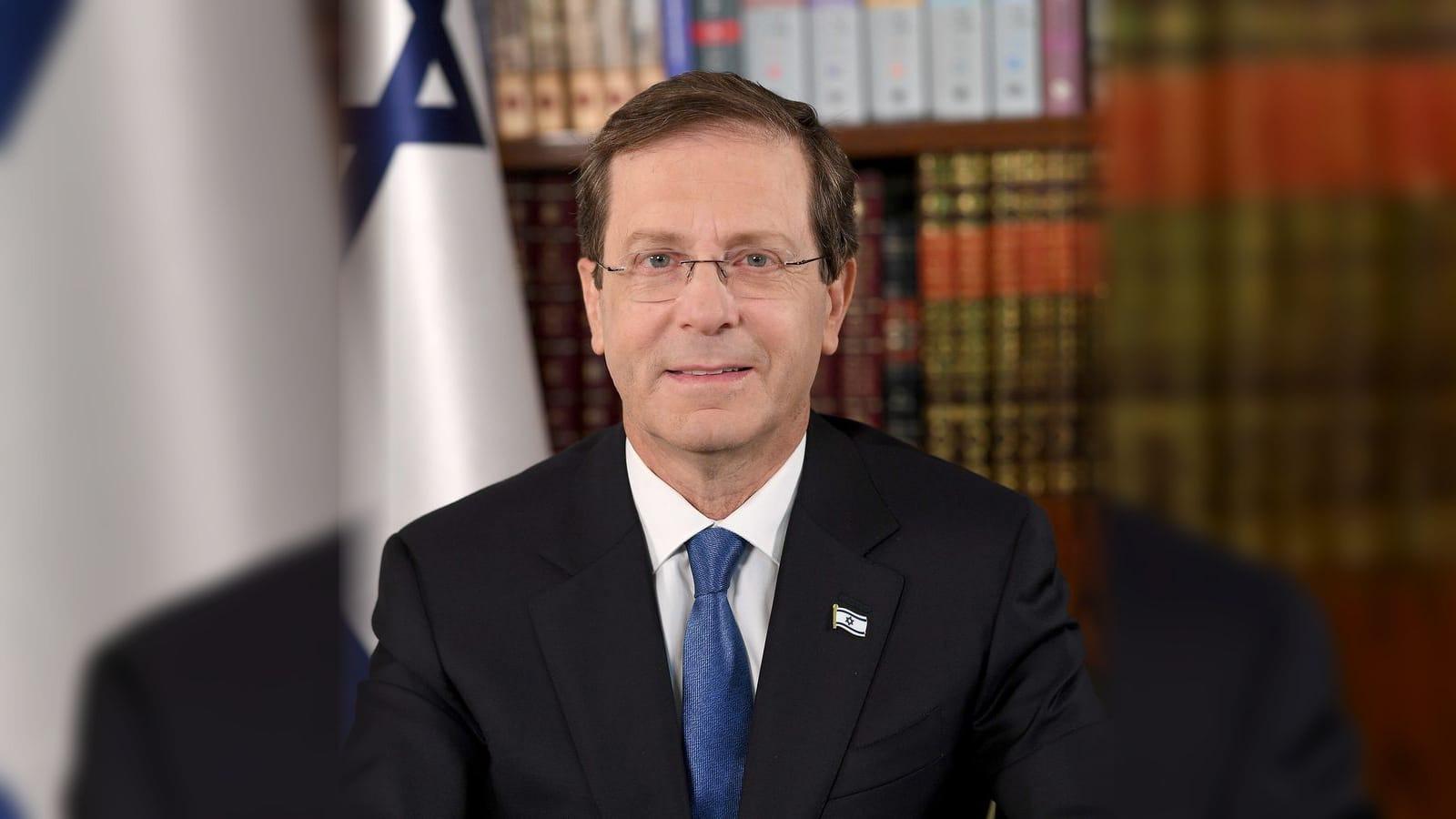
File photo
Government
President Herzog calls Nvidia founder Jensen Huang on his return as CEO
File photo
Government
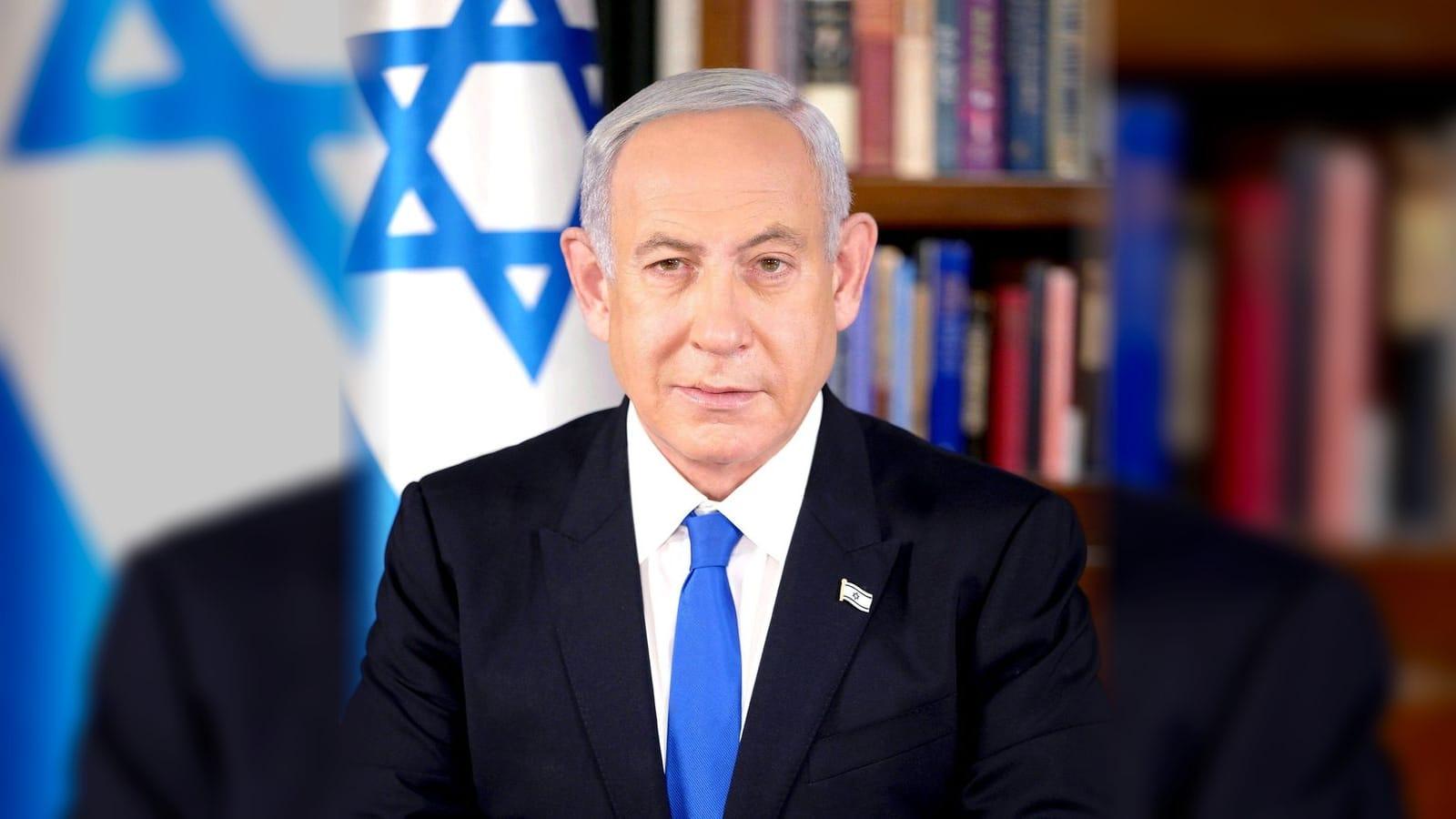
Netanyahu and Eisenkot clash over bereaved families after Knesset hearing
File photo
Government
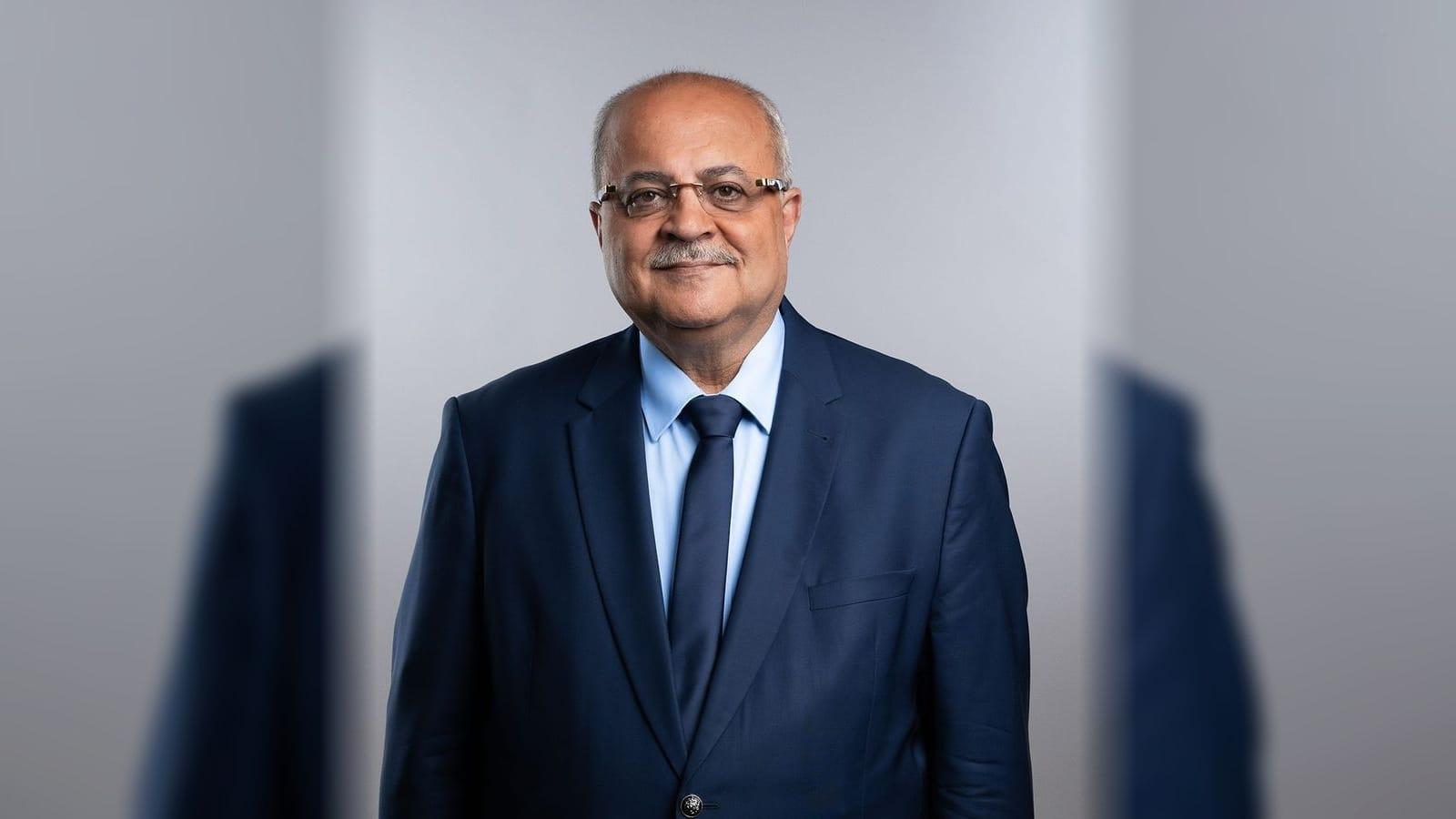
Tibi files complaint against Guy Hochman after Knesset corridor scuffle
File photo
Government
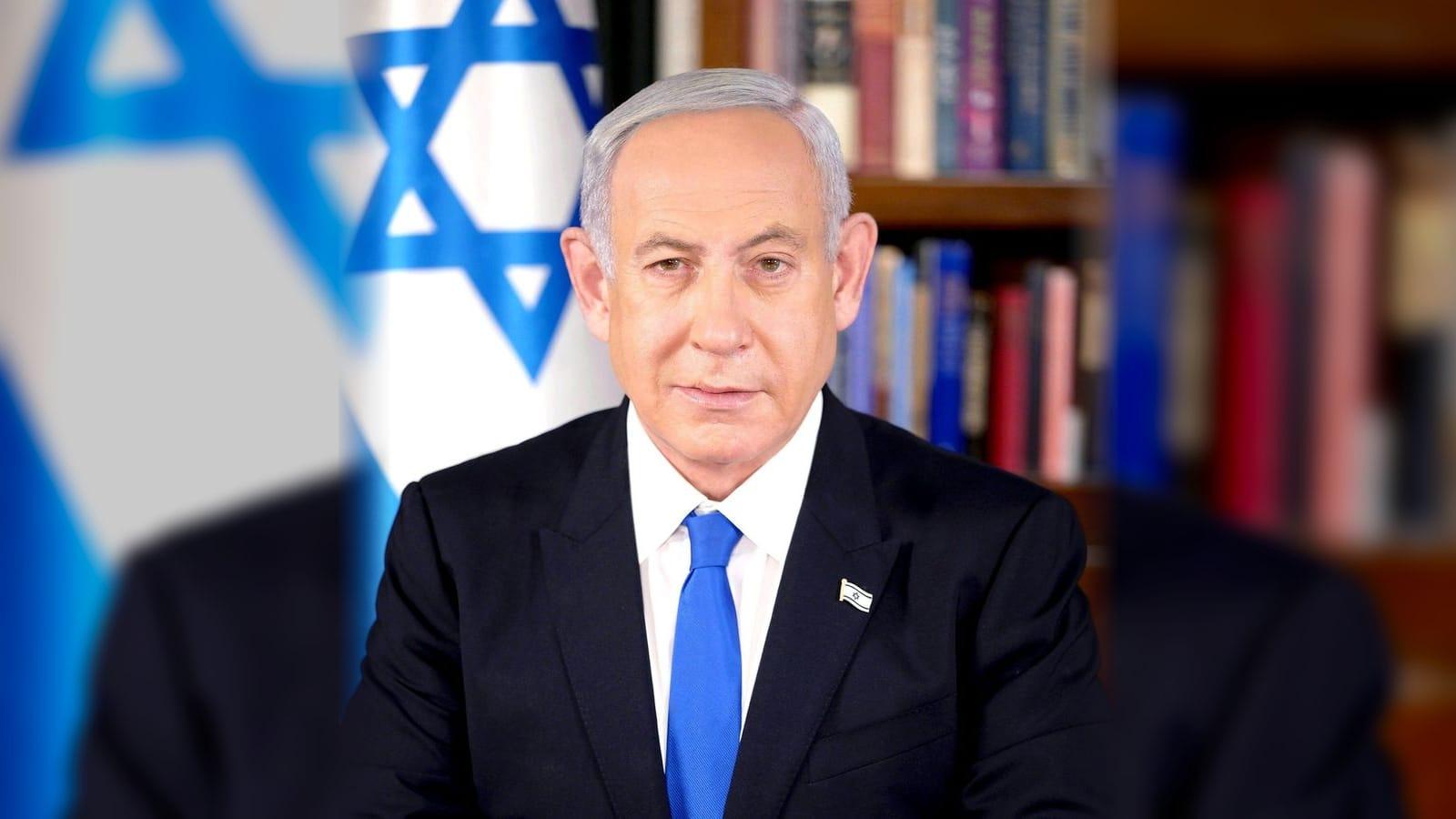
Netanyahu rebuts Eisenkot on Iran, links threats to call for unity government
See Israel.com first in Google's top stories.Add it as a preferred source on Google
Sources and further reading
Every link below was opened and checked when this page was written. Official statements are marked as such: they are the subject's own account, not an independent one.
- Reportingabualiexpresst.meAbu Ali Express
- Reportingkeshett.meN12
How we checked this
The remarks were reported separately by two Israeli outlets, Abu Ali Express and N12, whose Hebrew versions agree in substance though not in wording. We have not seen the original Persian statement or the setting in which it was made.
Our sourcing and corrections policy →The week from Israel, in one email
The stories that mattered, sourced and checked by the Israel.com newsroom. Free, weekly, one-click unsubscribe.
One list, unsubscribe in a click. See our privacy policy.

Israel.com is free, and readers like you keep it that way.
The Israel.com newsroom checks every story against its sources and publishes it free. If this one helped, a contribution of any size keeps the next one free too.
One payment, nothing to sign up for. Another amountGive monthly
Latest
File photo

Illustration

Illustration
File photo
Illustration

Illustration