Israel warned US and Gulf states Iran may use chemical weapons, NYT reports
Israel reportedly told sceptical US and Gulf officials that Iran is weighing chemical weapons, as Qatari mediators try to prevent renewed fighting.
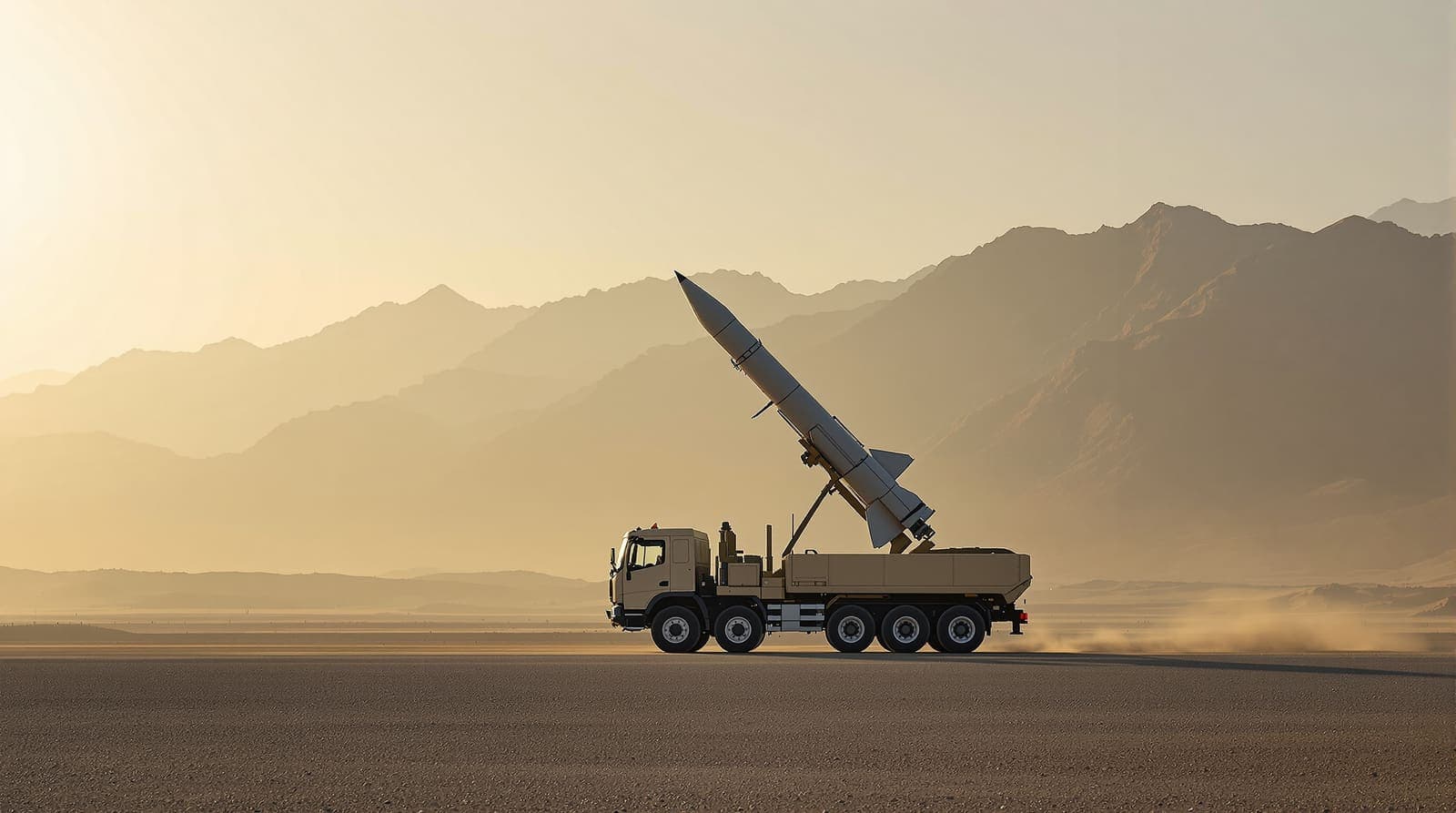
AI illustration, not a photo of the events.
One update since publication
- Times of Israel says the warnings come as Qatari mediators work to avert renewed fighting; JPost and Haaretz also carry the report.
This story was added to as it developed. Earlier text is kept below the updates rather than rewritten, so what this page said at each point is still on it.
Update, 3 November, 23:07 Israel time
Qatari mediation under way. The Times of Israel, in a fuller account of the New York Times story, reported that the Israeli warnings are circulating while mediators from Qatar keep working to head off a resumption of fighting in the region. The same report said the American paper based its account on both US and regional officials. It added that Iran's nuclear programme, which Israeli officials now rank below the chemical danger, was among the original reasons given for going to war with Iran.
The Jerusalem Post also carried the report, stressing that Washington is questioning the Israeli intelligence. Material accompanying its story described the current period as a ceasefire between the United States and Iran, a detail the earlier reports did not spell out.
Haaretz relayed the Times report as well, using the softer formulation that Iran is "considering" chemical weapons against its adversaries rather than planning to use them.
As of these reports, there is still no on-the-record response from the Israeli government, the White House, Qatar or Iran.
The story as first reported
Israel has passed intelligence to the United States suggesting that Iran is weighing the use of chemical weapons against its adversaries, according to a report in The New York Times that was relayed on Tuesday by several Israeli news outlets. The Times of Israel, summarising the American paper, reported that Israel shared the material with Gulf countries as well, and that Israeli officials presented the chemical danger as a more pressing concern than Iran's nuclear programme.
Israel's week in five stories, every Friday
Sourced and checked by the Israel.com newsroom, with Shabbat times. Free, one-click unsubscribe.
One list, unsubscribe in a click. See our privacy policy.
The reception in Washington was divided. Israel Hayom reported that, according to officials quoted by the Times, some Americans who reviewed the intelligence were alarmed by it while others voiced serious doubts about whether it could be trusted. Several outlets said some US officials see the warnings as part of an effort by Prime Minister Benjamin Netanyahu to press the administration of President Donald Trump to resume fighting against Iran.
What Israel reportedly told Washington
According to the Times account as carried by The Times of Israel, Israeli officials told their American counterparts that Iran is working on technology that would let it deliver chemical agents by missile, or smuggle them covertly into hostile countries. N12, a major Israeli television news outlet, reported that these messages were conveyed to US intelligence agencies in conversations held over roughly the past two weeks, and that senior Israeli figures framed the chemical threat as more urgent than Iran's pursuit of a nuclear weapon.
The reports differ in how firmly they describe Iran's alleged intent. An early Ynet news alert said Iran "intends" to use such weapons, and N12 wrote that Iran is "planning" to do so. The fuller Ynet item, The Times of Israel and Israel Hayom used softer language, saying Iran is "considering" chemical weapons or "could" use them. None of the Israeli outlets published the underlying Times article in full, so the original wording cannot be confirmed from this material.
Scepticism in the US and the Gulf
The Gulf states that received briefings were not persuaded either. The Times of Israel reported that Gulf countries described the Israeli intelligence presentations as "unserious." N12 reported that some of the Gulf officials doubted Iran was actually developing plans for chemical use, and that they, like their American counterparts, suspected Israel of trying to push the United States and its partners back into intensive fighting.
Illustration
Next story Security
Mossad seized Iranian generals Asgari and Saberi in Ron Arad hunt, NYT says
Not every official dismissed the warnings. The Times of Israel noted that, according to the Times, some officials are still treating them seriously. Israeli news site News.co.il reported that those who take the threat seriously point to recent warnings of possible Iranian strikes on American targets.
The political reading at home
Ynet reported that the Times article also raised a domestic political interpretation: that Mr Netanyahu could use a security emergency as leverage to persuade Israel's opposition to unite behind him. The same item quoted the description of the prime minister as someone "fighting for his political survival." That framing was attributed to the Times and to those who doubt the intelligence; none of the reports carried a response from Mr Netanyahu's office.
Context for readers
The New York Times is one of the most widely read American newspapers, and Israeli outlets routinely relay its national security reporting as breaking news, which is how this story reached Israeli audiences: as short alerts and live-blog entries citing the paper rather than as independent reporting. The phrase "Gulf countries" in these reports refers to Arab states on the Persian Gulf; none of the reports named which ones were briefed.
Several reports describe the American debate as being about whether to return to combat with Iran, which indicates that earlier fighting between the countries has paused. The reports do not describe the terms or timing of that pause.
The tension between Washington and Tehran was also visible on the streets of the Iranian capital the same day. An Associated Press photograph published alongside The Times of Israel report showed workers putting up a billboard in central Tehran on November 3, 2026. It portrayed US special envoy Steve Witkoff, President Trump, Mr Netanyahu and Vice President JD Vance looking wounded, their clothes ripped.
What the reports do not say
None of the reports cite any official response from the Israeli government, the White House, US intelligence agencies or Iran. They do not describe what evidence underpins the Israeli assessment, which chemical agents are alleged to be involved, or which countries Iran is said to be considering as targets. Whether the United States has changed any policy in response to the briefings is not reported.
Read next
All security →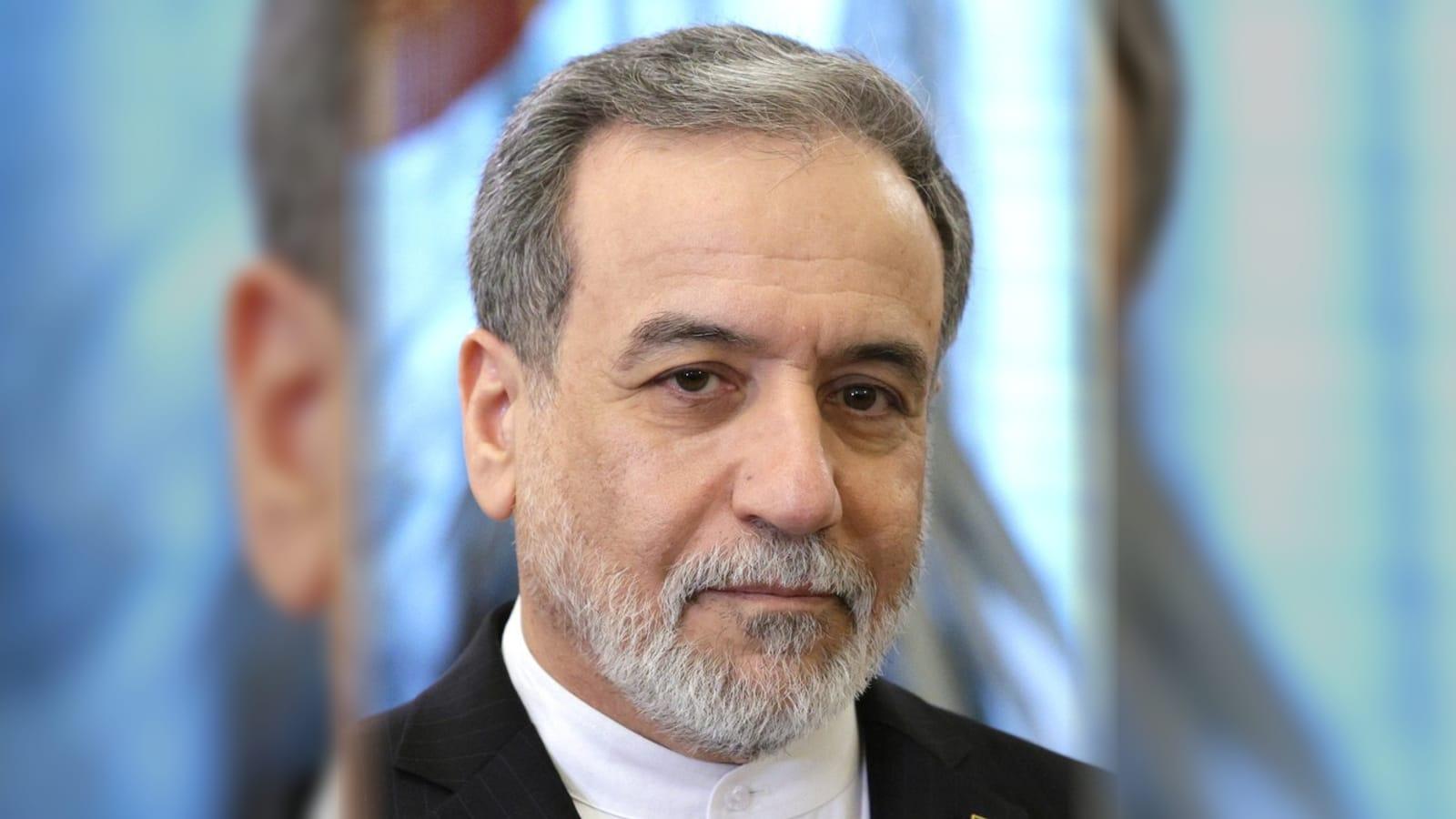
File photo
Government
Iran's Foreign Minister Araghchi expected in Oman on Tuesday amid Gulf tension
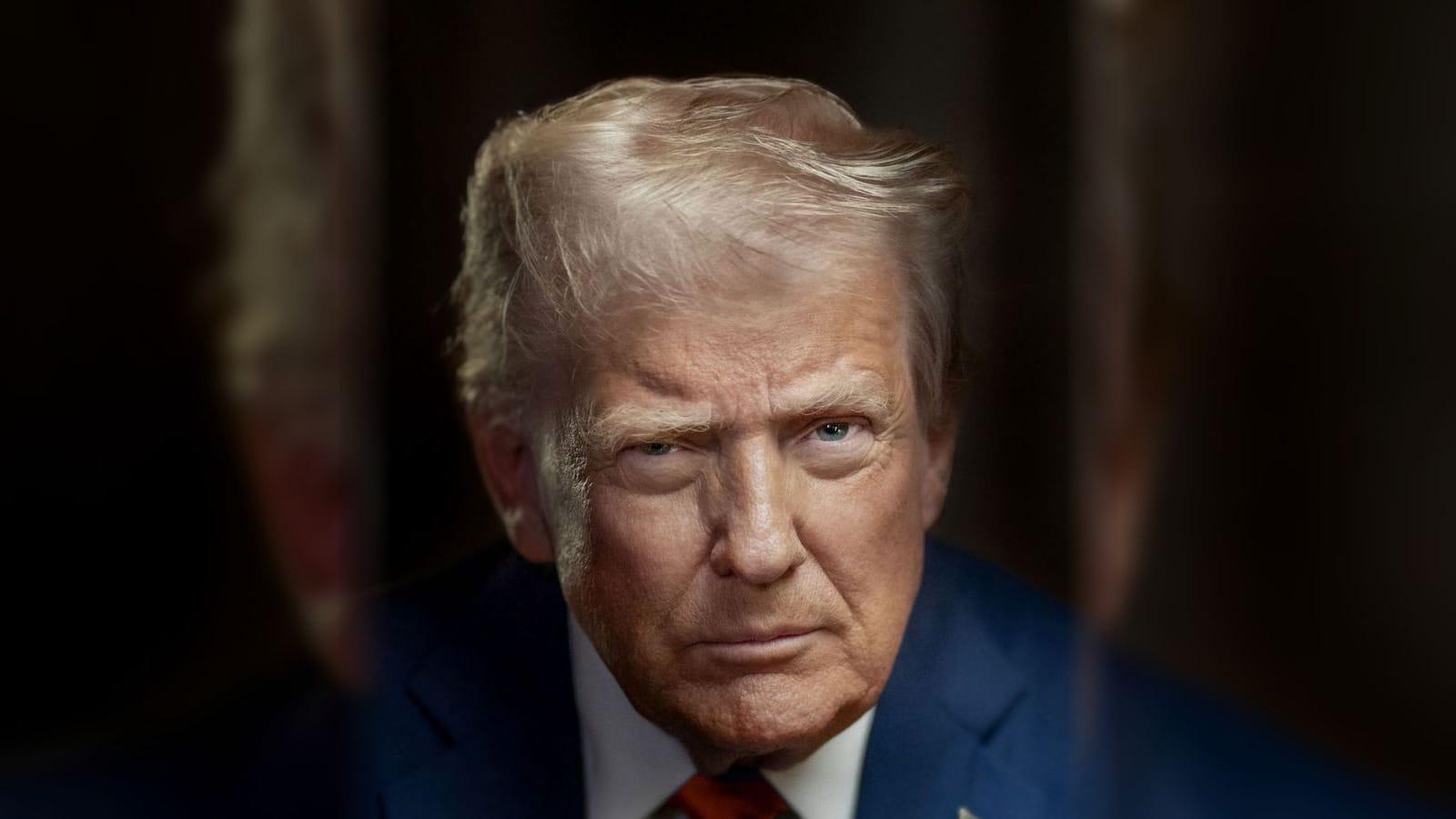
File photo
Security
Trump may hold off on Iran strikes and leave Hormuz talks to Gulf, reports say
Illustration
Security
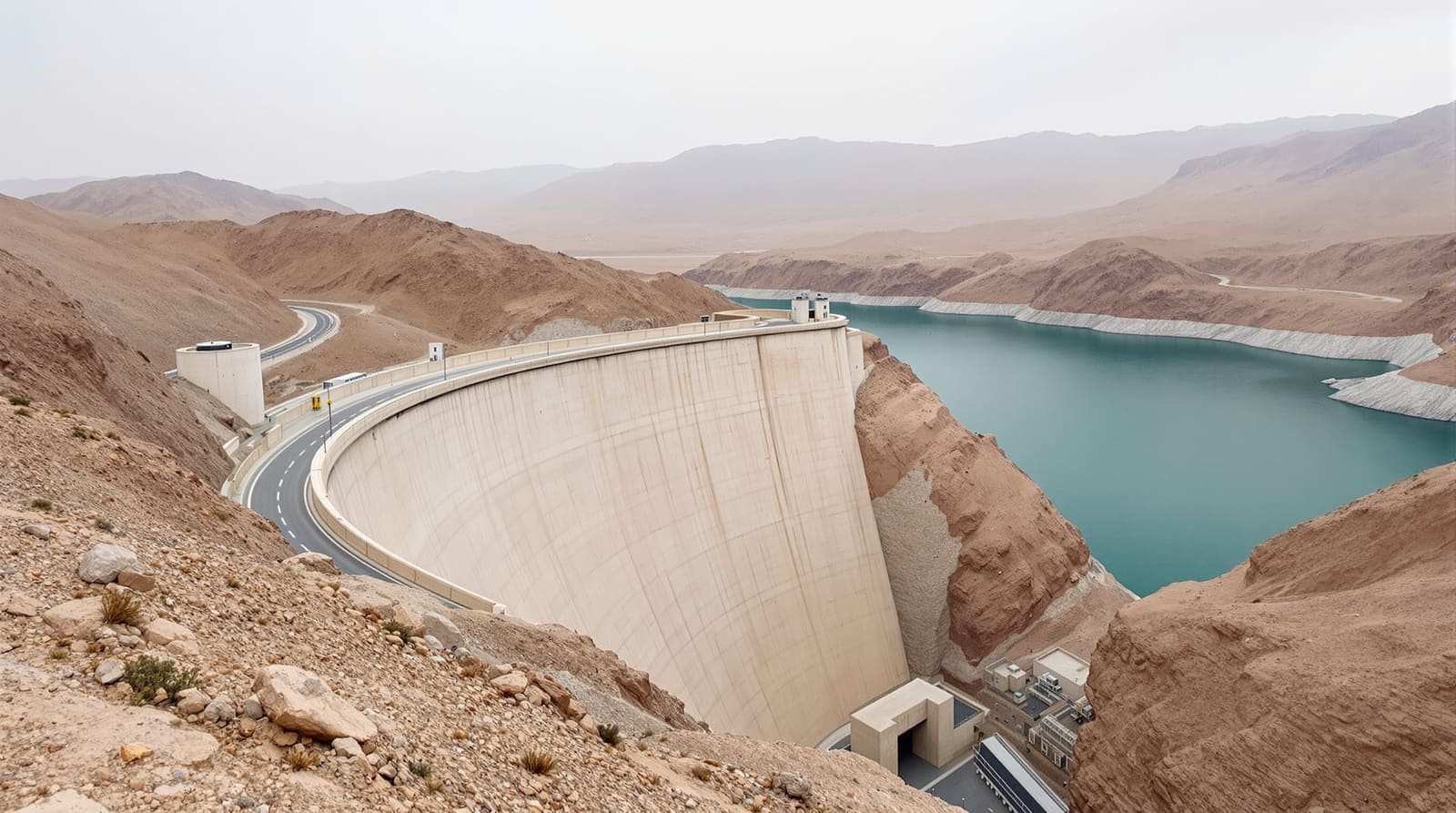
Iranian dams may have served the regime's underground missile network
Illustration
Security
IDF details roles of Hamas men it says were killed in Nasser Hospital strike
Sources and further reading
Every link below was opened and checked when this page was written. Official statements are marked as such: they are the subject's own account, not an independent one.
- Reportingyediotht.meYnet alerts
- Reportingyediothynet.co.ilYnet
- Reportingtoitimesofisrael.comThe Times of Israel
- Reportingisraelhayomisraelhayom.comIsrael Hayom
- Reportingnewssilt.meNews.co.il
- Reportingkeshett.meN12
- Reportingkeshett.meN12
- Reportingkeshett.meN12
- Reportingjpostjpost.comThe Jerusalem Post
- Reportingtoitimesofisrael.comThe Times of Israel
- Reportinghaaretzhaaretz.comHaaretz
How we checked this
All accounts relay a single New York Times report citing US and regional officials; the underlying article has not been published in full by the Israeli outlets. No government has commented on the record.
Our sourcing and corrections policy →The week from Israel, in one email
The stories that mattered, sourced and checked by the Israel.com newsroom. Free, weekly, one-click unsubscribe.
One list, unsubscribe in a click. See our privacy policy.
Latest

Illustration
Illustration

File photo
Illustration
Illustration
Illustration