US and Israel plan short, intense Iran strikes after midterms, NYT reports
Plans reportedly target Iran's nuclear and energy sites, missiles and drones, while Tehran warns any renewed fighting would be neither brief nor contained.
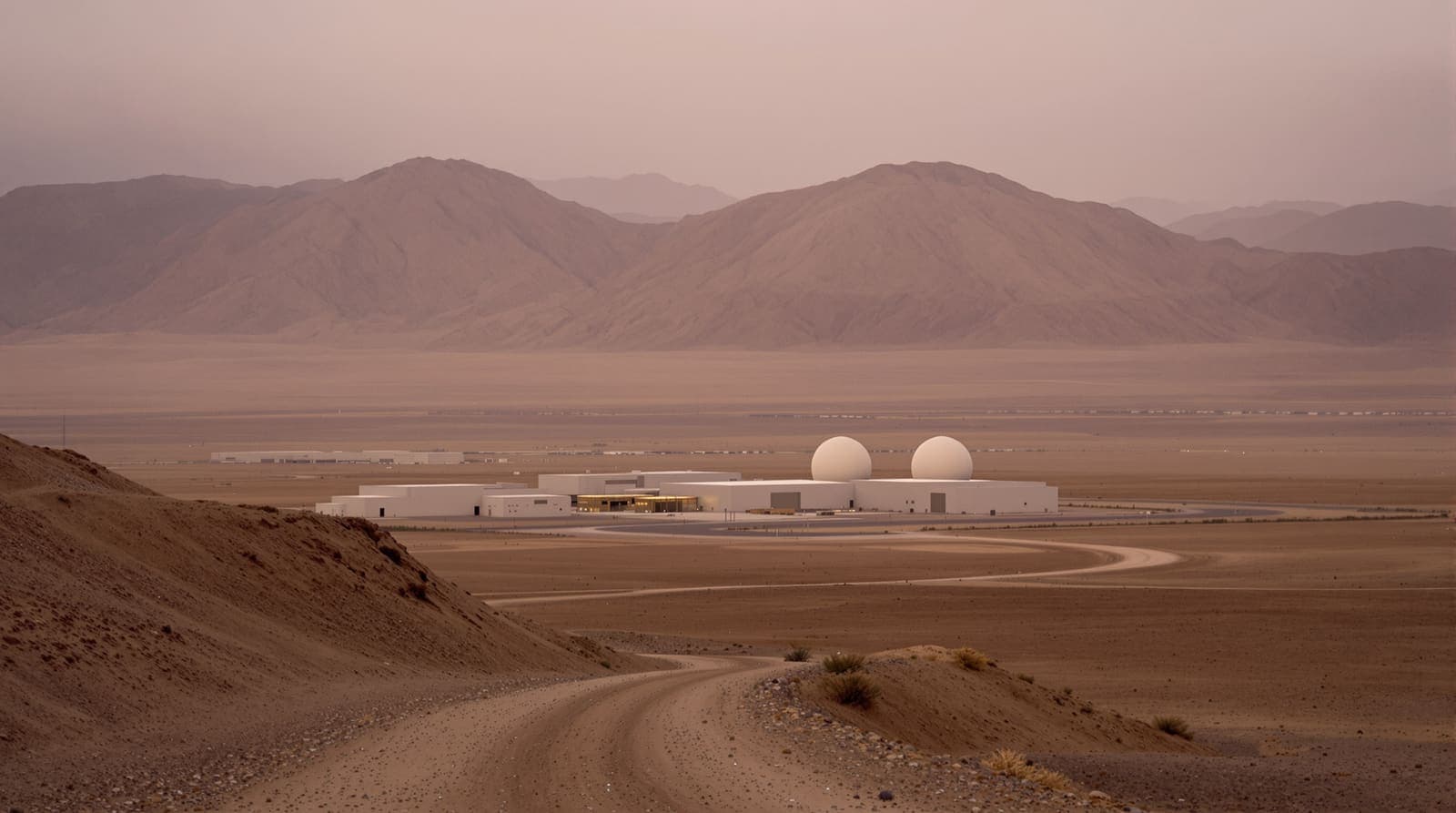
AI illustration, not a photo of the events.
The United States and Israel have prepared plans for a renewed military campaign against Iran to be carried out after the American midterm elections, according to The New York Times, as relayed by several Israeli outlets. Ynetnews reported that the plans describe a short and intense offensive aimed at Iran's nuclear facilities, its energy infrastructure, and its missile and drone capabilities.
Iranian officials responded with warnings that any return to fighting would last longer than its planners expect. Ynet, in its Hebrew edition, reported that Tehran threatened strikes on oil facilities in Saudi Arabia and a sharp rise in energy prices, while US President Donald Trump was quoted as saying that something would happen soon.
What the plans reportedly involve
The original reporting is by The New York Times. The Israeli outlets cited here are summarising that newspaper's account, not presenting independent information of their own. The Jerusalem Post said the focus of the planning is on brief, concentrated attacks rather than a drawn-out campaign.
According to Ynet's summary, the target list covers four categories: nuclear sites, energy sites, missiles and drones. Ynet also described an assessment that a 3-day attack could inflict enough economic damage on Iran to push it back into negotiations. Israel Hayom wrote that the purpose of the operations, as the Times described it, is to press Tehran into concessions on its nuclear programme, and said planners in Washington were readying themselves for the strikes once the elections are over.
Ynet also referred to a dispute connected to the plans, signalled in its headline, but the summary available to us does not explain what that disagreement concerns or who is on each side of it.
Israel's week in five stories, every Friday
Sourced and checked by the Israel.com newsroom, with Shabbat times. Free, one-click unsubscribe.
One list, unsubscribe in a click. See our privacy policy.
Why the midterm elections matter here
The midterms are the American elections held halfway through a presidential term, in which voters choose members of Congress and many state officials. Every report links the timing of the planned strikes to the period after this vote. None of the reports available to us explains why planners would wait until then, and we have not attributed a reason to them.
The word "renewed" in the reporting signals that this would not be the first round of US and Israeli military action against Iran. The reports summarised here do not describe that earlier fighting in detail.
Iran's warnings and the Strait of Hormuz
Ynet reported that Iranian voices rejected the idea of a limited operation, warning that the fighting would not be short, that Saudi oil installations would be hit, and that energy prices would jump. Ynetnews similarly said Tehran had cautioned that a new round would not be brief.
Ynet also cited the Islamic Revolutionary Guard Corps (IRGC), the branch of Iran's armed forces that answers directly to the country's supreme leader and runs much of its missile and naval activity in the Gulf. According to Ynet, the IRGC said that 7 ships had caught fire in Hormuz. The Strait of Hormuz is the narrow waterway between Iran and the Arabian Peninsula that links the Persian Gulf to the open sea and carries a large share of the region's oil exports. The material available to us does not say which ships these were, when the incident took place, what caused the fires, or whether anyone outside the IRGC has confirmed the claim.
Where the accounts differ
The reports broadly agree on the core story, but they characterise its scale differently. Ynetnews, The Jerusalem Post and Ynet describe a short, intense offensive, and Ynet cites a 3-day timeframe. Israel Hayom's headline instead calls it a massive campaign. These descriptions are not necessarily contradictory, since an operation can be both brief and large, but readers should note that the outlets chose different emphases when summarising the same newspaper report.
Israel Hayom also referred to an approaching deadline and said both sides were completing military preparations, with a high risk of a wider regional conflict. It did not specify what that deadline is, and the other reports do not mention one.
Joe Truzman, an analyst at the Foundation for Defense of Democracies, a Washington research institute, also flagged the Times report on social media, summarising it as saying the two countries had planned strikes on Iran following the elections.
What the reports do not say
- None of the reports cites an official statement from the Israeli government or the Israel Defense Forces (IDF) confirming or denying the plans.
- No reaction from the Pentagon or the White House beyond Trump's reported remark appears in the material.
- The reports do not say whether a final decision to strike has been taken, or whether these are contingency plans.
- The nature of the dispute Ynet mentions is not explained.
- The IRGC claim about ships in Hormuz is attributed only to the IRGC and has not been independently confirmed in any of the reports.
- The deadline mentioned by Israel Hayom is not identified.
Sources and further reading
Every link below was opened and checked when this page was written. Official statements are marked as such: they are the subject's own account, not an independent one.
- Reportingyediothynet.co.ilYnet
- Reportingyediothynetnews.comYnetnews
- Reportingjpostjpost.comThe Jerusalem Post
- Reportingisraelhayomisraelhayom.comIsrael Hayom
- Reportingfddx.comJoe Truzman, FDD
How we checked this
Ynet, Ynetnews, The Jerusalem Post and Israel Hayom all reported the plans, each citing The New York Times rather than independent sourcing; we have not seen the Times report directly. The claim about burning ships in Hormuz rests on an IRGC statement relayed only by Ynet.
Our sourcing and corrections policy →The week from Israel, in one email
The stories that mattered, sourced and checked by the Israel.com newsroom. Free, weekly, one-click unsubscribe.
One list, unsubscribe in a click. See our privacy policy.
More in Security
All security →


Latest
- Katz says Lapid, Bennett and Golan will carry blame for any pre-election attack
- Nine hurt as minibus overturns on Route 353 near Beit Shemesh
- AIPAC ends candidate endorsements and direct PAC giving, keeps its super PAC
- US moves to pull some embassy staff and families from Gulf posts, citing Yemen
- Man, 49, moderately wounded in stabbing at Afula barbershop
- Brad Lander held with dozens of olive harvest volunteers near Beitar Illit