Israeli security chiefs split over Netanyahu's push for a new Iran strike
Israel's Mossad chief reportedly favours acting soon on Iran while the army chief and Mossad analysts see no urgency, and Washington has yet to decide.
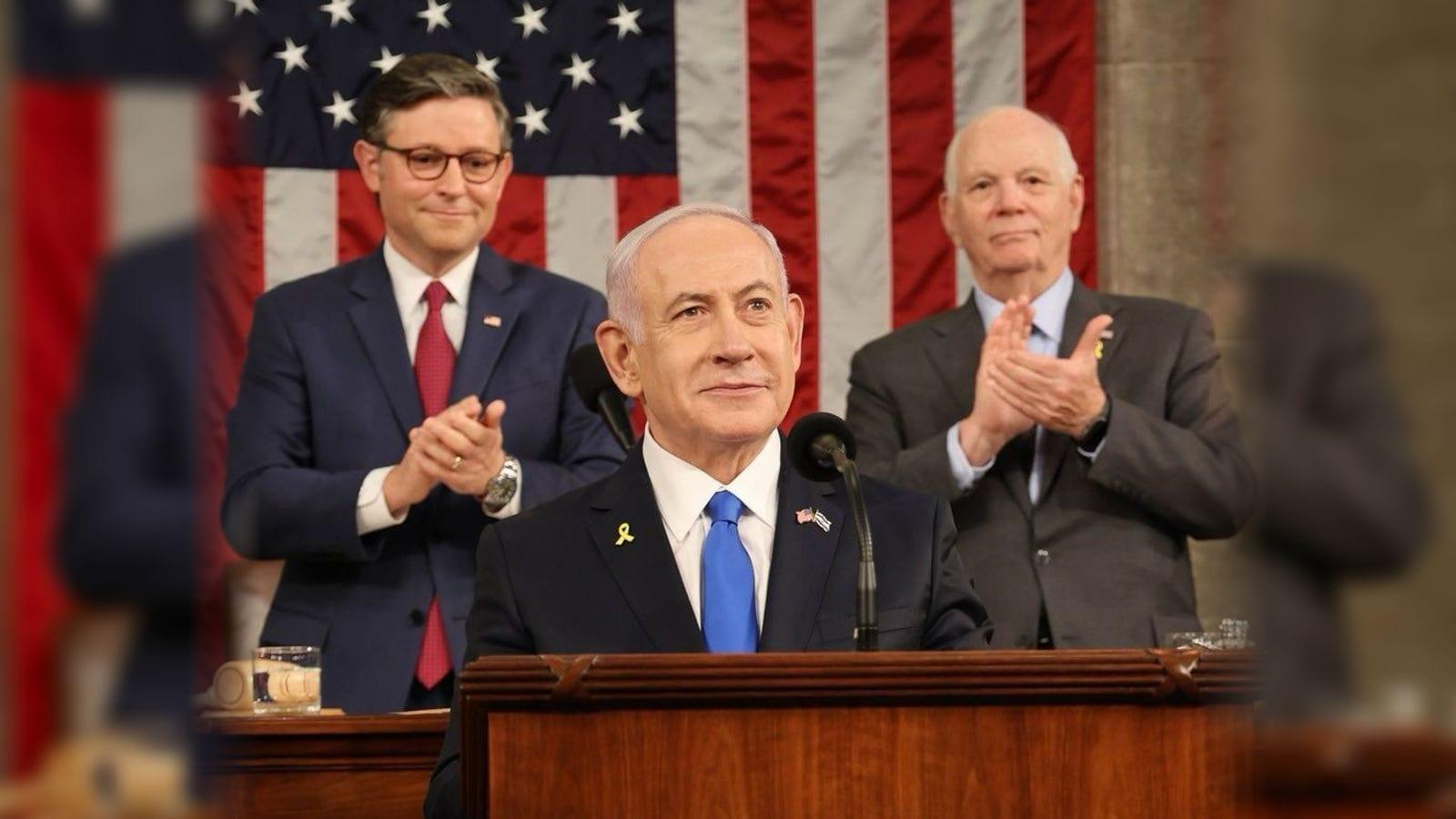
Benjamin Netanyahu. File photo by Office of Speaker Mike Johnson, public domain, via Wikimedia Commons.
Prime Minister Benjamin Netanyahu is pressing for a further Israeli strike on Iran, but the country's senior security officials do not agree on how pressing the need is, the Israeli news site Ynet reported. According to Ynet, the head of the Mossad believes Israel should move soon, while the Chief of Staff of the Israel Defense Forces (IDF) does not see a threat on the near horizon and wants to hold off.
Ynet also reported that the chemical and biological threat from Iran is not assessed as immediate, that officials in the United States suspect political motives lie behind Netanyahu's pressure, and that President Donald Trump has for now put off a decision. The Times of Israel, citing a report, said that researchers within the Mossad do not see the matter as urgent even as the agency's chief argues for military action.
On the ground

Israeli PM Benjamin Netanyahu is pressuring Trump to attack Iran “as soon as possible”, Israel’s public broadcaster Kan reports, citing an unnamed source familiar with the matter. 🔴 LIVE updates: aje.news/4r4lay


🔴 BREAKING: Israel’s caretaker prime minister Benjamin Netanyahu warns of “serious and grave threats” facing Israel and the danger of downplaying them, shortly after his opponent Gadi Eisenkot said there was no immediate need for military action against Iran.

Who is weighing in
The Mossad is Israel's foreign intelligence agency, responsible for intelligence gathering and covert operations abroad. It answers directly to the prime minister. Its research staff produce the agency's intelligence assessments, so a gap between those analysts and the agency's director is a notable detail in the reports.
The Chief of Staff, known in Hebrew as the Ramatkal, is the most senior officer in the IDF and the military's commander. In Israel, decisions on major military operations are made by the political leadership, but the assessments of the army and the intelligence services carry significant weight in those discussions.
Neither report, as available to us, names the current Mossad director or the Chief of Staff, and we do not name them here.
Israel's week in five stories, every Friday
Sourced and checked by the Israel.com newsroom, with Shabbat times. Free, one-click unsubscribe.
One list, unsubscribe in a click. See our privacy policy.
Where the two reports differ
The two outlets place the voices of caution in different parts of the security establishment. Ynet describes the split as one between the Mossad chief, who wants early action, and the military chief, who sees no imminent threat. The Times of Israel frames the disagreement as one inside the Mossad itself, between the agency's head and its own researchers. The accounts are not necessarily in conflict, since both could be true at once, but each highlights a different source of reluctance.
The American dimension
Israel has historically sought coordination with, or at least the backing of, the United States before major operations against Iran. Ynet's account presents Washington as a further obstacle for Netanyahu: it says American officials suspect that political considerations are driving the prime minister's push, and that Trump is delaying his decision. Ynet does not say which American officials hold this view or what political considerations they have in mind.
What the reports describe as the threat
Ynet's report refers to the Iranian chemical and biological threat and says it is not immediate. That assessment appears to bear on the question of timing rather than on whether a threat exists at all. The reports available to us do not spell out what intelligence underlies this assessment, and Ynet's wording refers to an additional strike, indicating that Israel has struck Iran before, without detailing that earlier action in the material we have.
What the reports do not say
- Neither report includes a response from the Prime Minister's Office, the Mossad, the IDF or the White House.
- The reports do not identify the sources for the accounts of internal disagreement, and the Times of Israel attributes its account to another report rather than its own reporting.
- Ynet does not specify which American officials suspect political motives, or what evidence underlies that suspicion.
- No timeline has been reported for a decision by Trump or by Israel's security cabinet.
- The reports do not explain the intelligence on which the Mossad chief bases his call for early action.
People in this story: Benjamin Netanyahu
Read next
All security →
File photo
Government
Netanyahu and Eisenkot clash over bereaved families after Knesset hearing
File photo
Government
Netanyahu rebuts Eisenkot on Iran, links threats to call for unity government

Illustration
Security
US probes Iran as main suspect in cyberattacks on about 50 tankers

Illustration
Security
Masked gunman fires on a house in Deir Hanna, then flees under return fire
See Israel.com first in Google's top stories.Add it as a preferred source on Google
Sources and further reading
Every link below was opened and checked when this page was written. Official statements are marked as such: they are the subject's own account, not an independent one.
- Reportingyediothynet.co.ilYnet
- Reportingtoitimesofisrael.comThe Times of Israel
How we checked this
The internal disagreement was reported by Ynet and the Times of Israel, which cited a report; they locate the cautious voices differently. Claims about US suspicions and Trump's delay come from Ynet alone, and no official responses were reported.
Our sourcing and corrections policy →The week from Israel, in one email
The stories that mattered, sourced and checked by the Israel.com newsroom. Free, weekly, one-click unsubscribe.
One list, unsubscribe in a click. See our privacy policy.
Latest
From the video
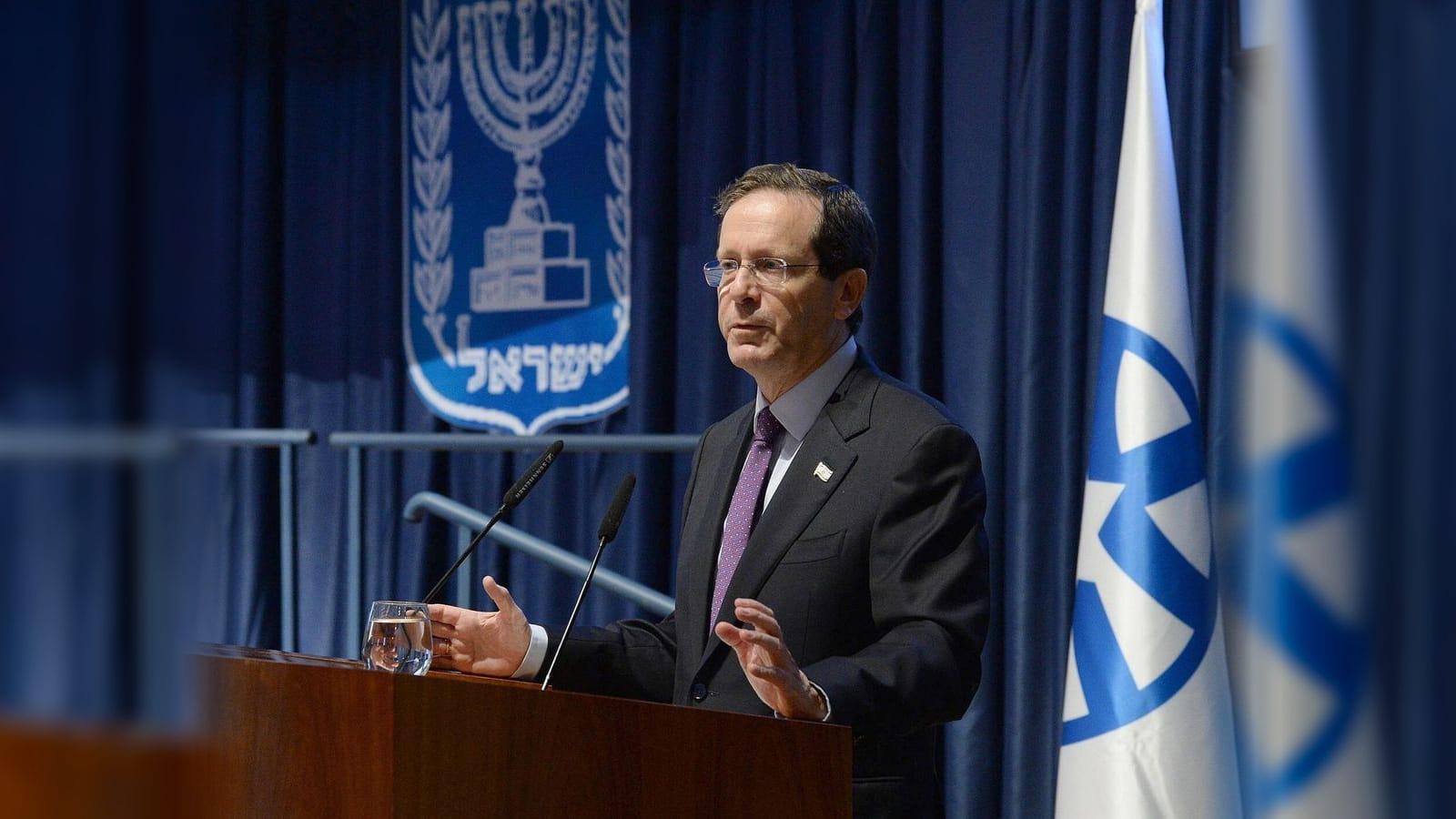
File photo

File photo
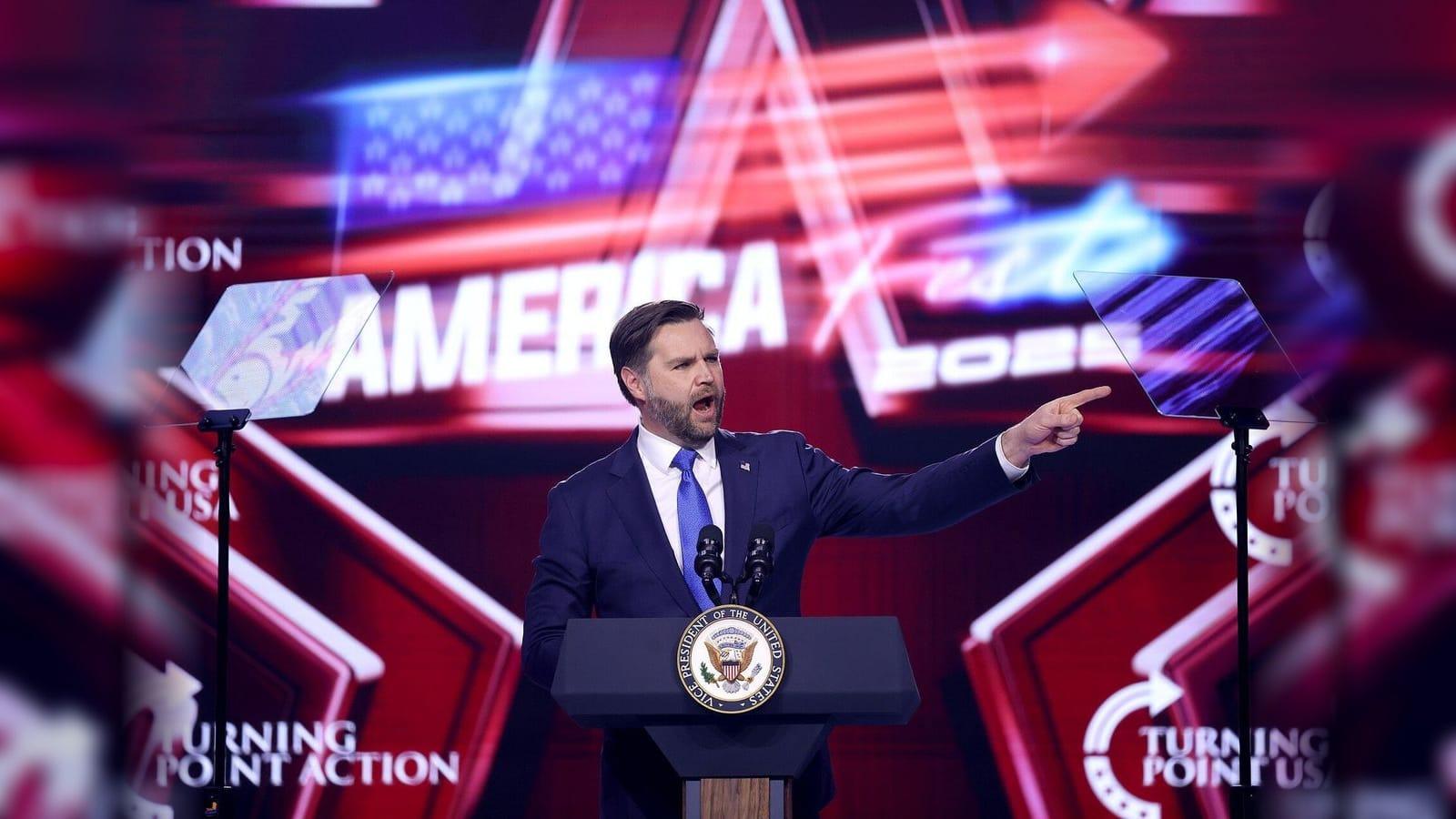
File photo

Illustration

Illustration