US probes Iran as main suspect in cyberattacks on about 50 tankers
Hackers exploited a maritime router flaw and threatened crews, Ynet reports, while US officials say there is no evidence yet of Iranian involvement and Russia is also suspected.

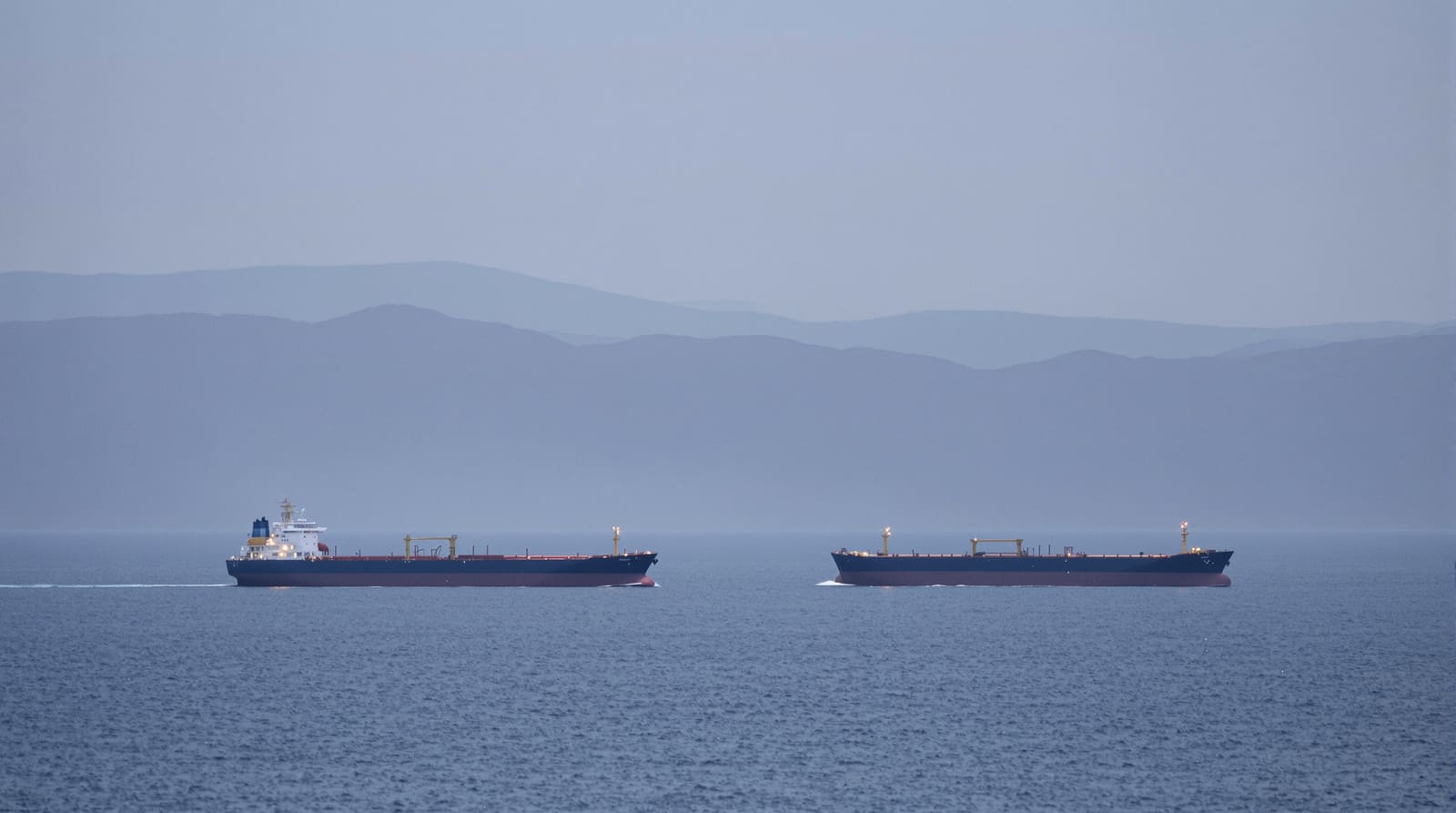
AI illustration, not a photo of the events.
One update since publication
- Ynet reports a router flaw was exploited, threats warned crews off US cargo, and US officials cite no evidence yet and also eye Russia.
This story is being added to as it develops. Earlier text is kept below the updates rather than rewritten, so what this page said at each point is still on it.
Update, 24 November, 04:08 Israel time
New details have emerged on how the attacks were carried out and who is under suspicion, alongside a caution from Washington. Ynet, in a fuller article citing The Wall Street Journal, reported that about 50 oil and gas tankers were hit through a security flaw in routers widely used across the maritime industry, and that some of the incidents took place off the coasts of the United States.
According to Ynet, ship crews received bomb threats as well as warning messages telling them not to load American cargo. One message, as quoted by Ynet in Hebrew, told crews: "We will hunt you all over the world." This is the first report on our page to describe the content of the threats.
On the ground

Iranian FM spokesperson Esmaeil Baghaei says US threats will not force Iranians to abandon their homeland or dignity, but will instead “increase Iran’s determination and strengthen unity”. 🔴 LIVE updates: aje.news/4r4lay

The same Ynet article said Iran is the main suspect, but added that officials in the Trump administration say no evidence has yet been found of involvement by Tehran, and that Russia is also considered a possible suspect.
The Times of Israel, in a brief live blog entry, described the US as investigating Iran as the prime suspect and referred to the incidents as fresh cyberattacks on ships. Its entry, as published, gave no further detail.
The accounts therefore differ on how firmly suspicion rests on Iran: both outlets present Tehran as the leading suspect, while Ynet also reports the administration saying the evidence is not there yet and that Russia has not been ruled out. No Iranian or Russian response has been reported.
Israel's week in five stories, every Friday
Sourced and checked by the Israel.com newsroom, with Shabbat times. Free, one-click unsubscribe.
One list, unsubscribe in a click. See our privacy policy.
The story as first reported
The United States is examining whether Iran was responsible for a wave of cyberattacks on about 50 ships, several Israeli news organisations reported. N12, the news arm of one of Israel's main commercial television channels, said its foreign desk was relaying a report in The Wall Street Journal, which described the targeted vessels as ships carrying oil and other explosive materials.
The Jerusalem Post reported that the US regards Iran as a possible culprit in dozens of cyberattacks and in bomb threats against ships. Ynet, the website of the Israeli daily Yedioth Ahronoth, published a short alert saying American officials are checking whether Iran is behind attacks on about 50 vessels.
What the three reports agree on
All three Israeli outlets point to the same core claim: that US authorities suspect, but have not concluded, that Iran is connected to digital attacks on commercial shipping. N12 and Ynet both give the scale as about 50 ships. N12 is the only one of the three to name the original source of the story, The Wall Street Journal, a US newspaper, and to describe the cargo involved.

File photo
Next story Security
Israeli security chiefs split over Netanyahu's push for a new Iran strike
None of the reports, as published, attributes the suspicion to a named US official or agency, and none quotes an official statement. The claim reaches Israeli readers second hand, through reporting on a reporting.
Where the accounts differ
The reports are not identical in how they describe either the attacks or the state of the US inquiry.
- The nature of the attacks. Ynet and N12 refer only to cyberattacks. The Jerusalem Post's headline adds bomb threats against ships, a detail the other two do not mention.
- The number of ships. Ynet and N12 say about 50. The Jerusalem Post uses the word dozens.
- How far the US has gone. Ynet and N12 say the US is checking or examining a suspicion. The Jerusalem Post's wording is that the US says Iran is a possible culprit, which reads as slightly firmer, though it still stops short of an accusation.
Why the cargo detail matters
In N12's account of the Wall Street Journal story, the vessels were carrying oil and other explosive materials. That description, if accurate, means the incidents involved ships whose cargo carries obvious safety risks, which helps explain why a possible link to a foreign state would draw attention in Washington. The reports do not say whether any ship was damaged, whether any crew member was hurt, or whether any cargo was affected.
How the story reached Israeli audiences
Two of the three items came through Telegram, the messaging platform that Israeli broadcasters and news sites use to push brief breaking alerts to subscribers. Ynet's post is a one-line flash pointing readers to a fuller item on its site; N12's post is labelled as coming from its foreign news desk. The Jerusalem Post ran the item in its Iran news section. For readers following Israel, stories about suspected Iranian activity draw close attention because Iran is Israel's principal regional adversary, but none of the reports suggests any Israeli connection to the ships or to the investigation.
What the reports do not say
The reports do not say where or when the attacks took place, which countries the ships were flagged in, or who owns them. They do not identify which US body is conducting the inquiry or what evidence points toward Iran. No response from Iran has been reported. The bomb threats appear only in The Jerusalem Post's account, and the reports do not explain whether they were carried out through the same cyber intrusions or were separate incidents.
Read next
All security →
Illustration
Security
Masked gunman fires on a house in Deir Hanna, then flees under return fire
Illustration
Security
Iran's Revolutionary Guards say three oil tankers struck mines in Hormuz

Illustration
Security
Russian opposition media put Russian war dead in Ukraine at about 700,000

Illustration
Security
Bomb threats emailed to about 450 schools in Germany as European wave spreads
See Israel.com first in Google's top stories.Add it as a preferred source on Google
Sources and further reading
Every link below was opened and checked when this page was written. Official statements are marked as such: they are the subject's own account, not an independent one.
- Reportingyediotht.meYnet alerts
- Reportingjpostjpost.comThe Jerusalem Post
- Reportingkeshett.meN12
- Reportingyediothynet.co.ilYnet
- Reportingtoitimesofisrael.comThe Times of Israel
How we checked this
All details trace back to a single Wall Street Journal report relayed by Israeli outlets; no named US official has spoken on record. Iran's role is disputed within the reporting itself, with the administration citing no evidence yet.
Our sourcing and corrections policy →The week from Israel, in one email
The stories that mattered, sourced and checked by the Israel.com newsroom. Free, weekly, one-click unsubscribe.
One list, unsubscribe in a click. See our privacy policy.
Latest

From the video

File photo

File photo

File photo

Illustration

File photo