Lapid claims 'a win on points' as his share of Bennett merger falls to 5 seats
After an election that left neither bloc with 61 seats, Yair Lapid asked for patience in coalition talks while Likud figures recalled their predictions of his decline.
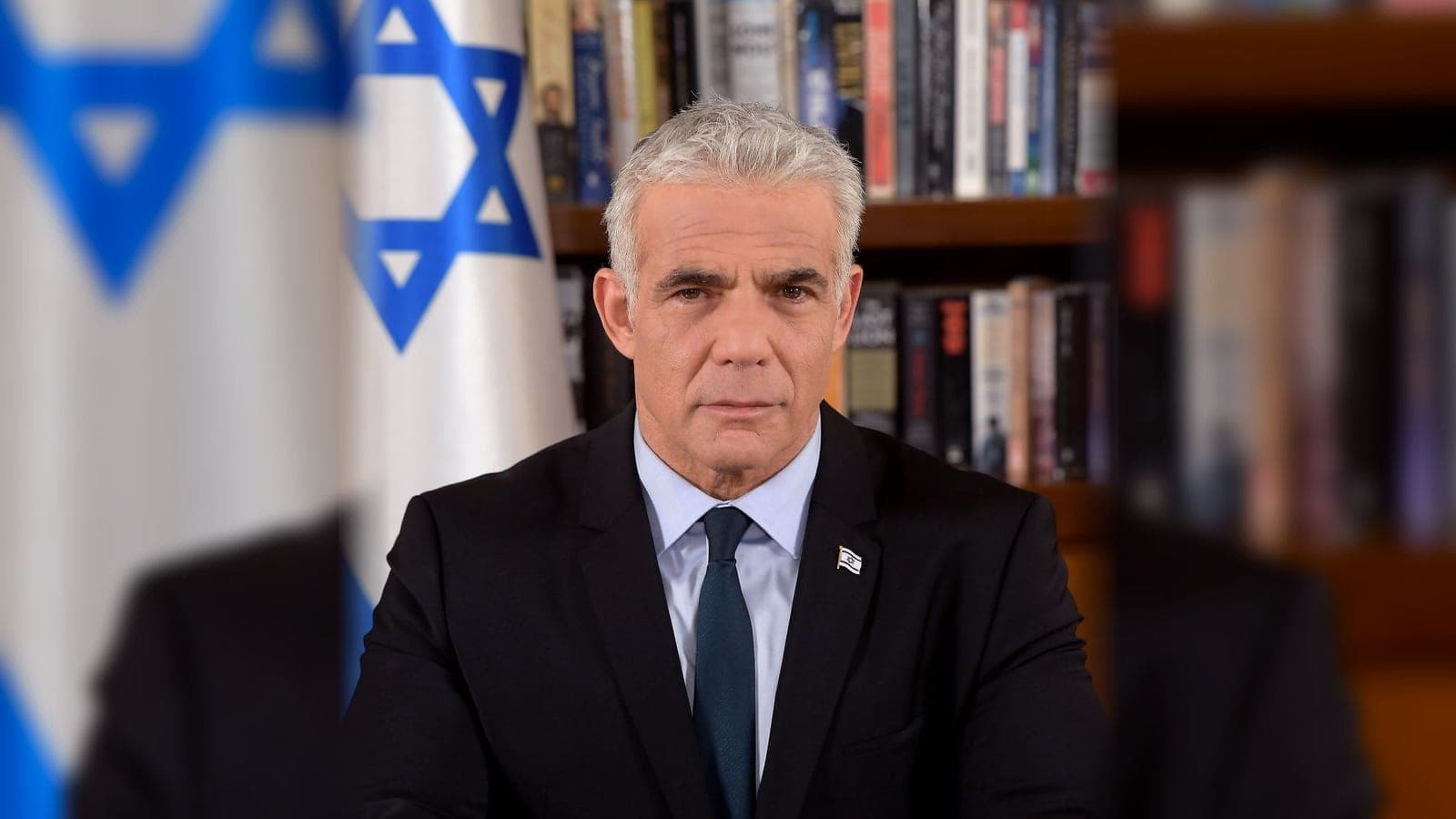
Yair Lapid. File photo by Avi Ohayon, CC BY-SA 3.0, via Wikimedia Commons.
Yair Lapid, the outgoing opposition leader and number two on the B'Yachad list he formed with Naftali Bennett, told supporters on Friday that the camp opposed to Prime Minister Benjamin Netanyahu had won Tuesday's election "on points", even without a decisive result. In a post on X, he asked the public to be patient as the bloc tries to assemble a government, The Times of Israel reported. He wrote that on Tuesday at 22:00 everyone had watched the screen for one number, 61, and that it had not appeared "not for us, and certainly not for him".
The appeal comes after a sharp contraction in Lapid's own parliamentary strength. Ynet reported that within the merger with Bennett, Lapid has been cut from 24 seats to 5. B'Yachad as a whole won 12 seats, according to Ynet, and after the results Lapid wrote that Netanyahu had received 53 seats, describing that outcome as a crash.
On the ground

Opposition leader Yair Lapid urged Israelis to be patient on Friday as efforts to form a government continue behind the scenes, acknowledging the election fell short of his hopes but insisting Netanyahu has no path to forming a government | @NoaShpigel haaretz.com/israel-news/el…
How the numbers fall
Israel's parliament, the Knesset, has 120 seats, so a governing coalition needs at least 61. According to The Times of Israel, the parties opposed to Netanyahu won 67 seats between them. On paper that is a working majority, but the figure includes the Joint List and Ra'am, two parties the paper describes as predominantly Arab. Three of the four Jewish-led parties in the bloc, Yashar, B'Yachad and Yisrael Beytenu, have ruled out joining a coalition with them, which leaves the anti-Netanyahu camp without a clear route to 61.
Netanyahu's side is also short. His bloc won 53 seats, The Times of Israel reported, and his Likud party is the single largest in the new Knesset with 27 seats. The paper said he, too, has no clear path to a majority. That is the deadlock Lapid was addressing when he said neither side had reached the target number.
Who Lapid and Bennett are in this race
Lapid is the chairman of Yesh Atid (Hebrew for "There is a Future"), the party he led into this election as part of the joint B'Yachad list ("Together") with Bennett. On the merged slate Lapid holds the second position, behind Bennett. His description of the result as a points victory rather than a knockout is a boxing metaphor: the opposition camp outpolled Netanyahu's bloc, but did not win outright.
Israel's week in five stories, every Friday
Sourced and checked by the Israel.com newsroom, with Shabbat times. Free, one-click unsubscribe.
One list, unsubscribe in a click. See our privacy policy.
In Israeli political reporting, seats are commonly called "mandates", a direct rendering of the Hebrew term. The Ynet figures of 24 and 5 refer to seats in that sense.
Likud's earlier taunts
Ynet noted that Likud politicians had repeatedly mocked Lapid and forecast his collapse in the months before the vote. In January of this year, according to Ynet, Netanyahu jabbed at Lapid that there was a reason he was getting "5-4 mandates", a reference to the low single-digit poll numbers Lapid's party was then registering. At the same time, Communications Minister Shlomo Karhi was quoted by Ynet as saying that the Supreme Court enjoyed the trust of Lapid's 6 seats.
Next story Elections
Lapid asks supporters for patience as coalition talks go on behind closed doors
Those remarks form the backdrop to Lapid's post-election messaging. His own seat count within B'Yachad is close to the figures Likud figures used against him, while the broader camp he belongs to finished ahead of Netanyahu's bloc in total seats.
What comes next in the talks
Lapid framed his message as the start of a period of negotiation rather than a conclusion. The Times of Israel described him as urging patience while the bloc works to put together a government. Neither report sets out a timetable, a list of potential partners beyond the parties named, or any proposed arrangement for bridging the gap to 61.
What the reports do not say
Neither report explains exactly how the 24 and 5 figures were calculated, for example whether 24 refers to Lapid's party in the outgoing Knesset or to an earlier poll, and whether the 5 counts Yesh Atid members elected on the joint B'Yachad list. The Times of Israel names three of the four Jewish-led parties in the anti-Netanyahu bloc that have ruled out a coalition with the Arab parties, but does not name the fourth or say what its position is. The reports do not give the full seat breakdown for every party, do not say which leader is expected to be asked first to form a government, and do not record any response from Bennett, Likud or the Arab parties to Lapid's Friday post.
Read next
All elections →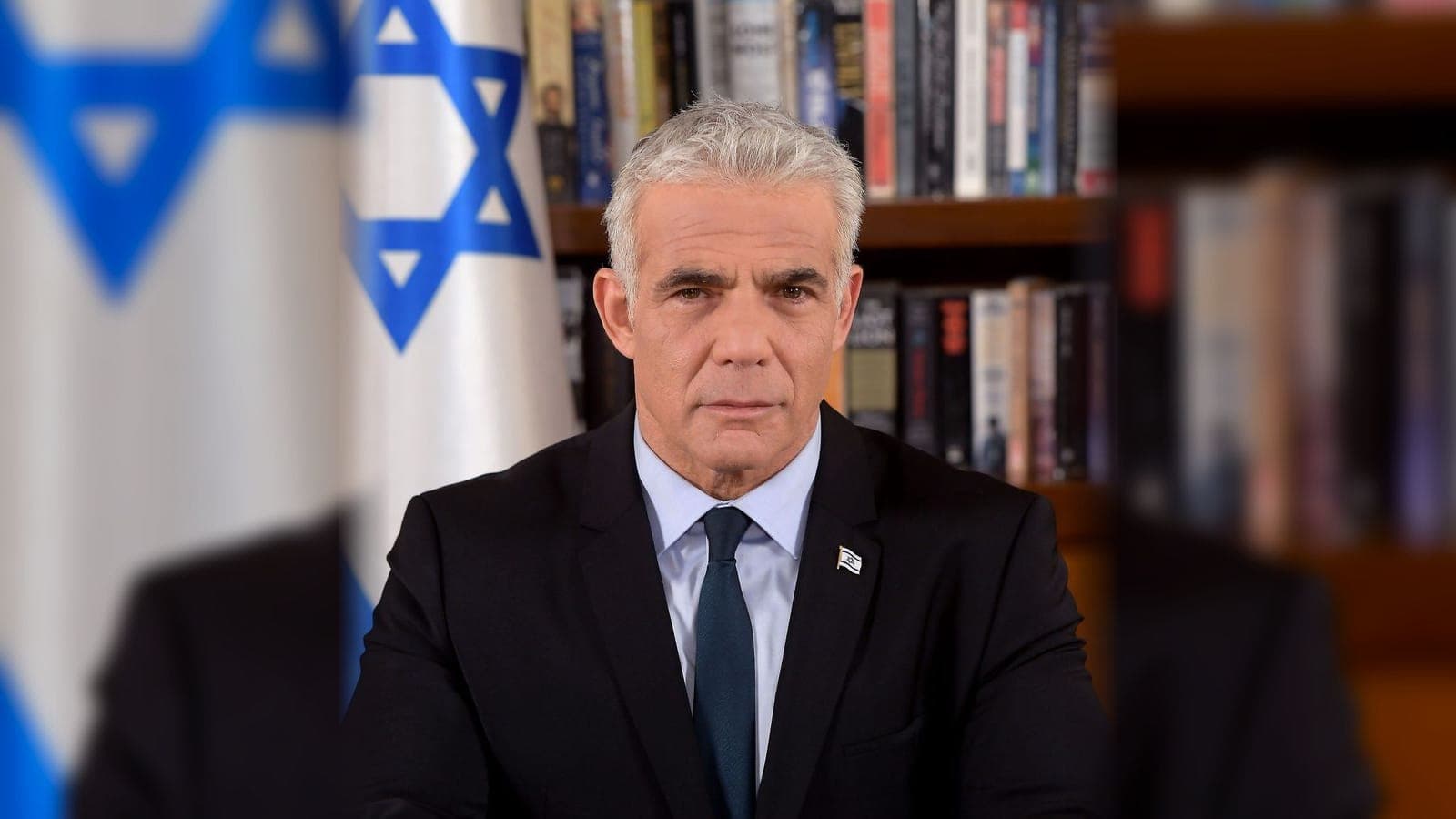
File photo
Elections
Lapid asks for patience, says work under way behind post-election silence
File photo
Elections
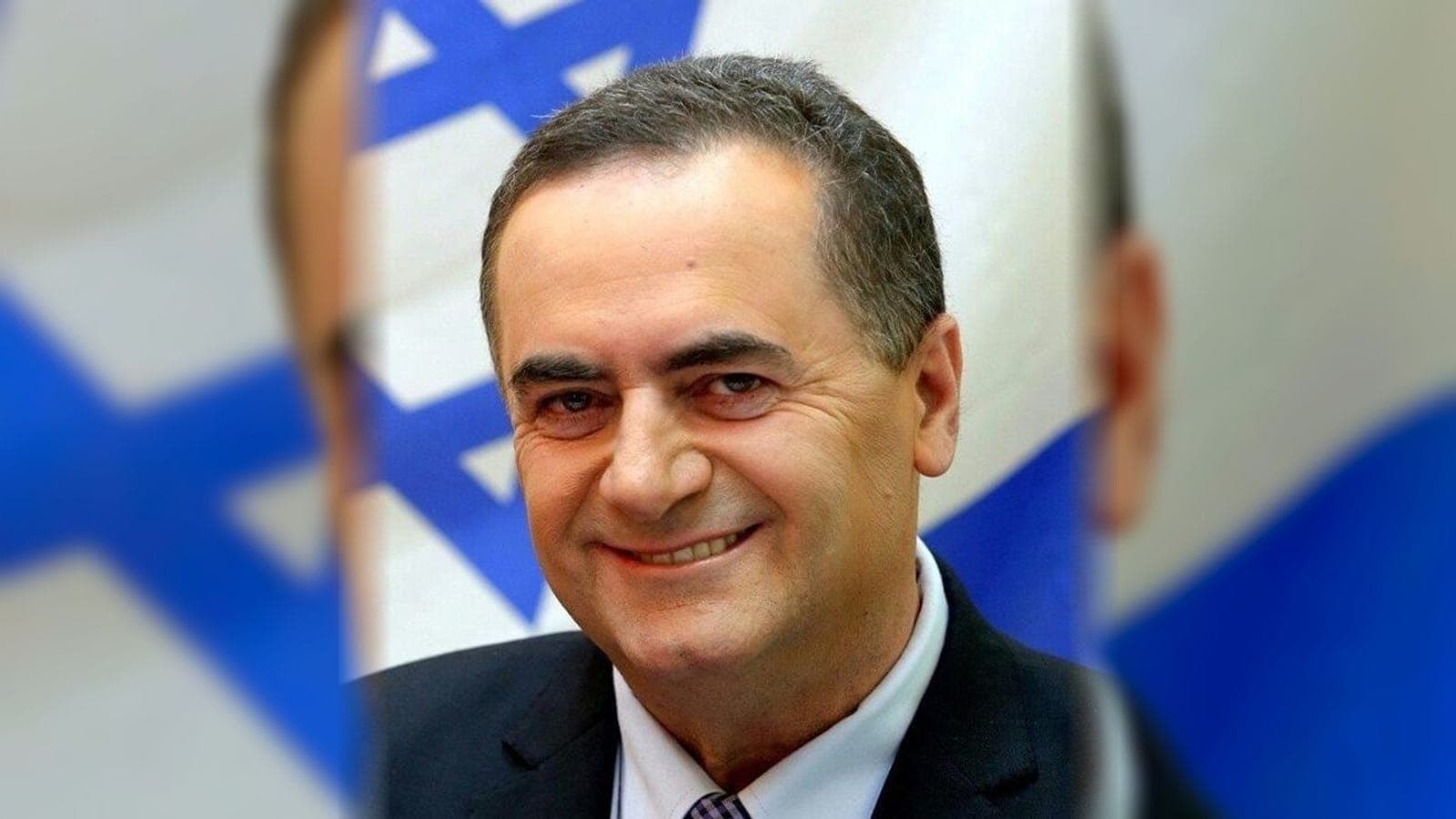
Katz says Lapid, Bennett and Golan will carry blame for any pre-election attack
File photo
Elections
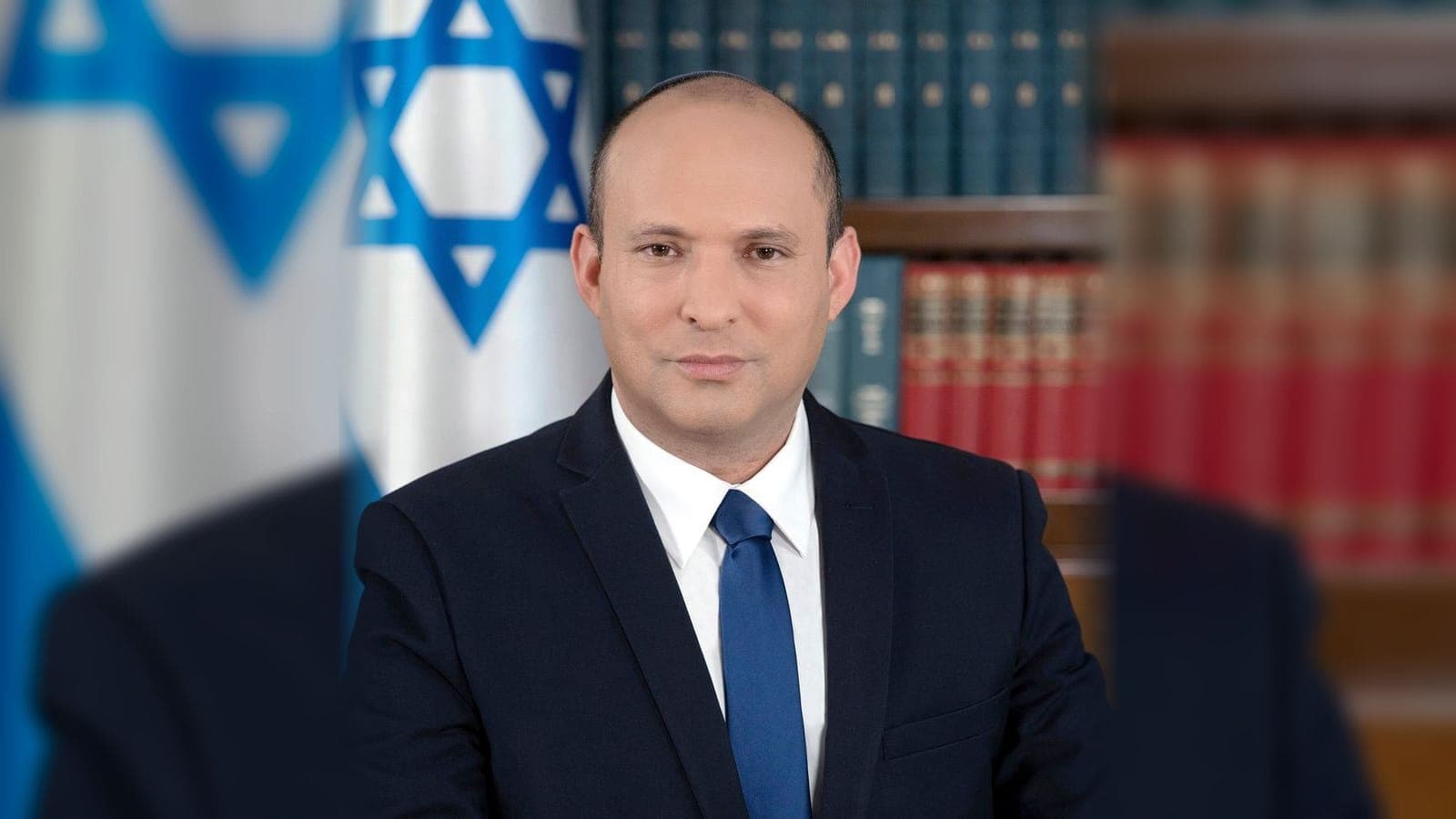
Bennett tells Netanyahu to declare Qatar an enemy over election interference claims
File photo
Elections
Bennett tells supporters Netanyahu has lost as exit polls give his party 12 to 13 seats
Sources and further reading
Every link below was opened and checked when this page was written. Official statements are marked as such: they are the subject's own account, not an independent one.
- Reportingyediothynet.co.ilYnet
- Reportingtoitimesofisrael.comThe Times of Israel
How we checked this
The election result, Lapid's Friday statement and the 53 seats for Netanyahu's bloc appear in reports from both Ynet and The Times of Israel. The 24-to-5 figure and the Likud quotes come from Ynet alone; the 67-seat total, Likud's 27 seats and the coalition refusals come from The Times of Israel alone.
Our sourcing and corrections policy →The week from Israel, in one email
The stories that mattered, sourced and checked by the Israel.com newsroom. Free, weekly, one-click unsubscribe.
One list, unsubscribe in a click. See our privacy policy.

Israel.com is free, and readers like you keep it that way.
The Israel.com newsroom checks every story against its sources and publishes it free. If this one helped, a contribution of any size keeps the next one free too.
One payment, nothing to sign up for. Another amount
Latest
- Shin Bet reportedly phones Hamas members in Gaza with a rooftop ultimatum
- Around 300,000 votes go to parties that missed Israel's electoral threshold
- Czech diplomat, 30, killed by minibus on Jerusalem's Agrippas Street
- Netanyahu and Ben Gvir meet on blocking a change-bloc minority government
- IDF says four arrested in Jenin area were trading in weapons
- Qatari mediators back in Tehran to pursue a US-Iran deal, reports say