Merz marks Kristallnacht at Munich synagogue, calls antisemitism 'omnipresent'
Speaking on the 1938 pogrom's anniversary, Germany's chancellor said guarded synagogues and kindergartens show the country faces a test of its 'Never again' pledge.
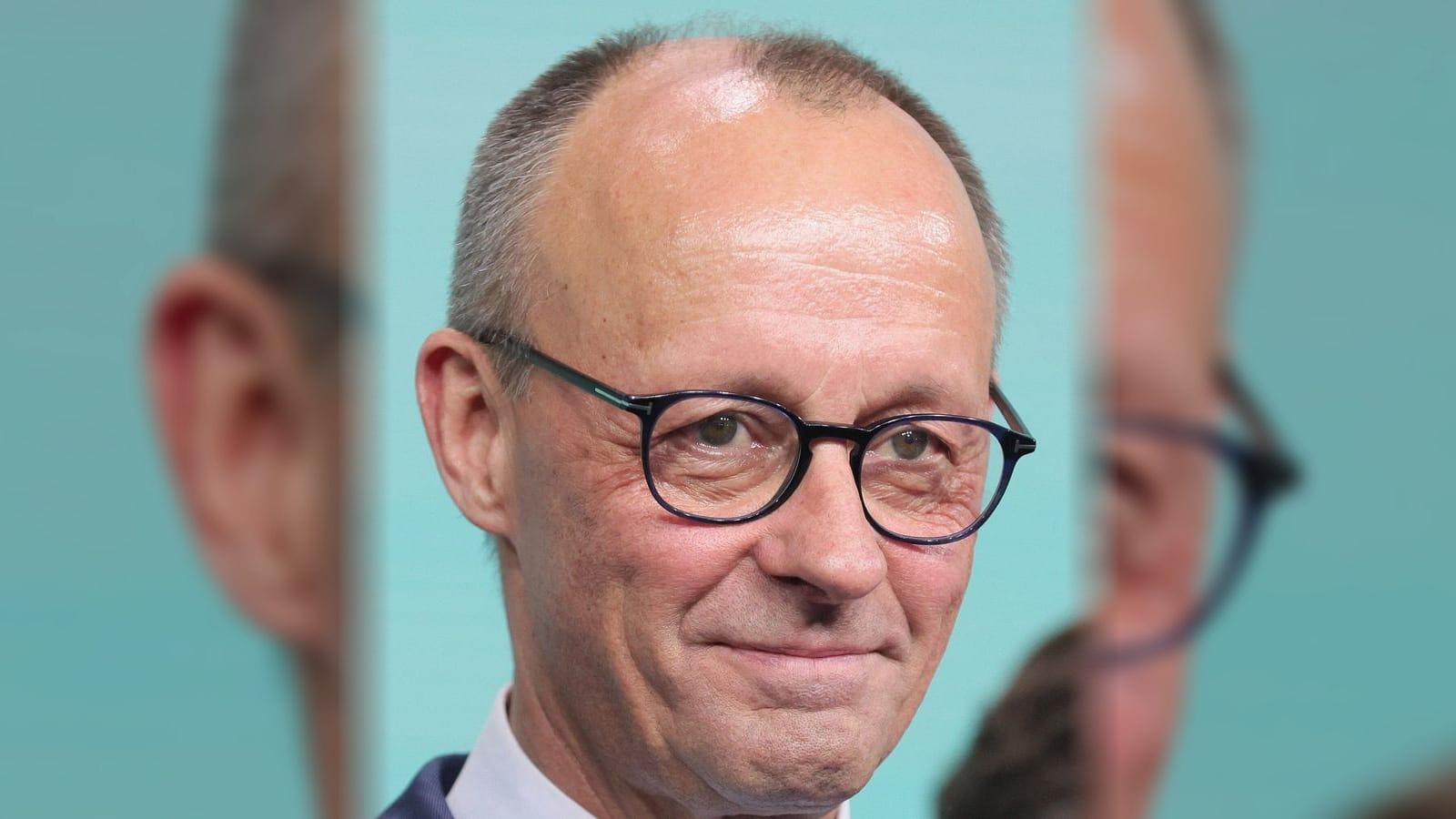
Friedrich Merz. File photo by Sandro Halank, Wikimedia Commons, CC BY-SA 4.0, via Wikimedia Commons.
German Chancellor Friedrich Merz used the anniversary of the Kristallnacht pogrom to warn that hostility toward Jews had become "omnipresent" in Germany and beyond, telling an audience at a Munich synagogue that the country was facing a test of its promise to protect its Jewish community. The Times of Israel reported that Merz spoke on Monday and described as a "horrifying sight" the fact that synagogues and even kindergartens need bulletproof glass and armed police officers outside them.
The speech was delivered on November 9, 2026, at the Ohel Jakob synagogue in Munich, during an event celebrating the 20th anniversary of the building, according to photo captions published with both reports. The Jerusalem Post framed the address as Merz describing a historic test for Germany in the face of rising antisemitism.
On the ground

German Chancellor Friedrich Merz warned that antisemitism has become “omnipresent" in the country and called for stronger protection of Jewish communities on the anniversary of Kristallnacht. jpost.com/diaspora/antis…
What Merz said
According to The Times of Israel, Merz said antisemitism could now be seen and heard in German streets, towns and cities, in neighbouring European countries and further afield, and in parliaments, clubs and schools. He tied that assessment directly to the phrase most associated with German remembrance of the Holocaust, calling the present "the moment of truth" for a "Never again" that Germans repeat often.
The chancellor also pledged that his government would do all it could to protect Jewish life, both inside Germany and in other countries, and he repeated Germany's long-standing backing for Israel, The Times of Israel reported. The available text of that report breaks off at this point, so the full content of his remarks about Israel is not included in the material we have.
Why November 9 matters in Germany
Kristallnacht, a German word usually rendered in English as the "Night of Broken Glass", refers to the pogrom of 1938, when Jewish homes, shops and synagogues were attacked under the Nazi regime. Historians and German officials treat it as a turning point that foreshadowed the Holocaust, in which more than 6 million European Jews were murdered. The anniversary is marked each year in Germany with memorial events, and German leaders often use the date to speak about antisemitism in the present.
Israel's week in five stories, every Friday
Sourced and checked by the Israel.com newsroom, with Shabbat times. Free, one-click unsubscribe.
One list, unsubscribe in a click. See our privacy policy.
The phrase "Never again" has served for decades as shorthand for the post-war commitment, in Germany and elsewhere, that the persecution and genocide of Jews must not be repeated. Merz's argument, as reported, was that this commitment is being measured not by what is said at commemorations but by whether Jewish institutions can function without heavy security.
The venue: Ohel Jakob in Munich
Munich is the capital of Bavaria, in southern Germany, and was closely associated with the rise of the Nazi movement. Ohel Jakob, Hebrew for "Tent of Jacob", is the city's main synagogue. The event at which Merz spoke celebrated the building's 20th anniversary, according to the photo captions carried by both outlets, which credited the images to the AP and Reuters pool.
Next story Courts & Crime
Palestinian flag hoisted at Berlin's Reichstag a day before Kristallnacht anniversary
Choosing a working synagogue rather than a memorial site placed the speech in a building that, like many Jewish institutions in Germany, operates under police protection. That is the situation Merz himself pointed to when he described armed guards and bulletproof glass as part of everyday Jewish life.
How the speech fits a wider picture
Merz's description of antisemitism appearing in parliaments, clubs and schools, as well as in public spaces, presented the problem as one that crosses social settings rather than being confined to the street. By extending the warning to Germany's European neighbours and the wider world, he also cast it as an international issue. His pledge to protect Jewish life abroad, as well as at home, reflected that broader framing.
For diaspora readers, the remarks are notable chiefly because they come from the head of the German government, and because they link the language of Holocaust remembrance to present-day security arrangements around Jewish schools and places of worship.
What the reports do not say
Neither report, in the material available, describes any specific new measures, funding or legislation that Merz announced to back his pledge to protect Jewish life. Neither cites figures on antisemitic incidents to support the description of the problem as "omnipresent". No response from Jewish community leaders in Munich or Germany, or from the Israeli government, is reported. The full wording of Merz's remarks on Israel is also not included in the text we have.
Read next
All religion →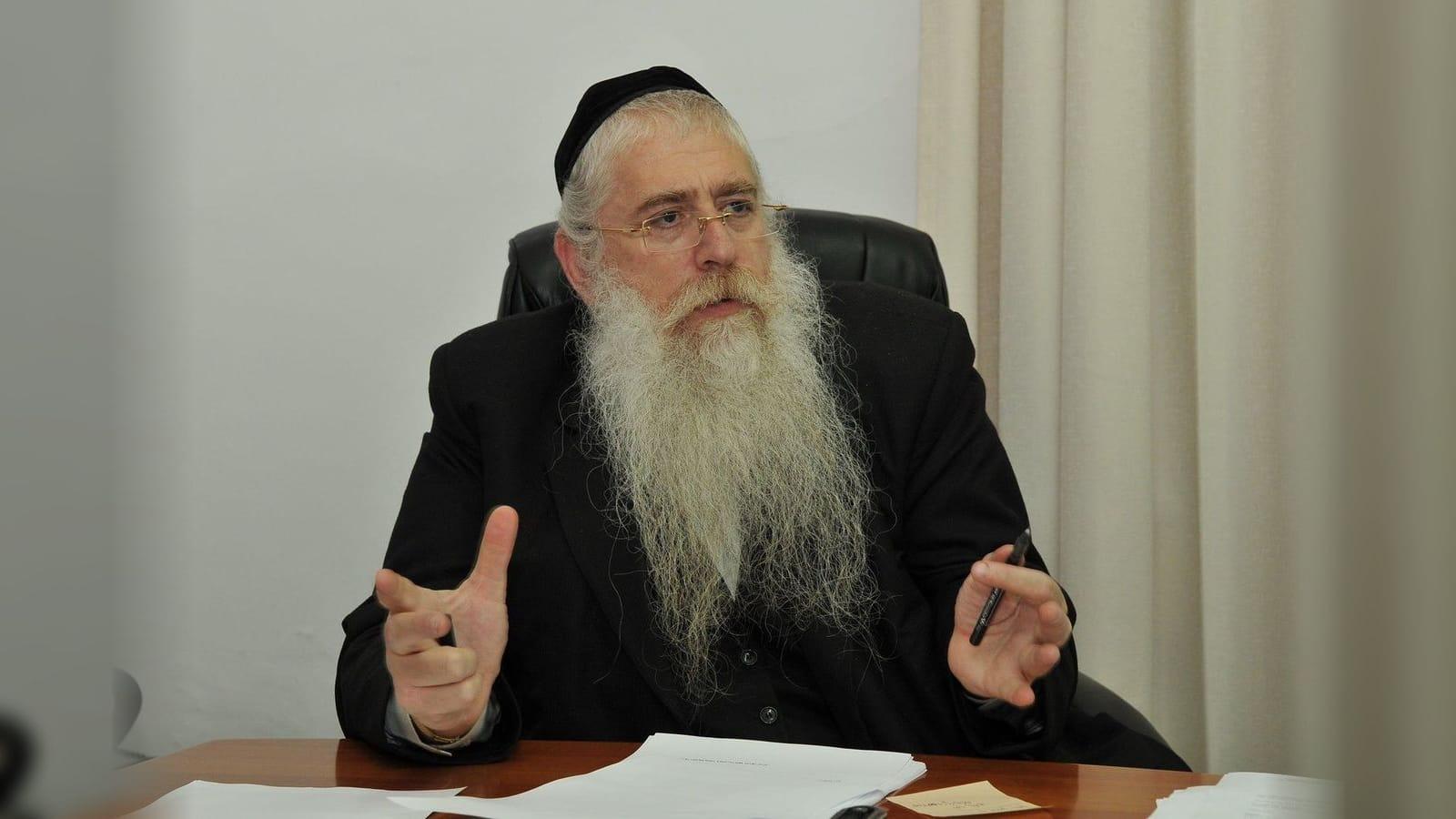
File photo
Religion
Porush-linked paper HaMevaser says no government without yeshiva status deal
File photo
Religion
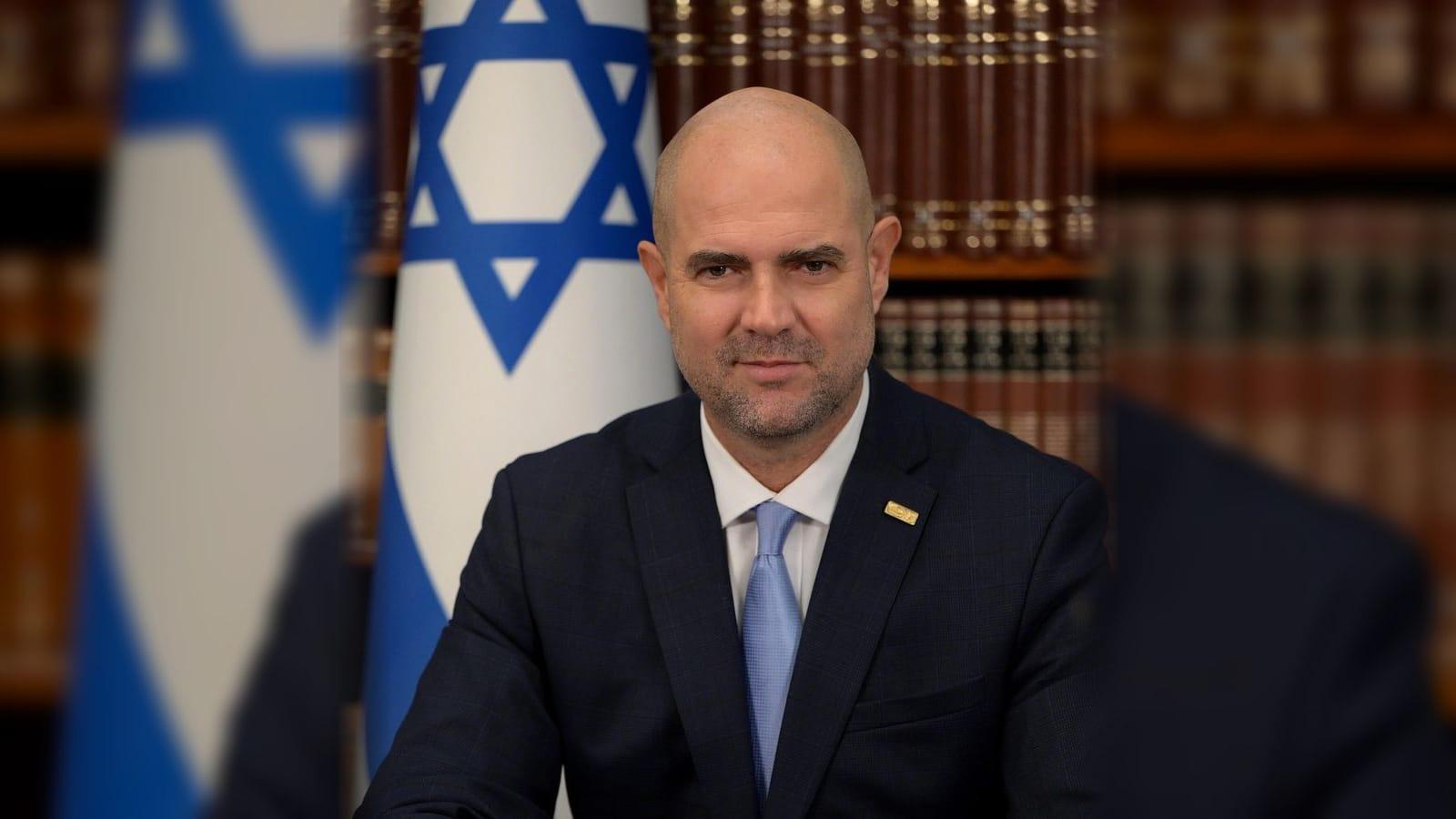
Ohana rules out day-one vote as Yashar! seeks Haredi backing to replace him
File photo
Religion
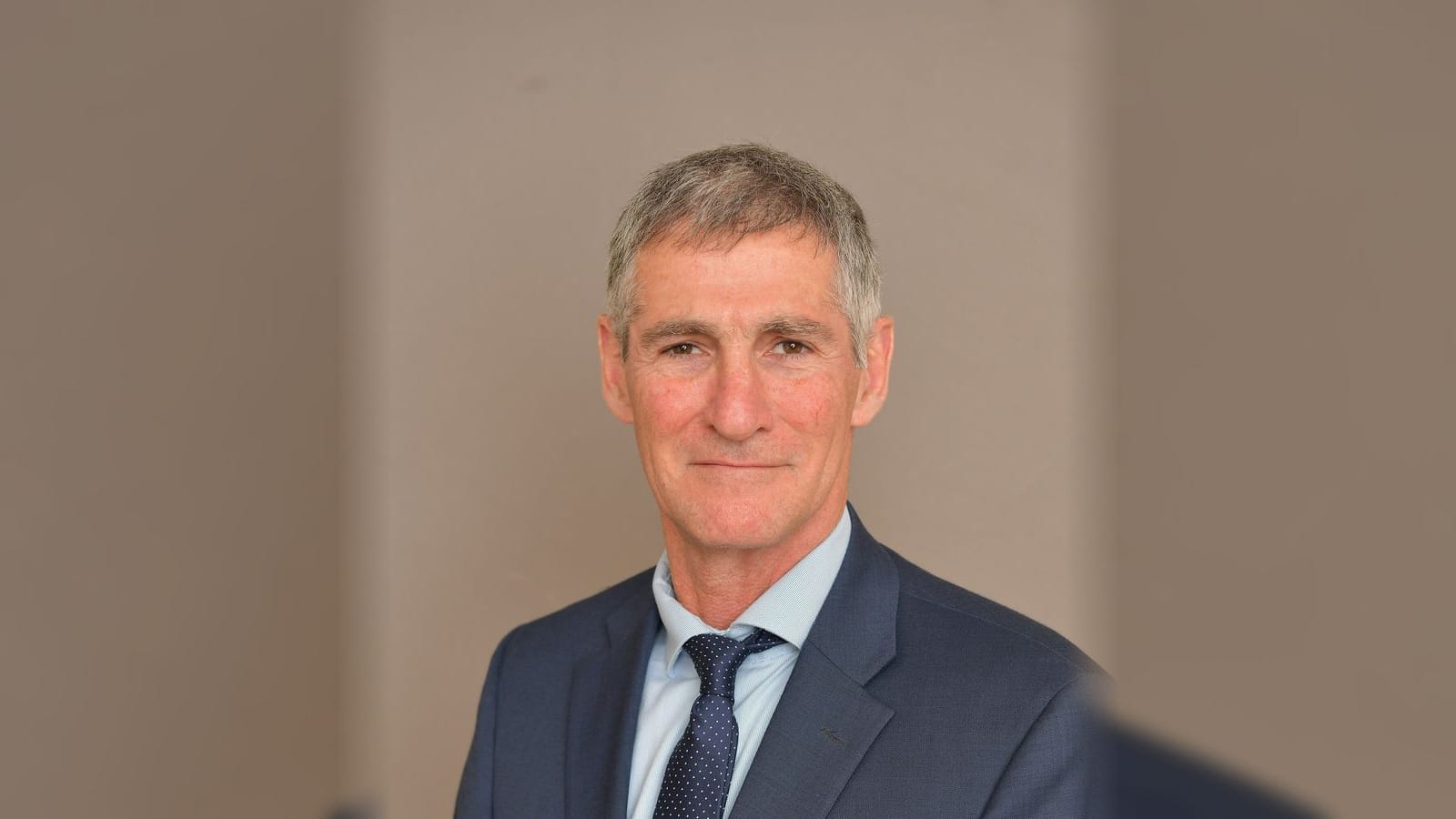
Yair Golan tells Haredim a partnership with his Democrats starts in Ramat Gan
File photo
Religion
Shas rabbis order Deri to stay on as leader, and Deri says he accepts
Sources and further reading
Every link below was opened and checked when this page was written. Official statements are marked as such: they are the subject's own account, not an independent one.
- Reportingtoitimesofisrael.comThe Times of Israel
- Reportingjpostjpost.comThe Jerusalem Post
How we checked this
The speech was reported by The Times of Israel and The Jerusalem Post; the direct quotations and details of its content come from The Times of Israel's account, as the Jerusalem Post text available to us was limited to its headline and photo caption.
Our sourcing and corrections policy →The week from Israel, in one email
The stories that mattered, sourced and checked by the Israel.com newsroom. Free, weekly, one-click unsubscribe.
One list, unsubscribe in a click. See our privacy policy.

Israel.com is free, and readers like you keep it that way.
The Israel.com newsroom checks every story against its sources and publishes it free. If this one helped, a contribution of any size keeps the next one free too.
One payment, nothing to sign up for. Another amountGive monthly
Latest
File photo

Illustration
Illustration
Illustration

Illustration
File photo