Netanyahu briefs opposition leader Lapid on possible attacks ahead of elections
The Prime Minister's Office says intelligence officers set out warnings of possible attacks on several fronts before the vote, in a briefing for Yair Lapid.
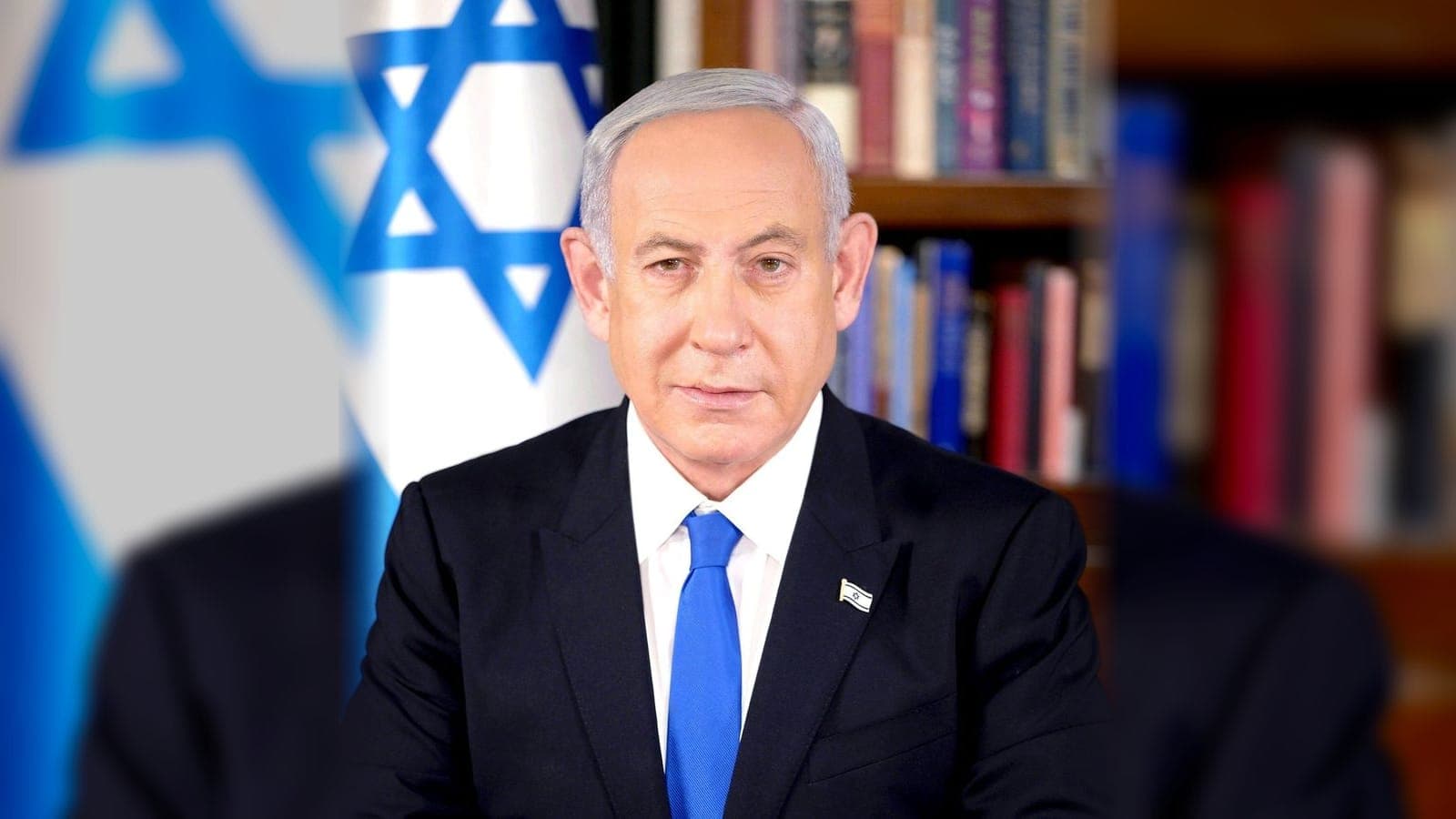
Benjamin Netanyahu. File photo by Avi Ohayon, CC BY-SA 3.0, via Wikimedia Commons.
Prime Minister Benjamin Netanyahu has given a security briefing to Yair Lapid, the Head of the Opposition, at which warnings of possible attacks in the run-up to Israel's elections were laid out, according to a statement from the Prime Minister's Office. The statement was published on 30 September 2026 and said the meeting had ended shortly before it was released.
Two officials attended alongside the two politicians: the prime minister's Military Secretary and the Intelligence Officer of the Military Secretariat. During the intelligence portion of the meeting, the office said, alerts concerning possible attacks on what it described as the various fronts were presented in detail, with the elections given as the time frame.
On the ground

Prime Minister's Office announcement: Prime Minister Benjamin Netanyahu completed a short while ago a security update briefing with Head of the Opposition, Yair Lapid, attended by the Prime Minister's Military Secretary and the Intelligence Officer of the Military Secretariat. Show more
Who was in the room
Benjamin Netanyahu heads the government, which the Prime Minister's Office lists as the 37th Government in the country's history. Yair Lapid holds the title Head of the Opposition, a formal position in the Knesset, Israel's parliament. The role is held by the leader of the largest party outside the governing coalition, and it carries a recognised status that includes receiving updates from the prime minister on state matters, including security.
The Military Secretary is a senior officer from the Israel Defense Forces (IDF) who works inside the prime minister's office. The post serves as a link between the head of government and the military and intelligence establishment, handling the flow of security information to the prime minister. The Military Secretariat is the small staff that supports that role, and its intelligence officer prepares and presents the classified picture to the prime minister. The statement did not name either officer.
Why a briefing for the opposition matters
Meetings of this kind are a routine feature of Israeli political life, even between rivals. Netanyahu and Lapid lead opposing camps, and the briefing took place with an election approaching. Sharing intelligence with the opposition leader is intended to ensure that the person who could form the next government, or who speaks for a large share of the electorate, has access to the same security assessment as the government on matters of national importance.
Get an email the day Israel has a new government.
Coalition talks can take weeks. When a government is sworn in, Israel.com's newsroom emails who leads it, which parties are in and who got which ministry, then the Friday email each week. Free, and one click unsubscribes.
One list, unsubscribe in a click. See our privacy policy.
The Prime Minister's Office often announces such sessions in brief statements that confirm the meeting took place and outline its subject without disclosing the content of the intelligence itself. This announcement follows that pattern: it identifies the participants and the general topic, and goes no further.
The reference to multiple fronts
Israeli officials commonly use the phrase "the various fronts" to refer to the different arenas from which the country faces security threats. The statement did not specify which fronts were discussed, which groups or states the alerts concerned, or what type of attacks were considered possible. It linked the warnings only to the period ahead of the elections.
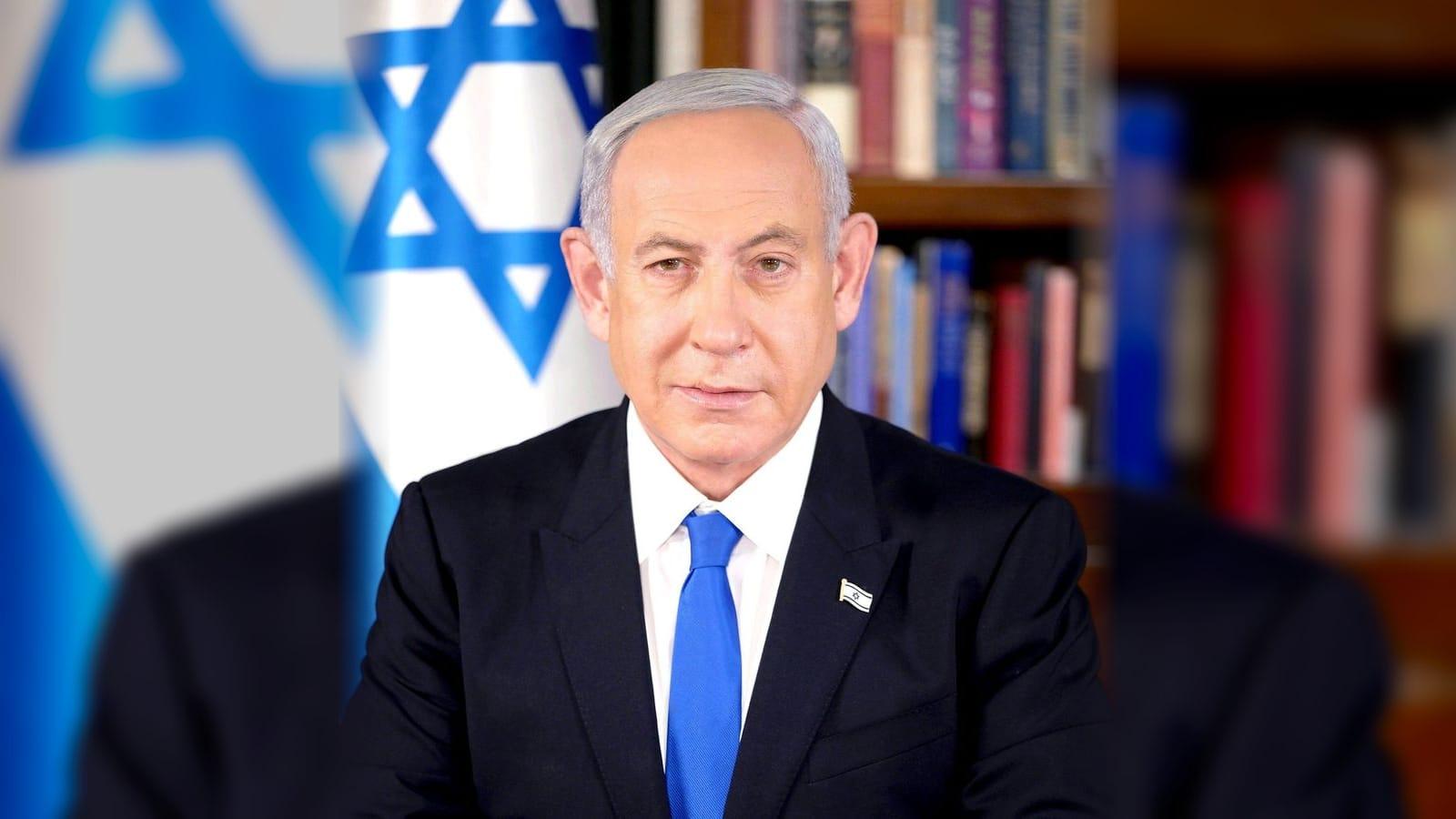
File photo
Next story Government
Likud sets out its terms for a national unity government with Netanyahu
Election periods in many countries draw particular attention from security services, both because of the potential for attempts to disrupt voting or campaigning and because of concerns about hostile actors seeking to influence the political process. The statement from the Prime Minister's Office did not say whether either of these concerns was part of what was presented, and it should not be read as indicating one or the other.
What the statement does not say
The announcement is short and leaves most questions unanswered. It does not identify the fronts in question, the source or reliability of the alerts, or whether the threat level has changed compared with previous assessments. It does not give the date of the elections. It does not say how long the meeting lasted, where it was held, or whether any decisions or requests came out of it.
Nor does it convey any response from Lapid. This account rests on a single government statement, and no comment from the opposition leader or his office was included in the material available. It is also not known from the statement whether the public is being asked to take any precautions, or whether the alerts presented are specific warnings or general assessments.
People in this story: Benjamin Netanyahu, Yair Lapid
Read next
All elections →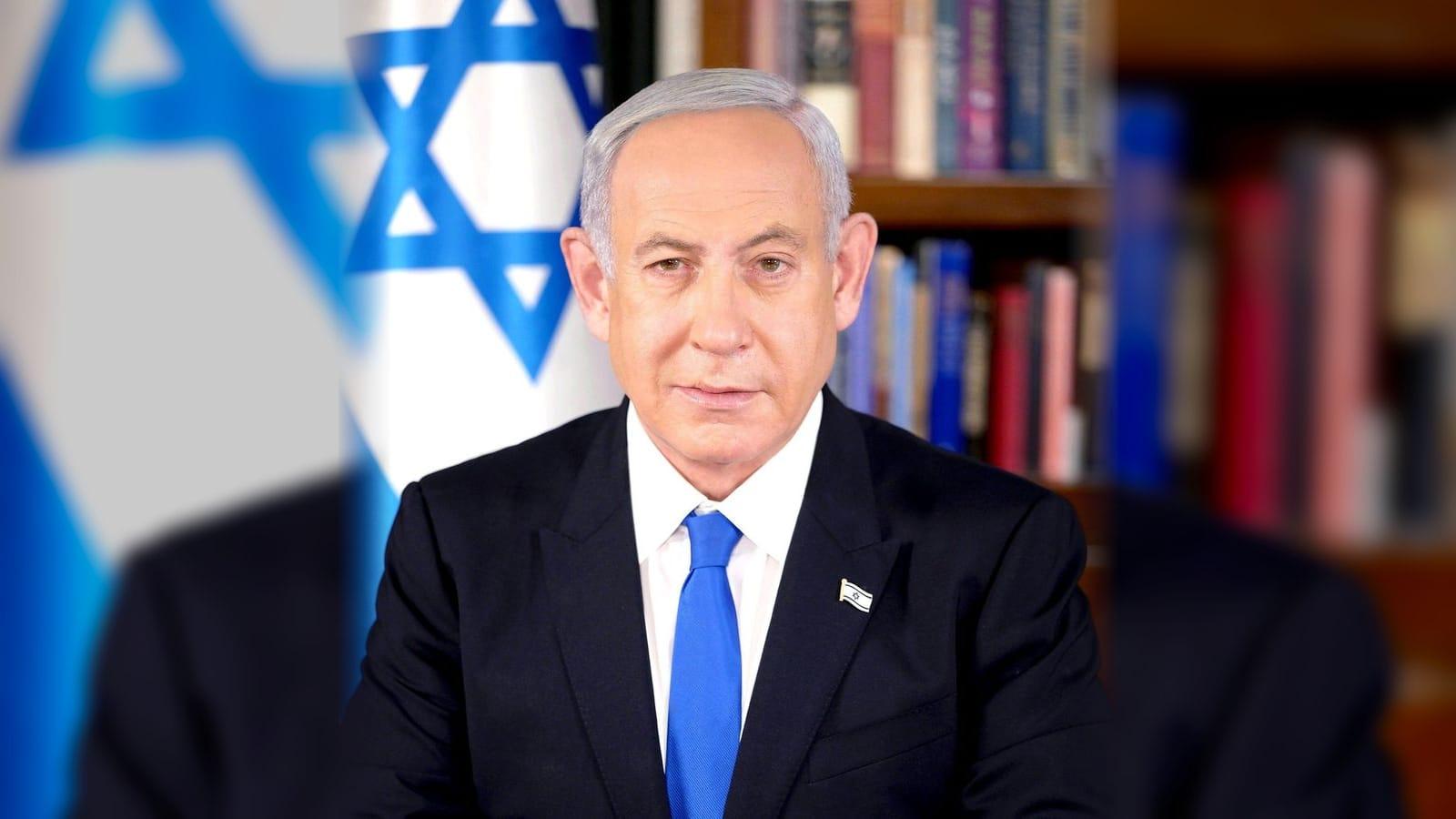
File photo
Elections
Netanyahu tells Bennett, Eisenkot and Liberman Israel faces a historic crossroads
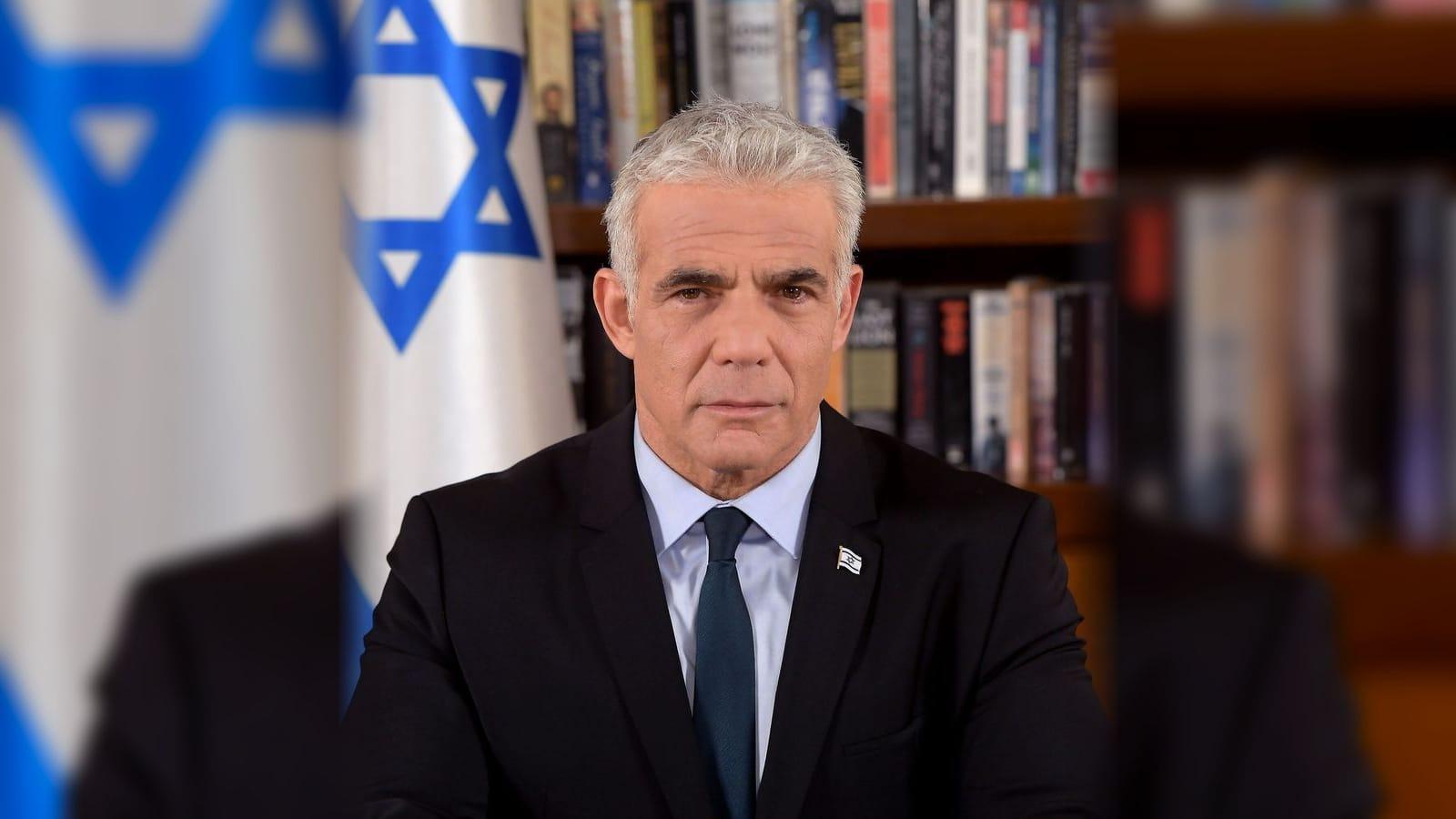
File photo
Security
Lapid accuses Netanyahu and Ben Gvir of branding all Arab lawmakers as terror backers
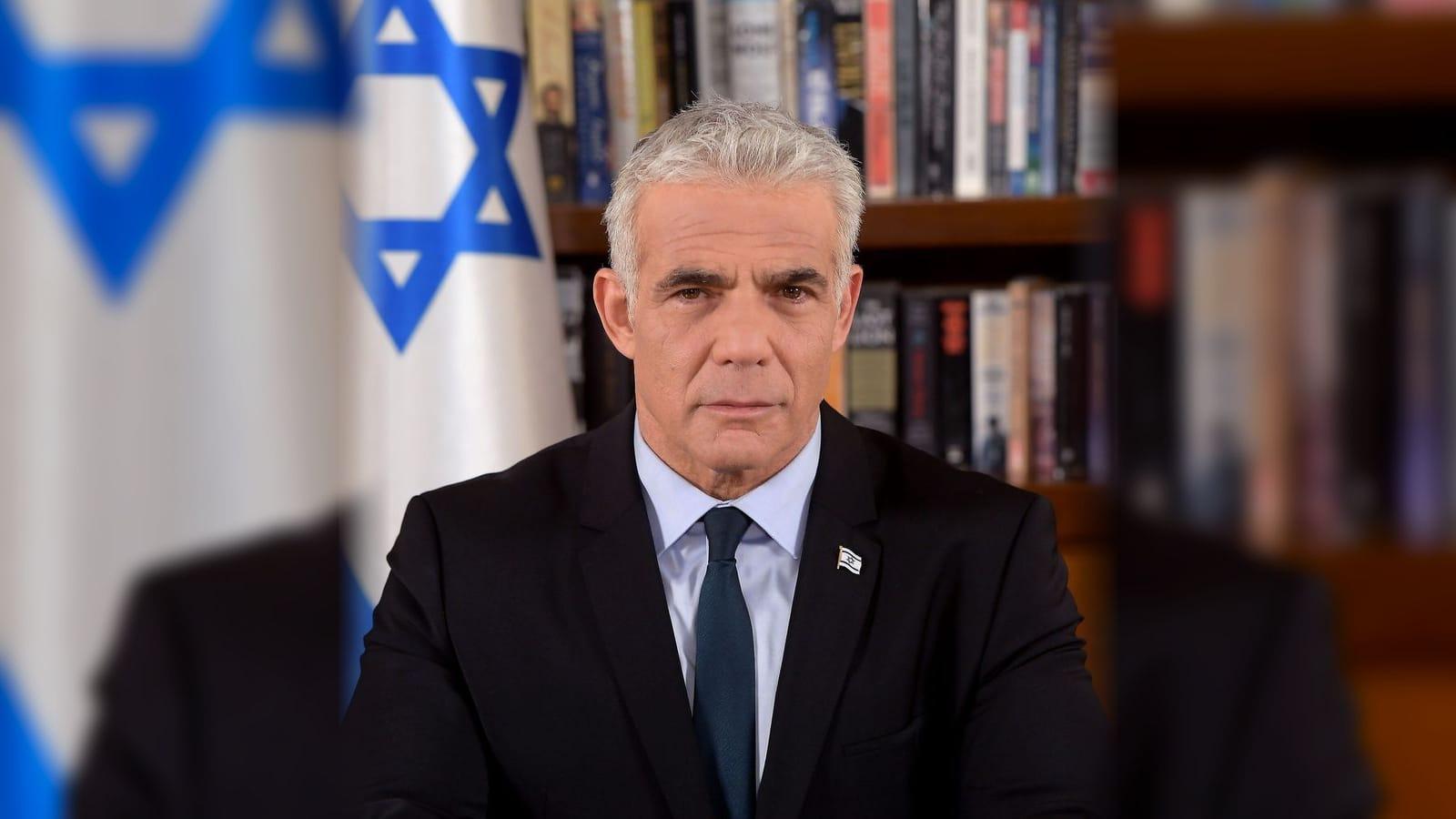
File photo
Elections
Lapid rejects unity with Netanyahu, calls keeping him in office madness
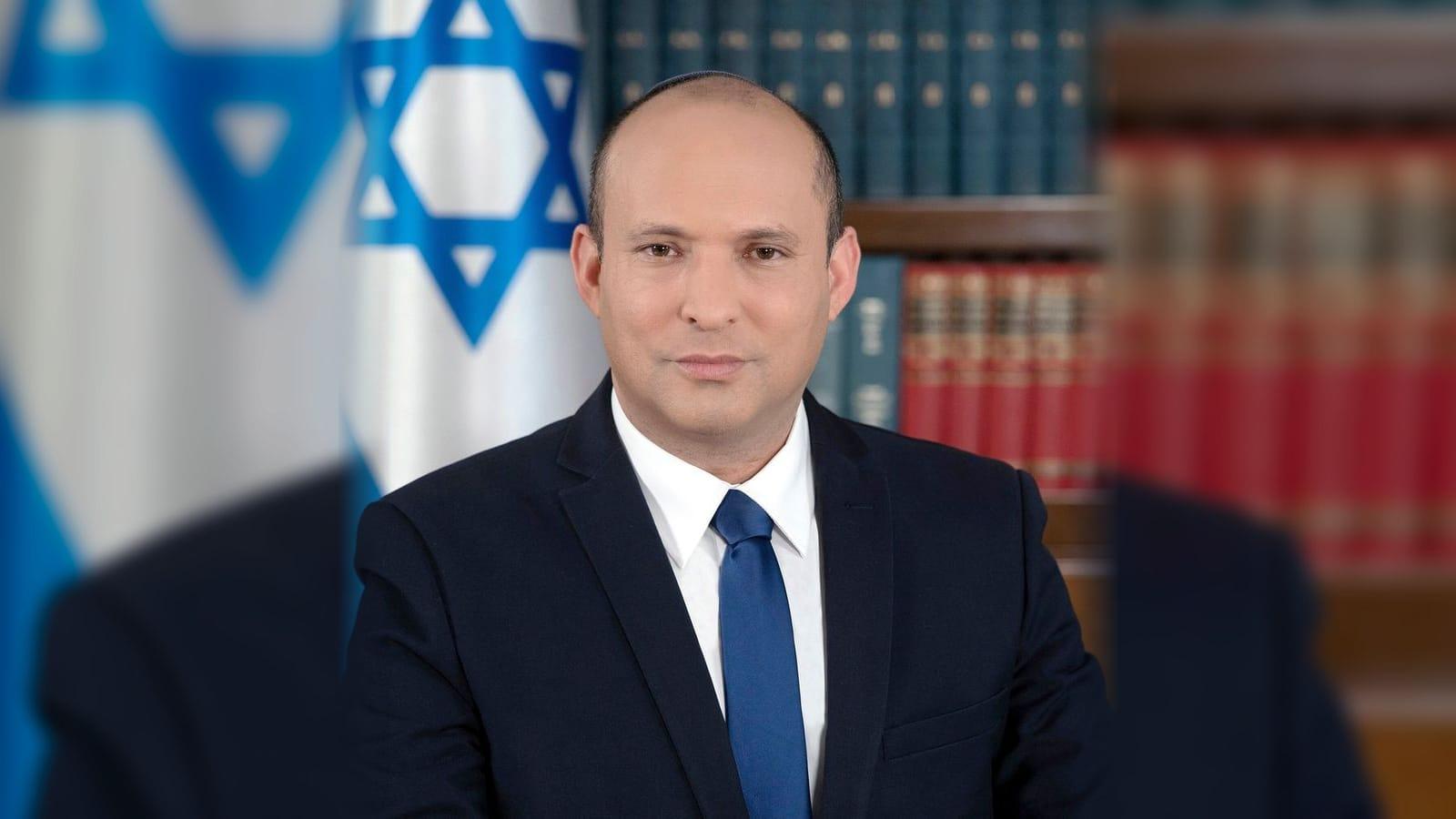
File photo
Elections
Bennett and Lapid clash over relying on Arab votes, per Amit Segal
Sources and further reading
Every link below was opened and checked when this page was written. Official statements are marked as such: they are the subject's own account, not an independent one.
- Officialgov.ilgov.ilIsraeli government press release
How we checked this
This report is based solely on a statement from the Prime Minister's Office; no other organisation's account was available. The content of the briefing and the description of the alerts are attributed to that office alone.
Our sourcing and corrections policy →
The week from Israel, in one email
The stories that mattered, sourced and checked by the Israel.com newsroom. Free, weekly, one-click unsubscribe.
One list, unsubscribe in a click. See our privacy policy.

Israel.com is free, and readers like you keep it that way.
The Israel.com newsroom checks every story against its sources and publishes it free. If this one helped, a contribution of any size keeps the next one free too.
One payment, nothing to sign up for. Another amountGive monthly
Latest
File photo

Illustration

Illustration

Illustration

File photo
Illustration