Netanyahu calls for a unity government, and Eisenkot's party calls it spin
The prime minister used the phrase unity government for the first time but wants his whole bloc included; Gadi Eisenkot's party rejected the offer on those terms.
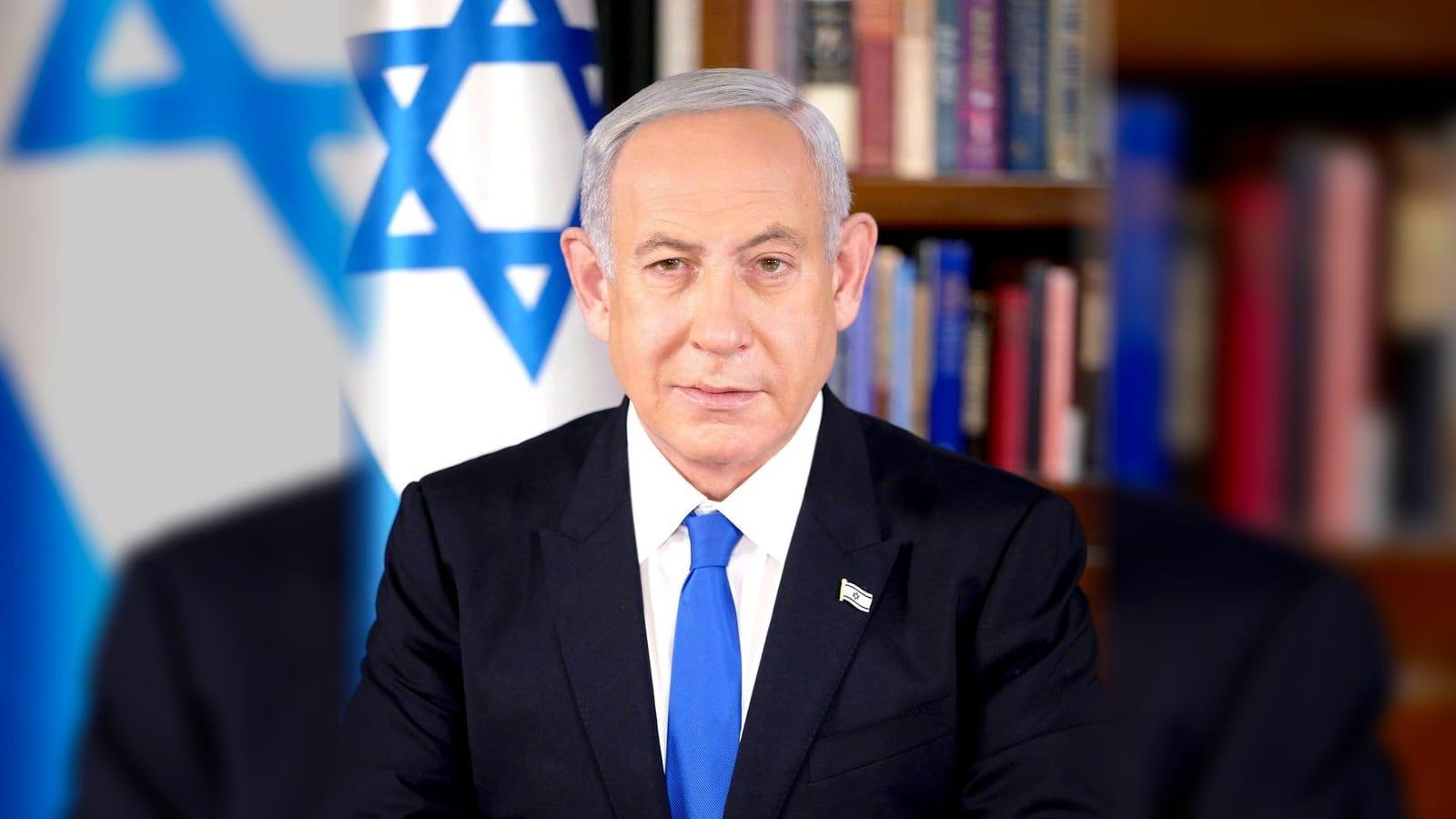
Benjamin Netanyahu. File photo by Avi Ohayon, CC BY-SA 3.0, via Wikimedia Commons.
Prime Minister Benjamin Netanyahu has called for a "unity government" for the first time, while insisting that every party in his current political bloc be part of it, Ynet reported. The Israeli news site described the move as a defensive manoeuvre, made amid concern in Netanyahu's camp that Gadi Eisenkot might succeed in bringing the ultra-Orthodox parties into a government of his own.
Eisenkot's party, Yashar!, answered quickly and dismissively. News.co.il reported that the party labelled the prime minister's remarks a panicked declaration and a "pathetic spin", and said a unity government could come about only once what it called the extremist bloc had been dismantled and with Eisenkot at its head. Ynet quoted Eisenkot describing Netanyahu as hysterical and urging him to break his alliance with the extremists.
On the ground

Netanyahu: This is a time for unity, yet there are those who intend to hastily swear in a government that includes terror supporters
Who the main figures are
Benjamin Netanyahu leads Likud and heads a bloc of right-wing and religious parties. Gadi Eisenkot is a former chief of staff of the Israel Defense Forces (IDF) who now leads his own party, Yashar!, and is positioning himself as an alternative candidate for prime minister. The term "bloc" in Israeli politics refers to a group of parties that commit, formally or informally, to backing one candidate to form a government. Because no single party has ever won a majority in the Knesset, Israel's parliament, governments are always coalitions, and the question of which parties will sit together decides who becomes prime minister.
Itamar Ben Gvir, named in the Yashar! response, leads the far-right Otzma Yehudit (Jewish Power) party and is a member of Netanyahu's bloc. The ultra-Orthodox, or Haredi, parties have long been central partners in Netanyahu's governments, which is why any sign that they might be open to another candidate draws close attention.
What each side is demanding
According to Ynet, Netanyahu's call for unity came with a condition that all the parties of his bloc join any such government. In practice that would keep Ben Gvir and his allies inside the coalition.
Get an email the day Israel has a new government.
Coalition talks can take weeks. When a government is sworn in, Israel.com's newsroom emails who leads it, which parties are in and who got which ministry, then the Friday email each week. Free, and one click unsubscribes.
One list, unsubscribe in a click. See our privacy policy.
Yashar! rejected that framing. Ynet reported that the party pledged to establish a "national emergency government" and ruled out sitting with Netanyahu for as long as he remains tied to Ben Gvir, saying that until then the offer amounted to spin. The News.co.il account adds a further condition not spelled out in the Ynet report: that a unity government would have to be led by Eisenkot. The party, according to News.co.il, turned down calls to join under the existing terms.
The Haredi question and Yair Golan's conditions
Ynet also reported on the position of Yair Golan, who leads The Democrats, a left-wing party that would be part of any government built around Eisenkot. Golan said he was prepared for a "partnership" with the Haredi parties, but set out a series of strict conditions. Ynet quoted him saying, in effect, that the ultra-Orthodox would meet his party in Ramat Gan, not in Bnei Brak.
File photo
Next story Elections
Netanyahu vows to keep far-right allies as Eisenkot seeks a path to change
The two cities sit side by side east of Tel Aviv. Bnei Brak is overwhelmingly Haredi, while Ramat Gan is a largely secular city. Golan's remark was a way of saying that any arrangement with the ultra-Orthodox parties would have to be on his camp's terms rather than theirs. Ynet's report did not list the specific conditions in the material available to us.
How the two reports differ
The two outlets agree on the core exchange: Netanyahu proposed a unity government, and Eisenkot's camp dismissed it as spin and demanded the break-up of his alliance with the far right. They differ in emphasis and attribution. Ynet attributes the sharpest language, calling Netanyahu hysterical, to Eisenkot himself, while News.co.il attributes the "panicked" and "pathetic spin" characterisation to his party. Only News.co.il reports the demand that Eisenkot lead any unity government; Ynet's account focuses on the refusal to sit with Netanyahu while he is aligned with Ben Gvir.
What the reports do not say
Neither report gives the full text or setting of Netanyahu's statement, or any response from Likud to the Yashar! rejection. Neither reports how the ultra-Orthodox parties themselves view Eisenkot's overtures or Golan's conditions, and the reports do not say whether any negotiations between the camps are actually under way. Ynet's description of Netanyahu's motives as a fear of losing the Haredi parties is the outlet's own analysis rather than something Netanyahu has stated.
Read next
All government →
File photo
Elections
Netanyahu bloc at 53 seats, Eisenkot bloc at 48 as regular ballots fully counted
File photo
Elections
Liberman backs Eisenkot for PM, Lapid for speaker, rules out Netanyahu
File photo
Elections
Eisenkot backs election chief's ruling, says Netanyahu sought to undo the vote

File photo
Security
Shin Bet chief Zini briefs Netanyahu and Eisenkot on suspected election interference
Sources and further reading
Every link below was opened and checked when this page was written. Official statements are marked as such: they are the subject's own account, not an independent one.
- Reportingyediothynet.co.ilYnet
- Reportingnewssilt.meNews.co.il
How we checked this
The unity call and Yashar!'s rejection were reported by both Ynet and News.co.il. The demand that Eisenkot lead any unity government appears only in News.co.il, and Golan's remarks and the account of Netanyahu's motives come only from Ynet.
Our sourcing and corrections policy →The week from Israel, in one email
The stories that mattered, sourced and checked by the Israel.com newsroom. Free, weekly, one-click unsubscribe.
One list, unsubscribe in a click. See our privacy policy.

Israel.com is free, and readers like you keep it that way.
The Israel.com newsroom checks every story against its sources and publishes it free. If this one helped, a contribution of any size keeps the next one free too.
One payment, nothing to sign up for. Another amountGive monthly
Latest
File photo · Chris Gallimore / Unsplash
File photo
File photo

Illustration

Illustration
