Netanyahu offered Eisenkot a one-year rotation; Eisenkot asked for three
Ynet and Kan report Netanyahu proposed sharing the premiership with Gadi Eisenkot, who countered on terms and, per Kan, wanted core policy issues settled first.
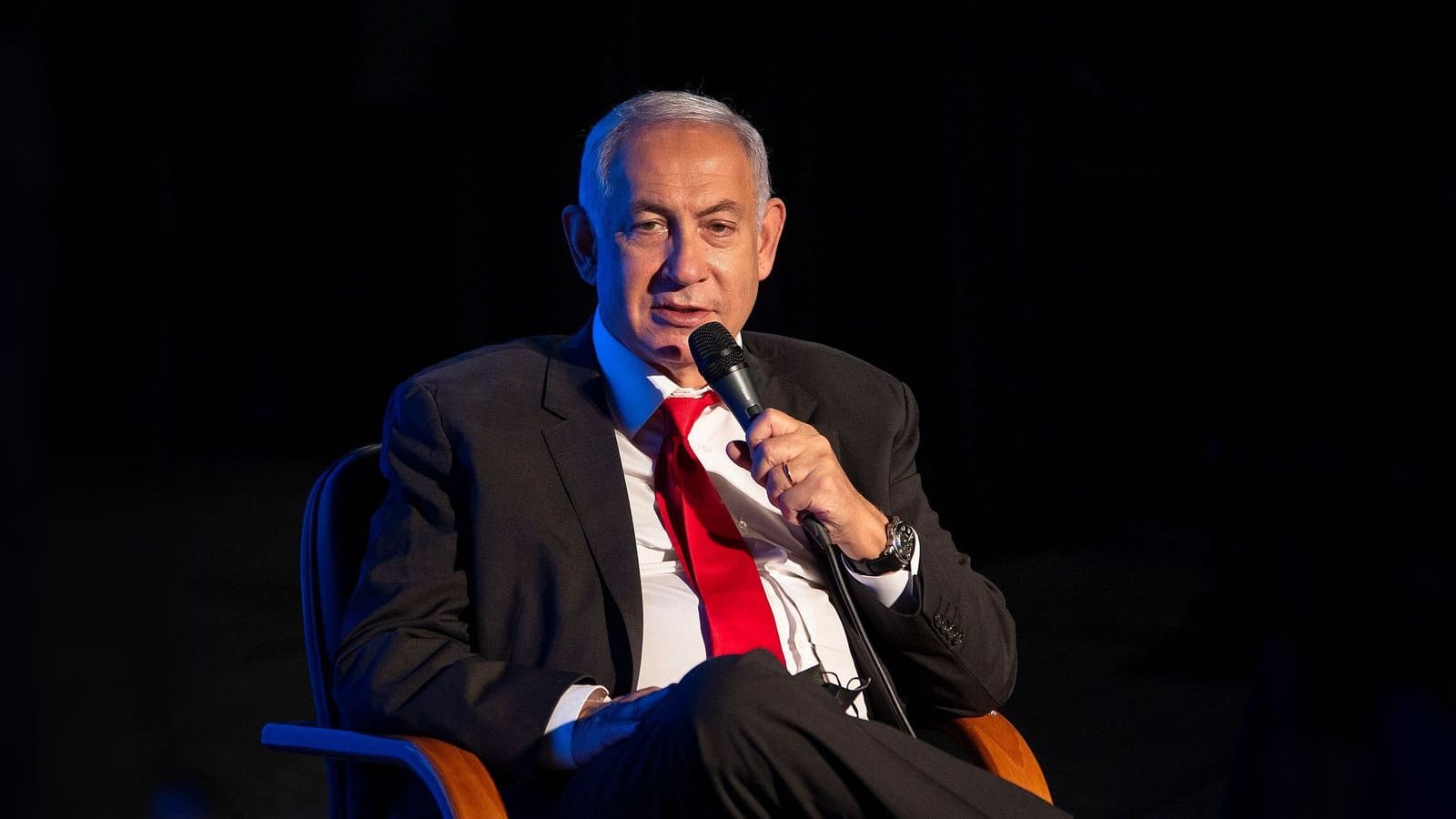
Benjamin Netanyahu. File photo by Alexander Khanin, CC BY-SA 4.0, via Wikimedia Commons.
Prime Minister Benjamin Netanyahu proposed to Gadi Eisenkot that the two men take turns as prime minister for a year at a time, Ynet reported on Sunday in what it described as an exclusive. According to the same report, Eisenkot replied that he would serve first, for three years, and that Netanyahu could follow him afterwards provided he had kept his commitments. The news site's alert channel summarised the offer as a rotation in which each would hold the premiership for one year, in the context of contacts over a unity arrangement, according to Ynet's alerts feed.
Ynet also reported that Netanyahu refused to drop Ben Gvir from the arrangement, and that, according to people it cited, the prime minister said he needed to finish what he was doing and remain in office through what was described as the security situation. The public broadcaster Kan gave a somewhat different picture of how the exchange unfolded and how it ended, reporting that the talks had broken down.
What the sources posted


הצעת נתניהו לאיזנקוט: להמשיך לכהן כרה"מ עד לרגיעה ביטחונית, ואז רוטציה לסירוגין; איזנקוט אינו מעוניין במתווה הזה, אך לא רצה לדון בנושא הרוטציה עד לסיכום הנושאים המהותיים: גיוס, ועדת חקירה ל-7 באוקטובר וחקיקה משפטית. בנושאים אלו השניים לא התקרבו להסכמות, והשיחות פוצצו Show more
On the ground

Gadi Eisenkot, who was tasked with forming a government, met with caretaker PM Benjamin Netanyahu to try and find an agreement on a possible coalition, without apparent success, according to media reports. ➡️ l.euronews.com/u9Cg

Two accounts of the same negotiation
The reports agree that a rotation was on the table and that Netanyahu was the one who raised it. They differ on its shape and on Eisenkot's response.
In Kan News's account, posted on X, Netanyahu's offer was that he would stay on as prime minister until the security situation calmed, with the two men alternating in the post after that. Kan said Eisenkot had no interest in that framework, but that he did not want to negotiate the rotation question at all until the substantive issues were agreed. Kan listed those issues as military conscription, a commission of inquiry into the 7 October attack, and legislation affecting the legal system. On none of them, Kan reported, did the two come close to agreement, and the talks collapsed.
Ynet's version, by contrast, attributes to Eisenkot a concrete counter-offer on the rotation itself: three years for him first. Ynet's account does not say the talks ended, while Kan's says they did. This article reports both versions; the material does not allow us to establish which is more complete.
Get an email the day Israel has a new government.
Coalition talks can take weeks. When a government is sworn in, Israel.com's newsroom emails who leads it, which parties are in and who got which ministry, then the Friday email each week. Free, and one click unsubscribes.
One list, unsubscribe in a click. See our privacy policy.
What a rotation means in Israeli politics
Israel's parliament, the Knesset, is elected by proportional representation, and no single party has ever won a majority on its own. Governments are therefore coalitions, and when two blocs of similar size need each other, they have at times agreed to a rotation: one leader serves as prime minister for an agreed period, then hands the post to the other. The arrangement is usually written into the coalition agreement, and its terms, especially who goes first and for how long, are among the most contested parts of any such deal. That is why the gap between the reported offer of one year each and the reported reply of three years first is significant.
Who the players are
Gadi Eisenkot is a former chief of the general staff of the Israel Defense Forces who entered politics after leaving the military. Ynet reported that, alongside his contacts with Netanyahu, he also met Naftali Bennett, a former prime minister.
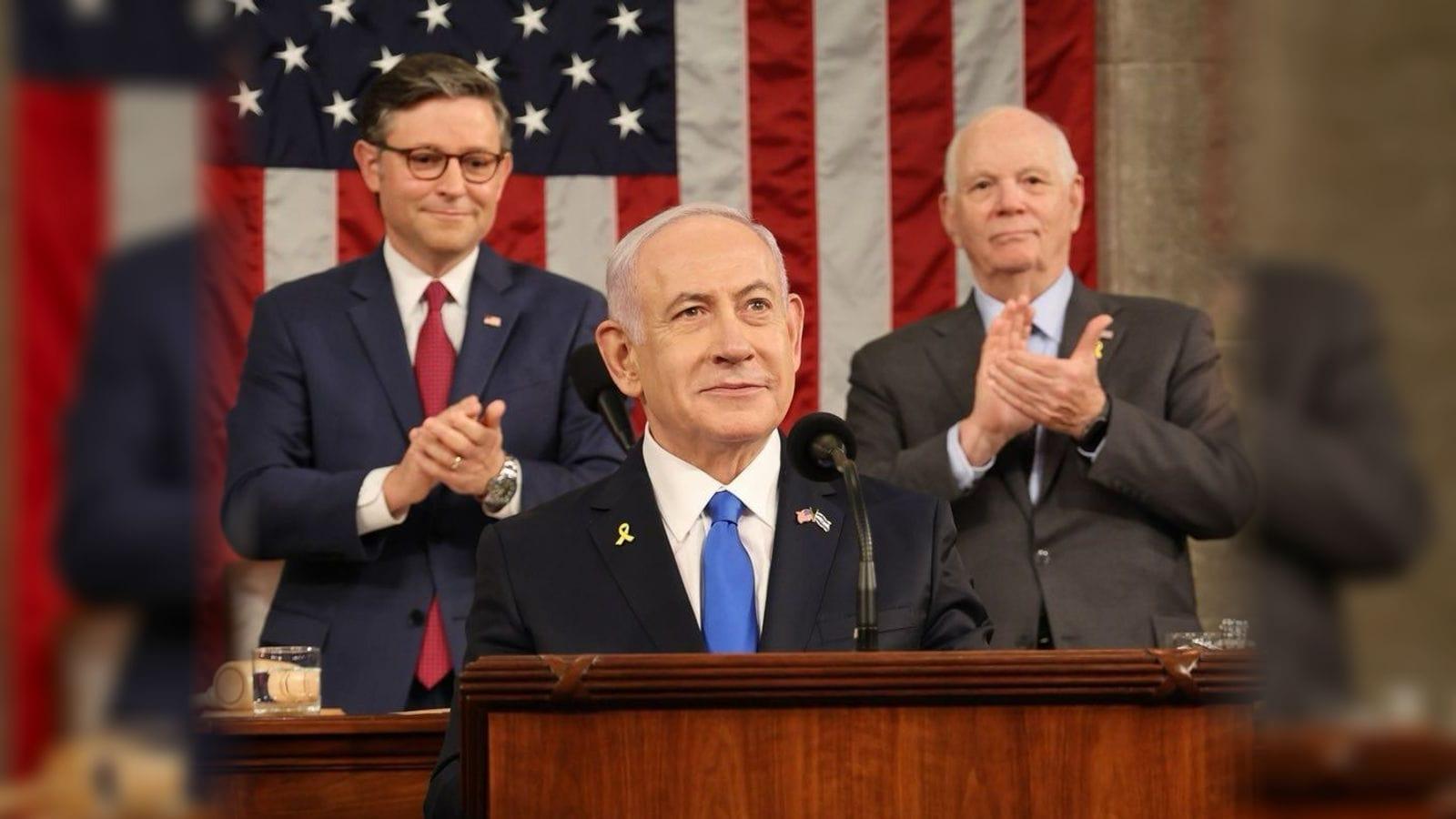
File photo
Next story Government
Netanyahu camp says Eisenkot has walked away from unity government talks
Ben Gvir, whom Ynet said Netanyahu would not give up, leads a far-right party that is part of Netanyahu's political camp. His inclusion appears in the Ynet account as a point of friction in the unity contacts.
Ynet's report also referred to the opening demands of United Torah Judaism, an alliance of ultra-Orthodox (Haredi) parties, and quoted a Haredi member of the Knesset attacking the process with the remark that nothing had been offered. The report summary does not set out what those demands are.
The issues Kan says blocked agreement
The three subjects Kan identified are long-running fault lines in Israeli politics. Conscription refers chiefly to the question of drafting ultra-Orthodox men into military service, from which many have been exempt. A commission of inquiry into 7 October refers to calls for a formal investigation into the failures surrounding the Hamas-led attack on southern Israel; the form and powers of such a body have been disputed. The legal legislation refers to government efforts to change the judicial system, which have been a source of deep division. According to Kan, these substantive points, rather than the timetable of a rotation, were where the two sides remained apart.
What the reports do not say
Neither Netanyahu's office nor Eisenkot's camp is quoted in the material confirming or denying the details, and the accounts rest on unnamed people close to the talks. The reports do not say whether the contacts will resume, what specific positions each side took on conscription, the inquiry or the legal legislation, or what United Torah Judaism is demanding.
People in this story: Benjamin Netanyahu, Gadi Eisenkot, Naftali Bennett
Read next
All elections →
File photo
Government
Netanyahu and Eisenkot meet at the Kirya on unity government, no deal reached
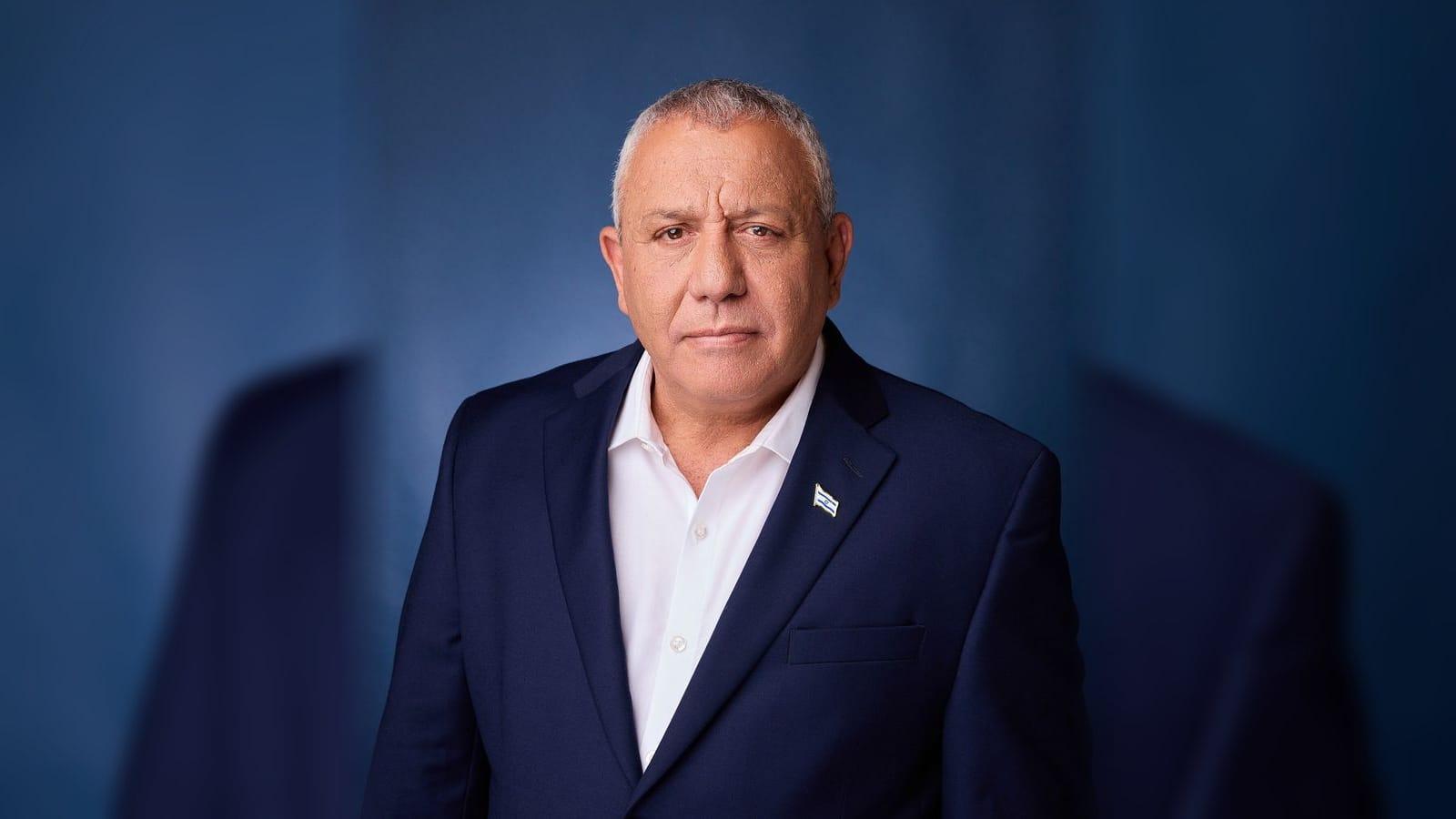
File photo
Government
Eisenkot ends unity talks with Netanyahu, eyes a minority government
File photo
Security
Eisenkot and Netanyahu to meet at Kirya military HQ on unity government
File photo
Elections
UTJ's Meir Porush urges Eisenkot to answer Netanyahu's unity call
See Israel.com first in Google's top stories.Add it as a preferred source on Google
Sources and further reading
Every link below was opened and checked when this page was written. Official statements are marked as such: they are the subject's own account, not an independent one.
- Reportingyediothynet.co.ilYnet
- Reportingyediotht.meYnet alerts
- Reportingkanx.comKan News on X
How we checked this
The rotation offer was reported by Ynet and by Kan, which differ on its terms and on Eisenkot's reply. The three-year counter-offer is reported only by Ynet, and the collapse of the talks only by Kan; both rely on unnamed people, and we have not verified the details independently.
Our sourcing and corrections policy →The week from Israel, in one email
The stories that mattered, sourced and checked by the Israel.com newsroom. Free, weekly, one-click unsubscribe.
One list, unsubscribe in a click. See our privacy policy.

Israel.com is free, and readers like you keep it that way.
The Israel.com newsroom checks every story against its sources and publishes it free. If this one helped, a contribution of any size keeps the next one free too.
One payment, nothing to sign up for. Another amountGive monthly
Latest
File photo

File photo
File photo

Illustration

Illustration

Illustration