Netanyahu shares nuclear blast image over Tel Aviv days before election
The prime minister reposted a simulated atomic explosion over Tel Aviv, 12 days after saying Israel had eliminated the nuclear threat, drawing charges of a scare campaign.
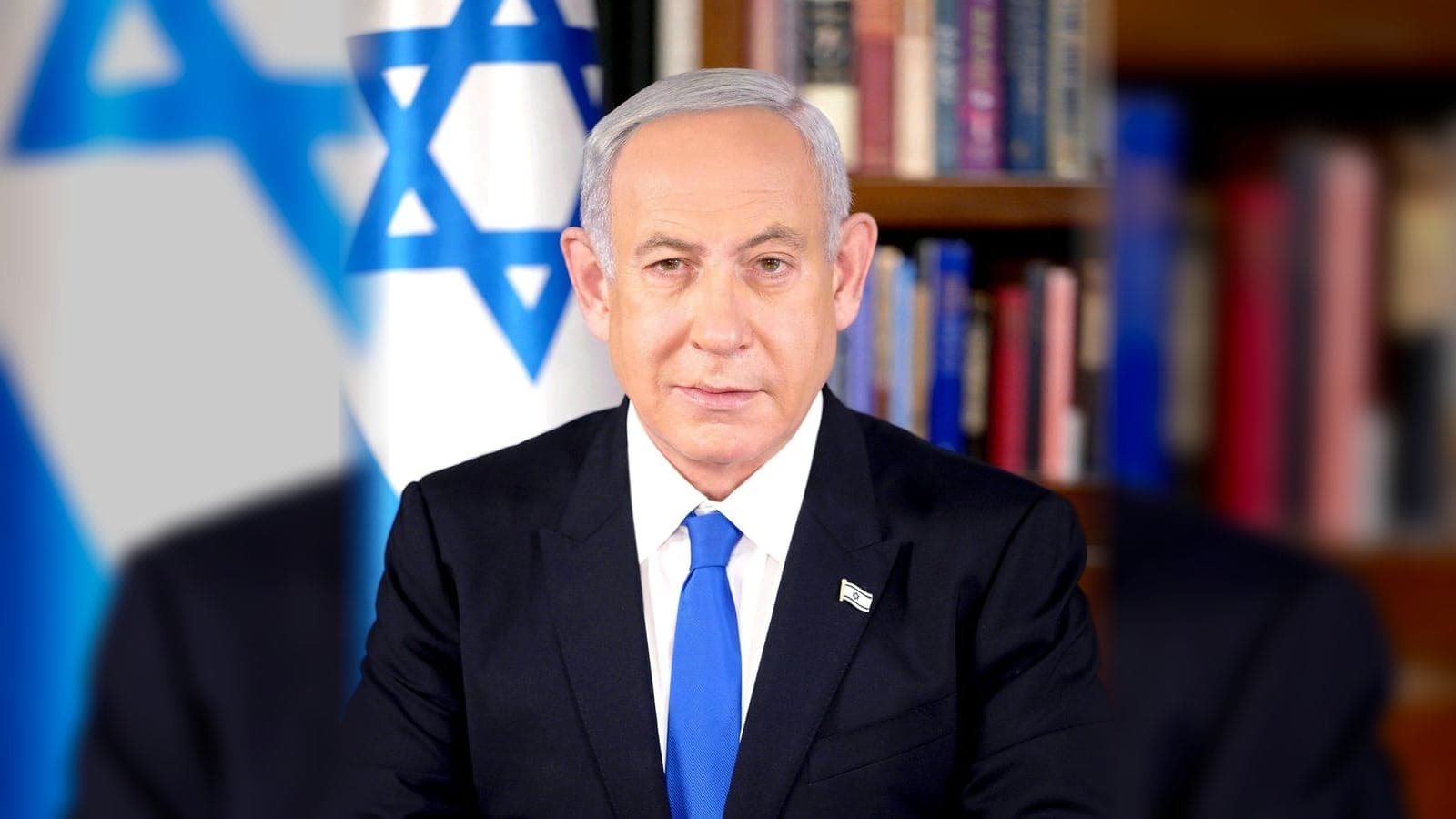
Benjamin Netanyahu. File photo by Avi Ohayon, CC BY-SA 3.0, via Wikimedia Commons.
Israel's prime minister, Benjamin Netanyahu, used his social media account on Sunday to share an image of a simulated nuclear explosion above a city that appears to be Tel Aviv, with the country's general election two days away. Israel Hayom reported that the image came in a message written by Yuval Bloomberg, which Netanyahu reposted with his own comment urging followers to read what Bloomberg had written.
The post has drawn attention because of what Netanyahu said before it. Ynet reported that the prime minister had repeatedly described a historic victory in which, in his words, the danger from Iran had been removed, and that the simulation was published only 12 days after he declared that Israel had eliminated the nuclear threat. Ynet characterised the latest messaging from Netanyahu and his allies as a fear campaign launched on the eve of the vote, built around the claim of a "tangible" threat to the State of Israel.
What Netanyahu wrote
According to Israel Hayom, Netanyahu's comment on the repost named a list of subjects: Qatar, the ultra-Orthodox, Urich, the draft, and warnings. He described all of them together as "one giant smokescreen". The excerpt published by Israel Hayom is cut off at that point, so the full sentence, and what he said the smokescreen was meant to hide, is not available in the material.
The reports do not describe the image in detail beyond calling it a simulation of an atomic explosion over Tel Aviv. Israel Hayom said only that the city appears to be Tel Aviv. None of the reports identifies who created the image or how it was produced.
From victory to warning
Ynet framed the story as a contradiction in the prime minister's own statements. It contrasted his earlier description of a win over Iran that would stand for generations with the newer language of an existential threat, and asked how one became the other in less than two years. Israel Hayom's headline used the term flip-flop to describe the same shift.
Israel's week in five stories, every Friday
Sourced and checked by the Israel.com newsroom, with Shabbat times. Free, one-click unsubscribe.
One list, unsubscribe in a click. See our privacy policy.
Ynet also reported reactions to the post, including one critic telling Netanyahu that he was in a state of hysteria. The report does not name who made that remark in the excerpt available.
A commentator's question
Amit Segal, a prominent Israeli political commentator, wrote on his Telegram channel that an election campaign is always made up of a great deal of fear and a little hope. He then asked whether an atomic bomb and a payment in bitcoin were not a bit of an exaggeration in frightening voters. His post does not explain the bitcoin reference.
Next story Society
Thousands rally in Tel Aviv for an October 7 state inquiry as polls near
Context for readers outside Israel
Tel Aviv is Israel's main commercial and cultural centre, and imagery of an attack on it carries strong emotional weight for Israeli voters. Iran's nuclear programme has been a central theme of Netanyahu's politics for many years, and he has presented action against it as one of his main achievements in office.
Several of the subjects in Netanyahu's comment are live campaign issues. The draft refers to the long-running dispute over military service by ultra-Orthodox, or Haredi, men, many of whom have historically received exemptions; the question has repeatedly strained Netanyahu's coalition, which has relied on ultra-Orthodox parties. The reports do not explain the references to Qatar or to Urich, and this article does not attempt to.
What the reports do not say
- None of the reports says what new information, if any, prompted Netanyahu to warn of a nuclear danger after declaring that threat removed.
- The material does not identify Yuval Bloomberg or explain his connection to the prime minister or his campaign.
- The full text of Netanyahu's comment is not available; the Israel Hayom excerpt ends mid-sentence.
- It is not stated who produced the simulated image or whether it was labelled as a simulation when shared.
- No response from the prime minister's office to the criticism appears in the reports.
- The bitcoin reference in Amit Segal's post, and the person behind the "hysteria" remark reported by Ynet, are not explained.
More on Tel Aviv-Yafo: Places and businesses in Tel Aviv-Yafo · Shabbat times in Tel Aviv-Yafo
Read next
All elections →
Illustration
Transport
Austrian Airlines says no danger found on diverted Tel Aviv-Vienna flight

Illustration
Courts & Crime
Man, 37, taken to Ichilov with penetrating injuries after Tel Aviv assault

Illustration
Government
Israel and the Czech Republic sign space cooperation declaration in Tel Aviv

Illustration
Emergency
Tel Aviv building collapse: police close junctions as search continues
Sources and further reading
Every link below was opened and checked when this page was written. Official statements are marked as such: they are the subject's own account, not an independent one.
- Reportingyediothynet.co.ilYnet
- Reportingisraelhayomisraelhayom.comIsrael Hayom
- Reportingamitsegalt.meAmit Segal
How we checked this
The repost was reported by Israel Hayom and Ynet, and commented on by journalist Amit Segal. The 12-day gap between statements is attributed to Ynet alone, and the text of Netanyahu's comment comes from a truncated Israel Hayom excerpt.
Our sourcing and corrections policy →The week from Israel, in one email
The stories that mattered, sourced and checked by the Israel.com newsroom. Free, weekly, one-click unsubscribe.
One list, unsubscribe in a click. See our privacy policy.

Israel.com is free, and readers like you keep it that way.
The Israel.com newsroom checks every story against its sources and publishes it free. If this one helped, a contribution of any size keeps the next one free too.
One payment, nothing to sign up for. Another amount
Latest
- Trump urges Israelis to 'vote for Bibi' in new post a day before the election
- IDF chief Zamir reportedly pushed back on Netanyahu order over Iran
- IDF fires interceptor at suspected aerial target over southern Lebanon
- Soldiers killed near Hebron named and buried as army operation goes on
- Truck driver arrested after fatal crash on Route 465 near Aboud
- IDF says about 220,000 dunams of West Bank olives harvested so far