New Knesset majority of 63 moves to repeal judicial overhaul laws
Bills to undo the Netanyahu government's judicial overhaul passed a preliminary vote before a new government formed, and Knesset committees are now set to take them up.

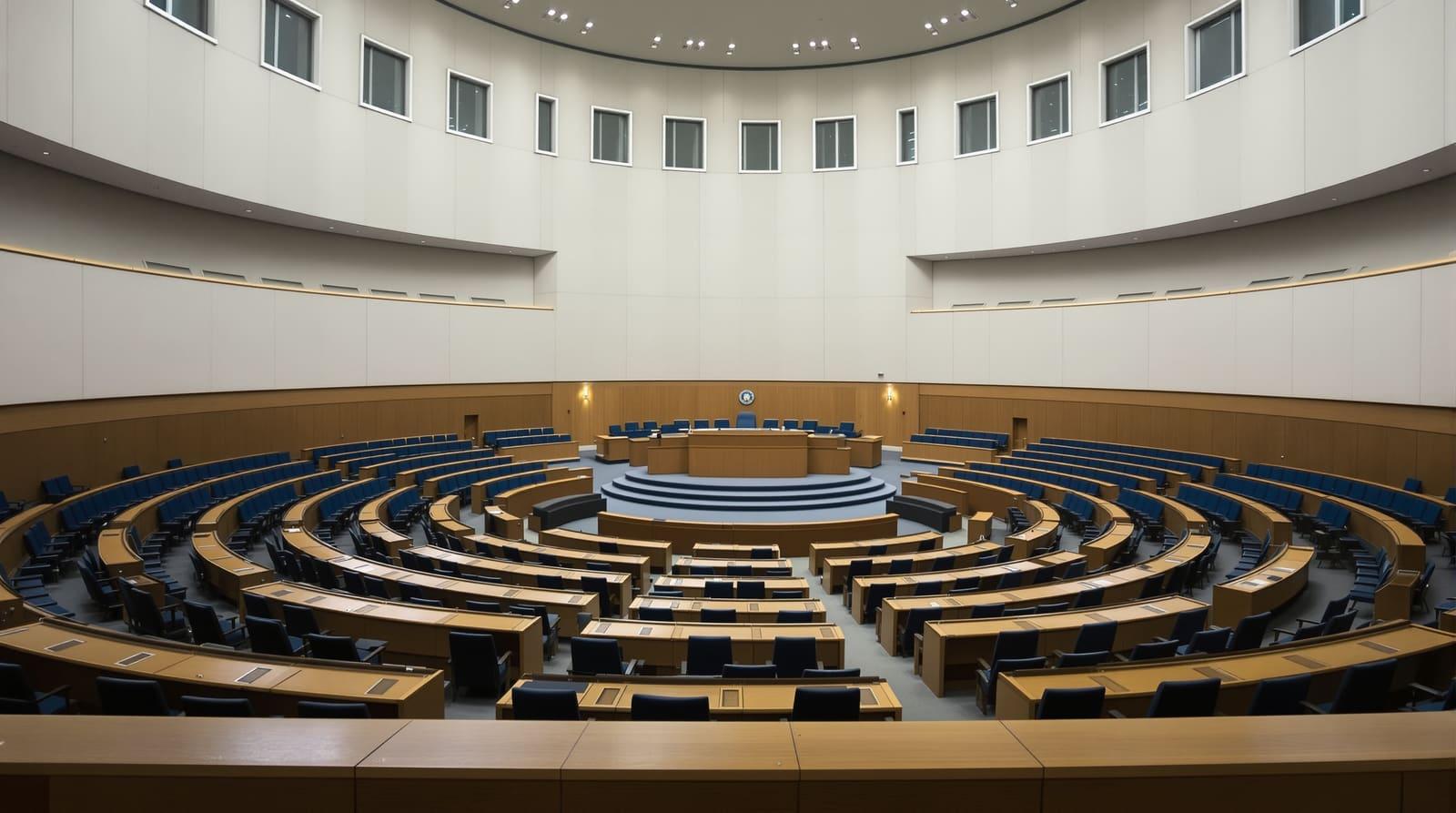
AI illustration, not a photo of the events.
Lawmakers in Israel's newly elected parliament have begun the process of undoing the judicial overhaul passed under Prime Minister Benjamin Netanyahu's government. Ynet reported that the majority in the 26th Knesset last week approved several repeal bills in a preliminary reading, with 63 members voting in favour. That vote took place before a new government had been formed.
The next stage is committee work. The Times of Israel reported that new Knesset panels are set to start work on rolling back the outgoing government's overhauls of both the judiciary and the media. Ynet's report focused on the judicial laws and did not address media legislation.
What the Knesset vote means
The Knesset is Israel's single-chamber parliament. Most legislation introduced by individual lawmakers, rather than by the government, must first clear a preliminary reading on the floor. A bill that passes is then sent to a parliamentary committee, which prepares it for further votes. It becomes law only after it passes its first, second and third readings in the full chamber.
A preliminary reading is therefore an early step, not a final repeal. It does, however, show how many lawmakers back a measure. The 63 votes reported by Ynet amount to more than half of the Knesset's members, enough on paper to carry the bills through later stages if that support holds.
The timing is unusual. Committees normally take shape once a governing coalition is in place. According to Ynet, the repeal bills cleared their first hurdle while government formation was still unresolved, meaning the parliamentary majority acted ahead of any new cabinet.
Get an email the day Israel has a new government.
Coalition talks can take weeks. When a government is sworn in, Israel.com's newsroom emails who leads it, which parties are in and who got which ministry, then the Friday email each week. Free, and one click unsubscribes.
One list, unsubscribe in a click. See our privacy policy.
The overhaul and the Hebrew terms around it
The judicial overhaul refers to a package of laws advanced by Netanyahu's government that critics said weakened the courts and other checks on executive power. Ynet's report refers to the possibility of returning Israel to where it stood before 2023, the year the effort to reshape the judiciary became the defining domestic political fight in the country.
Hebrew coverage uses two competing names for it. Ynet's headline calls it hahafikha hamishtarit, roughly "the regime coup", a term coined and used by opponents of the plan. The same report also uses hamahapekha hamishpatit, "the judicial revolution", a more neutral phrase. Supporters of the laws generally described them as judicial reform. Which label a writer chooses has long signalled where they stand on the issue.

File photo
Next story Government
Herzog hosts Bolivian lawmakers, first such delegation in 20 years
A race against implementation
Ynet framed the effort as a race. Some of the overhaul laws are already in force, the outlet reported, while others are due to take effect soon. It also said that it is unclear how much time the new majority has to cancel them before they begin to shape institutions on the ground.
That distinction matters for anyone following the story from abroad. A law that has not yet taken effect can be repealed before it changes anything. A law already operating may have produced appointments, procedures or decisions that a repeal would not automatically reverse.
Ynet's coverage features Professor Adam Shinar of Reichman University, a private university in Herzliya, who addresses which of the laws are the most urgent to repeal and whether cancelling them would restore the situation before 2023. The material available to us does not set out his conclusions, so we do not report them here.
The media laws
The Times of Israel's report places changes to media regulation alongside the judicial measures as targets for the new committees. Its available text does not identify which media laws are involved, which committees will handle them, or on what schedule.
What the reports do not say
- Neither report lists, in the material available to us, which specific laws the repeal bills cover or which are already in force.
- No response from Netanyahu, his party or the outgoing coalition to the preliminary vote has been reported.
- The reports do not say when the committees will meet or when the bills could come up for their remaining readings.
- It is not reported whether a new government, once formed, will back the repeal bills as its own legislation.
- The media legislation targeted for repeal is not described in detail in either report.
People in this story: Benjamin Netanyahu
Read next
All government →
Illustration
Government
Likud and Yashar issue joint statement after Herzliya talks, plan new round

File photo
Government
Knesset legal adviser says Gilad Kariv's committee should not handle AG bill
Illustration
Government
Chikli confirms he sent post attacking bereaved MK Shapira, does not apologise
File photo
Government
Likud sets out its terms for a national unity government with Netanyahu
Sources and further reading
Every link below was opened and checked when this page was written. Official statements are marked as such: they are the subject's own account, not an independent one.
- Reportingtoitimesofisrael.comThe Times of Israel
- Reportingyediothynet.co.ilYnet
How we checked this
The preliminary vote, the 63-member majority and the status of the laws are reported by Ynet; the Times of Israel reports that new Knesset panels will begin repeal work, and it alone mentions media laws. We have not independently verified either account.
Our sourcing and corrections policy →The week from Israel, in one email
The stories that mattered, sourced and checked by the Israel.com newsroom. Free, weekly, one-click unsubscribe.
One list, unsubscribe in a click. See our privacy policy.

Israel.com is free, and readers like you keep it that way.
The Israel.com newsroom checks every story against its sources and publishes it free. If this one helped, a contribution of any size keeps the next one free too.
One payment, nothing to sign up for. Another amountGive monthly
Latest
File photo
File photo

Illustration

Illustration

Illustration

File photo