Report says Netanyahu told diplomats to back Argentina on Falklands talks
A British newspaper report says Israel's prime minister shifted policy on the Falkland Islands after UK settlement sanctions; Israel's Foreign Ministry denies it.
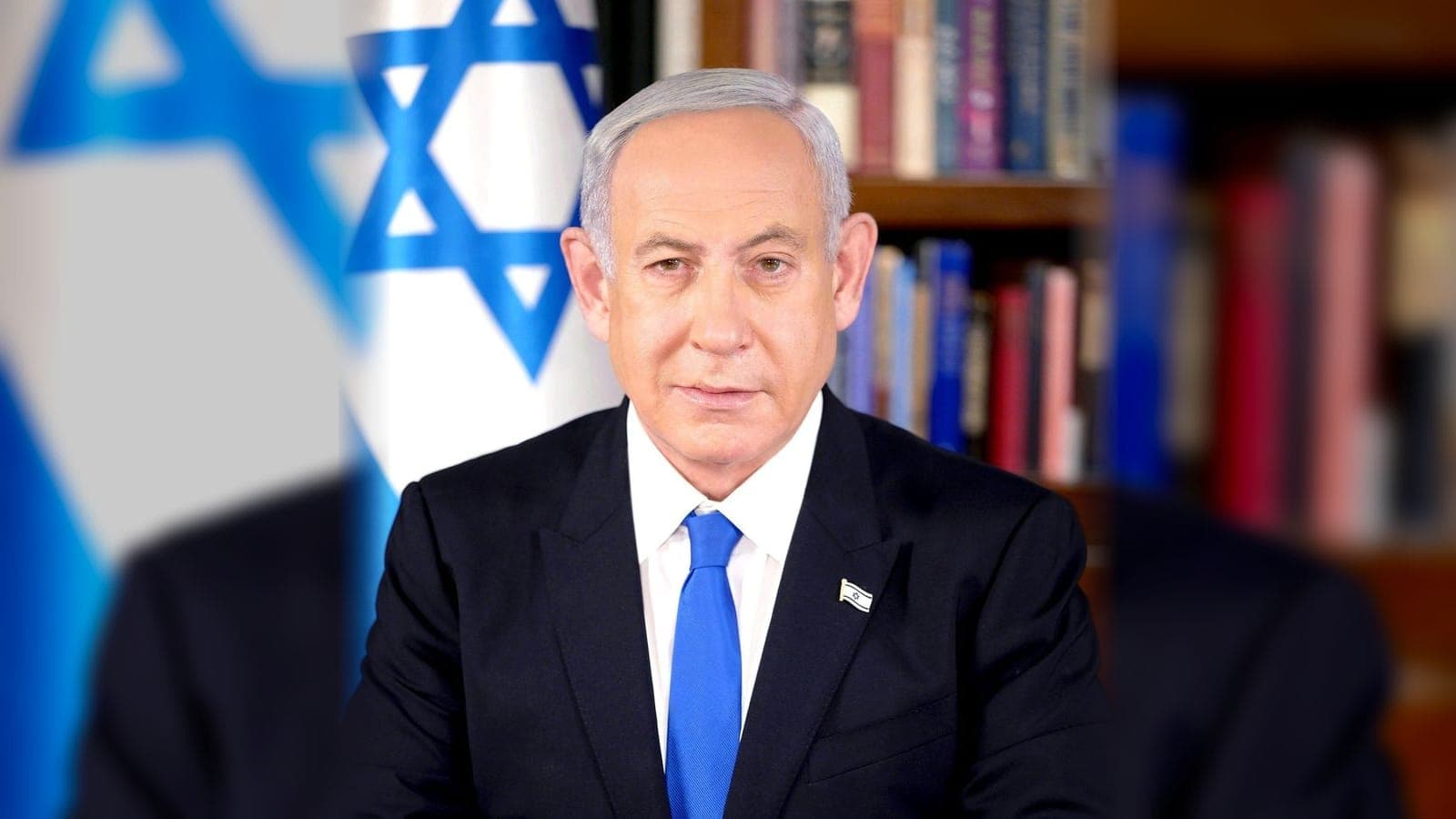
Benjamin Netanyahu. File photo by Avi Ohayon, CC BY-SA 3.0, via Wikimedia Commons.
Prime Minister Benjamin Netanyahu has instructed Israeli diplomats to voice support for Argentina's demand for negotiations over the Falkland Islands, according to a report in the British newspaper the Telegraph that was picked up by several Israeli outlets. The islands are the subject of a long-running sovereignty dispute between Argentina and the United Kingdom.
Ynet reported, citing the Telegraph, that the change in Netanyahu's stance came in response to a British decision to impose sanctions on Israeli settlements. Israel's Foreign Ministry rejected the account firmly, telling Ynet that the report was "not true."
On the ground

Report: Prime Minister Benjamin Netanyahu ordered diplomats to change Israel's official position on sovereignty over the Falklands and join Argentina in calling for direct talks between it and the UK. jpost.com/israel-news/ar…
What the reports say
The three Israeli outlets that carried the story all attribute it to the Telegraph, and none presents it as its own reporting. They describe the reported instruction in slightly different terms. Ynet framed it as Israeli diplomats being told to express backing for Argentina's call to hold negotiations on the disputed islands. The Times of Israel described the diplomats as being directed to support Argentina's claim to the islands and to call for direct talks between Buenos Aires and London. The Jerusalem Post characterised the reported move as Netanyahu switching Israel's position to favour Argentina in the dispute.
The distinction matters. Supporting a call for negotiations is a narrower diplomatic position than endorsing one side's sovereignty claim, and the reports, as published, do not settle which of these the Telegraph described.
The denial
According to Ynet, the Foreign Ministry denied the report strongly, stating that it was not correct. The material available does not include any further explanation from the ministry, such as whether it disputes that any instruction was given, disputes its content, or disputes the stated reason. No statement from the Prime Minister's Office is included in the reports.
Israel's week in five stories, every Friday
Sourced and checked by the Israel.com newsroom, with Shabbat times. Free, one-click unsubscribe.
One list, unsubscribe in a click. See our privacy policy.
The stated trigger: UK sanctions on settlements
The Telegraph's account, as relayed by Ynet, links the reported shift to a British decision to sanction Israeli settlements. Settlements are Israeli communities built in the West Bank, territory Israel captured in war and whose status is contested internationally. Many of Israel's Western partners, including Britain, regard the settlements as an obstacle to a negotiated settlement with the Palestinians, and measures targeting them have been a source of friction between Jerusalem and London.
The reports do not describe the content or scope of the British sanctions they refer to, and this article does not attempt to fill in those details.
Next story Government
Netanyahu meets Argentina's Milei at the UN, praises his economic overhaul
The Falklands dispute and why it is sensitive
The Falkland Islands lie in the South Atlantic off the coast of South America. Britain administers them, while Argentina claims sovereignty and has long pressed for negotiations over their future. The question remains a sensitive one in both countries, and any foreign government taking a public position on it is likely to be noticed in London as a signal about relations with Britain.
For Israel, the issue has traditionally been remote from its core diplomatic concerns. A shift of the kind the Telegraph describes would therefore be read less as a view on South Atlantic sovereignty and more as a message to the British government.
Israel and Argentina under Milei
The reports come against a backdrop of close ties between Netanyahu and Argentina's president, Javier Milei. A photograph published with the Jerusalem Post article shows the two leaders meeting in Israel on April 19, 2026, according to the caption, which credits the Government Press Office. Milei has positioned himself as a strong supporter of Israel, and the relationship has been one of Israel's warmer ones in Latin America.
The reports do not say whether Argentina requested Israeli support on the Falklands, or whether the reported instruction was discussed with Milei's government.
What the reports do not say
- None of the Israeli reports quotes the Telegraph's own sources or says how the newspaper learned of the instruction.
- The reports differ on whether the instruction was to back Argentina's sovereignty claim or only its call for talks.
- It is not stated when the instruction was allegedly given, to which diplomats, or in what forum they were to express support.
- The Foreign Ministry's denial is reported only in brief, without detail on which parts of the account it rejects.
- There is no response in the material from the British government, the Argentine government, or the Prime Minister's Office.
- The reports do not describe the specific British sanctions cited as the reason for the reported change.
Read next
All government →
File photo
Government
Netanyahu tells Israelis to prepare for banking sanctions and a bypass economy

Illustration
Government
Paris shops board up and the Louvre shuts as France braces for weekend protests

File photo
Government
US memo on Iranian plots against officials informs Mideast embassy staffing

Illustration
Government
US orders families out of Saudi Arabia and trims embassy staff, CNN says
Sources and further reading
Every link below was opened and checked when this page was written. Official statements are marked as such: they are the subject's own account, not an independent one.
- Reportingyediothynet.co.ilYnet
- Reportingtoitimesofisrael.comThe Times of Israel
- Reportingjpostjpost.comThe Jerusalem Post
How we checked this
The underlying claim originates with the Telegraph and was relayed by Ynet, The Times of Israel and The Jerusalem Post; we have not seen the Telegraph report itself. The Foreign Ministry's denial is reported by Ynet alone.
Our sourcing and corrections policy →The week from Israel, in one email
The stories that mattered, sourced and checked by the Israel.com newsroom. Free, weekly, one-click unsubscribe.
One list, unsubscribe in a click. See our privacy policy.

Israel.com is free, and readers like you keep it that way.
The Israel.com newsroom checks every story against its sources and publishes it free. If this one helped, a contribution of any size keeps the next one free too.
One payment, nothing to sign up for. Another amount
Latest
- Hebron operation: demolitions in Farsh al-Hawa reported complete
- IDF says troops killed two men who crossed Gaza's Yellow Line on Friday
- Fire at Hitler's Eagle's Nest retreat in Bavaria, 200 firefighters called in
- Trump tells rally the US 'may do another little Epic Fury' against Iran
- Macron calls Paris suburb shooting terror, says victims targeted for faith
- US envoy Tom Barrack says a strike on Iran 'absolutely' could come this weekend