Police Lift a Ban on a Rabbi's Memorial Event at Moshav Ajur
The Jerusalem District commander cancelled a prohibition order for a two-day gathering after organisers rebuilt fencing, lighting and traffic arrangements to police conditions.
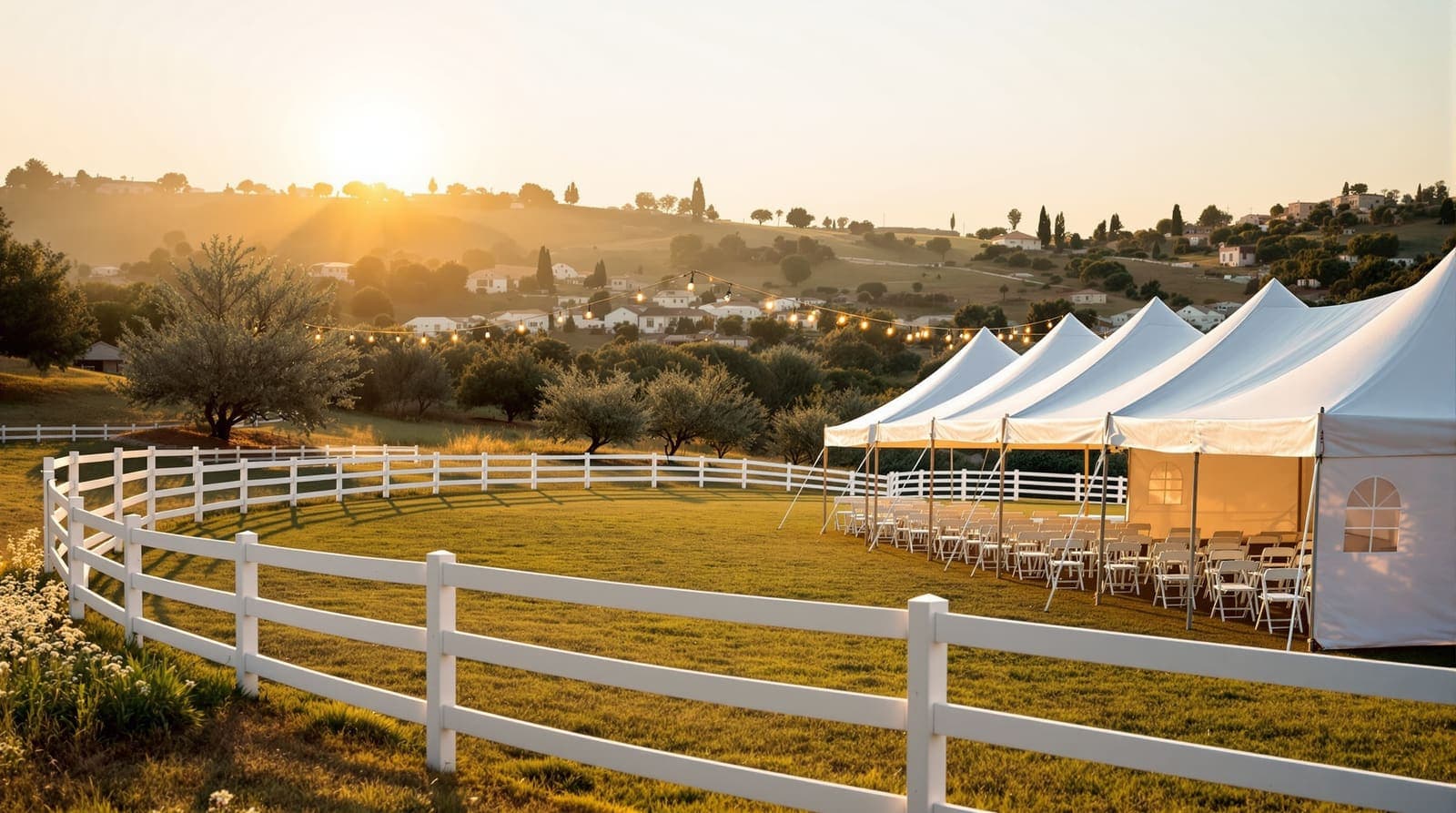
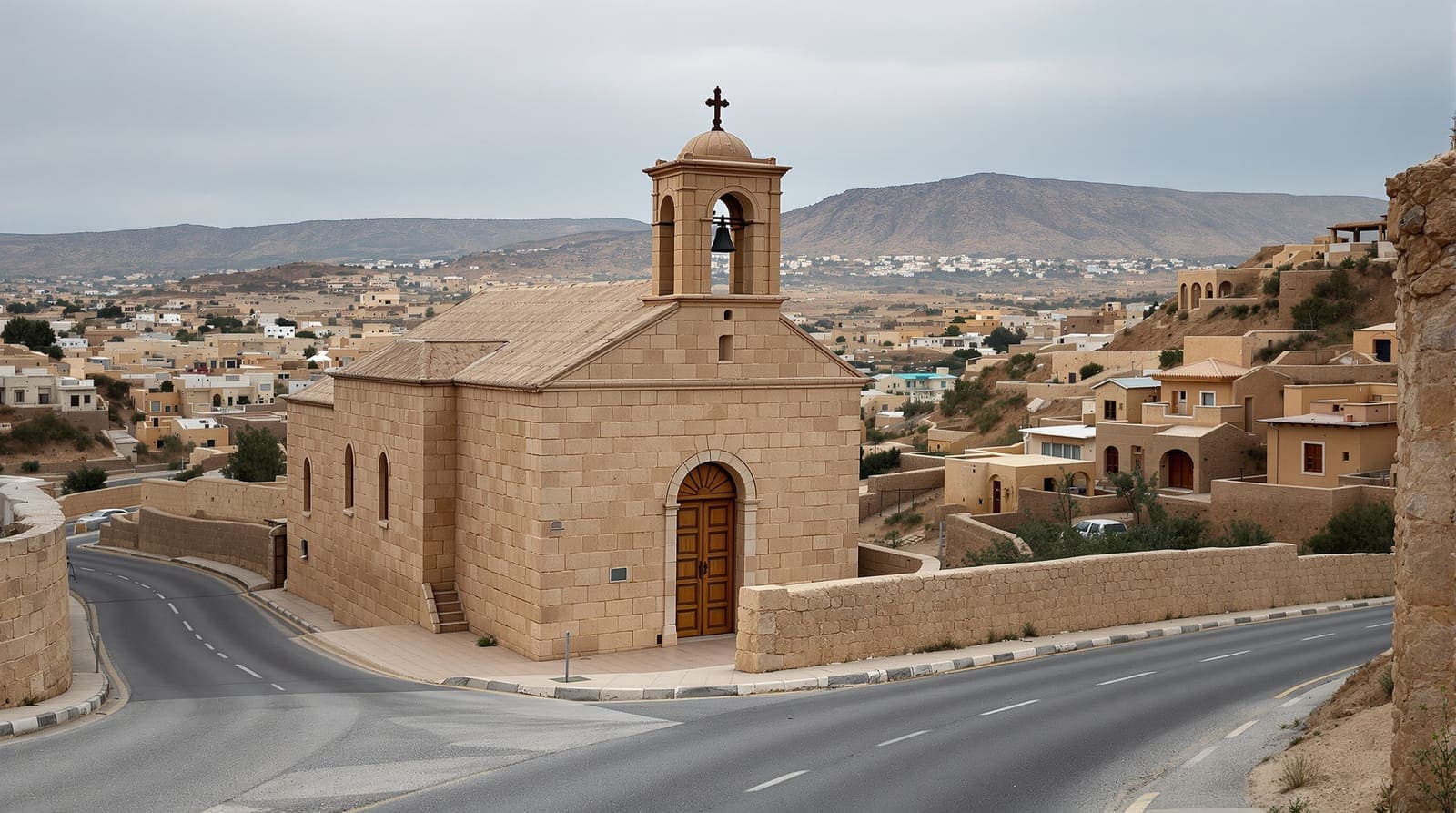
AI illustration, not a photo of the events.
The commander of the Israel Police's Jerusalem District cancelled an order prohibiting a celebration in honour of Rabbi Yitzhak Gabai, described in the statement as of blessed memory, at Moshav Ajur, after the organisers met the safety conditions the police had set. The police said they had made clear over the preceding months, from the planning stage onwards, that they would not allow compromises on safety or human life.
According to the police statement, a field inspection was held at the moshav on the morning of the decision, attended by the Jerusalem District operations branch officer, Superintendent Eli Levi, the commander of the Mateh Yehuda station, Lieutenant Colonel Reuven Na'awi, the command of the Jerusalem Border Police sector, the event organisers and their professional staff. The organisers presented the changes made in recent days on safety, traffic, fencing and lighting, in line with the conditions set. In light of what the police called the correction of the deficiencies and full compliance with the directives, the district commander announced that the order was cancelled, and the celebration was expected to go ahead as planned on the Sunday and Monday, dates the statement wrote as 07.06–07.07. Jerusalem District officers and Border Police from the Jerusalem sector were to work in and around the moshav throughout, securing participants, keeping public order and directing traffic, and the public was asked to obey officers and ushers on the access routes.
Where Ajur is, and what a moshav is
The statement places the event at Moshav Ajur and names the Mateh Yehuda station as the responding station. Agur, a moshav under the Mateh Yehuda Regional Council, sits in the Judean lowlands near Beit Shemesh, west of Jerusalem; reference material on the village records that it was founded in 1950 and had 438 residents in 2024. A moshav is a cooperative agricultural village, a form of settlement halfway between a kibbutz and a private farming hamlet. A gathering of any size therefore lands on infrastructure (single approach roads, unlit verges, small car parks) that was never built for crowds.
Why Israeli police can stop a religious gathering
The power the district commander exercised here, and then withdrew, is a direct legacy of the worst civil disaster in Israel's history. On 30 April 2021, 45 people were killed and about 150 injured in a crowd crush at the tomb of Rabbi Shimon bar Yochai on Mount Meron during Lag BaOmer, when pilgrims poured down a narrow, slippery passageway, according to reference accounts of the crush. A state commission of inquiry reported in March 2024 that the disaster could and should have been prevented, and The Jerusalem Post reported on 6 March 2024 that it held 16 officials and 11 organisations responsible, found negligence running through the police, government ministries and local councils, and recommended occupancy limits set to safety standards, a controlled transport system to regulate arrivals and a minister with executive authority over the site.
Israel's week in five stories, every Friday
Sourced and checked by the Israel.com newsroom, with Shabbat times. Free, one-click unsubscribe.
One list, unsubscribe in a click. See our privacy policy.
The practical result is visible at every large pilgrimage since. The Times of Israel reported in May 2022 that the first post-disaster Lag BaOmer at Meron was capped at 16,000 people at any one time, with four-hour visits, the illegal exit ramp demolished, stairways rebuilt to code, access only by organised bus, and more than 8,000 officers deployed. Fencing, lighting, traffic and headcount (the four items in the Ajur inspection) are the standard checklist that emerged from that inquiry.
Who polices the event
The Border Police, known in Hebrew as Magav, is the gendarmerie arm of the Israel Police rather than a separate force; reference material on the force records around 8,000 personnel, about a fifth of them deployed in Jerusalem, with public-event security and crowd control among their routine duties.
What the statement did not say
The police did not say what form the celebration takes, how many people were expected, what the original deficiencies were, or whether a cap on numbers formed part of the conditions. It did not say when the prohibition order was issued, on what legal authority, or whether the organisers had challenged it, and it did not say how many officers would be deployed. Its date notation is also ambiguous: the two days are given as “07.06-07.07” and described as a Sunday and Monday, but in 2026 those dates fall on a Monday and a Tuesday.
Read next
All in memoriam →
Illustration
Elections
Rabbi Abergil's Ahi party quits the Knesset race and backs Likud
Illustration
Religion
Haredi leader Rabbi Dov Lando, 96, faces backlash over recorded attack on Zionism
Illustration
In Memoriam
Soldiers killed near Hebron named and buried as army operation goes on
Illustration
In Memoriam
Jordan says 6 killed, 28 wounded in shooting at church funeral in Karak
Sources and further reading
Every link below was opened and checked when this page was written. Official statements are marked as such: they are the subject's own account, not an independent one.
- ReportingThe Jerusalem Postjpost.comMeron Disaster Commission finds Netanyahu, police, and officials responsible for catastrophe
State commission findings and recommendations on mass-event safety, March 2024
- ReportingThe Times of Israeltimesofisrael.comEntry limits, structural fixes as Israel aims to avoid repeat of 2021 Meron disaster
The capacity limits and infrastructure conditions now applied to pilgrimages
- ReferenceWikipediaen.wikipedia.orgAgur, Israel
Location, size and regional council of the moshav named in the statement
- ReferenceWikipediaen.wikipedia.org2021 Meron crowd crush
Date, death toll and cause of the disaster behind Israel's event-safety rules
- ReferenceWikipediaen.wikipedia.orgIsrael Border Police
Role of Magav in public order and event security
How we checked this
The inspection, the officials present, the conditions met and the dates of the celebration come only from the Israel Police statement of 3 July 2026. The account of the 2021 Meron crush, the commission of inquiry and the safety regime that followed is drawn from Jerusalem Post and Times of Israel reporting and published reference material.
Our sourcing and corrections policy →The week from Israel, in one email
The stories that mattered, sourced and checked by the Israel.com newsroom. Free, weekly, one-click unsubscribe.
One list, unsubscribe in a click. See our privacy policy.
Latest
- Trump urges Israelis to 'vote for Bibi' in new post a day before the election
- IDF fires interceptor at suspected aerial target over southern Lebanon
- Truck driver arrested after fatal crash on Route 465 near Aboud
- IDF says about 220,000 dunams of West Bank olives harvested so far
- Troops detain Palestinian suspected of planning imminent attack in Binyamin area
- Man of about 25 shot dead in Yafia, near Nazareth, during a taxi ride