Zelensky ties deadly Zaporizhzhia strike to Trump's Russian diesel deal
Zelensky says Russia answered the sanctions relief with glide bombs on Zaporizhzhia, as the US Treasury moves to license Russian diesel exports.

Volodymyr Zelensky. File photo by President.gov.ua, CC0, via Wikimedia Commons.
2 updates since publication
- Zelensky links a deadly Russian strike on Zaporizhzhia to the diesel deal; US Treasury issues a temporary license.
- Zelensky tells Axios the deal is unfair; Kremlin says Russia is lifting fuel export curbs; Ukraine hits Rostov refinery.
This story was added to as it developed. Earlier text is kept below the updates rather than rewritten, so what this page said at each point is still on it.
Update, 10 October, 21:08 Israel time
Zelensky has tied his objections to the diesel arrangement to a deadly Russian attack on Zaporizhzhia. In a statement in his name posted by Barak Ravid of Axios, he said Russia had shown its gratitude for the lifting of diesel export sanctions by dropping five glide bombs on residential buildings in the city. He said twelve people had been confirmed dead, three of them children, and fourteen injured, two critically, while the whereabouts of twelve more people were still being checked.
The Times of Israel, citing Ukrainian authorities, reported that fresh Russian attacks had killed 15 people. Its report does not break that toll down by location, and it is higher than the Zaporizhzhia figure in Zelensky's statement; the two counts may cover different sets of strikes.
What the sources posted

Trump on Truth Social: I have just concluded a highly successful discussion with President Vladimir Putin, of Russia, wherein it was agreed that Russia will immediately supply over 300,000 Tons of Diesel Fuel to the American and Global Marketplace, another 500,000 Tons during the Show more
On the ground

BREAKING: Donald Trump has said he has concluded a "highly successful discussion" with Vladimir Putin, adding that Russia will supply 300,000 tons of diesel fuel to America. Read the latest updates here: news.sky.com/story/trump-sa…
The Times of Israel also reported that:
- The US Treasury Department said it is issuing a temporary license allowing Russian diesel to reach global markets, the first indication in the reporting of a formal US mechanism for the relief.
- Zelensky told reporters on Friday that the arrangement was "unworthy of our partners" and called it a "weak decision".
- EU foreign policy chief Kaja Kallas commented on the deal on Saturday; the available text of the report cuts off before her remarks.
Abu Ali Express repeated that Ukrainians are angered by the arrangement and are continuing attacks on Russian energy facilities.
Update, 10 October, 12:07 Israel time
Ukrainian President Volodymyr Zelensky has sharpened his criticism of the diesel arrangement. Joe Truzman of FDD relayed that Zelensky told Axios the American sanctions relief, which he described as unilateral, was "not fair and not honest". Zelensky also objected to the timing, since US, Ukrainian and European officials were meeting for peace talks in Miami when it was announced.
Israel's week in five stories, every Friday
Sourced and checked by the Israel.com newsroom, with Shabbat times. Free, one-click unsubscribe.
One list, unsubscribe in a click. See our privacy policy.
Ynet reported further remarks in which Zelensky said Kyiv had been used as a "smokescreen" and that partners do not behave this way. Ynet also reported that:
- A senior Kremlin official said Russia had begun lifting all restrictions on exporting fuel following the deal.
- Axios reported that Trump initiated the arrangement because Zelensky refused to halt Ukrainian attacks on Russian energy sites.
- After the deal, Ukraine struck a refinery in Rostov.
Haaretz, carrying Reuters and Associated Press reporting, said Trump presented the deal as a way to relieve fuel shortages and price rises caused by the Iran war.
Abu Ali Express reported that the first tranche is due in October and the second in November, under exemptions Trump would grant, and that the deal has unsettled Ukraine and European Union states. It said Ukraine is continuing to attack Russian energy facilities.
The story as first reported
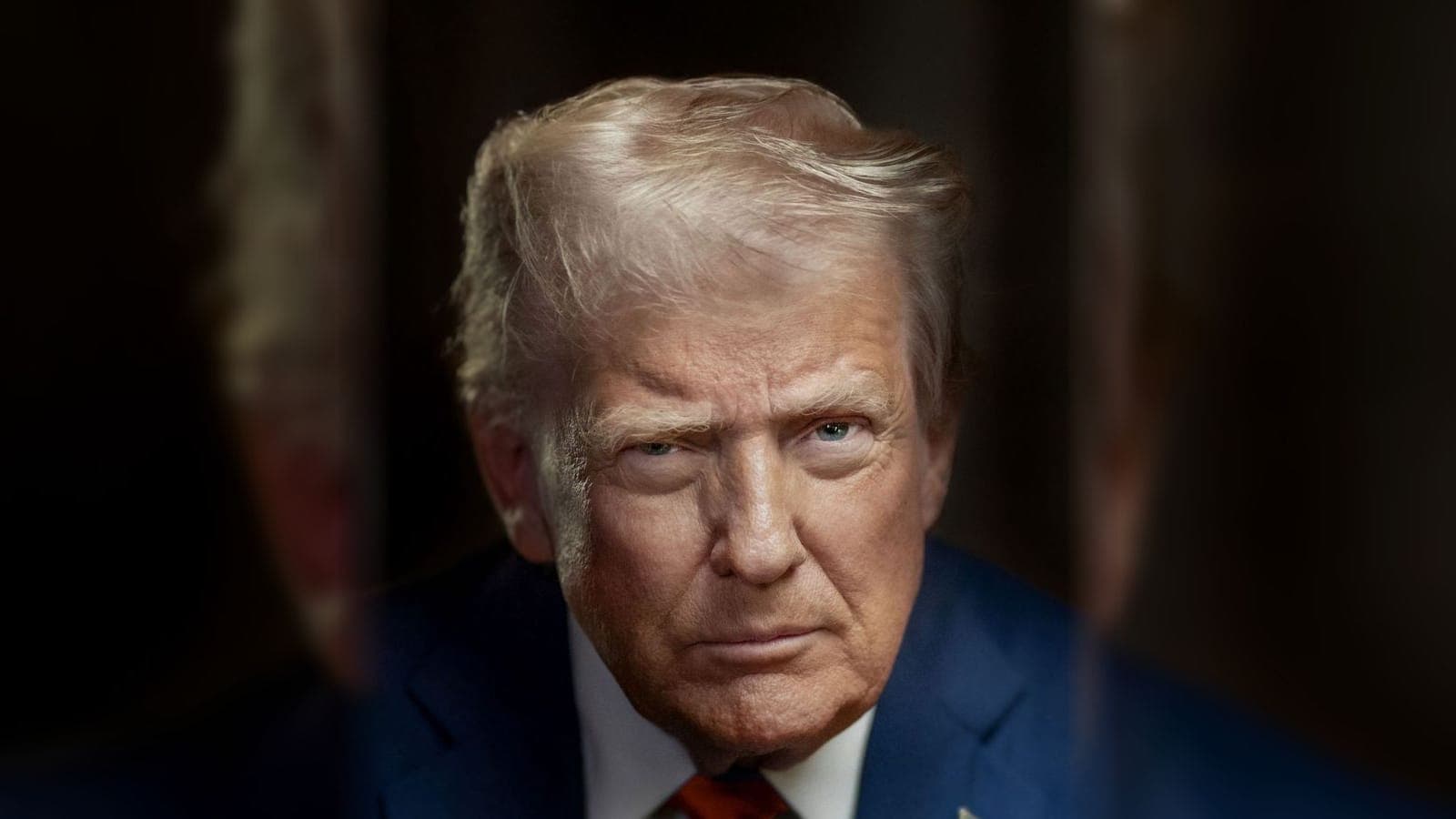
US President Donald Trump said he had agreed a diesel fuel arrangement with Russian President Vladimir Putin following a phone call between the two leaders, under which Russia would begin sending large volumes of diesel to American and international markets. Axios correspondent Barak Ravid relayed the announcement, which Trump posted on his Truth Social platform, describing the call as a "highly successful discussion" with Putin.
Israeli news site Ynet characterised the move as an easing of sanctions on Russia. Its breaking news channel reported that Trump was relaxing the measures, while its fuller report described the announcement as a reversal that came roughly a month after Trump signed a broad sanctions law targeting Russia. Ukrainian President Volodymyr Zelensky responded critically, according to Ynet.
The volumes Trump described
According to the text of the post as carried by Ravid and by the Israeli Telegram channel Abu Ali Express, Trump laid out the supply in stages. More than 300,000 tons would be delivered right away. A further 500,000 tons would follow during November, and 1,000,000 tons more would come directly after that.
File photo
Next story Security
Ukraine pauses strikes on Russian refineries after Trump pressure, WSJ says
Trump added that Russia would later provide 3,000,000 tons of diesel within a short time, though he tied this last tranche to the state of Russia's diesel refineries. The Jerusalem Post also reported Trump's claim that Russia would supply 300,000 tons to the US and global markets without delay.
In the same message, according to the Abu Ali Express version, Trump linked the expected fall in diesel prices both to the Russian energy announcement and to what he called American control of the Strait of Hormuz. The strait is the narrow waterway connecting the Persian Gulf to the open sea, through which a large share of the world's seaborne oil passes. The reports do not explain what Trump meant by that claim.
Why this marks a shift in US policy
Since Russia's full-scale invasion of Ukraine, Washington has used sanctions as a central tool to pressure Moscow, including measures aimed at Russian energy exports, which are a major source of revenue for the Kremlin. Ynet described the diesel arrangement as a turn away from years of American pressure on Russia over the war in Ukraine.
The timing stands out because, as Ynet noted, the announcement came only about a month after Trump put his signature on wide-ranging sanctions legislation against Russia. Ynet reported that the aim of the deal is to bring down fuel prices ahead of the US midterm elections, the nationwide congressional vote held halfway through a president's term, in which the cost of living is typically a prominent issue for voters.
Russia's refinery problems
Trump's own caveat about the condition of Russian refineries points to a known vulnerability. An image published with the Jerusalem Post report showed a fuel price board at a Rosneft station in Moscow. Its caption referred to shortages of fuel in Russia after repeated Ukrainian strikes from the air on refining plants across Russian regions, along with reduced gasoline output. Rosneft is Russia's largest state-controlled oil company. How those disruptions would affect Russia's ability to deliver the volumes Trump listed is not addressed in the reports.
Ukraine's response
Zelensky attacked the arrangement, according to Ynet, which quoted him as saying that gifts to Putin will not end the war. Kyiv has consistently argued that economic pressure on Moscow is necessary to push Russia toward ending the fighting, and any loosening of sanctions is viewed there as reducing that pressure.
Who reported it
The announcement was first carried in English by Barak Ravid, a correspondent for the US news outlet Axios, who posted the text of Trump's statement on X and then pointed to his own Axios report on the deal. The Jerusalem Post, Ynet and Abu Ali Express, an Israeli Telegram channel focused on regional news, reported the same announcement in English and Hebrew on the same day.
What the reports do not say
None of the material includes a statement from the Kremlin confirming the arrangement or the quantities Trump described, so the figures rest on Trump's account. The reports do not specify which sanctions are being eased, whether the change requires formal action by the US Treasury or Congress, or how it squares with the sanctions law Trump signed a month earlier. They do not give a price, payment terms or a delivery mechanism, and they do not say how much of the diesel is meant for the US market as opposed to other buyers. The timing of the largest tranche is left open, conditioned only on the state of Russian refineries. Finally, beyond Zelensky's remark, the reports do not include reactions from European governments or from members of Congress.
Read next
All security →
File photo
Security
Iran's letter to Putin sought Russian S-400 air defences, Telegraph reports

Illustration
Security
Blasts across Iran's Hormuz coast, casualties reported at Jask, US role unconfirmed

File photo
Security
Ben-Gvir says jailed militants expect perks back under a 'change' government
Illustration
Security
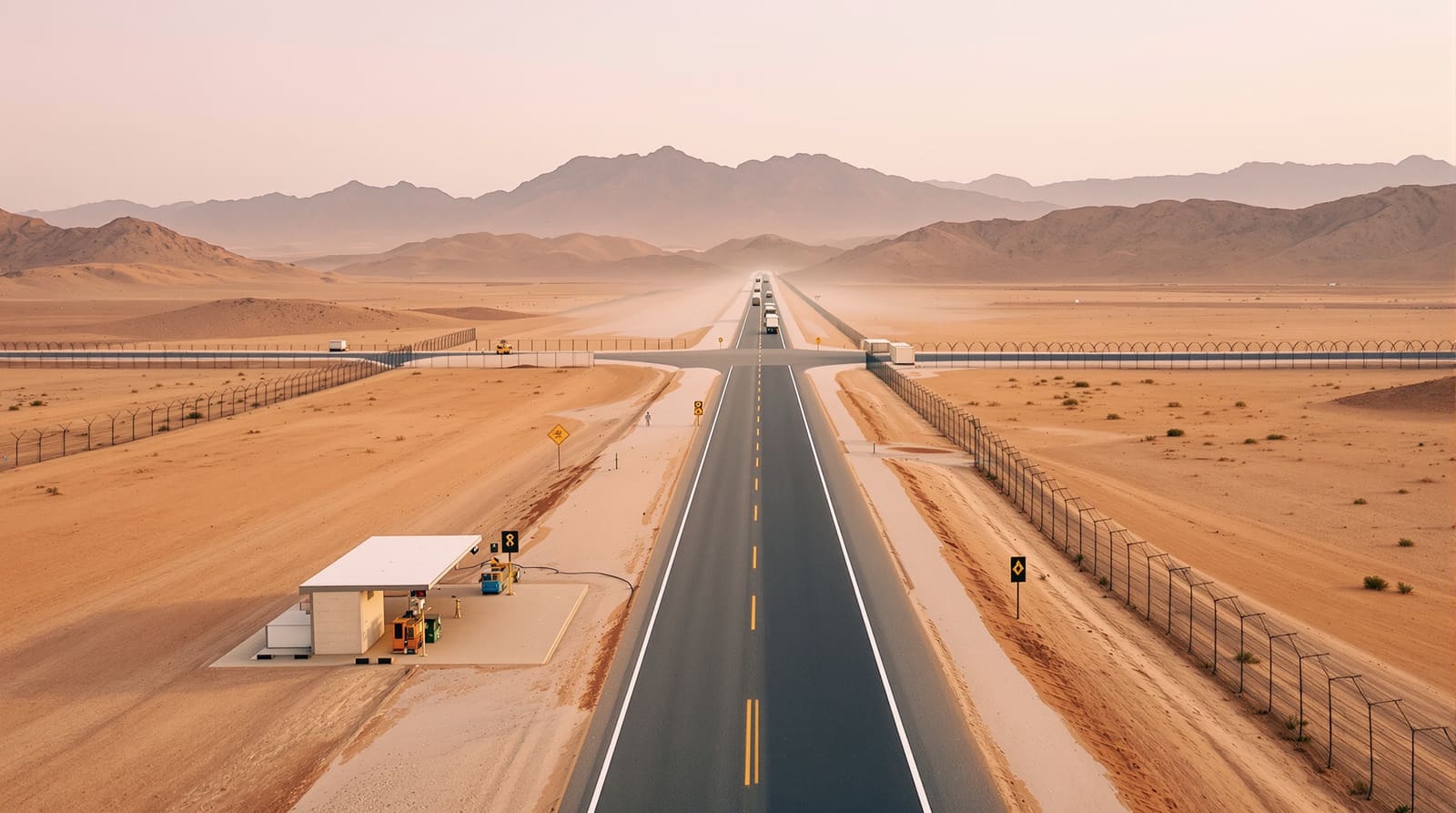
US Central Command forms Task Force Iron Gate to curb Iran's land trade
Sources and further reading
Every link below was opened and checked when this page was written. Official statements are marked as such: they are the subject's own account, not an independent one.
- Reportingyediothynet.co.ilYnet
- Reportingyediotht.meYnet alerts
- Reportingjpostjpost.comThe Jerusalem Post
- Reportingabualiexpresst.meAbu Ali Express
- Reportingaxiosx.comBarak Ravid, Axios
- Reportingaxiosx.comBarak Ravid, Axios
- Reportingyediothynet.co.ilYnet
- Reportinghaaretzhaaretz.comHaaretz
- Reportingabualiexpresst.meAbu Ali Express
- Reportingfddx.comJoe Truzman, FDD
- Reportingtoitimesofisrael.comThe Times of Israel
- Reportingabualiexpresst.meAbu Ali Express
- Reportingabualiexpresst.meAbu Ali Express
- Reportingaxiosx.comBarak Ravid, Axios
How we checked this
The Zaporizhzhia toll of twelve rests on Zelensky's statement, while the Times of Israel cites authorities for 15 killed in Russian attacks without a breakdown. The Treasury license is reported by the Times of Israel; the diesel volumes still rest on Trump's account.
Our sourcing and corrections policy →The week from Israel, in one email
The stories that mattered, sourced and checked by the Israel.com newsroom. Free, weekly, one-click unsubscribe.
One list, unsubscribe in a click. See our privacy policy.
Latest
File photo
File photo
File photo
File photo

File photo

File photo