UTJ names negotiating team for coalition talks with Gadi Eisenkot
N12 says Asher, Goldknopf, Pindrus and Porush will negotiate for UTJ, as outlets still differ on whether the party's rabbis have approved formal talks.
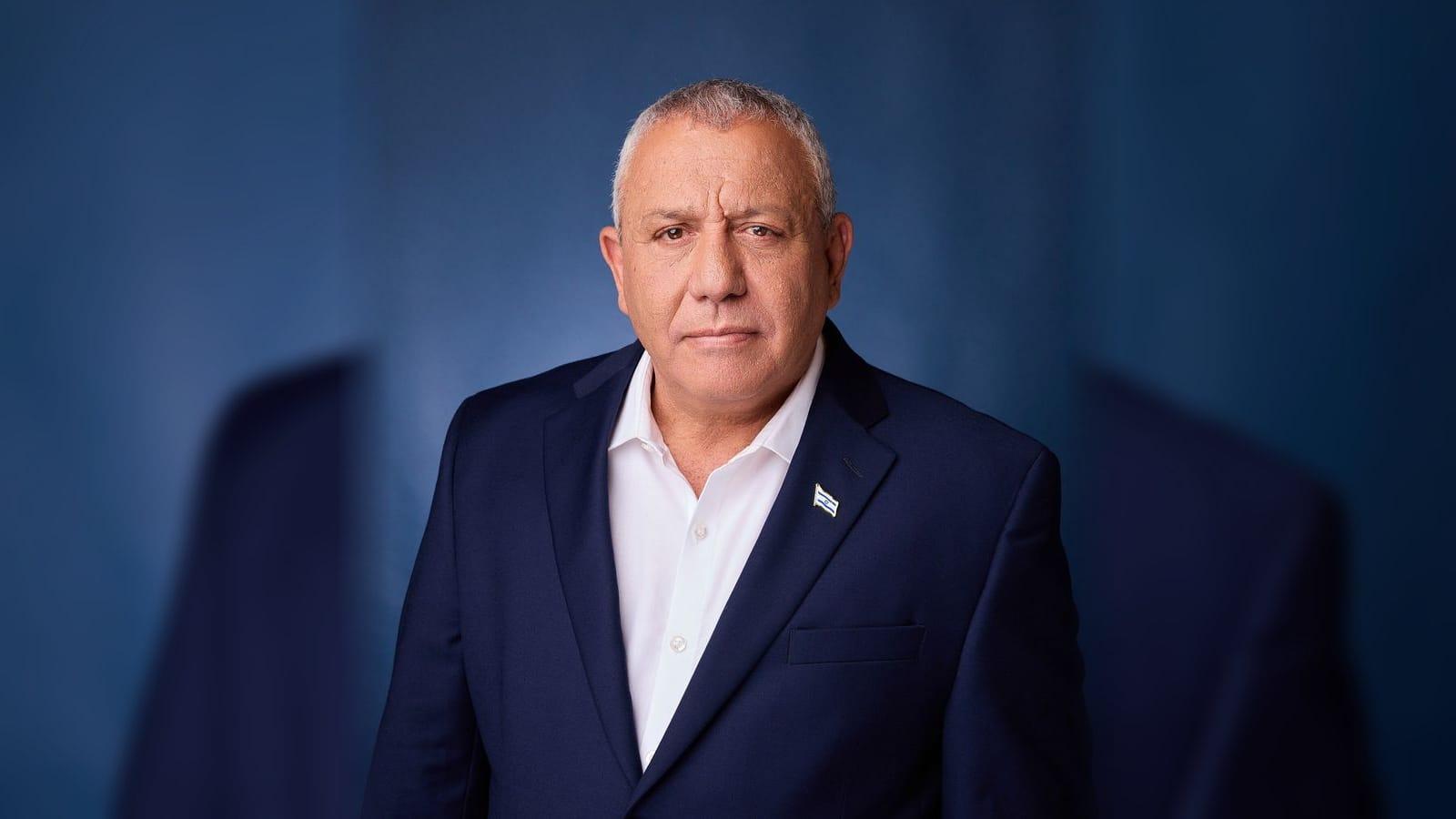
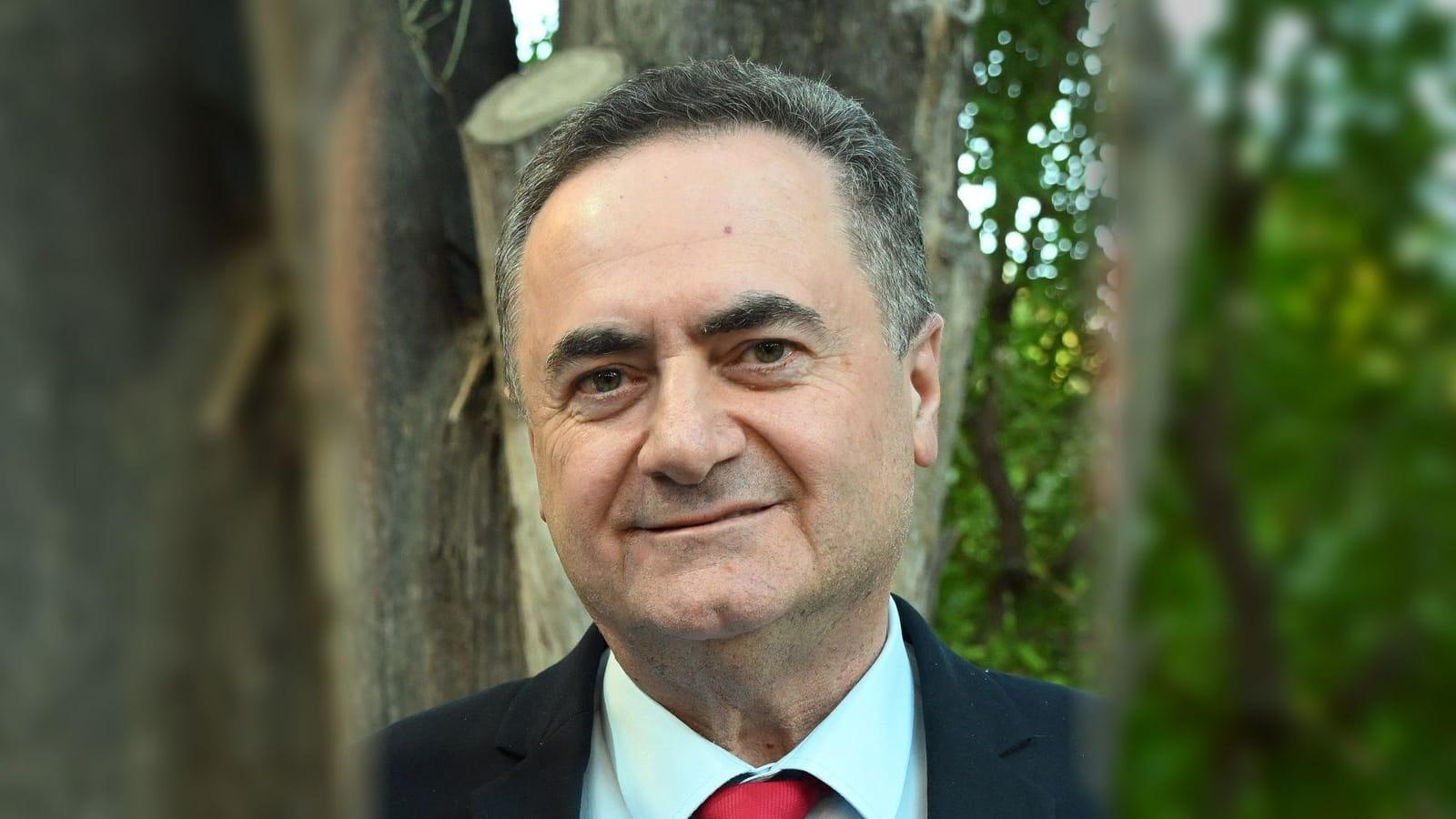
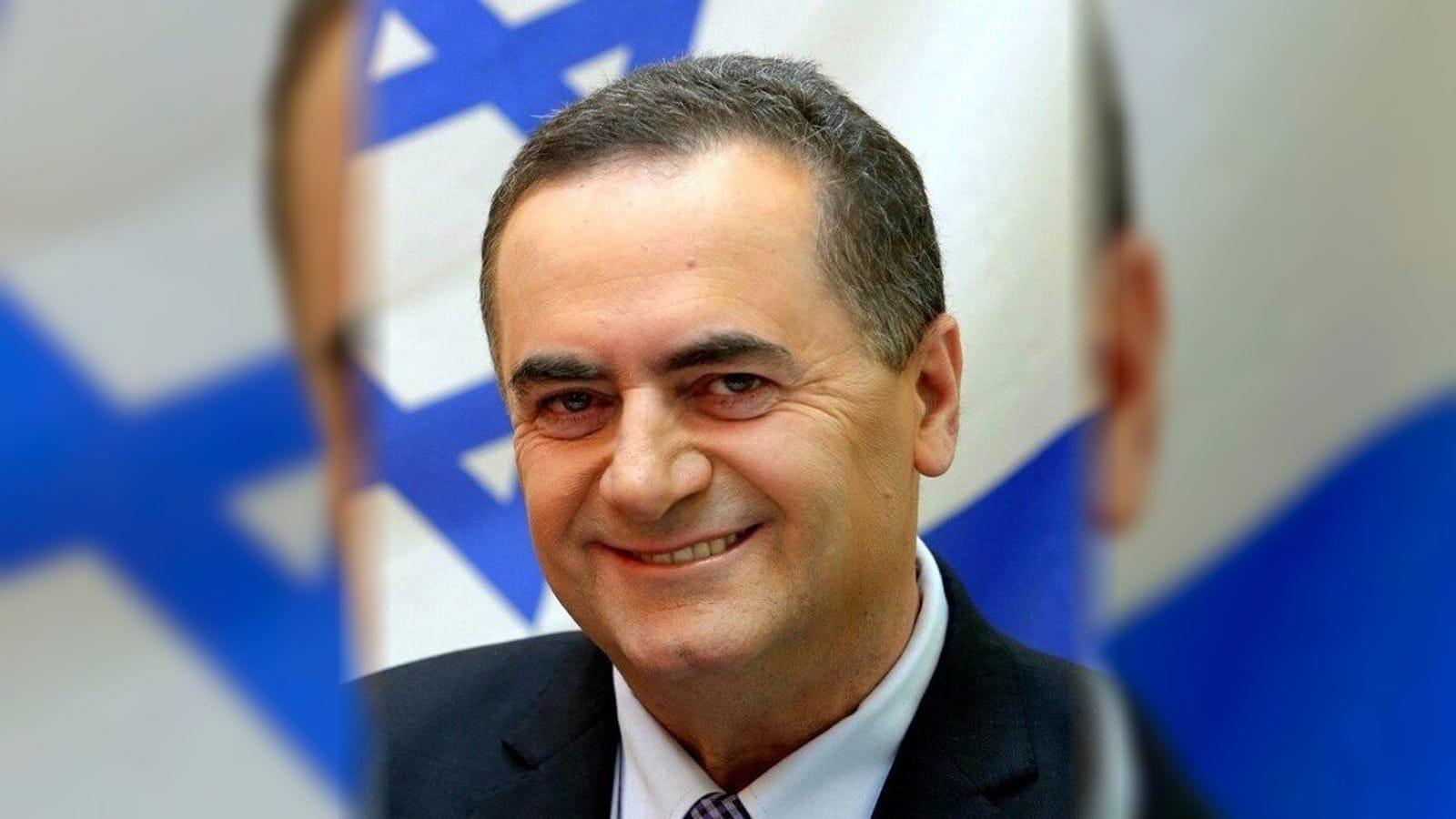
Gadi Eisenkot. File photo by יהב טרודלר (Yahav Trudler - Yahav Studio), CC BY-SA 3.0, via Wikimedia Commons.
One update since publication
- N12 names UTJ's four-member negotiating team; Times of Israel says the party will still seek the rabbis' approval first.
This story is being added to as it develops. Earlier text is kept below the updates rather than rewritten, so what this page said at each point is still on it.
Update, 24 November, 21:08 Israel time
The members of UTJ's negotiating team have now been named. N12 political correspondent Dafna Liel reported that the party will be represented in the talks with Eisenkot by Knesset members Yaakov Asher, Yitzhak Goldknopf, Yitzhak Pindrus and Meir Porush. Asher is the UTJ chairman who, according to Amit Segal's earlier post, was due to ask Rabbis Landau and Hirsch for permission to open formal negotiations. N12 did not say when the team would first meet Eisenkot or his representatives.
The question of rabbinical approval remains unsettled in the reporting. The Times of Israel reported that UTJ will seek the rabbis' consent before it formally opens coalition talks with what the outlet called the Eisenkot bloc. That account matches Ynet's description of approval as still pending, and differs from The Jerusalem Post's report that the rabbis had already given the go-ahead.
On the ground

‘Gadi Eisenkot has tried to make himself look right-wing, but he’s not; in the past, he’s been in favor of a two-state solution' Gil Hoffman (@Gil_Hoffman) joins @BenitaLevin on #TheRundown 👇For more news and updates, visit our official website bit.ly/4aYYSGy
Neither new report includes a statement from the rabbis, a response from Eisenkot or Yashar to UTJ's conditions, or further detail on the minority government option.
The story as first reported
United Torah Judaism (UTJ), the ultra-Orthodox party, is putting together a team to hold formal coalition negotiations with Gadi Eisenkot, the head of the Yashar party, the Israeli news site Ynet reported on Tuesday. According to Ynet, the party has set out three demands: a draft exemption for every man enrolled in a yeshiva, a private education network run by the party that the state would not interfere in, and no change to existing arrangements on matters of religion and state.
The reports differ on how far the rabbinical green light has gone. The Jerusalem Post reported that UTJ had received rabbinical approval to move the talks forward, and that Eisenkot is considering a minority government. Ynet, in its later report, said the party would hold off on opening direct negotiations until its rabbis gave formal approval.
Get an email the day Israel has a new government.
Coalition talks can take weeks. When a government is sworn in, Israel.com's newsroom emails who leads it, which parties are in and who got which ministry, then the Friday email each week. Free, and one click unsubscribes.
One list, unsubscribe in a click. See our privacy policy.
Who is involved
UTJ represents Haredi, or ultra-Orthodox, voters in the Knesset, Israel's parliament. Its political decisions are traditionally subject to the guidance of senior rabbis, whose sign-off is generally needed before the party enters a government or agrees to a coalition deal. That is why the question of whether approval has been given, or is still awaited, matters to the timing of any talks.
Earlier on Tuesday, the journalist Amit Segal wrote on his Telegram channel that UTJ chairman Yaakov Asher would speak within hours with Rabbis Landau and Hirsch to ask for permission to open formal negotiations with Eisenkot. Segal's post did not report the outcome of those conversations.
Eisenkot leads Yashar, which held a faction meeting at the Knesset in Jerusalem on November 17, 2026, according to a photo caption published by The Jerusalem Post. The reports describe him as the figure UTJ would be negotiating with to form a government.
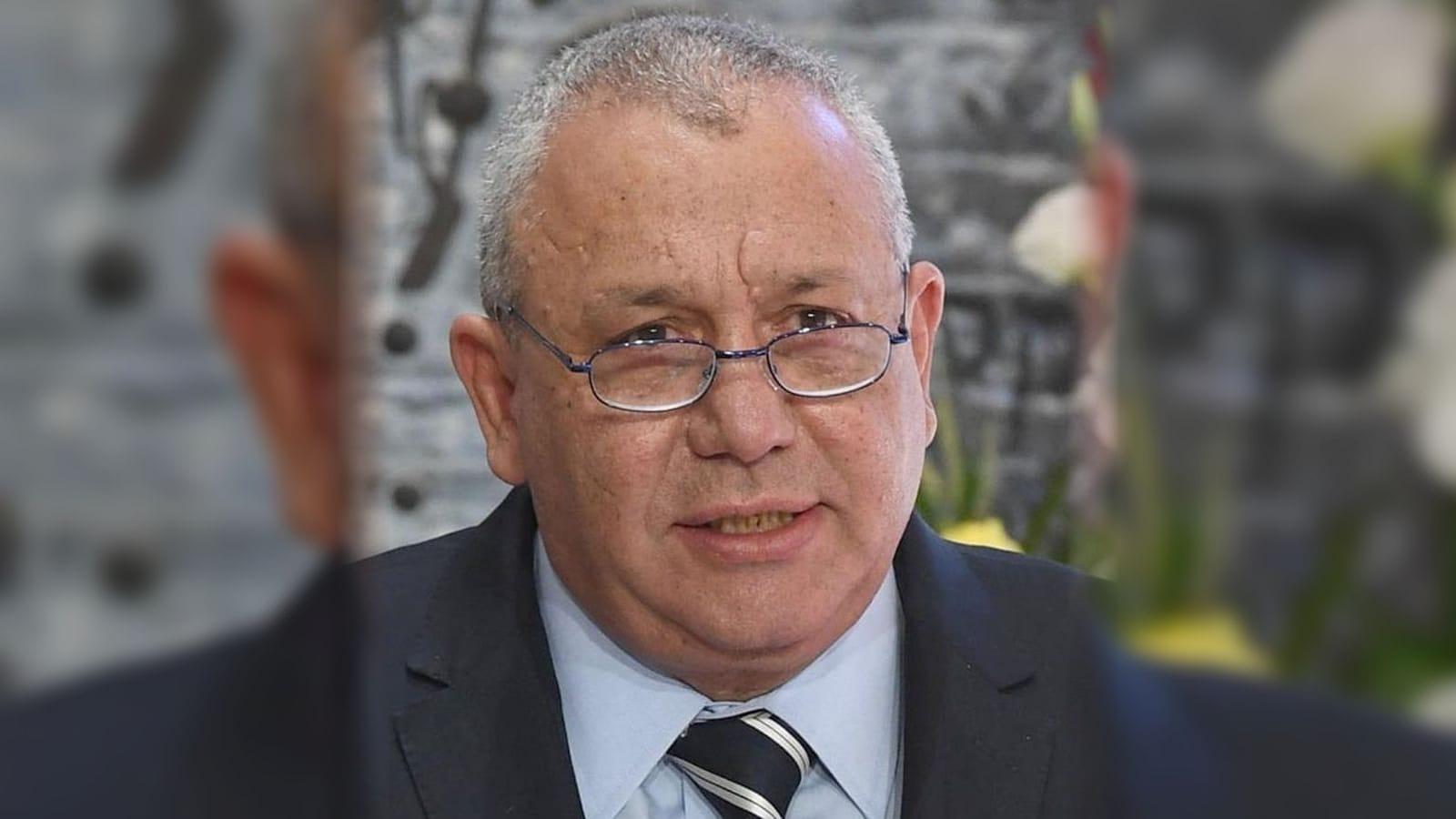
File photo
Next story Elections
Eisenkot and Netanyahu teams report gaps on overhaul bills and term limits
What UTJ is asking for
The three conditions reported by Ynet touch on long-running disputes in Israeli politics.
- Military service. Most Jewish Israelis are conscripted into the army. Men studying full time in a yeshiva, a religious seminary devoted to Torah study, have for decades been able to defer or avoid service. Whether and how to change that arrangement has been one of the most divisive questions facing successive Israeli governments. UTJ's reported demand is that anyone registered at a yeshiva be exempt.
- Education. Haredi communities run their own school networks, which place heavy emphasis on religious study. The reported demand is for a party-run private system that operates without state involvement.
- Religion and state. The "status quo" refers to the set of existing arrangements governing religious matters in public life. UTJ is reported to want them left as they are.
The draft question
On the military service issue, Ynet quoted Pindrus of UTJ as saying that finding a solution to the draft law is Eisenkot's job. In other words, the party is placing the burden of producing a workable legal arrangement on the would-be prime minister rather than proposing one itself, as Ynet presented it.
The comment suggests that the draft remains the issue most likely to shape whether talks succeed, since it is the subject on which UTJ's stated position is most specific and on which other potential partners in any government are likely to hold different views. The reports do not say how Eisenkot or Yashar responded to the demand.
A minority government
The Jerusalem Post's report that Eisenkot is weighing a minority government adds a further layer. In a parliamentary system, a minority government is one whose coalition partners hold fewer than half the seats in the legislature but which survives because other parties agree not to vote it down. Such an arrangement can allow a party to support a government from outside, or to back it on specific votes, without formally joining it. The Jerusalem Post report did not, in the material available, set out which parties such a government would include or what role UTJ would play in it.
Ynet's framing
Ynet described the developments as an early warming-up stage in the negotiations, and its alert channel carried the same headline referring to a team being formed for direct talks with Eisenkot. Neither Ynet item reported that talks had actually begun.
What the reports do not say
The reports conflict on whether rabbinical approval has been granted, and none publishes a statement from the rabbis themselves. None names the members of the UTJ negotiating team or gives a date for the first formal meeting. There is no reported response from Eisenkot or Yashar to UTJ's three conditions, and no detail on what a minority government under Eisenkot would look like or whether UTJ would sit inside it.
People in this story: Gadi Eisenkot, Meir Porush, Amit Segal
Read next
All government →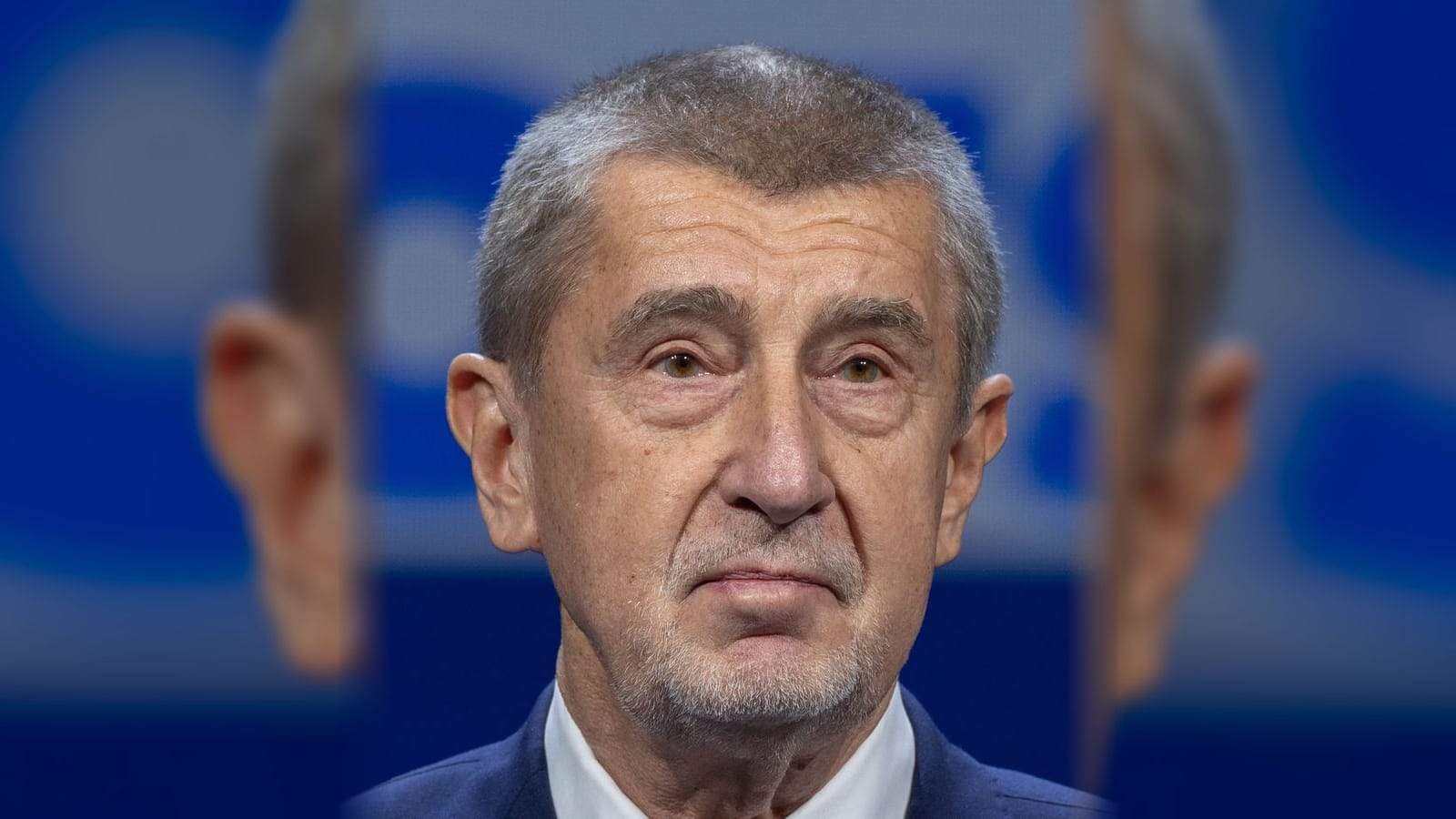
File photo
Elections
Czech PM Babis meets Gadi Eisenkot at the Knesset at Prague's request
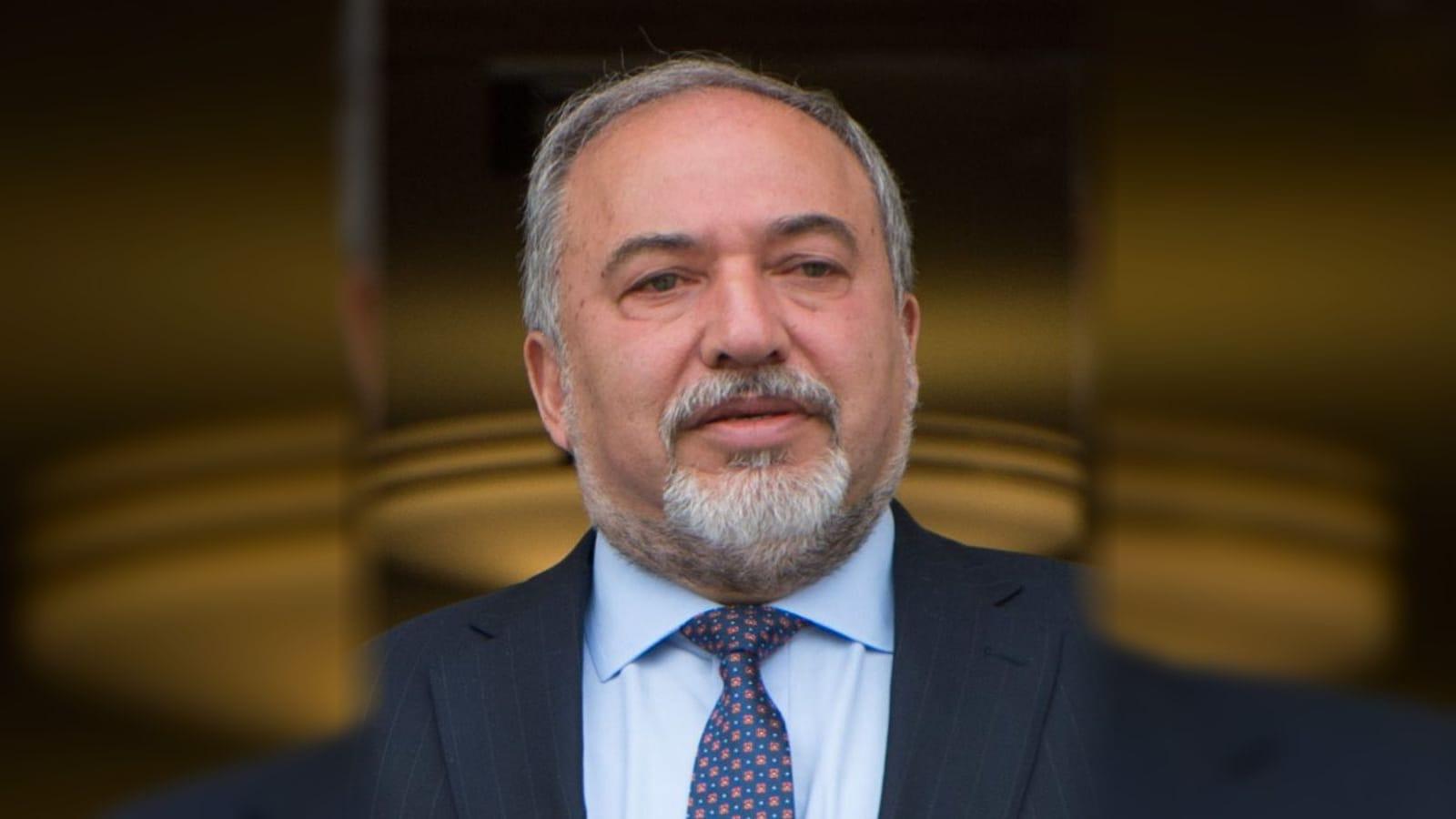
File photo
Government
Liberman calls minority government a trap, urges coalition with Shas and UTJ

Illustration
Government
UTJ's Asher repeats denial of draft talks, rules out government with Ra'am

Illustration
Government
Iran's rial falls to a record 2.83 million per dollar after US sanctions
See Israel.com first in Google's top stories.Add it as a preferred source on Google
Sources and further reading
Every link below was opened and checked when this page was written. Official statements are marked as such: they are the subject's own account, not an independent one.
- Reportingyediothynet.co.ilYnet
- Reportingyediotht.meYnet alerts
- Reportingjpostjpost.comThe Jerusalem Post
- Reportingamitsegalt.meAmit Segal
- Reportingtoitimesofisrael.comThe Times of Israel
- Reportingkeshett.meN12
How we checked this
The team's membership comes from a single N12 report by Dafna Liel. Whether the rabbis have approved formal talks is disputed: The Jerusalem Post says yes, while Ynet and The Times of Israel say approval is still being sought.
Our sourcing and corrections policy →The week from Israel, in one email
The stories that mattered, sourced and checked by the Israel.com newsroom. Free, weekly, one-click unsubscribe.
One list, unsubscribe in a click. See our privacy policy.

Israel.com is free, and readers like you keep it that way.
The Israel.com newsroom checks every story against its sources and publishes it free. If this one helped, a contribution of any size keeps the next one free too.
One payment, nothing to sign up for. Another amountGive monthly
Latest
Illustration

Illustration
File photo
File photo
File photo

Illustration