High Court bars parties from relaying live polling-station turnout digitally
A split panel ruled that party nominees at polling stations may not record voter numbers and send them to their parties in real time by digital means.
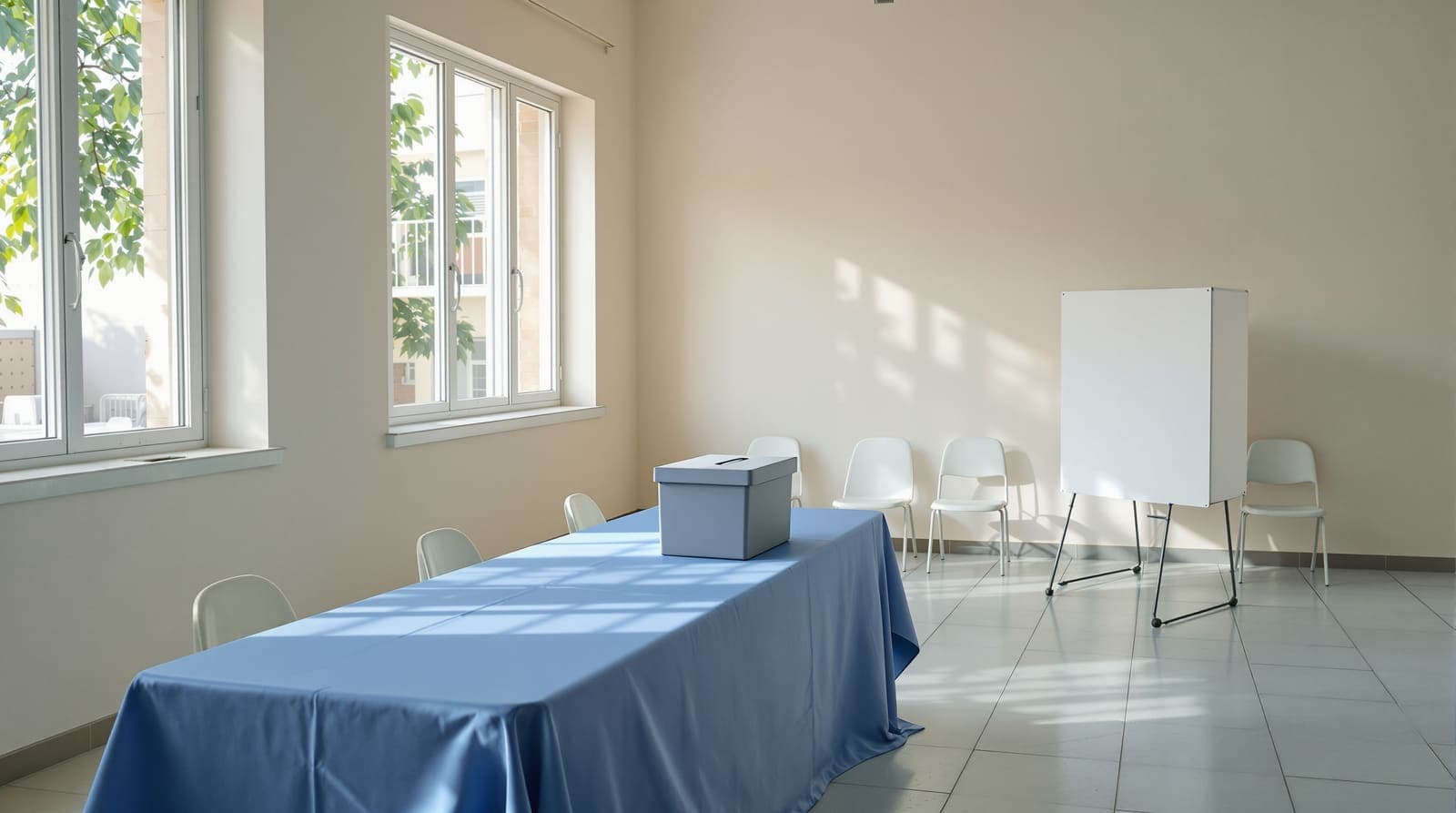
איור שנוצר בבינה מלאכותית, לא צילום של האירועים.
הכתבה המלאה עדיין לא נכתבה בעברית, ולכן היא מובאת כאן באנגלית.
Israel's High Court of Justice has ruled that representatives of political parties stationed at polling places may not record how many people have voted and pass that information to their parties in real time using digital tools, Ynet reported. According to Ynet, the prohibition covers both members of polling station committees and observers sent by the parties.
The decision was reached by a majority, with Justices Kabub and Ronen in favour and Justice Mintz dissenting, according to political commentator Amit Segal. N12 and Ynet's breaking news channel carried the same core finding: party representatives will not be able to transmit voter numbers from polling stations by digital means.
What the court decided
The ruling concerns turnout figures at individual ballot boxes, meaning the count of people who have cast votes at a given station during election day. The court's order, as described in the reports, targets two things together: documenting that figure and sending it onward to a party, live, through digital channels.
Ynet framed the outcome as a reversal, writing that the court had overturned an earlier decision so that parties will no longer be updated in real time with data from polling stations. The report does not specify which earlier decision was reversed or which body issued it.
Ynet also reported that a day before the ruling, Justice Kabub had warned in the proceedings of a "breach of every boundary", a phrase the outlet quoted from the hearing. The petitioners welcomed the outcome. Ynet quoted them as arguing, in substance, that polling station staff carry out a function on behalf of the state and should not serve as an operational tool for the parties.
השבוע בישראל בחמש ידיעות, בכל יום שישי
עם מקורות ובדיקה של מערכת Israel.com, ועם זמני השבת. חינם, והסרה בלחיצה אחת.
רשימה אחת, הסרה בלחיצה. קראו את מדיניות הפרטיות שלנו.
What the High Court of Justice is
The High Court of Justice is Israel's Supreme Court sitting in a particular capacity: as a court of first instance hearing petitions against state authorities and public bodies. In Hebrew it is commonly known by the acronym Bagatz. Cases are typically decided by panels of justices, and decisions can be split, as this one was according to Segal's account.
Petitions on the conduct of elections regularly reach the court, because election administration is carried out by public bodies whose decisions can be challenged there.
Who staffs a polling station
In Israeli elections, each polling station is run by a committee whose members are nominated by political parties. Parties may also send observers. These people are present throughout voting and are in a position to see how many voters have come through.
The petitioners' argument, as Ynet reported it, rests on the idea that once seated on a polling committee, a party nominee is performing a public role rather than working for the party that nominated them. The majority's ruling, as described, restricts one way that role could be used to feed information back to party campaigns during the day.
How the reports compare
All three organisations agree on the central point: the court barred party representatives from transmitting polling-station voter counts through digital means. Ynet's longer report adds the reversal framing, the reference to committee members and observers, Justice Kabub's remark and the petitioners' reaction. Segal's post is the only one of the reports to name the justices and describe the split. N12's item, attributed to its correspondent Yael Yaffe, and the Ynet alert carry only the headline finding.
Ynet published the story in its section covering the upcoming elections, but none of the reports describes the timing of the vote or how soon the ruling takes effect.
What the reports do not say
- Who the petitioners are, and which body or decision they were challenging.
- What earlier decision Ynet describes as having been reversed, and who made it.
- The reasoning of the majority, or the grounds of Justice Mintz's dissent.
- Whether non-digital ways of passing on turnout figures remain permitted, or whether parties may receive such figures after polls close.
- How the restriction will be enforced at polling stations, and what consequences apply to anyone who breaches it.
- Whether the parties affected have responded.
We will update this report if fuller details of the ruling are published.
מקורות וקריאה נוספת
פתחנו ובדקנו כל קישור כאן בזמן כתיבת העמוד. הודעות רשמיות מסומנות ככאלה: זו הגרסה של הגורם עצמו, לא גרסה עצמאית.
- כתבותyediothynet.co.ilYnet
- כתבותyediotht.meYnet alerts
- כתבותamitsegalt.meAmit Segal
- כתבותkeshett.meN12
איך בדקנו את זה
The core ruling was reported by Ynet, N12 and Amit Segal. The names of the justices and the split are attributed only to Segal; the reversal framing, Justice Kabub's remark and the petitioners' reaction come only from Ynet.
מדיניות המקורות והתיקונים שלנו →השבוע מישראל, במייל אחד
הכתבות שהיו חשובות, עם מקורות ובדיקה של מערכת Israel.com. חינם, פעם בשבוע, הסרה בלחיצה אחת.
רשימה אחת, הסרה בלחיצה. קראו את מדיניות הפרטיות שלנו.
עוד במדור משפט ופלילים
למדור משפט ופלילים →


הכתבות האחרונות
- Boy, 8, critically injured by bus near Hura as police hunt the driver
- שניים נהרגו בתקיפה ברכב בשכונת תל אל-הווא בעזה, לפי דיווחים פלסטיניים
- נתניהו מכחיש את הדיווח ב"פייננשל טיימס" שטראמפ עצר תקיפה באיראן
- כ"ץ מאשים מראש את לפיד, בנט וגולן בכל פיגוע לפני הבחירות
- תשעה פצועים בהתהפכות מיניבוס בכביש 353 ליד בית שמש
- איפא"ק מפסיק להמליץ על מועמדים ולתרום להם ישירות, הסופר-פאק שלו ממשיך לפעול