Gadi Eisenkot calls for a national emergency government as he nears the mandate
The Yashar party leader posted that the moment has come for a national emergency government, as President Herzog moves to task him with assembling a coalition.
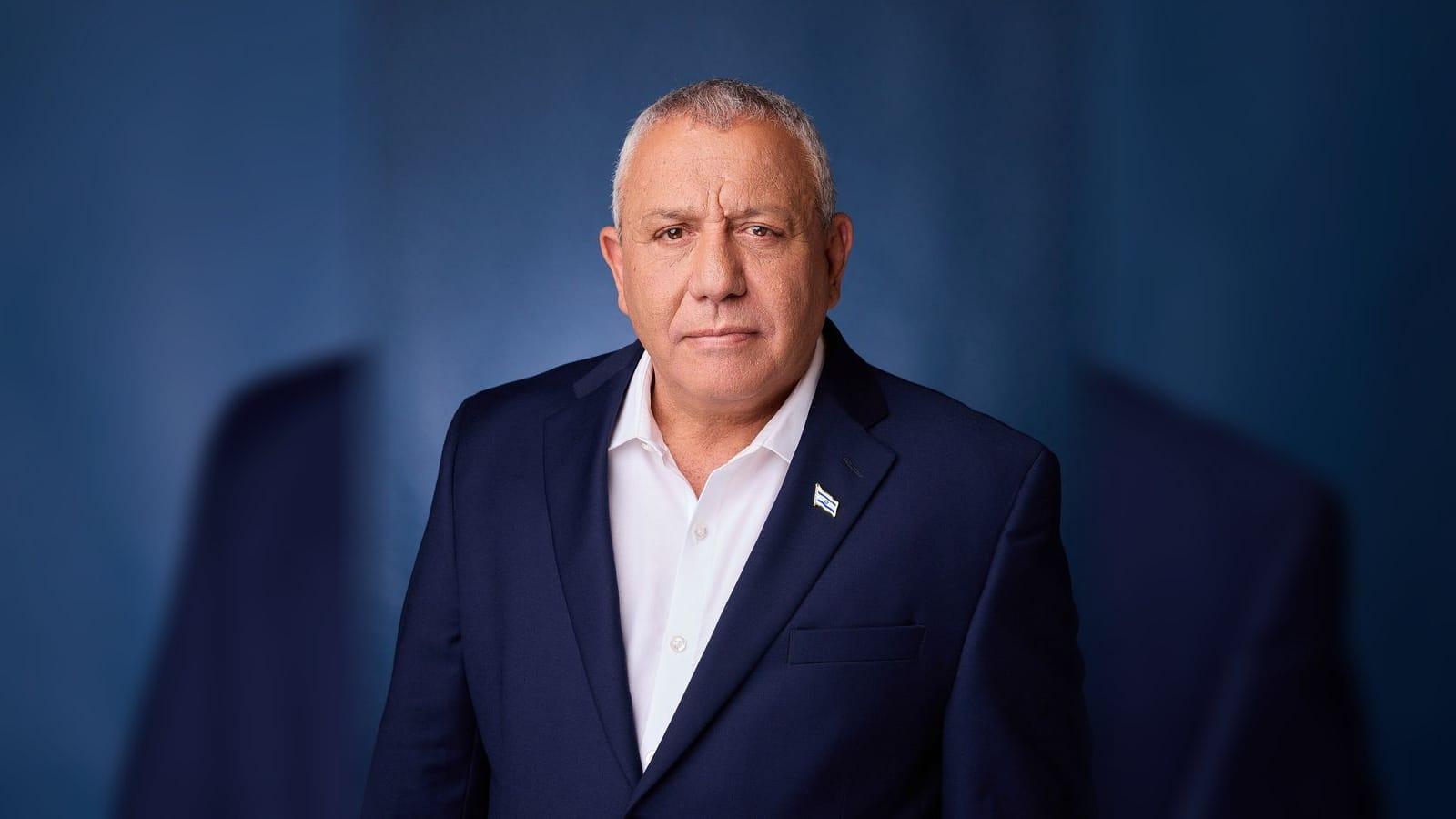
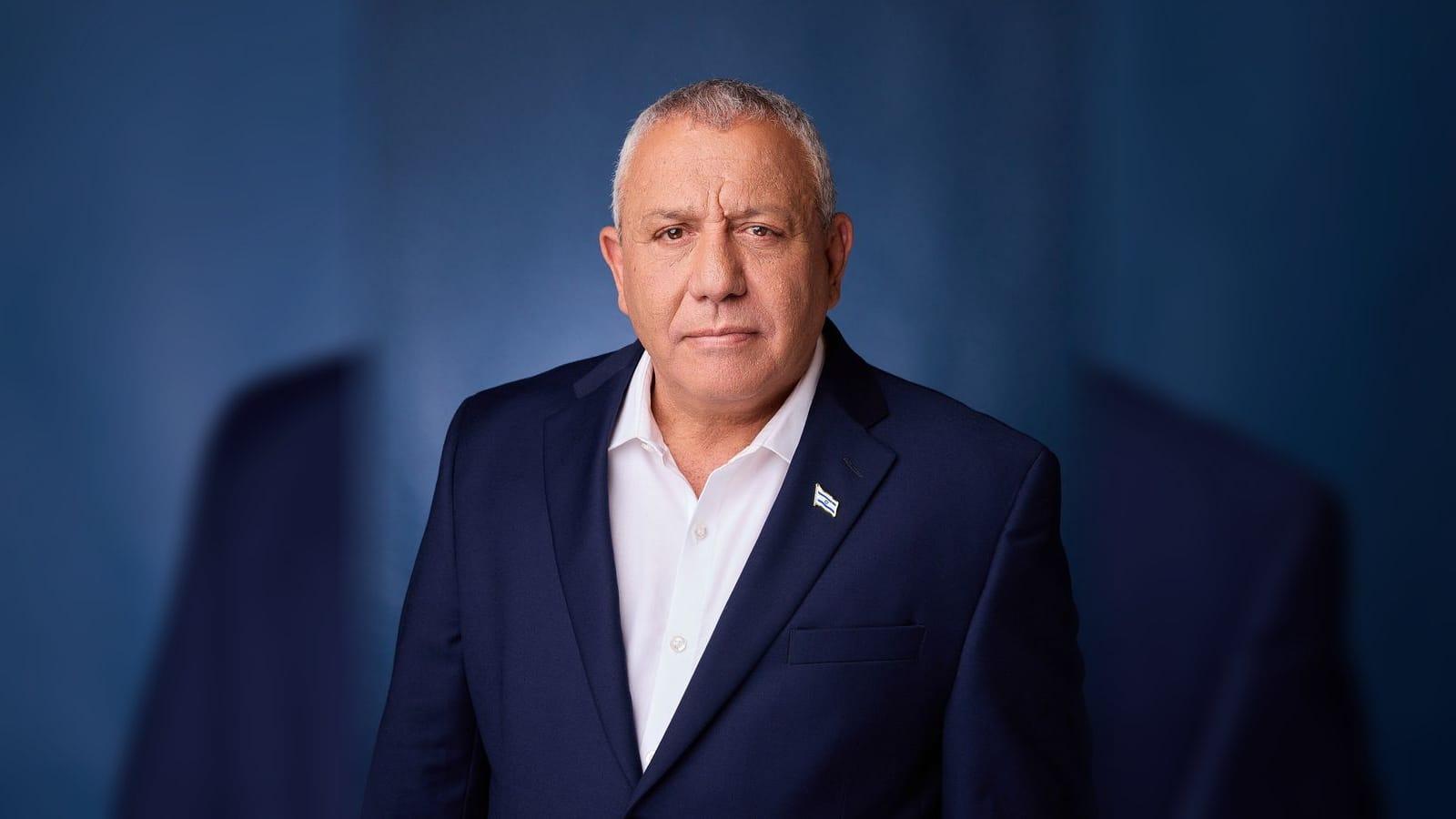
Gadi Eisenkot. File photo by יהב טרודלר (Yahav Trudler - Yahav Studio), CC BY-SA 3.0, via Wikimedia Commons.
Gadi Eisenkot, leader of the Yashar party, has said he will work toward a "national emergency government" as he takes on the job of trying to form Israel's next ruling coalition. In a short Hebrew post on X, Eisenkot wrote that this is the moment to establish such a government, adding that he would do all he can so that "we prove worthy."
The Times of Israel reported that the post came after President Isaac Herzog announced that Eisenkot would be formally given the task of assembling a coalition the following day. The Hebrew-language outlet News.co.il described the same statement as coming after Eisenkot had received the mandate from the president. The two reports therefore differ on whether the formal handover had already happened when Eisenkot posted, or had only been announced.
What the sources posted


What being 'tasked' with forming a government means
Israel's government is formed in parliament, the Knesset, rather than elected directly. After an election, or when a coalition collapses, the president consults the parties represented in the Knesset and then asks one member, usually the person seen as most able to command a majority, to try to build a coalition. In Hebrew this is commonly called receiving the mandate, or mandat.
The president's role is largely ceremonial in other respects, but this step matters: the member chosen gets a set period to negotiate with other parties and present a government that can win a confidence vote in the Knesset. If they cannot, the president can turn to another candidate. Being tasked is therefore the start of negotiations, not the end of them, and it does not by itself make the recipient prime minister.
Who Gadi Eisenkot is
Eisenkot is a former chief of the general staff of the Israel Defense Forces (IDF), the country's most senior military post, who moved into politics after leaving the army. The reports identify him as the leader of Yashar, the party under whose banner he is now seeking to assemble a coalition. None of the reports set out which parties he expects to bring into a government or how many lawmakers he could count on.
Get an email the day Israel has a new government.
Coalition talks can take weeks. When a government is sworn in, Israel.com's newsroom emails who leads it, which parties are in and who got which ministry, then the Friday email each week. Free, and one click unsubscribes.
One list, unsubscribe in a click. See our privacy policy.
What a 'national emergency government' implies
The phrase Eisenkot used, memshelet cherum leumit in Hebrew, has a specific resonance in Israeli politics. It has been used to describe broad coalitions formed in times of war or acute crisis, in which rival parties set aside some of their differences and sit together in government, often with a narrower agenda focused on security and stability.
Eisenkot's post did not explain what he means by the term in the current setting, which parties he is appealing to, or what emergency he has in mind. It also did not say whether he is offering any particular arrangement, such as shared leadership or a limited policy programme, to draw in parties outside his own camp. The statement, as published, consists of two sentences: a call for such a government and a pledge to do everything possible to be worthy of the task.
How the statement was reported
The original post was written in Hebrew on Eisenkot's own X account and is a statement of his intentions, not a description of agreements already reached. The Times of Israel carried an English version in its live coverage, tying it to Herzog's announcement. News.co.il reposted the Hebrew text on its Telegram channel, framing it as Eisenkot's reaction to receiving the mandate. Neither outlet reported responses from other party leaders.
What the reports do not say
- Whether the mandate had been formally handed to Eisenkot when he posted, or was still to be conferred the next day; the two news reports describe the timing differently.
- Which parties Eisenkot intends to approach for an emergency government, and whether any have expressed willingness to join.
- How other party leaders, including those who would have to agree to sit in such a coalition, have responded to his call.
- What specific emergency or set of priorities Eisenkot has in mind when he uses the term.
Read next
All elections →
File photo
Security
Shin Bet Unit 730 to guard Gadi Eisenkot after 'traitor' shouts at his home
File photo
Government
Democrats back Gadi Eisenkot for prime minister, completing opposition bloc

File photo
Elections
Herzog to hand Gadi Eisenkot the mandate to form Israel's next government

File photo
Elections
Bennett and Lapid's faction tells Herzog it backs Eisenkot, rejects unity talk
Sources and further reading
Every link below was opened and checked when this page was written. Official statements are marked as such: they are the subject's own account, not an independent one.
- Officialeisenkotx.comGadi Eisenkot on X
- Reportingtoitimesofisrael.comThe Times of Israel
- Reportingnewssilt.meNews.co.il
How we checked this
Eisenkot's words come from his own post on X and are reported here as his statement. The Times of Israel and News.co.il both reported it, but they differ on whether he had already received the mandate or was due to receive it the next day.
Our sourcing and corrections policy →The week from Israel, in one email
The stories that mattered, sourced and checked by the Israel.com newsroom. Free, weekly, one-click unsubscribe.
One list, unsubscribe in a click. See our privacy policy.

Israel.com is free, and readers like you keep it that way.
The Israel.com newsroom checks every story against its sources and publishes it free. If this one helped, a contribution of any size keeps the next one free too.
One payment, nothing to sign up for. Another amountGive monthly
Latest

Illustration

Illustration

Illustration
File photo
File photo
File photo