IDF says it destroyed Hezbollah tunnels under Ali al-Taher Ridge in Lebanon
The Israeli military says it used more than 1,100 tons of explosives to demolish an underground complex it calls the command hub of Hezbollah's Badr unit in southern Lebanon.
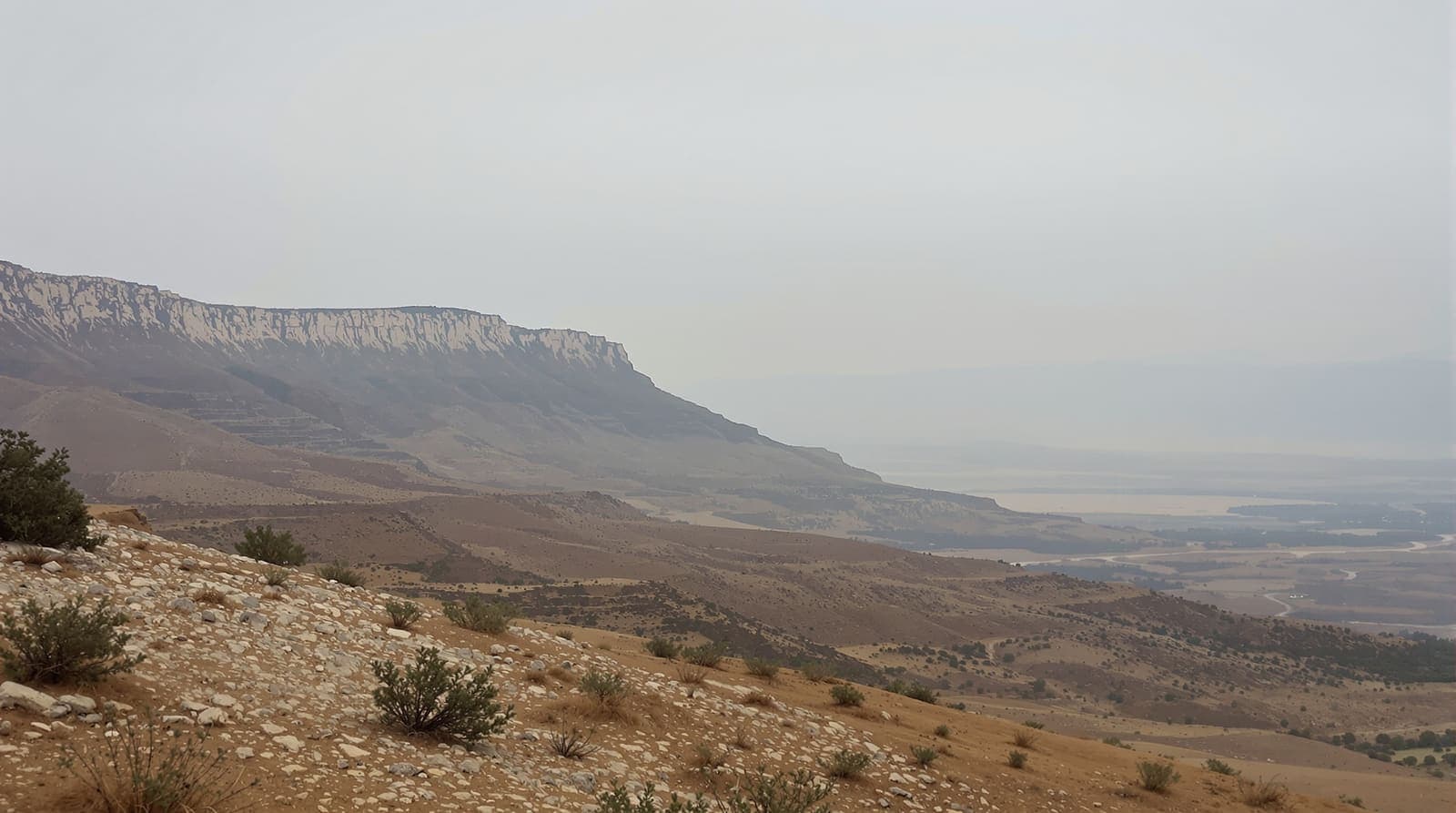
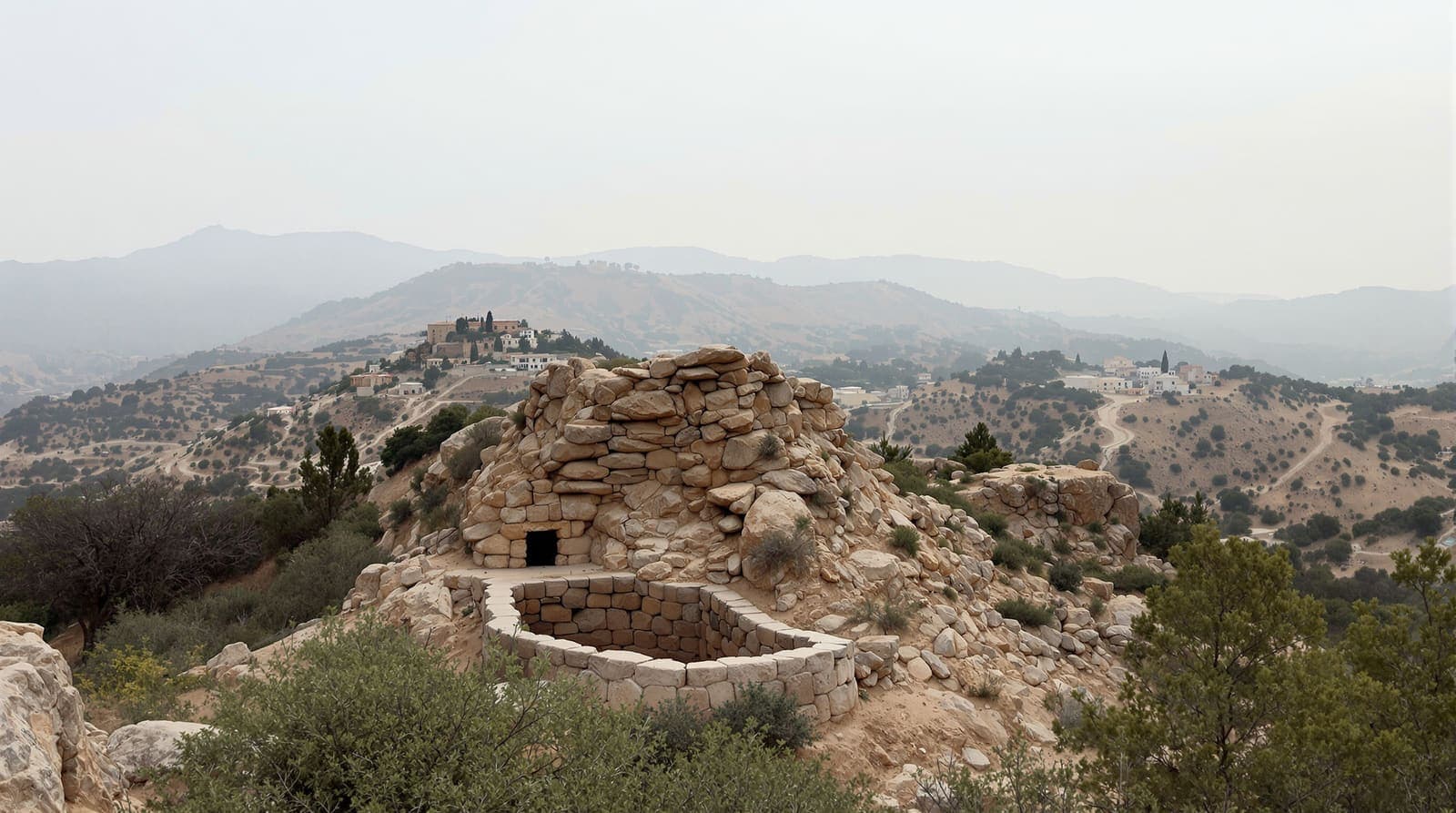
AI illustration, not a photo of the events.
The Israel Defense Forces said its troops demolished a Hezbollah underground complex beneath the Ali al-Taher Ridge in southern Lebanon on Thursday evening, after what the military described as extensive preparatory work and the establishment of operational control over the ridge above and below ground. In a statement issued by the IDF spokesperson, the military said the aim was to permanently deny Hezbollah the use of the site for attacks on Israeli civilians and soldiers.
Residents of northern Israel had been warned in advance. Times of Israel military correspondent Emanuel Fabian reported that the Upper Galilee Regional Council told residents to expect a "series of strikes and controlled explosions in Lebanon" that would be audible across the region, and Lebanese channels monitored by the Arabic-language account Abu Ali Express described a blast likened to an earthquake. Security camera footage circulated in Lebanon showing houses shaking, according to the Hebrew outlet News.co.il.
What the sources posted

🎯DISMANTLED: The underground infrastructure in the Ali al-Taher Ridge area, in the Security Zone, in order to neutralize Hezbollah’s ability to use this infrastructure to plan & carry out terror attacks against Israeli civilians & IDF soldiers. Dozens of Iranian-made rockets, Show more

The IDF is set to demolish a major Hezbollah tunnel system beneath the Ali Taher Ridge in southern Lebanon tonight. Residents of northern Israel have been notified by local authorities that explosions are expected to be heard in the coming hours. A statement from the Upper Show more
On the ground

The Israeli army says it has destroyed a network of Hezbollah tunnels on the strategic Ali al-Taher ridge in southern Lebanon. Reports citing Israeli sources say dozens of bodies of Hezbollah fighters were found inside the tunnels.
Video from Al Jazeera English. Tap to play. Nothing from it is shown until you do.
What the military says was under the ridge
The IDF said troops found dozens of Iranian-made rockets, missiles and unmanned aerial vehicles inside the underground routes, along with machine guns, anti-tank missiles and hundreds of mines and explosive devices. The military's English-language account added that a central command complex belonging to Hezbollah's "Badr" unit was located inside the network.
Badr is the name the IDF gives to Hezbollah's regional command responsible for the part of southern Lebanon north of the Litani River, the waterway that has served as the reference line for international arrangements on Hezbollah's presence in the south. Fabian reported that the military called the site the group's regional "nerve center."
The figures, and where the accounts differ
Reports published from the same military briefing give different measurements of the complex. Fabian wrote that the troops operated inside two tunnels spanning over two kilometers. Joe Truzman of the Foundation for Defense of Democracies, citing an IDF official, described a network of eight underground routes running more than 5.4 kilometers, most of which had been dismantled after months of operations. The Israeli journalist Amit Segal also reported eight tunnels with a combined length of 5.4 kilometers across the ridge. The reports do not explain whether the smaller figure refers only to the section demolished on Thursday.
Israel's week in five stories, every Friday
Sourced and checked by the Israel.com newsroom, with Shabbat times. Free, one-click unsubscribe.
One list, unsubscribe in a click. See our privacy policy.
On the quantity of explosives, the accounts agree: the IDF said more than 1,100 tons were used in the demolition.
Netanyahu and Katz frame it as closing the security zone
Prime Minister Benjamin Netanyahu and Defense Minister Israel Katz issued a joint statement saying that, on their instruction, the military had destroyed Hezbollah's underground infrastructure at the ridge and thereby completed the organisation of the security zone in southern Lebanon. The statement, published in Hebrew by several Israeli outlets including News.co.il and Segal, said the infrastructure and command post on the ridge were intended to serve as a base for an incursion into the Galilee and commanded observation and fire over Metula and Kiryat Shmona, two Israeli communities close to the Lebanese border.
Next story Security
IDF strikes Hezbollah launch sites after drone targets troops in Lebanon
The IDF spokesperson, speaking at the ridge, said the network had been "built over two decades, funded and directed by the Iranian terrorist regime," and said that in recent months troops had encircled the area and increased pressure on the tunnels. "All of the terrorists who were inside the infrastructure were eliminated or fled," the spokesperson said, adding that weapons manufactured in Iran were among those left behind.
Casualties and the fate of bodies
News.co.il reported an Israeli official as saying that dozens of bodies of Hezbollah operatives were located in the tunnels. Abu Ali Express reported that Lebanese channels aligned with Hezbollah were asking what had become of the remains of fighters killed inside the Ali al-Taher tunnels. Neither the IDF statements published on its official channels nor the other reports give a figure for Hezbollah fatalities at the site.
In radio remarks before the detonation, quoted by Segal, a company commander from the Maglan special forces unit named three soldiers of the formation who were killed in the course of the fighting that led to the ridge: Adam Tzarfati, Shahar Gamla and Nir Ben Ari. Israeli outlets reported a video filmed at the ridge by Brigadier General Defrin in which he said the mission had been completed.
What the reports do not say
The material does not state how long the operation to seize the ridge lasted, when Israeli troops first established control there, or how many soldiers took part. It does not describe the boundaries of the area Israeli officials call the security zone, nor how long forces intend to remain in it. There is no Lebanese government or Hezbollah response in the reports, and no independent assessment of the damage or of what remains of the network after the demolition. The description of the tunnels' contents, their builders and their purpose rests on Israeli military statements, and none of the reports here indicates that journalists were able to inspect the site independently.
Read next
All security →
Illustration
Security
IDF strikes Hezbollah weapons store in Sejoud area of southern Lebanon
Illustration
Security
IDF says Ali al-Amoudi, Sinwar's former aide, was target; his fate still unknown
Illustration
Security
IDF says Hezbollah kept using a Kfarra weapons site after Lebanese Army review
Illustration
Security
IDF says 810th Brigade found ready-to-detonate Hezbollah device near Kfar Shouba
Sources and further reading
Every link below was opened and checked when this page was written. Official statements are marked as such: they are the subject's own account, not an independent one.
- Officialidft.meIDF spokesperson
- Officialidft.meIDF spokesperson
- Officialidft.meIDF spokesperson
- Officialidft.meIDF spokesperson
- Officialidfx.comIDF on X
- Reportingyediothynet.co.ilYnet
- Reportingtoit.meEmanuel Fabian, Times of Israel military correspondent
- Reportingtoit.meEmanuel Fabian, Times of Israel military correspondent
- Reportingtoit.meEmanuel Fabian, Times of Israel military correspondent
- Reportingtoit.meEmanuel Fabian, Times of Israel military correspondent
- Reportingtoit.meEmanuel Fabian, Times of Israel military correspondent
- Reportingtoit.meEmanuel Fabian, Times of Israel military correspondent
- Reportingjpostjpost.comThe Jerusalem Post
- Reportingamitsegalt.meAbu Ali Express
- Reportingabualiexpresst.meAbu Ali Express
- Reportingabualiexpresst.meAbu Ali Express
- Reportingabualiexpresst.meAbu Ali Express
- Reportingabualiexpresst.meAbu Ali Express
- Reportingabualiexpresst.meAbu Ali Express
- Reportingabualiexpresst.meAbu Ali Express
- Reportingamitsegalt.meAmit Segal
- Reportingamitsegalt.meAmit Segal
- Reportingamitsegalt.meAmit Segal
- Reportingamitsegalt.meAmit Segal
- Reportingamitsegalt.meAmit Segal
- Reportingamitsegalt.meAmit Segal
- Reportingnewssilt.meNews.co.il
- Reportingamitsegalt.meNews.co.il
- Reportingnewssilt.meNews.co.il
- Reportingnewssilt.meNews.co.il
- Reportingnewssilt.meNews.co.il
- Reportingtoix.comEmanuel Fabian on X
- Reportingtoix.comEmanuel Fabian on X
- Reportingtoix.comEmanuel Fabian on X
- Reportingtoix.comEmanuel Fabian on X
- Reportingtoix.comEmanuel Fabian on X
- Reportingtoix.comEmanuel Fabian on X
- Reportingfddx.comJoe Truzman, FDD
- Reportingfddx.comJoe Truzman, FDD
How we checked this
The demolition was reported by the IDF spokesperson, the IDF's English account, Emanuel Fabian of the Times of Israel, Joe Truzman of FDD and Israeli outlets including Amit Segal and News.co.il. The tunnel dimensions differ between reports and the count of Hezbollah dead is attributed to a single unnamed Israeli official; Israel.com has not independently verified conditions at the site.
Our sourcing and corrections policy →The week from Israel, in one email
The stories that mattered, sourced and checked by the Israel.com newsroom. Free, weekly, one-click unsubscribe.
One list, unsubscribe in a click. See our privacy policy.
Latest
- Trump urges Israelis to 'vote for Bibi' in new post a day before the election
- IDF chief Zamir reportedly pushed back on Netanyahu order over Iran
- IDF fires interceptor at suspected aerial target over southern Lebanon
- Soldiers killed near Hebron named and buried as army operation goes on
- Truck driver arrested after fatal crash on Route 465 near Aboud
- IDF says about 220,000 dunams of West Bank olives harvested so far