IDF spokesman says public guidelines unchanged, urges Israelis to ignore rumours
Brig. Gen. Effie Defrin told Israelis before Shabbat that civilian instructions stay as they are amid tension with Iran, and asked them to rely only on official IDF updates.

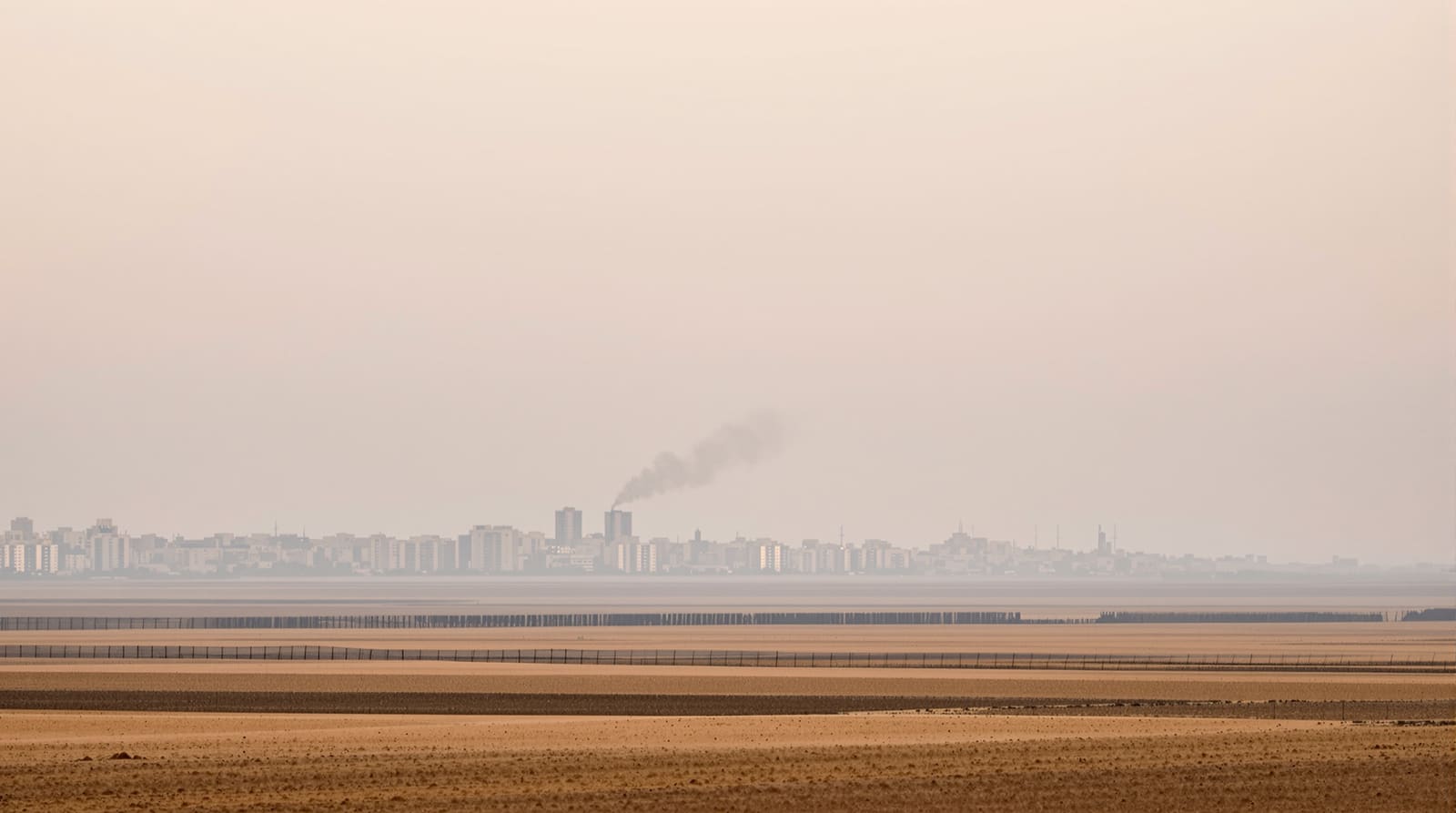
AI illustration, not a photo of the events.
The Israel Defense Forces' chief spokesman, Brigadier General Effie Defrin, said on Friday afternoon, shortly before the start of Shabbat, that the instructions the military gives to Israeli civilians have not changed. He issued the message as tensions with Iran continue, and he asked the public not to be drawn in by rumours. Times of Israel military correspondent Emanuel Fabian reported that Defrin made the statement in a post on X, framing it as a reiteration of a position already given.
According to the full Hebrew text published by journalist Amit Segal, Defrin said he wanted to clarify matters because of public discussion and a large number of media reports. He said the military is holding continuous situation assessments and is ready for a range of possibilities, in defence and in attack. He added that the public would be told if anything changes, urged people to act responsibly and said they should depend solely on official IDF announcements. Israeli broadcaster N12, through its military correspondent Nir Dvori, and the news site Ynet both carried the core line of the message: no change in the guidelines, and do not give credence to rumours.
What the sources posted

Amid the ongoing tensions with Iran, IDF Spokesman Brig. Gen. Effie Defrin reiterates that there are no changes to the military's guidelines for the Israeli public. "In light of the discussion and numerous reports, it is important for me to clarify ahead of the start of Shabbat: Show more
Who Effie Defrin is
Defrin heads the IDF Spokesperson's Unit, the branch of the military responsible for its official communication with the media and the public. His rank of brigadier general is the Israeli rank known in Hebrew as tat-aluf. When the spokesman addresses civilians directly, as here, the message is intended as the military's authoritative word on what people should and should not do.
In the statement, Defrin opened and closed with a Shabbat greeting, wishing the whole of Israel a peaceful and quiet Sabbath. Shabbat, the Jewish day of rest, begins at sundown on Friday. Many observant Israelis do not use phones, televisions or the internet during it, which is one reason official bodies often try to settle any uncertainty about public safety before it begins.
What the guidelines are
The guidelines Defrin referred to are the standing instructions for civilians on matters such as gatherings, schooling, workplaces and proximity to protected spaces. In Israel they are set by the military, mainly through the Home Front Command, the IDF body responsible for civil defence. The reports do not specify which instructions are currently in force; they say only that there has been no change to them.
Israel's week in five stories, every Friday
Sourced and checked by the Israel.com newsroom, with Shabbat times. Free, one-click unsubscribe.
One list, unsubscribe in a click. See our privacy policy.
A statement that nothing has changed is itself a public safety message. During periods of regional tension, unverified claims about imminent attacks or new restrictions can spread quickly on messaging apps and social media. Defrin's emphasis on relying only on official IDF channels is a direct response to that kind of circulation, which he described as discussion and a flood of reports.
The Iran backdrop
Fabian's report places the statement in the context of ongoing tensions between Israel and Iran. Defrin's own wording, as published in Hebrew, does not name Iran. It refers instead to readiness for various scenarios, both defensive and offensive, a formulation that signals the military is prepared to respond and to act but gives no detail about any specific threat or plan.

Illustration
Next story Security
Israel and US weighing renewed strikes on Iran soon, CBS reports
None of the reports describes a particular incident, warning or intelligence assessment that prompted the statement. They describe it as a reaction to the volume of public talk and media coverage rather than to a specific event.
How the message was carried
The four outlets reported the same statement within minutes of one another. Ynet and N12 ran brief alerts with the headline message. Segal posted what appears to be the full Hebrew text. Fabian provided an English summary with partial quotations, cut off in the version available to us, and described it as a reiteration, suggesting Defrin had made a similar point before. The accounts are consistent with each other and do not conflict on any detail.
What the reports do not say
The reports do not identify the specific rumours or publications Defrin was responding to, and they give no detail on the current state of tensions with Iran or any Iranian action behind them. No response from Iran is reported. Nor do they say which guidelines are currently in effect, or when the IDF might next update the public.
People in this story: Amit Segal, Nir Dvori
Read next
All security →
Illustration
Security
Iranian security committee head Ebrahim Azizi says Iran cannot be blockaded

Illustration
Security
Israeli forces seize about 15 drones in West Bank, over 500 this year
Illustration
Security
Israel says Gaza strikes this week killed Islamic Jihad and Hamas commanders

Illustration
Security
Lebanese Forces figure Charles Jabbour wears 'Fauda' kippah on live TV
Sources and further reading
Every link below was opened and checked when this page was written. Official statements are marked as such: they are the subject's own account, not an independent one.
- Reportingyediotht.meYnet alerts
- Reportingtoit.meEmanuel Fabian, Times of Israel military correspondent
- Reportingamitsegalt.meAmit Segal
- Reportingkeshett.meN12
- Reportingtoix.comEmanuel Fabian on X
How we checked this
The statement was reported by Ynet, N12, journalist Amit Segal and Times of Israel correspondent Emanuel Fabian, whose accounts agree; the link to tensions with Iran comes from Fabian's report, as Defrin's published text does not name Iran.
Our sourcing and corrections policy →The week from Israel, in one email
The stories that mattered, sourced and checked by the Israel.com newsroom. Free, weekly, one-click unsubscribe.
One list, unsubscribe in a click. See our privacy policy.
Latest

File photo

File photo

Illustration

Illustration

Illustration

Illustration