Doctor Stopped With 2,000-Year-Old Shekels at a Jerusalem Checkpoint
Border Police and customs inspectors found a box of Second Temple and Bar Kokhba coins in a car at a northern Jerusalem checkpoint, the Israel Antiquities Authority said.
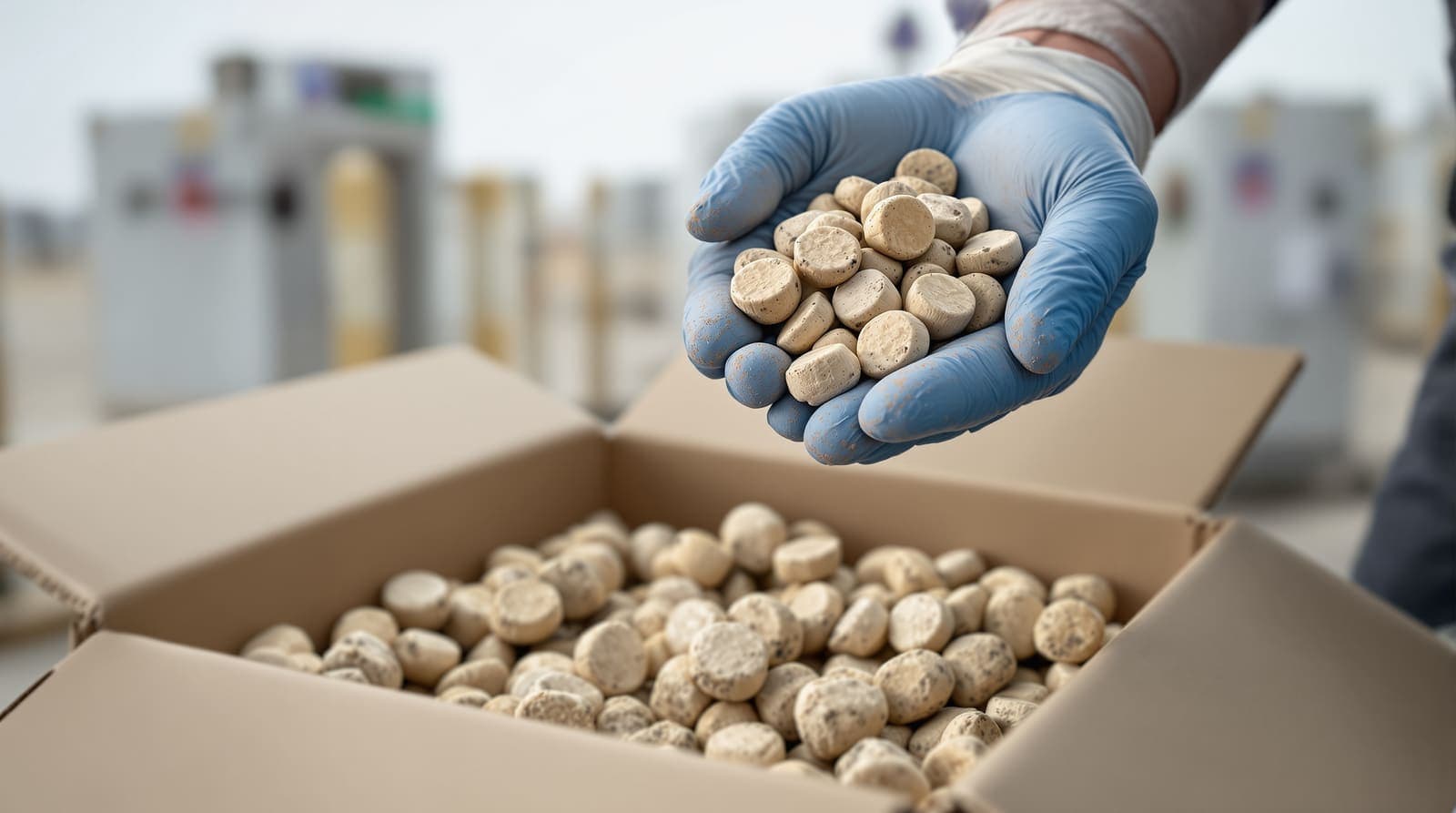
AI illustration, not a photo of the events.
Israeli authorities seized dozens of coins dating back about 2,000 years, many carrying inscriptions in ancient Hebrew, in what officials suspect was an attempt to smuggle looted antiquities into Jerusalem, the Israel Antiquities Authority announced. The coins were found during an inspection of a Palestinian vehicle at a checkpoint in northern Jerusalem on the first Friday of Ramadan, shortly before the outbreak of war with Iran, when Border Police officers and customs inspectors searching the car found a box containing the artefacts.
The driver, identified as a hospital doctor, is suspected of trying to move the coins from Judea and Samaria (the Israeli term for the West Bank) into Jerusalem. Archaeologists from the Antiquities Authority were called to examine the find, and after confirming that the coins were authentic and historically significant, inspectors from the authority’s Unit for the Prevention of Antiquities Theft detained the man for questioning.
What was in the box
Most of the coins date to the Second Temple period, the authority said. The group includes issues minted under the Hasmonean kings John Hyrcanus I and Alexander Jannaeus, and silver shekels from the Great Revolt against Roman rule roughly 2,000 years ago, dated to Years 2 and 3 of the revolt and inscribed in ancient Hebrew with the words “Shekel of Israel” and “Jerusalem the Holy”. Bronze coins from the revolt’s fourth year carry images of the Four Species used at the Jewish festival of Sukkot. The cache also held bronze coins from the Bar Kokhba Revolt, the second-century CE uprising against Rome, bearing the leader’s name, “Shimon”, and the inscription “Year Two of the Freedom of Israel”. Investigators said the thieves had found the coins using metal detectors. The seizure took place at the Hizma checkpoint between the West Bank and Jerusalem, Ynetnews reported, and the Jerusalem Post reported on 23 March 2026 that the suspect was taken to a Jerusalem police station for questioning.
Why moving old coins across that line is a crime
Israel’s antiquities regime is stricter than most visitors assume. Only artefacts that were already in circulation before the 1978 Antiquities Law may be traded; anything found afterwards is state property and must be handed to the Israel Antiquities Authority within 15 days of discovery, and using a metal detector to find and remove artefacts without a permit is prohibited, the Times of Israel explained in April 2025 in a report on a separate seizure. Trading in antiquities without a permit and moving antiquities from Judea and Samaria into Israel without authorisation are both criminal offences, the authority noted, and searching for antiquities with a metal detector without a licence is punishable by up to three years in prison.
The small unit chasing a very large market
The Antiquities Theft Prevention Unit that took over the case is a specialist body whose staff include archaeologists, former military intelligence officers and a cyber expert, and which works with Interpol and US Homeland Security on cross-border cases. It estimates that around 20,000 artefacts from Israel are traded illegally every year, and it is trying to police more than 33,000 antiquities sites, according to a profile of the unit. That mismatch is the reason checkpoint searches and market surveillance matter as much as guarding individual sites.
Israel's week in five stories, every Friday
Sourced and checked by the Israel.com newsroom, with Shabbat times. Free, one-click unsubscribe.
One list, unsubscribe in a click. See our privacy policy.
What the damage is, in the authority’s words
An Antiquities Authority assessment quoted in the announcement said some of the coins had been cleaned by unskilled hands, causing irreversible damage, while others appeared to have been dug up recently and not yet cleaned, and that the coins were probably meant for sale in Israel to people in the illegal antiquities trade or to collectors holding items of dubious provenance, with some possibly destined for auction houses abroad. Dr Amir Ganor, head of the unit, said such incidents were becoming more common and made the underlying loss plain.
Once a coin is looted and removed from its context, the ability to reconstruct the past through it is irreversibly lost.
Next story Government
Bottle thrown toward Netanyahu's convoy at Jerusalem's Mahaneh Yehuda market
Ganor called for Israel to restrict the marketing and sale of metal detectors by law. The heritage minister, Rabbi Amichai Eliyahu, said those who loot antiquities were trying to deny the historical connection to the land, and commended the Border Police officers and the unit’s inspectors. The authority said it was showing similar recovered items in a new Jerusalem exhibition about antiquities theft.
What is still unclear
The authority gave no exact count beyond “dozens” of coins, did not name the suspect and announced no charges. It did not say where the coins had been dug up, whether anyone else had been detained, or what the collection might be worth. It also said the investigation into the source and intended destination of the coins was continuing, which means the account released is a first version, not a settled one.
More on Jerusalem: Places and businesses in Jerusalem · Shabbat times in Jerusalem
Read next
All archaeology →
File photo
Government
Colombia opens its embassy in Jerusalem, the tenth in the city, says Sa'ar
Illustration
Government
Israel says British Consulate in Jerusalem has closed after 12 UK officials barred
Illustration
Government
UK consulate in East Jerusalem loses its signs as 20 British diplomats leave
File photo
In Memoriam
Netanyahu lights memorial candle in Jerusalem for October 7 victims
Sources and further reading
Every link below was opened and checked when this page was written. Official statements are marked as such: they are the subject's own account, not an independent one.
- ReportingYnetnewsynetnews.comPalestinian doctor detained after rare ancient Jewish coins seized at Jerusalem checkpoint
Location of the checkpoint and the Antiquities Authority's account of the seizure
- ReportingJerusalem Postjpost.comPalestinian doctor arrested for smuggling Second Temple-period coins
Independent account of the seizure and the coins involved
- ReportingTimes of Israeltimesofisrael.comHundreds of artifacts, some nearly 2,800 years old, seized from suspected looter
How the 1978 Antiquities Law and the metal-detector rules work
- ReferenceFriends of the Israel Antiquities Authorityfriendsofiaa.orgTheft Prevention Unit
Make-up of the unit, 33,000 antiquities sites and the scale of illegal trade
How we checked this
The seizure, the coins and the quotations are taken from the Israel Antiquities Authority announcement of 23 March 2026 as carried in the original release, and were cross-checked against Ynetnews and Jerusalem Post reports of the same case. The antiquities law and the scale of illegal trade come from Times of Israel reporting of April 2025 and a published profile of the Theft Prevention Unit.
Our sourcing and corrections policy →The week from Israel, in one email
The stories that mattered, sourced and checked by the Israel.com newsroom. Free, weekly, one-click unsubscribe.
One list, unsubscribe in a click. See our privacy policy.

Israel.com is free, and readers like you keep it that way.
The Israel.com newsroom checks every story against its sources and publishes it free. If this one helped, a contribution of any size keeps the next one free too.
One payment, nothing to sign up for. Another amount
Latest
- Soldiers killed near Hebron named and buried as army operation goes on
- Truck driver arrested after fatal crash on Route 465 near Aboud
- IDF says about 220,000 dunams of West Bank olives harvested so far
- Troops detain Palestinian suspected of planning imminent attack in Binyamin area
- Man of about 25 shot dead in Yafia, near Nazareth, during a taxi ride
- IDF says Gaza strikes killed two men who moved Iranian and Turkish money to Hamas