Saudi-led coalition says it destroyed Houthi ballistic missile production sites
The coalition fighting in Yemen says it hit Houthi sites that make missile parts, fuel and electronics, though the two accounts differ on how many sites there were.
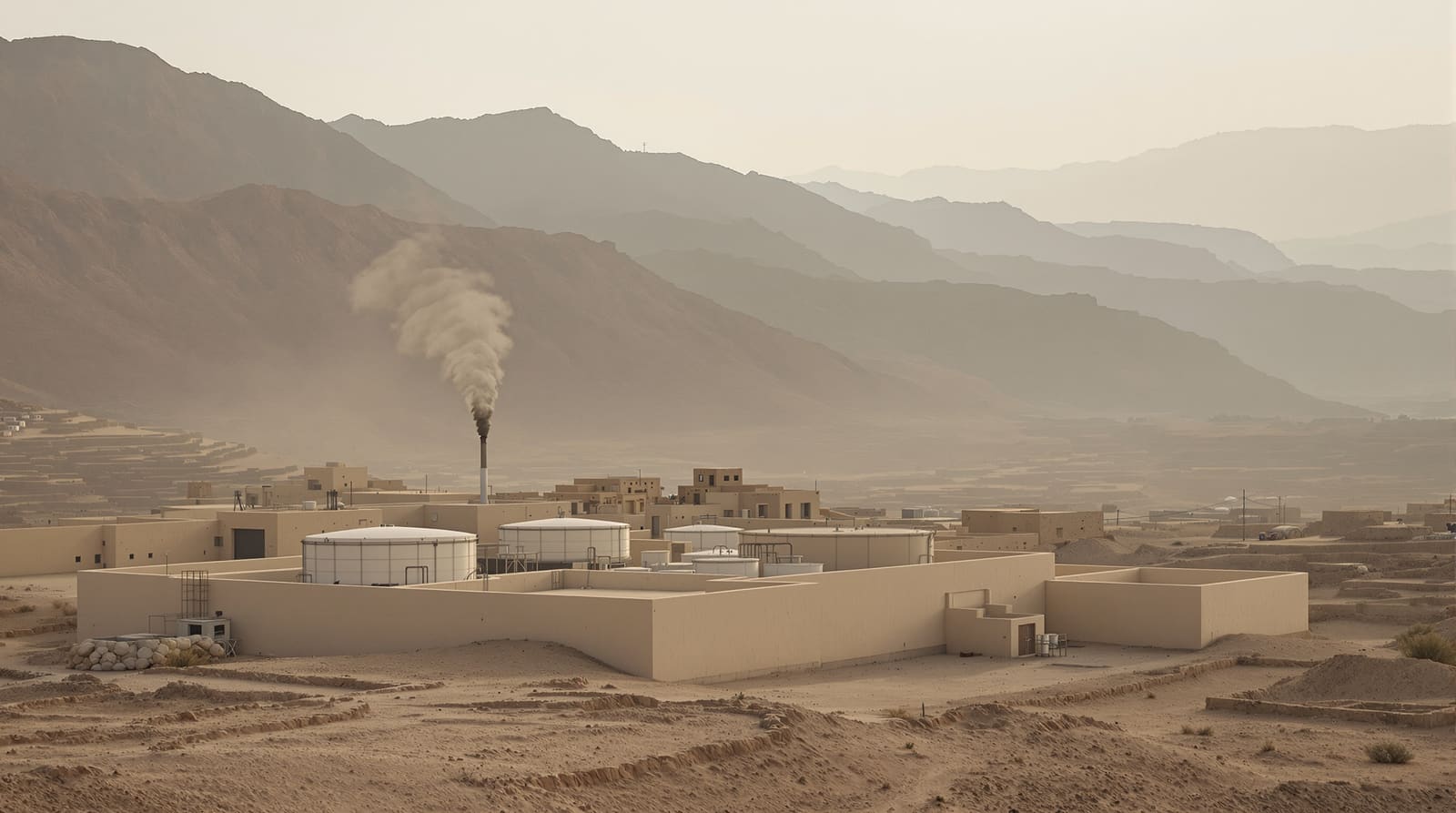
AI illustration, not a photo of the events.
The Saudi-led coalition in Yemen has announced that it destroyed Houthi facilities used to produce ballistic missiles, according to Joe Truzman of the Foundation for Defense of Democracies. In his account, the coalition said it struck three sites: one plant that manufactured and put together parts for the missiles, a chemical works making solid propellant, and a site where the weapons' electronic systems were assembled.
The Hebrew-language channel News.co.il carried the same announcement, attributing it to the Saudi military and publishing footage alongside it. Its version describes plants for making ballistic missile components, a chemical facility used to make missile fuel, and an electronics site used to assemble the missiles' electronic systems. Neither report gives a location for the targets or a time for the strikes.
On the ground

WARNING: DISTRESSING CONTENT At least 27 people were killed and 36 wounded in what the Houthi-run Saba news agency said were Saudi airstrikes on a village near Yemen's capital Sanaa reut.rs/4zyIOX1
Who the parties are
The Houthis, who call their movement Ansar Allah, are an armed group based in northern Yemen. They control a large part of the country, including the capital, Sanaa, and have fought for years against a coalition of states led by Saudi Arabia that backs Yemen's internationally recognised government. The group's opponents have long accused it of receiving weapons, components and expertise from Iran.
For Israeli readers, the Houthis are familiar for another reason. During the war in Gaza, the group fired ballistic missiles and drones toward Israel and attacked shipping in the Red Sea, and Israel carried out its own strikes in Yemen in response. Any reduction in the Houthis' ability to manufacture missiles is therefore followed closely in Israel, even when the operation is carried out by another country.
News.co.il filed the item under a heading describing a war between the Houthis and Saudi Arabia, framing the strikes as part of a direct confrontation between the two rather than as an isolated operation. The reports themselves do not describe what preceded the strikes.
Israel's week in five stories, every Friday
Sourced and checked by the Israel.com newsroom, with Shabbat times. Free, one-click unsubscribe.
One list, unsubscribe in a click. See our privacy policy.
What the targets were said to produce
The announcement, as relayed by both outlets, covers three stages of missile manufacturing. One site was described as producing and assembling the physical components of the weapons. A second, a chemical plant, was said to make propellant; Truzman specified solid rocket fuel, while News.co.il described it more generally as fuel for ballistic missiles. The third was an electronics facility said to assemble the systems that the missiles rely on.
Taken together, the description presents the operation as a strike on the production chain rather than on launchers or stockpiles. That characterisation comes from the coalition's own announcement; neither report cites independent confirmation of what the sites contained or of the damage done.
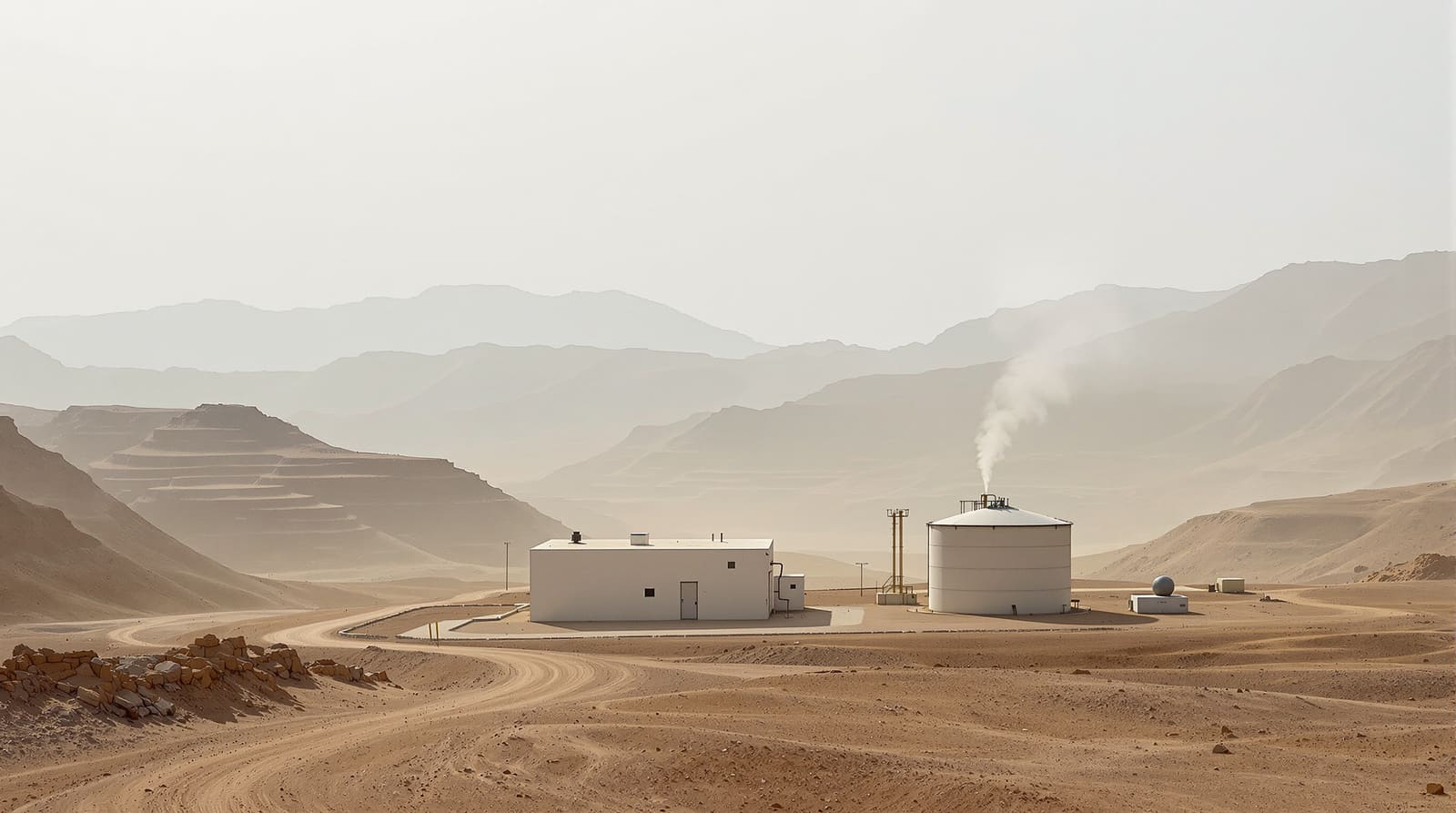
Illustration
Next story Security
Saudi-led coalition says it struck three Houthi ballistic missile sites
Where the two reports differ
The accounts do not match on two points. The first is the count. Truzman wrote that the coalition destroyed three facilities in total, listing one components factory among them. The Hebrew report says 3 plants for producing missile components were destroyed, and then lists the chemical plant and the electronics facility in addition, a wording that can be read as more than three sites. It is not clear from the material whether this reflects a difference in the original announcement or in how it was summarised.
The second is the source of the statement. Truzman attributes it to the Saudi-led coalition in Yemen, while News.co.il attributes it to the Saudi army. The coalition is led by Saudi Arabia and its statements are often reported as Saudi military announcements, but the two reports name the speaker differently.
About the sources
The Foundation for Defense of Democracies is a Washington-based research institute focused on national security, and Joe Truzman is an analyst there who tracks armed groups in the Middle East. His report was a post on X. News.co.il is a Hebrew-language news service that publishes on Telegram. Both relayed the coalition's statement rather than reporting from the scene.
What the reports do not say
Neither report says where in Yemen the sites were, when they were hit, or whether anyone was killed or injured. No Houthi response has been reported, and nothing in the material independently confirms the coalition's description of the targets or settles how many facilities were struck.
Read next
All security →
Illustration
Security
Houthi ballistic missile fired at Riyadh prompts brief Saudi air threat alert
Illustration
Security
Saudi Arabia says it intercepted a Houthi ballistic missile aimed at its east

Illustration
Security
Syria sends military advisers to train Saudi forces amid Houthi attacks

File photo
Security
Saudi defense minister says he discussed Houthi attacks in call with Hegseth
Sources and further reading
Every link below was opened and checked when this page was written. Official statements are marked as such: they are the subject's own account, not an independent one.
- Reportingnewssilt.meNews.co.il
- Reportingfddx.comJoe Truzman, FDD
How we checked this
The announcement was carried by two organisations, News.co.il and FDD analyst Joe Truzman, both relaying a statement from the Saudi side. The description of the targets and the damage rests on that statement alone and has not been independently verified.
Our sourcing and corrections policy →The week from Israel, in one email
The stories that mattered, sourced and checked by the Israel.com newsroom. Free, weekly, one-click unsubscribe.
One list, unsubscribe in a click. See our privacy policy.
Latest

Illustration
Illustration
Illustration

Illustration

Illustration

File photo