Saudi-led coalition tells civilians to leave Sanaa oil site before strike
The coalition fighting Yemen's Houthis named the Al-Sabaha Central Station in Sanaa as a target, following Saudi threats over attacks on its airports and energy sites.
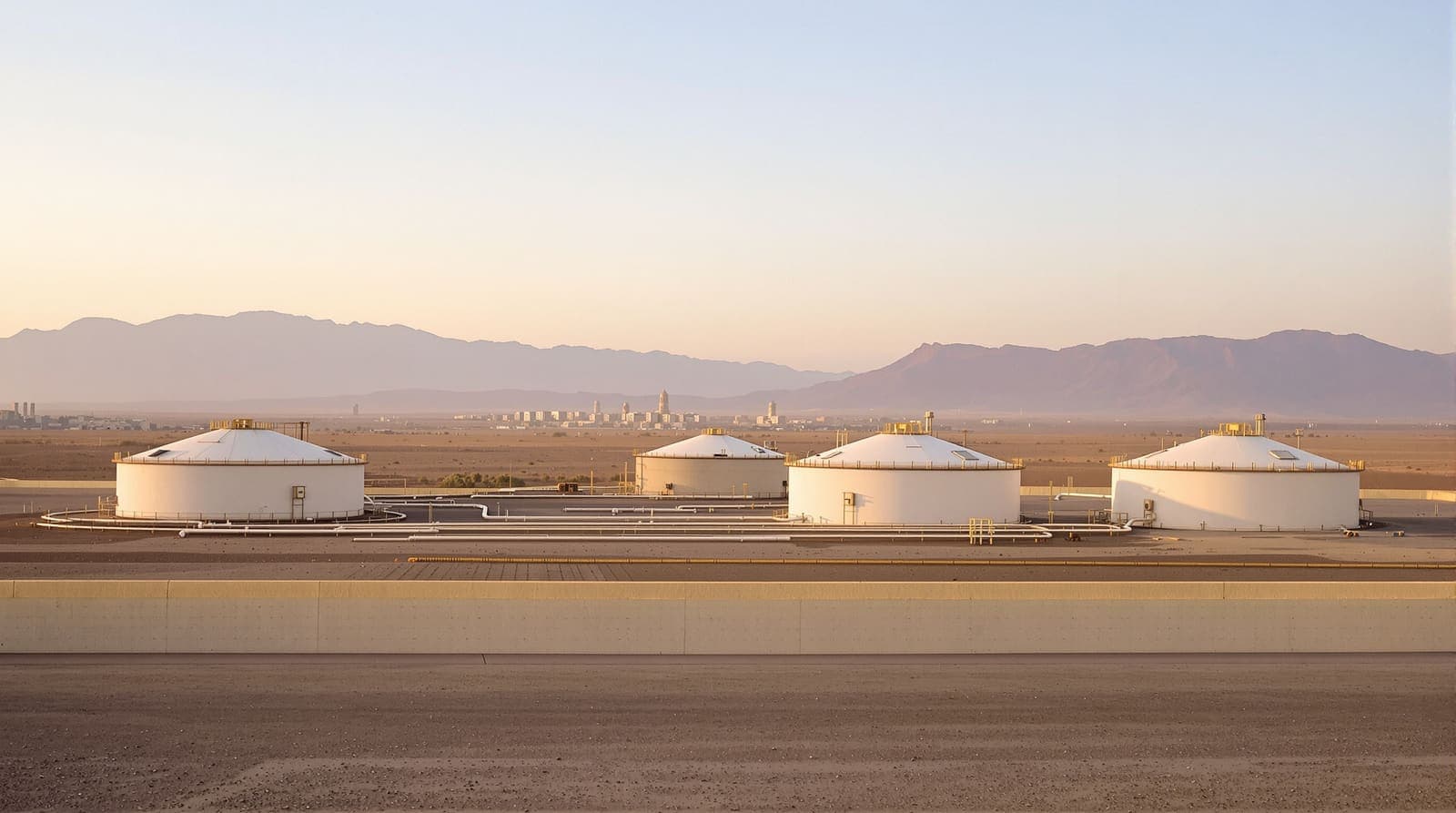
AI illustration, not a photo of the events.
The Saudi-led military coalition fighting the Houthi movement in Yemen has told civilians to clear out of a fuel facility in Sanaa, the Yemeni capital, ahead of a planned military operation there. The Times of Israel reported that the order covers a site belonging to the Yemeni Oil Company at the Al-Sabaha Central Station, in a city the Houthis control.
The notice was issued in Arabic in the name of the coalition's Joint Forces Command. Joe Truzman of the Foundation for Defense of Democracies (FDD) posted the Arabic text, which asks civilians to evacuate the company's site at the station "for their safety" and refers to an explanatory map of the location. In an English version he posted shortly afterwards, the facility is named as the Yemen Petroleum Company site.
On the ground

BREAKING: Turki Al-Maliki, the spokesperson for the Saudi-led coalition, says a warning will soon be issued for civilians to evacuate a site in Yemen’s Houthi-held capital Sanaa in order to carry out a "special operation" in the area. 🔴 LIVE updates: aje.news/5rpaff
Video from Al Jazeera English. Tap to play. Nothing from it is shown until you do.
Who is involved
The Houthis are a Yemeni armed movement that holds Sanaa and other parts of the country. A coalition led by Saudi Arabia has been fighting them. The Times of Israel describes Sanaa as the rebel-held capital, meaning the target sits inside territory the coalition does not control.
The Yemen Petroleum Company, also rendered in the reports as the Yemeni Oil Company, is the body whose facilities are named in the order. Al-Sabaha, transliterated in some reports as A-Sabaha, is the name of the station where the site is located.
Why now
According to The Times of Israel, the order came after Saudi Arabia's energy minister pledged that Houthi strikes against the kingdom's airports and energy installations would draw a "serious" reply. The same liveblog carried related items: the Houthis warning of a "tough response" should Saudi forces strike Sanaa, and Turkish President Recep Tayyip Erdogan telling Saudi Crown Prince Mohammed bin Salman that Turkey would stand with Saudi Arabia amid the Houthi attacks.
Taken together, the reports describe an escalation in which the Houthis have hit targets inside Saudi Arabia and Riyadh is now signalling a strike on economic infrastructure in the Houthi capital.
The Israeli comparison
Israeli outlets quickly framed the move in terms familiar to their own readers. The Hebrew-language Telegram channel Abu Ali Express wrote that the Saudis were doing an "Avichay Adraee" to the Houthis. Adraee is the Israel Defense Forces (IDF) spokesperson for Arabic-language media, whose public evacuation warnings to residents of areas in Gaza and Lebanon, often with maps, have become a recognisable feature of Israeli military operations. The channel said the Saudis were demanding that the oil company facilities at the station be vacated.
Truzman, a senior research analyst at FDD, a Washington-based think tank, drew a similar parallel. Commenting on the order, he wrote that the coalition now only needed to drop leaflets and phone civilians in the area before attacking, a reference to methods the IDF has used to warn people before strikes. That remark is his own commentary and not part of the coalition's statement.
How the reports differ
The sources agree that an evacuation order was issued for an oil company facility at a station in Sanaa, but they describe the site in slightly different ways. The Israeli broadcaster N12, citing its reporter Sapir Lipkin, called it a refining station belonging to an oil company and attributed the warning to the Saudi army. The coalition's own wording, as posted by Truzman, refers to a company site and a central station, without mentioning refining, and names the Joint Forces Command of the coalition rather than the Saudi army alone. Abu Ali Express referred more generally to the oil company's facilities at the station.
The Times of Israel's headline initially indicated the coalition would issue the order shortly; its text reports the order as issued. The remaining reports treat the warning as already published.
What the reports do not say
None of the reports states whether a strike on the site has taken place. They do not say when any operation would begin, how long civilians were given to leave, or how many people live or work near the station. The map referred to in the order is not described in detail, so the size of the area to be evacuated is unclear.
The reports also do not identify which specific Houthi strikes on Saudi airports and energy sites prompted the energy minister's warning, or whether any damage or casualties resulted from them. There is no response from the Yemen Petroleum Company or from Houthi officials to the specific order in the material, beyond the general warning of a "tough response" carried by The Times of Israel. Whether the station is used for refining, storage or distribution is not settled by the sources.
Sources and further reading
Every link below was opened and checked when this page was written. Official statements are marked as such: they are the subject's own account, not an independent one.
- Reportingtoitimesofisrael.comThe Times of Israel
- Reportingabualiexpresst.meAbu Ali Express
- Reportingabualiexpresst.meAbu Ali Express
- Reportingkeshett.meN12
- Reportingfddx.comJoe Truzman, FDD
- Reportingfddx.comJoe Truzman, FDD
How we checked this
The evacuation order was reported by The Times of Israel, N12, Abu Ali Express and FDD analyst Joe Truzman, who posted the coalition's Arabic text and an English version. The description of the site as a refinery comes from N12 alone, and no report confirms that a strike has occurred.
Our sourcing and corrections policy →The week from Israel, in one email
The stories that mattered, sourced and checked by the Israel.com newsroom. Free, weekly, one-click unsubscribe.
One list, unsubscribe in a click. See our privacy policy.
More in Security
All security →
Latest
- 9 toddlers taken to Hadassah after allergic reactions at Betar Illit daycare
- Man aged about 20 shot dead in Umm al-Fahm, a second man lightly hurt
- Justice Department confirms search of Ilhan Omar's home; Trump denies role
- Ethiopian Airlines flight turned back from Israel over Indonesian crew member
- Mandelblit's second day on stand: defence accuses prosecutors of misleading him
- Netanyahu aide Urich asked ChatGPT how to improve Qatar's image, Channel 12 says