Iran says Araghchi met Witkoff and set Hormuz conditions in New York
Axios reported Arab intermediaries had been working to arrange a high-level meeting in New York, as accounts still differ on whether the contact was direct.
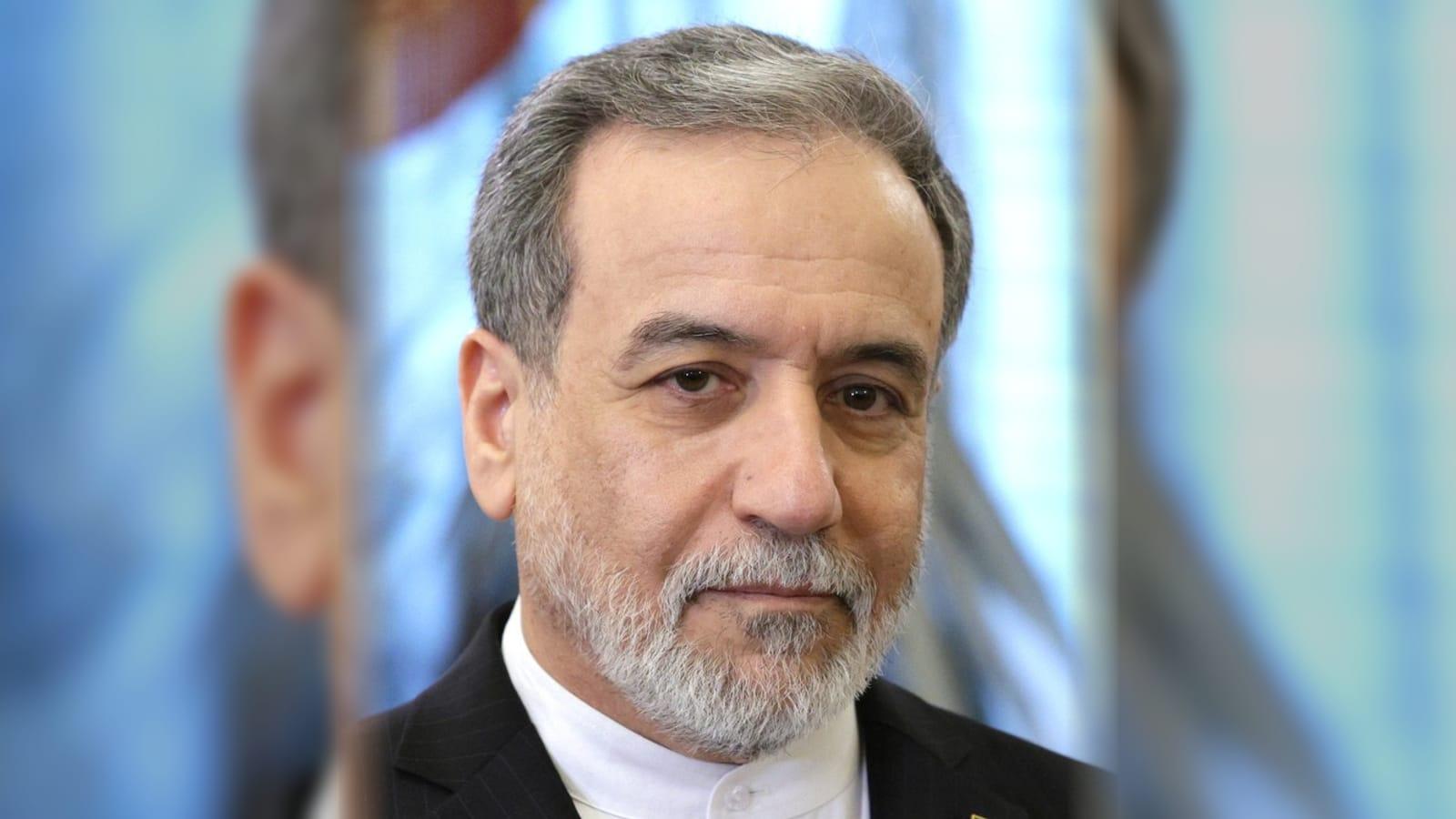
Abbas Araghchi. File photo by kremlin.ru, CC BY 4.0, via Wikimedia Commons.
2 updates since publication
- Axios reported Arab states were working to arrange the high-level UN meeting; ToI details who sat at Trump's regional roundtable.
- Iranian state TV names Foreign Minister Araghchi as attending and says Tehran set conditions for reopening the Strait of Hormuz.
This story was added to as it developed. Earlier text is kept below the updates rather than rewritten, so what this page said at each point is still on it.
Update, 23 September, 02:08 Israel time
More detail has emerged on the diplomacy around the New York contact. Barak Ravid of Axios reported, ahead of Trump's disclosure, that several Arab states acting as intermediaries between Washington and Tehran had been in touch with both sides about setting up a high-level meeting on the sidelines of the General Assembly, citing a regional figure involved in the contacts. That account is broader than the Ynet report naming Qatar and Pakistan as mediators, and does not identify which countries were involved.
The Times of Israel, reporting from the roundtable where Trump spoke of momentum toward an Iran deal, said the session brought together senior representatives of Middle Eastern countries well beyond the Gulf Cooperation Council, with the White House billing it as a GCC meeting while officials from Jordan, Egypt, Turkey, Iraq, Lebanon and Syria also took part. The outlet noted that Israel and Iran were among the few states in the region with no representation at the table. It described Trump's opening comments to reporters as largely a restatement of his standard remarks.
What the sources posted

On the ground

Jared Kushner and Steve Witkoff were part of the US team that met the Iranian delegation at the UN General Assembly, US President Donald Trump has confirmed. 🔴 LIVE updates: aje.news/r3kxwe
The composition of that gathering does not by itself settle the open question in the reporting, which is whether the earlier contact was direct or ran through intermediaries.
Update, 23 September, 01:08 Israel time
Iranian state media has identified the Iranian side of the meeting and given a very different account of why it happened. News.co.il, citing Iranian state television, reported that Foreign Minister Abbas Araghchi met Steve Witkoff on the sidelines of the General Assembly at the American envoy's request, and that Tehran agreed in order to pass on its conditions for reopening the Strait of Hormuz.
Abu Ali Express, translating the Iranian broadcaster, listed those conditions as the immediate lifting of the naval blockade, the immediate release of all frozen Iranian assets, and an end to the fighting on all fronts of what Tehran calls the resistance, adding that Iran's positions were spelled out firmly to the American side.
Israel's week in five stories, every Friday
Sourced and checked by the Israel.com newsroom, with Shabbat times. Free, one-click unsubscribe.
One list, unsubscribe in a click. See our privacy policy.
Ynet reported that Qatar and Pakistan mediated the encounter, which would reconcile Trump's later description of talks with mediators acting for Iran with reports of a meeting involving Iranian officials themselves. Ynet's fuller account said Araghchi sat with Witkoff and Kushner, that Tehran's post-meeting statement made no mention of the nuclear file, and that Trump renewed threats against Iranian nuclear facilities when he met Arab leaders later in the day.
Israel Hayom reported that the administration had said earlier the same day that no such meeting was planned. The Jerusalem Post also framed the session as a meeting with mediators, while reporting Iran's Hormuz demands. The accounts still differ on whether the contact was direct or indirect.
The story as first reported
US President Donald Trump said that two of his envoys, Steve Witkoff and Jared Kushner, met members of an Iranian delegation for three hours in New York, on the sidelines of the annual gathering of world leaders at the United Nations General Assembly. Speaking to reporters during a meeting with Ukrainian President Volodymyr Zelensky, Trump said of the talks: "It went very well," and added that a further meeting had been arranged for the "very near future."
The disclosure was unplanned, coming in remarks to journalists rather than in a formal announcement. Ynet reported that Trump revealed the encounter unexpectedly at the General Assembly, saying the session had lasted three hours and that the next round would also involve representatives of American allies in the Gulf. Trump was quoted by Ynet as saying that relations with Iran were developing.
Who the two envoys are
Steve Witkoff is a US special envoy who has handled a series of sensitive files for the Trump administration, and Jared Kushner is the president's son-in-law, who served as a senior White House adviser during Trump's first term. Neither is a career diplomat from the State Department, and their involvement signals that the contact is being run out of the president's own circle rather than through the standard diplomatic bureaucracy.
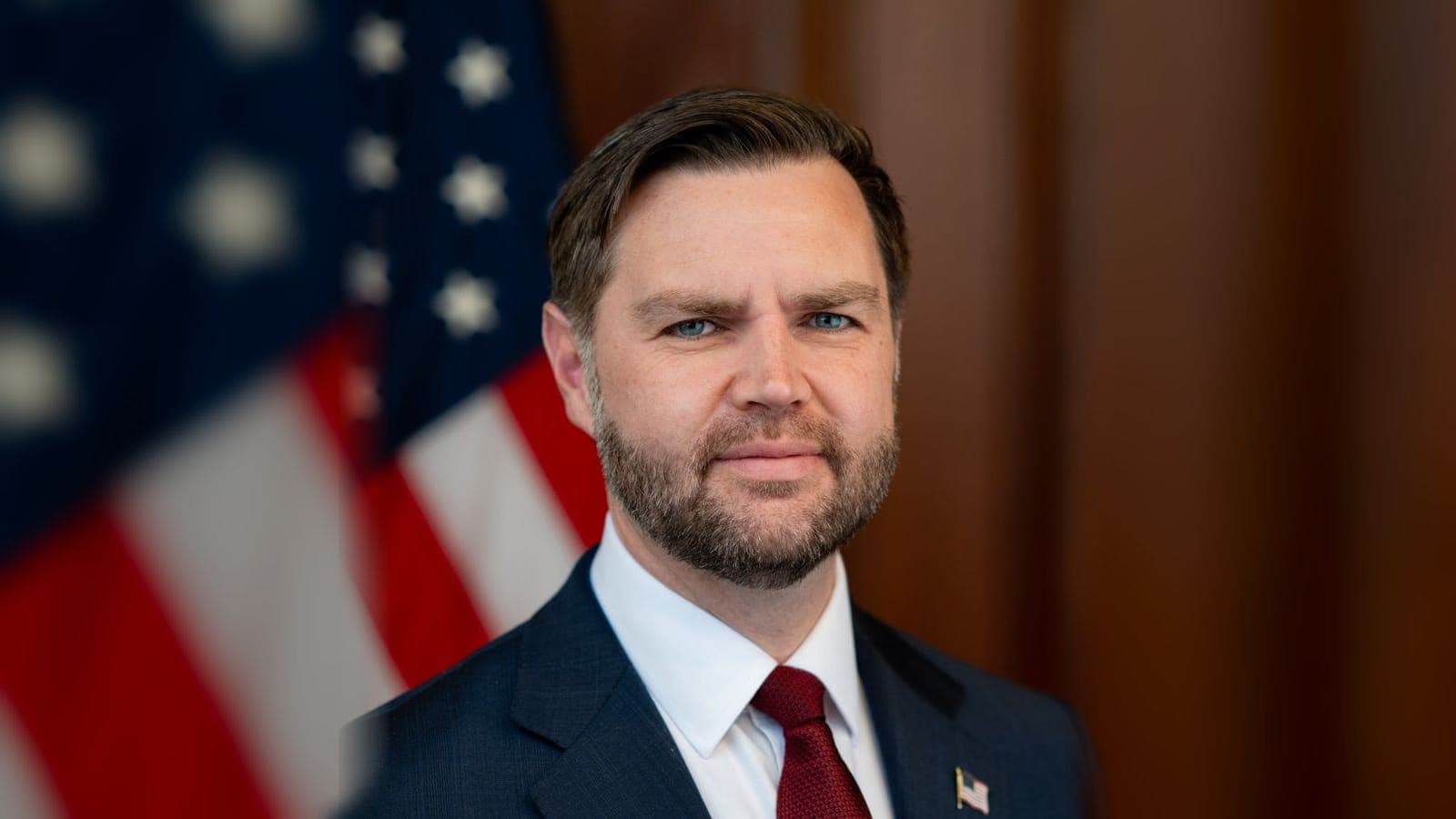
File photo
Next story Government
Araghchi calls Vance letter a positive step, says Iran sent delegation to Qatar
Asked by reporters how he felt about the meeting, Witkoff at first declined to answer before saying, "I feel very good right now." Asked how he expected to feel the following day, he replied that he thought he would feel very good, according to The Times of Israel's live coverage of the day's events at the UN.
What Trump said about Iran's choices
Trump framed Iran's position in stark terms. The Times of Israel reported him saying he could not imagine why the Iranians would not want to reach a deal, and describing the alternatives as "potential greatness, or obliteration." The outlet characterised the remark as a thinly veiled threat directed at the Islamic Republic.
The Hebrew-language channel Abu Ali Express, which monitors and translates Arabic and Iranian media, reported Trump's comments in similar terms, saying the conversation had ended about an hour before he spoke and that Iran faced two options: destruction, or a future of prosperity.
Later in the day, speaking at a meeting with representatives of Middle Eastern states, Trump returned to the subject in calmer language. The Israeli broadcaster N12 quoted him as saying that Steve and Jared had held a very productive meeting with mediators on Iran's behalf, and that there was significant momentum toward an agreement. News.co.il carried the same remarks, quoting Trump as saying "we'll see what happens" as a result, and that the sense of momentum was what he was hearing from everybody.
A point of difference in the accounts
The reports do not describe the Iranian side in identical language. The Times of Israel and Ynet refer to a meeting with an Iranian delegation, while the later quotes carried by N12 and News.co.il have Trump describing the meeting as being with mediators acting on Iran's behalf. That distinction matters, because it is the difference between direct talks with Iranian officials and indirect contact through intermediaries. The material available does not settle which it was, and none of the reports names any Iranian participant.
Why UN week produces meetings like this
The General Assembly's high-level week brings heads of state, foreign ministers and their delegations to the UN headquarters in New York at the same time each year. That concentration makes it one of the few settings where officials from countries without formal diplomatic relations can meet without either side having to travel to the other's capital or host the other publicly. The United States and Iran have not maintained diplomatic relations for decades, and contacts between them have typically run through third parties or through channels of this kind.
What the reports do not say
None of the accounts identifies the Iranian officials or mediators involved, or says where in New York the meeting took place. None gives the substance of the discussion, the subject matter under negotiation, or what would be in any agreement. There is no date, time or location for the follow-up meeting beyond Trump's phrase about the very near future, and no confirmation of which Gulf states he had in mind when he said allies from the region would be included. There is also no Iranian statement in the material: everything reported here comes from Trump and from Witkoff's brief comments to reporters, with no independent account from the other side of the table.
Read next
All security →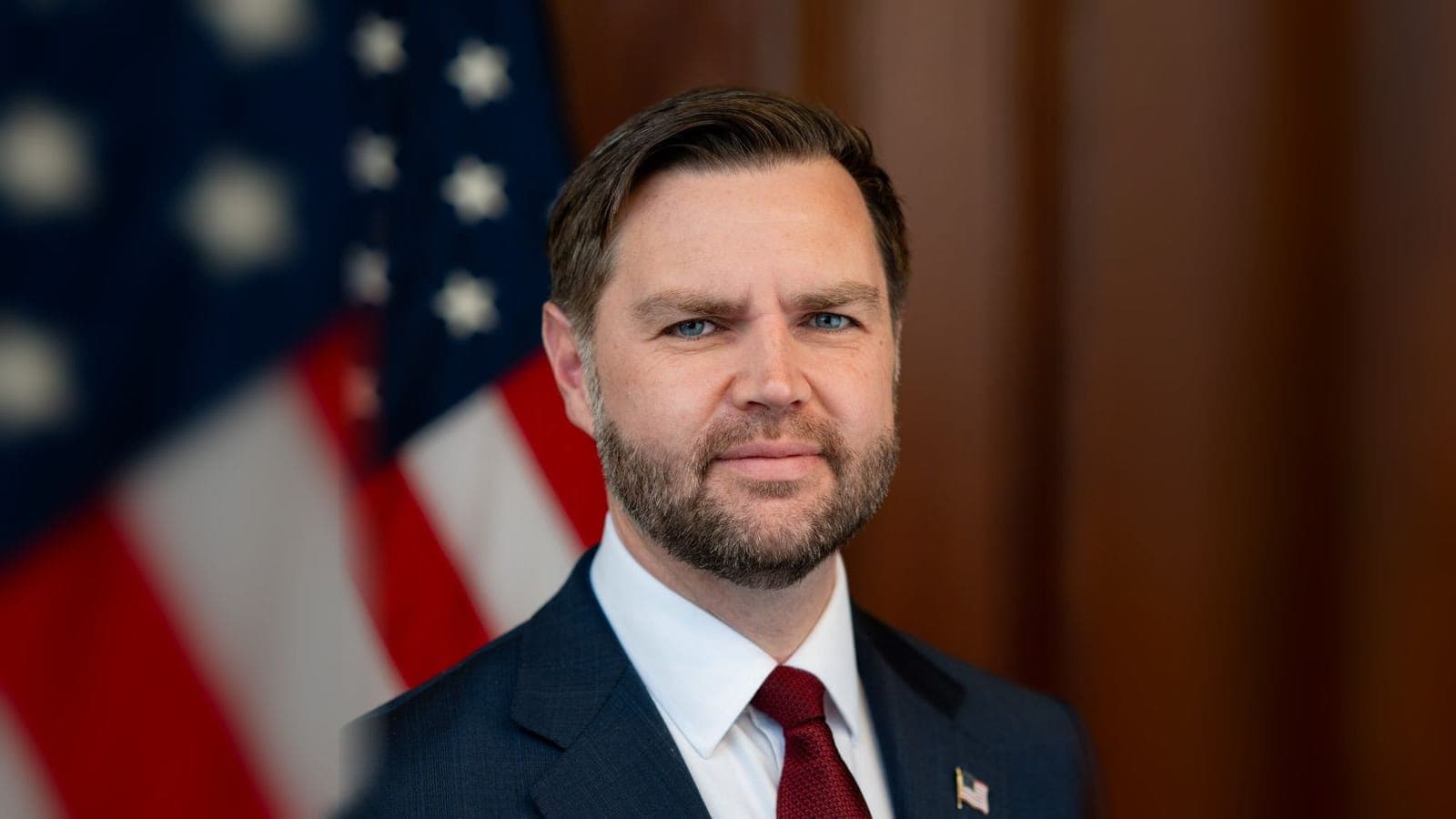
File photo
Government
Iran's Rezaei ties Hormuz and nuclear talks to US accepting Iran's conditions
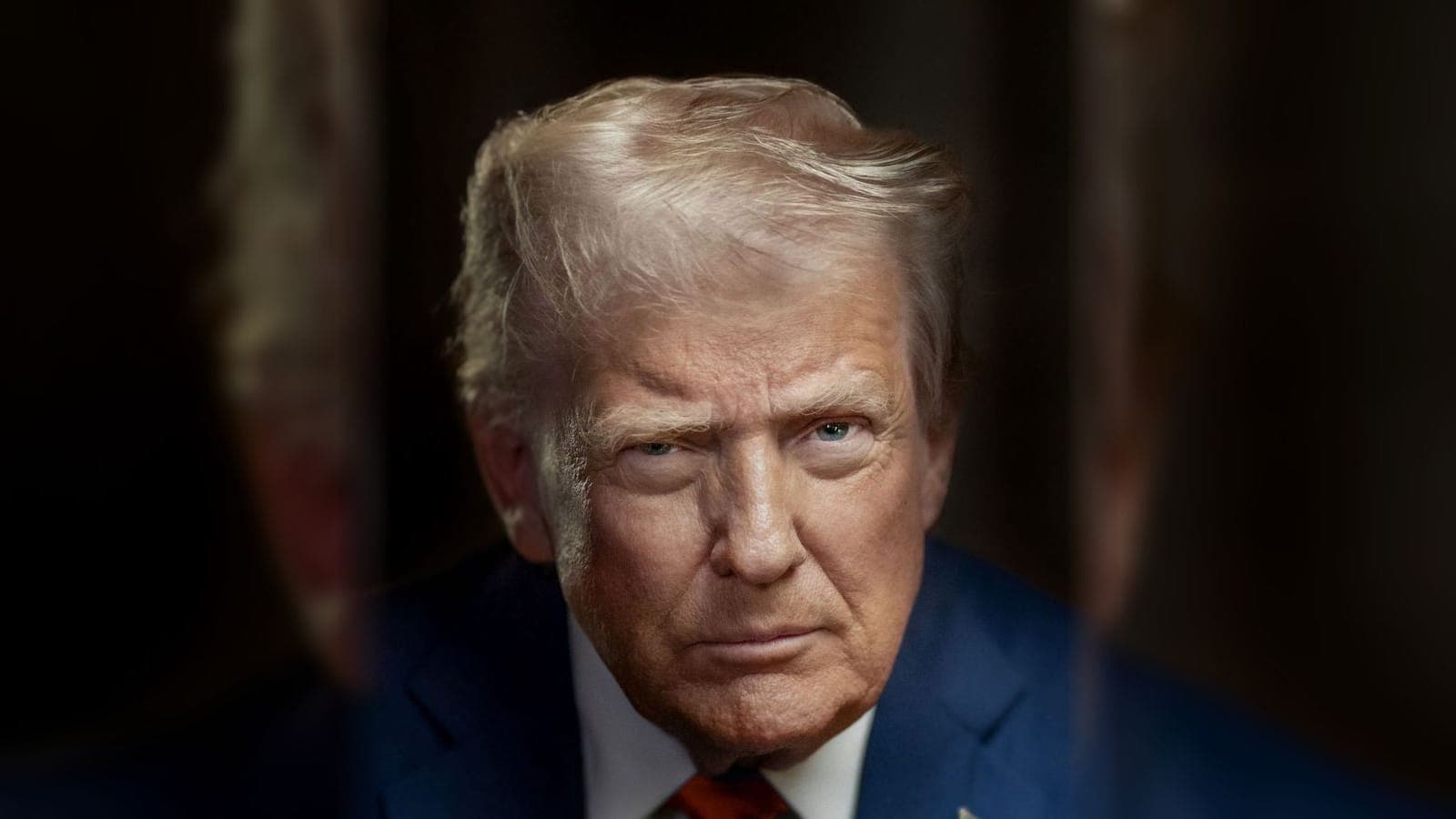
File photo
Security
Tanker hit near Hormuz as Trump says Iran wants to talk and the US has time
File photo
Security
Tanker hit near Hormuz as Trump says Iran 'wants to talk' and US has time
File photo
Security
Macron blames Iran war and Hormuz blockade for France's purchasing-power unrest
Sources and further reading
Every link below was opened and checked when this page was written. Official statements are marked as such: they are the subject's own account, not an independent one.
- Reportingyediothynet.co.ilYnet
- Reportingtoitimesofisrael.comThe Times of Israel
- Reportingabualiexpresst.meAbu Ali Express
- Reportingnewssilt.meNews.co.il
- Reportingkeshett.meN12
- Reportingaxiosx.comBarak Ravid, Axios
- Reportingyediotht.meYnet alerts
- Reportingjpostjpost.comThe Jerusalem Post
- Reportingisraelhayomisraelhayom.comIsrael Hayom
- Reportingabualiexpresst.meAbu Ali Express
- Reportingnewssilt.meNews.co.il
- Reportingyediothynet.co.ilYnet
- Reportingtoitimesofisrael.comThe Times of Israel
- Reportingaxiosx.comBarak Ravid, Axios
How we checked this
Trump's own account of the meeting and Witkoff's brief comments are on the record; the Iranian version, the mediator claims and the Axios account of Arab states arranging the encounter each rest on a single outlet or an unnamed regional figure, and the reports still disagree on whether the contact was direct or indirect.
Our sourcing and corrections policy →The week from Israel, in one email
The stories that mattered, sourced and checked by the Israel.com newsroom. Free, weekly, one-click unsubscribe.
One list, unsubscribe in a click. See our privacy policy.
Latest
File photo

File photo
Illustration
File photo
File photo
Illustration