
Singer-songwriter
Lea ShabatSongs, albums, age and where shows are announced
Israeli singer, songwriter and composer, known for Tamid Yechaku Lach and for songs she wrote or composed for others, such as Biglal HaRuach and HaShir SheYavi Lecha Ahava.
Israel.com does not list Lea Shabat's shows yet. New dates are announced first on the official pages below.
These are Lea Shabat's official accounts, with the latest from each
Posts, videos and songs straight from Lea Shabat's own pages, as they publish them.
Lea Shabat started as Matti Caspi's backing singer and went on to write hits for herself and for others
Lea Shabat was born in 1957 and grew up in Yehud. She began as a backing singer on a 1987 album by Matti Caspi and on his tour, and in April 1989 released her first single, Lo Zocheret Eize Horef, which she wrote and composed and Arkadi Duchin produced. Its success brought her a recording contract with NMC, and late that year Biglal HaRuach, which she composed for Shlomi Shabat to words by Micha Shitrit, became a big hit, later recorded by many other singers.
Most of the songs on her debut album, Hom She'ata Mechapes (1990), are her own, and Tzel HaLev Takin (1997), which she wrote, composed and arranged in full, brought Tamid Yechaku Lach and Hatichat Shamayim. Between her albums she wrote or composed songs for others: HaShir SheYavi Lecha Ahava for Gali Atari, Al Telech Achshav for Rita, and the title song and Ata Holech Lishon Mukdam on Nurit Galron's Lehitraot Matok.
Her later albums include Hamaniyot Mul HaShemesh (2002), whose title song was also the theme of the film Pgisha Iveret, and Ligdol Letzidech (2015), sung half in Hebrew and half in Ladino. In 2019 she set out on a tour marking 30 years of writing, and in November 2025 she received the ACUM Ehud Manor prize for lifetime achievement. A concert at Heichal HaTarbut in Tel Aviv on 17 February 2026 was set to mark 40 years of her career.
Born
24 July 1957; grew up in Yehud Hebrew Wikipedia
First single
Lo Zocheret Eize Horef (1989), produced by Arkadi Duchin Hebrew Wikipedia
Albums
From Hom She'ata Mechapes (1990) to Ligdol Letzidech (2015) Hebrew Wikipedia
Wrote or composed for
Shlomi Shabat, Gali Atari, Rita, Nurit Galron and Chava Alberstein, among others Hebrew Wikipedia
Award
ACUM Ehud Manor prize for lifetime achievement, 2025 Hebrew Wikipedia

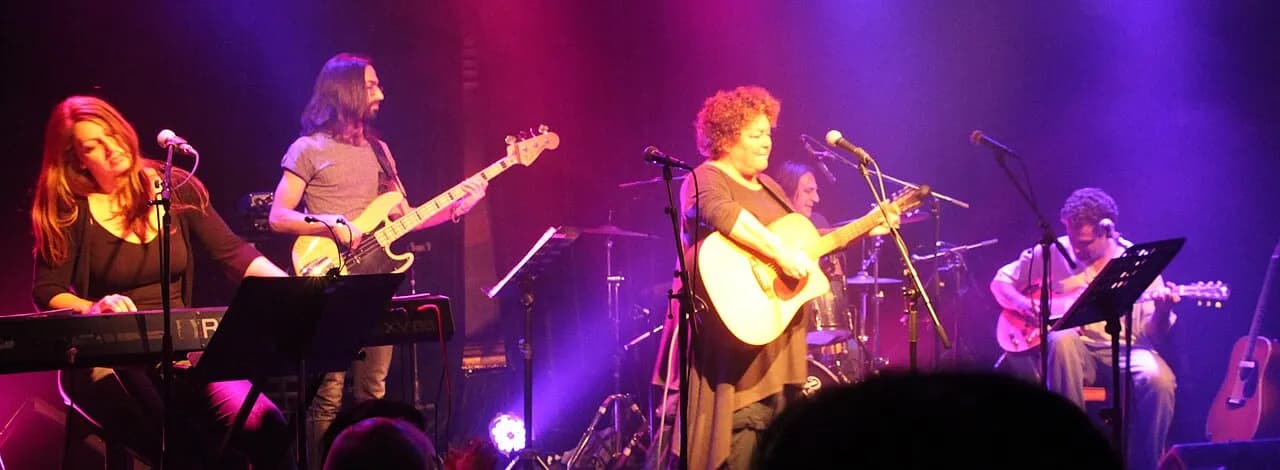
Her path runs from her first single in 1989 to a lifetime achievement prize in 2025
1987
Sang backing vocals on an album by Matti Caspi and joined his tour. Hebrew Wikipedia
1989
Released her first single, Lo Zocheret Eize Horef; late that year Biglal HaRuach, which she composed for Shlomi Shabat, became a big hit. Hebrew Wikipedia
1990
Released her first album, Hom She'ata Mechapes, produced by Arkadi Duchin. Hebrew Wikipedia
1994
Wrote and composed HaShir SheYavi Lecha Ahava, one of the biggest hits on Gali Atari's album Simanim. Hebrew Wikipedia
1997
Released Tzel HaLev Takin, which she wrote, composed and arranged in full, with Tamid Yechaku Lach and Hatichat Shamayim. Hebrew Wikipedia
2000
Wrote or composed several songs on Nurit Galron's album Lehitraot Matok, including its title song, and sang a duet with her on it. Hebrew Wikipedia
2002
Released Hamaniyot Mul HaShemesh; its title song became the theme of the 2003 film Pgisha Iveret. Hebrew Wikipedia
2015
Released Ligdol Letzidech, sung half in Hebrew and half in Ladino. Hebrew Wikipedia
2025
Received the ACUM Ehud Manor prize for lifetime achievement on 17 November. Hebrew Wikipedia
2026
A concert at Heichal HaTarbut in Tel Aviv on 17 February was set to mark 40 years of her career, with Assaf Amdursky, David D'Or and Shlomi Shabat as guests. Walla, 1 February 2026
These are Lea Shabat's best-known albums and songs
Ligdol Letzidech
Album · 2015 · Hebrew Wikipedia
Panai
Album · 2008 · Hebrew Wikipedia
Achshav Beyachad
Album · 2004 · Hebrew Wikipedia
Hamaniyot Mul HaShemesh
Album · 2002 · Hebrew Wikipedia
Tzel HaLev Takin
Album · 1997 · Hebrew Wikipedia
Tamid Yechaku Lach
Song · 1997 · Hebrew Wikipedia
HaShir SheYavi Lecha Ahava (sung by Gali Atari)
Song · 1994 · Hebrew Wikipedia
Hom She'ata Mechapes
Album · 1990 · Hebrew Wikipedia
Biglal HaRuach (sung by Shlomi Shabat)
Song · 1989 · Hebrew Wikipedia
Lo Zocheret Eize Horef
Song · 1989 · Hebrew Wikipedia
These are the questions people ask about Lea Shabat
Where does Lea Shabat announce new shows?
New dates are announced first on Lea Shabat's official pages: Facebook. Israel.com does not list these shows yet.
How old is Lea Shabat?
Lea Shabat was born on 24 July 1957 and is 69 years old.
Which songs did Lea Shabat write for other singers?
Among them Biglal HaRuach, which she composed for Shlomi Shabat, HaShir SheYavi Lecha Ahava for Gali Atari, Al Telech Achshav for Rita and Ata Holech Lishon Mukdam for Nurit Galron.
What are Lea Shabat's best-known songs as a singer?
Tamid Yechaku Lach and Hatichat Shamayim from Tzel HaLev Takin (1997), and her early hits Lo Zocheret Eize Horef and Hom She'ata Mechapes.
How did Lea Shabat start out?
As a backing singer on a 1987 album by Matti Caspi and on his tour. Arkadi Duchin then persuaded her to perform and record her own songs, and produced her first single in 1989.
What prize did Lea Shabat receive for her songs?
On 17 November 2025 she received the ACUM Ehud Manor prize for lifetime achievement.
More performers you can follow on Israel.com

Singer-songwriter and pianist
Tamir Grinberg

Ethio-jazz and soul singer
Ester Rada

Singer
Omer Adam
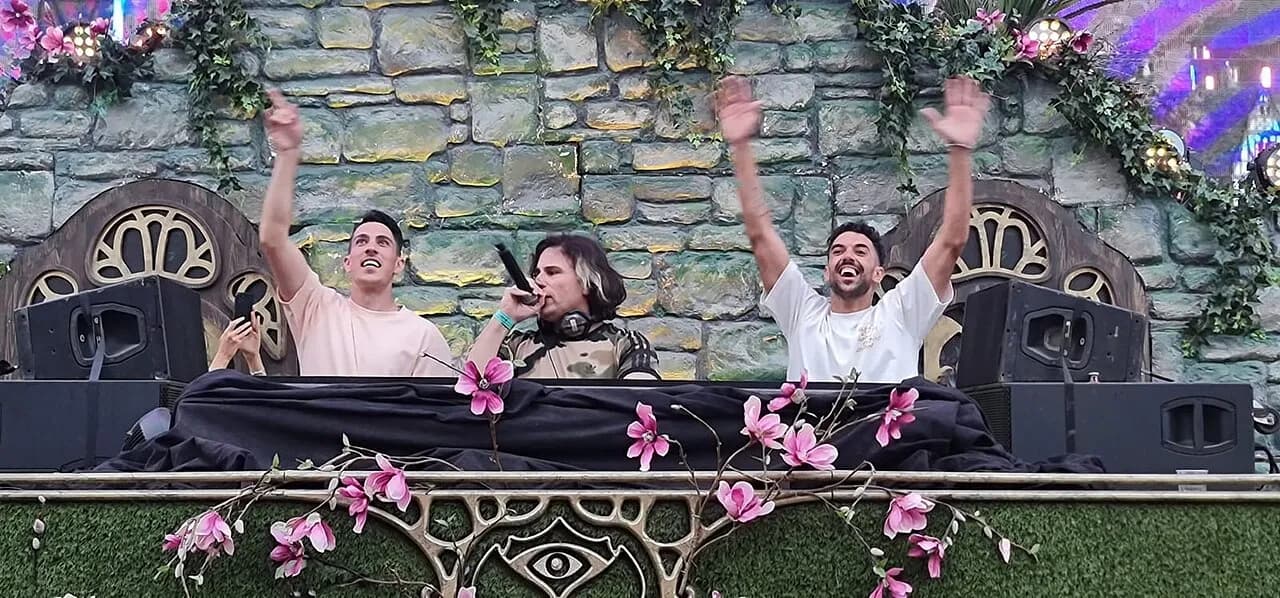
Psytrance DJ and producer
Skazi


Singer
Avi Aburomi
Where these facts come from
- Hebrew Wikipedia · read 17 October 2026
- Walla, 1 February 2026 · read 17 October 2026