Israel and DR Congo signal embassy moves to Jerusalem and Kinshasa
A joint declaration published by the Israeli government says the two countries will keep consulting on opening an Israeli embassy in Kinshasa and moving Congo's mission from Tel Aviv to Jerusalem.
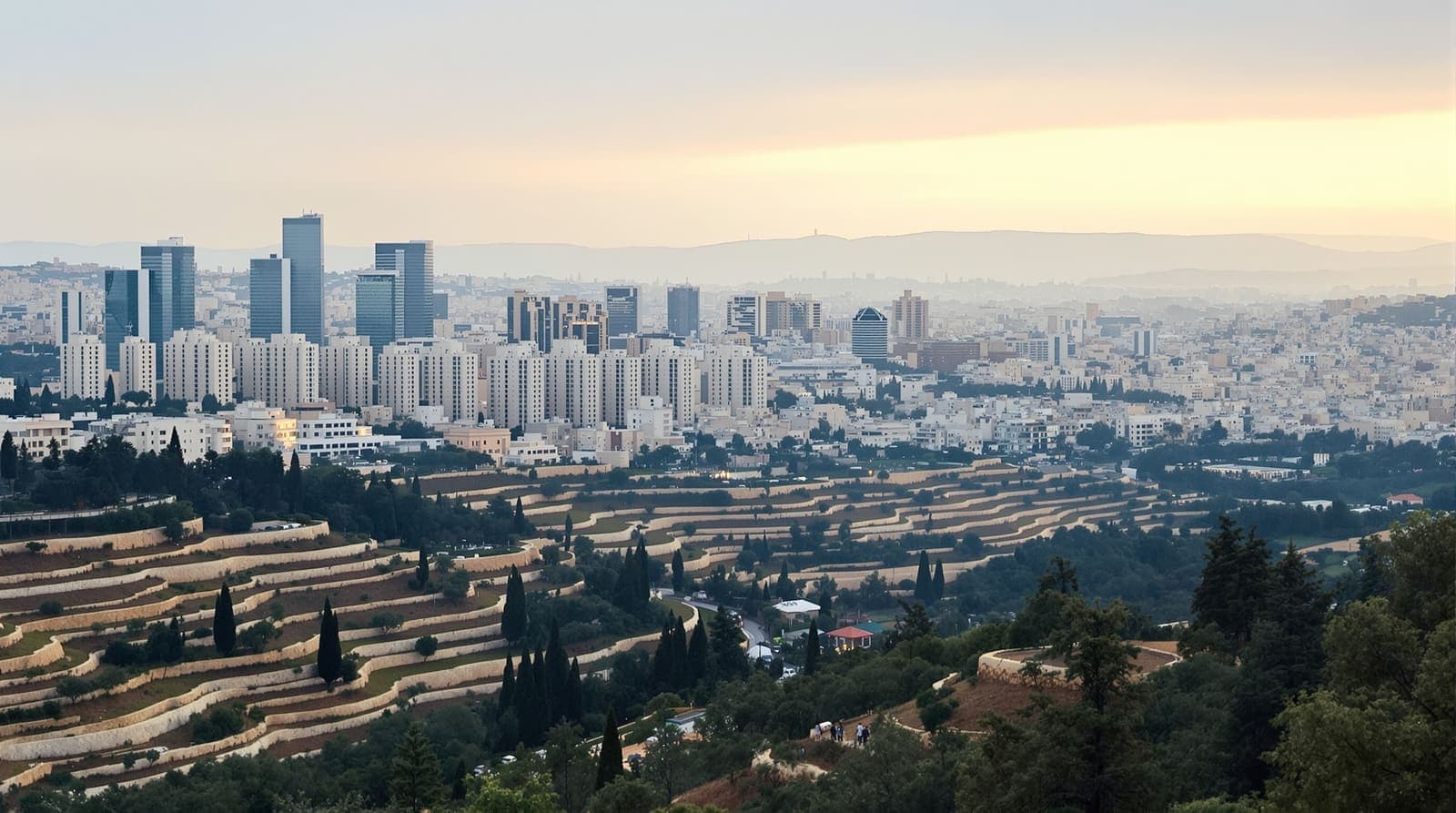
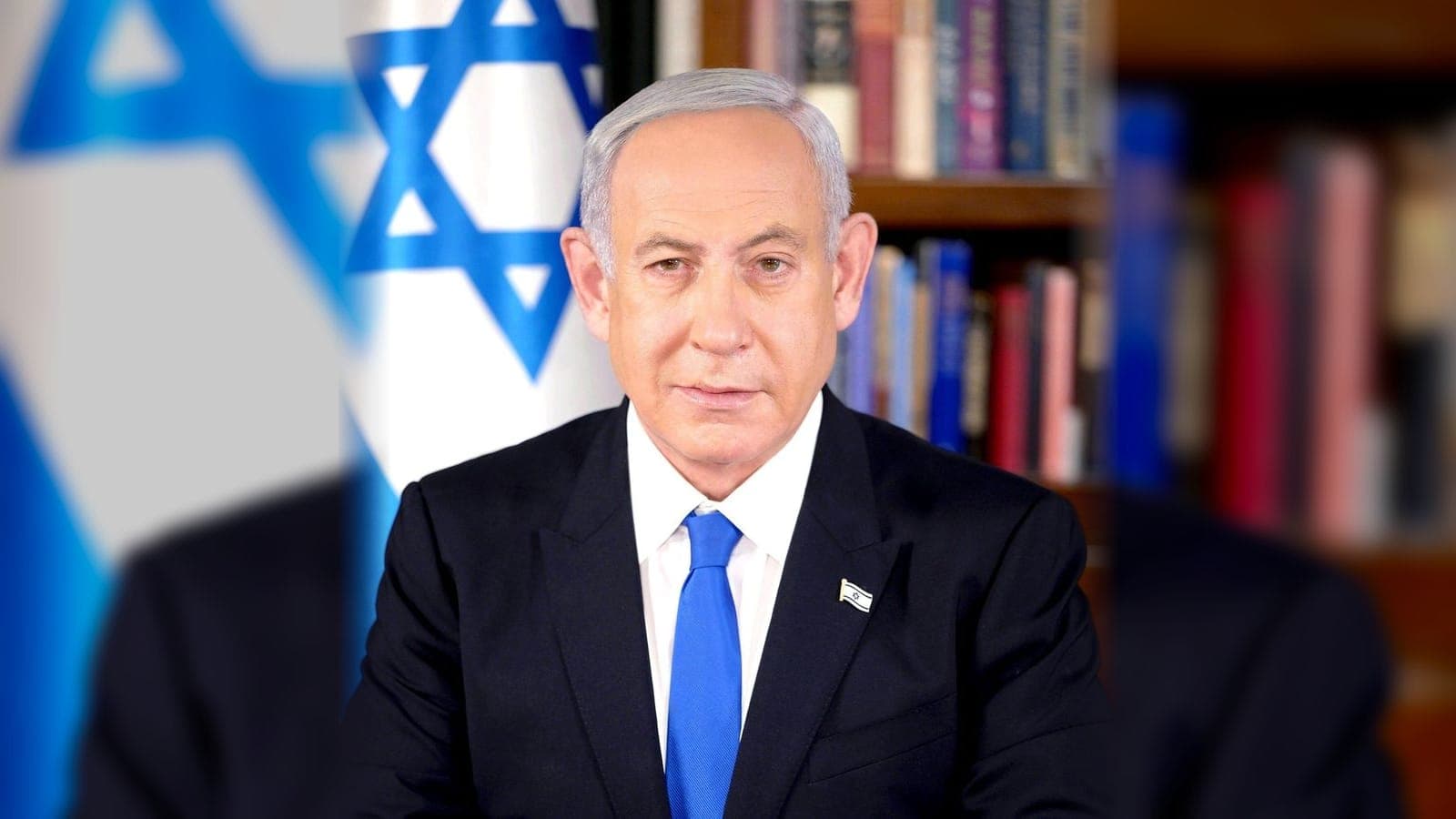
AI illustration, not a photo of the events.
Israel and the Democratic Republic of the Congo have issued a joint declaration saying they intend to continue consultations aimed at opening a resident Israeli embassy in Kinshasa and at relocating the Congolese embassy from Tel Aviv to Jerusalem. The text was published by the Israeli government on 3 September 2026 as a press release under the heading of foreign policy and bilateral relations.
According to the same declaration, it follows a meeting held in Jerusalem on 1 September 2026 between Israeli Prime Minister Benjamin Netanyahu and Congolese President Felix Antoine Tshisekedi Tshilombo, at which the two leaders "reaffirmed their shared commitment to strengthening diplomatic relations between their countries". The two governments said they would carry on their exchanges through diplomatic channels in order to agree on how the decisions would be implemented.
On the ground

DR Congo has reiterated plans to move its embassy in Israel from Tel Aviv to Jerusalem. The announcement on Thursday followed a visit to Israel by President Felix-Antoine Tshisekedi. 🔗 aje.news/qg79la

What the declaration actually commits the two sides to
The language is deliberately narrow. The declaration speaks of an intention to continue consultations "with a view to" two steps: an Israeli resident embassy in Kinshasa, and the transfer of the Congolese embassy in Israel from Tel Aviv to Jerusalem. It does not announce that either step has been taken, and it does not set a date. The modalities, the diplomatic term for the practical arrangements, are described as something still to be agreed.
A resident embassy means a mission with staff permanently based in the host country, as opposed to representation handled from a neighbouring capital or by a non-resident ambassador. Israel's diplomatic presence across sub-Saharan Africa has long relied on a limited number of embassies covering several countries each, so the opening of a resident mission in a given capital is a concrete upgrade rather than a symbolic one.
Where Kinshasa is, and what the DRC is
Kinshasa is the capital of the Democratic Republic of the Congo, a vast country in central Africa and one of the most populous on the continent. It is a separate state from the neighbouring Republic of the Congo, whose capital is Brazzaville. The DRC is a member of the African Union and of the United Nations, where African votes carry weight in the General Assembly and in bodies that regularly consider resolutions concerning Israel and the Palestinians. Its mineral wealth, including cobalt and copper, makes it a significant player in global supply chains.
Israel's week in five stories, every Friday
Sourced and checked by the Israel.com newsroom, with Shabbat times. Free, one-click unsubscribe.
One list, unsubscribe in a click. See our privacy policy.
Tshisekedi has been the DRC's president since winning office after a contested transfer of power from his predecessor, and he has pursued an active foreign policy that includes closer ties with Israel. The Jerusalem meeting described in the declaration is the setting the two governments themselves point to as the origin of the announcement.
Why moving an embassy to Jerusalem matters
The status of Jerusalem is the most sensitive question in the diplomacy of the Israeli-Palestinian conflict. Israel regards the city as its capital and seats its parliament, the Knesset, its supreme court and its government ministries there. The Palestinians seek East Jerusalem as the capital of a future state, and most of the international community has historically kept its embassies in and around Tel Aviv, treating the city's final status as a matter for negotiation.
Next story Government
Bottle thrown toward Netanyahu's convoy at Jerusalem's Mahaneh Yehuda market
That is why a foreign government's decision to move its mission to Jerusalem is treated in Israel as a political statement and not merely an administrative one. For Israeli diplomacy, each such move is presented as evidence that the earlier consensus is eroding; for Palestinian officials and for many Arab and Muslim states, such moves are rejected as prejudging the outcome of talks. The declaration itself makes no reference to the Palestinians or to the wider dispute over the city, and confines itself to bilateral relations between Israel and the DRC.
The Israeli push for African ties
Israel has invested heavily in rebuilding relations with African states, many of which downgraded or severed ties in earlier decades. That effort has centred on cooperation in agriculture, water technology, health and security, alongside diplomatic goals such as observer status and friendlier positions at multilateral forums. A joint declaration of the kind published here, issued after a presidential visit and framed around friendship and cooperation, is a standard instrument in that effort: it records political intent while leaving the legal and logistical work to foreign ministries.
What the material does not say
The published declaration is short, and a good deal is left open. It gives no timetable for either the Israeli embassy in Kinshasa or the Congolese move to Jerusalem, and no indication of cost, staffing or premises. It does not say whether Congolese domestic approval is required, nor whether any other agreements, on trade, security or development, were signed at the Jerusalem meeting.
There is also no Congolese statement in the material to set alongside the Israeli publication, so the wording available here is the version released by the Israeli government, described as a joint text. No reaction from the Palestinian Authority, the African Union, the Arab League or third governments is included. Because only one organisation's report is available, the account above rests on that single document, and the two intentions it describes remain intentions to consult rather than completed decisions.
More on Jerusalem: Places and businesses in Jerusalem · Shabbat times in Jerusalem
Read next
All government →
File photo
Government
Colombia opens its embassy in Jerusalem, the tenth in the city, says Sa'ar
Illustration
Government
Israel says British Consulate in Jerusalem has closed after 12 UK officials barred
Illustration
Government
UK consulate in East Jerusalem loses its signs as 20 British diplomats leave
File photo
In Memoriam
Netanyahu lights memorial candle in Jerusalem for October 7 victims
Sources and further reading
Every link below was opened and checked when this page was written. Official statements are marked as such: they are the subject's own account, not an independent one.
- Officialgov.ilgov.ilIsraeli government press release
How we checked this
All details here come from the joint declaration published on the Israeli government website; no second organisation's report was available and no Congolese statement is included in the material. The article makes no claim that either embassy step has been carried out.
Our sourcing and corrections policy →
The week from Israel, in one email
The stories that mattered, sourced and checked by the Israel.com newsroom. Free, weekly, one-click unsubscribe.
One list, unsubscribe in a click. See our privacy policy.

Israel.com is free, and readers like you keep it that way.
The Israel.com newsroom checks every story against its sources and publishes it free. If this one helped, a contribution of any size keeps the next one free too.
One payment, nothing to sign up for. Another amount
Latest
- IDF fires interceptor at suspected aerial target over southern Lebanon
- Soldiers killed near Hebron named and buried as army operation goes on
- Truck driver arrested after fatal crash on Route 465 near Aboud
- IDF says about 220,000 dunams of West Bank olives harvested so far
- Troops detain Palestinian suspected of planning imminent attack in Binyamin area
- Man of about 25 shot dead in Yafia, near Nazareth, during a taxi ride