Nature reserve · The Galilee
Tel Dan Nature Reserve
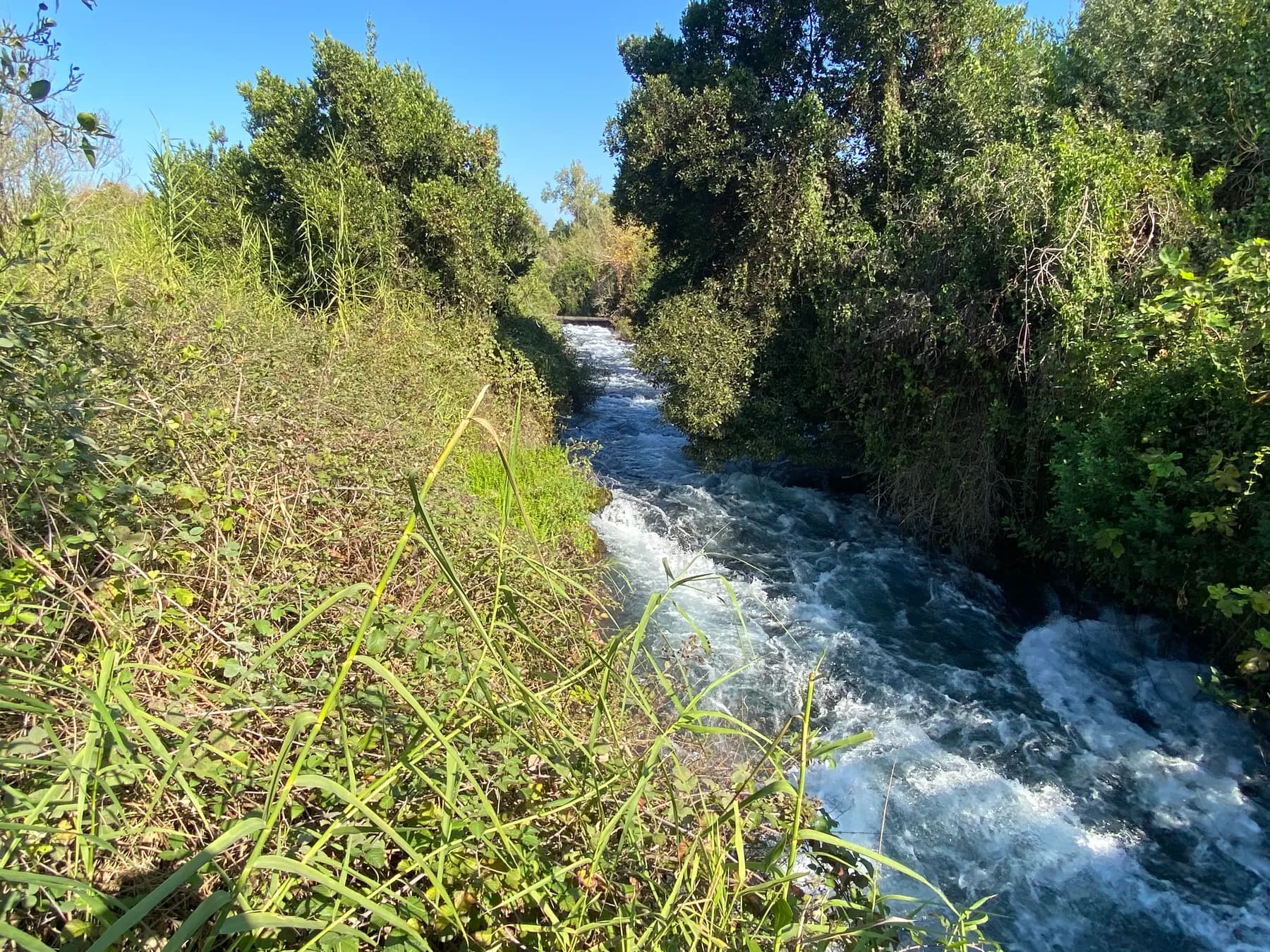
The largest of the Jordan River's three headwaters rises inside this 48 hectare reserve, and the trail that follows it ends at a mudbrick city gate of about 1750 BCE that still stands seven metres high.
שלמה רודד / CC BY 2.5 · Wikimedia Commons
Adult admission
₪31
the Israel Nature and Parks Authority's published fee, read from the reserve's own page in 2026
Spring output
about 250 million m³ a year
the Parks Authority's estimate for the springs inside the reserve
The Canaanite gate
about 1750 BCE
mudbrick, uncovered in 1979 and standing to a full height of 7 m
Reserve area
48 hectares
39 declared in 1974, with nine more added in 1989
In short
- How long to give it
- About 90 minutes for the stream trail and the wading pool. Two to three hours if the tel, the Israelite gate, the cult compound and the Canaanite gate are all walked.
- Summer, Sunday to Thursday and Saturday
- 08:00 to 17:00
- Adult
- ₪31.00
שמורת טבע תל דן
Tel Dan Nature Reserve is a patch of spring-fed woodland at the northern end of the Hula Valley, wrapped around an archaeological mound of roughly 200 dunams where a city stood for something like 5,000 years. Two very different things bring people through the gate, and the same short walk reaches both: the Dan, which the Israel Nature and Parks Authority calls the largest and most important of the sources of the Jordan River, and a mudbrick city gate built around 1750 BCE that was found in 1979 still standing to its original height.
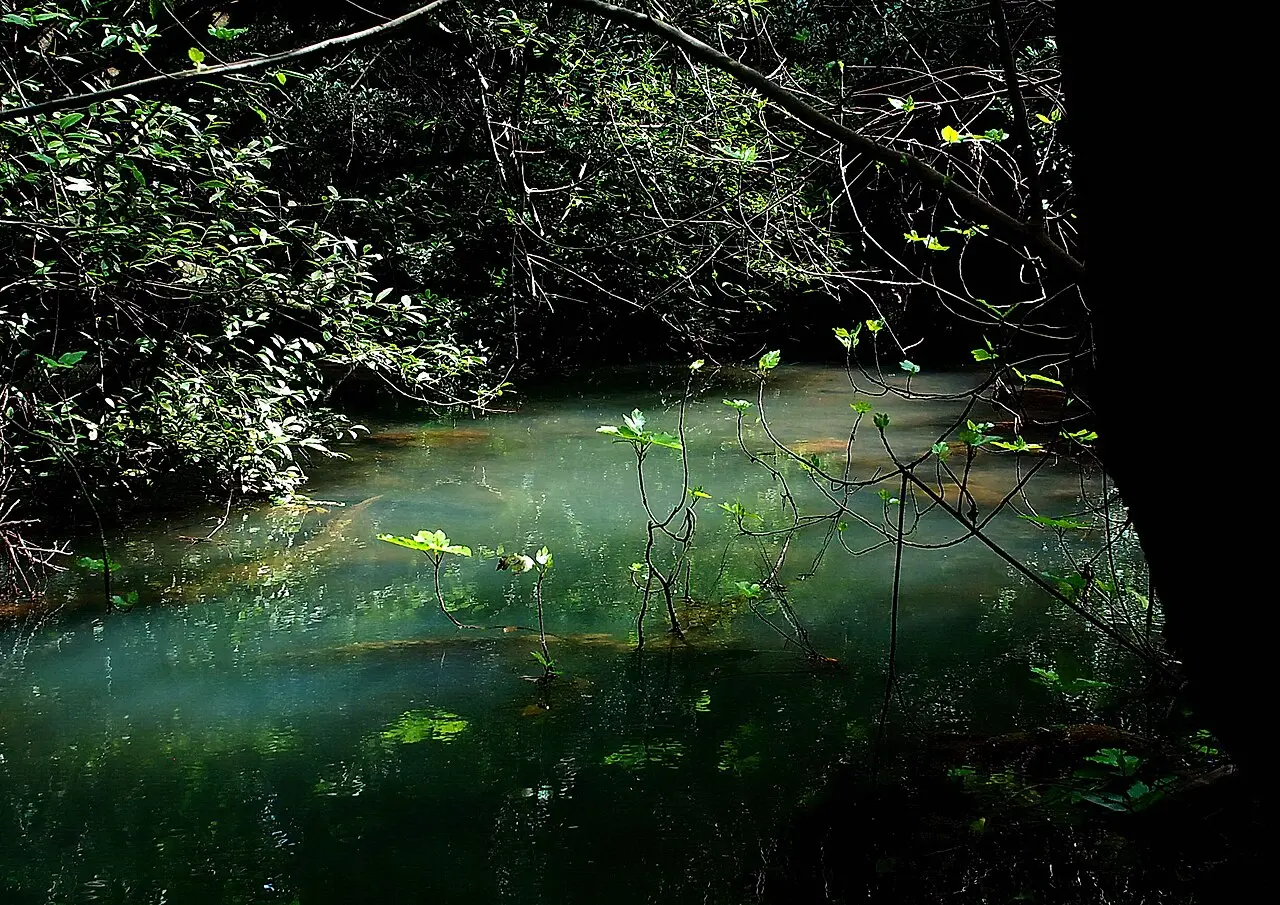
The water is what makes the place feel unlike the rest of northern Israel. The Dan spring is karstic, fed by snow that settles on Mount Hermon each winter and works its way down through the rock to emerge at the foot of the hill. The Parks Authority describes it as the most plentiful karstic spring in the Middle East and says the flow barely changes between winter and summer, unlike the Hermon, Banias and Snir streams, and that the water comes out at a low and steady temperature all year. The result is heavy shade, running water in August, and the one stretch of wetland forest in the country carrying northern trees: narrow-leafed ash and bay laurel.
It is a single Parks Authority reserve with one gate and one ticket, currently ₪31 for an adult. The first part of the trail is level, made and short, and the Authority's own accessible route runs from the entrance to the wading pool and on to both gates. Beyond that the paths climb the tel, cross tree roots and water, and take longer than most visitors allow for.
Water
The largest of the three streams that make the Jordan
The Jordan is assembled just south of here from three headwaters: the Hasbani, the Banias and the Dan. The Parks Authority's own page calls the Dan the largest and most important of them, and the most plentiful karstic spring in the Middle East, fed by Hermon snowmelt percolating down through limestone rather than by surface runoff. That is why the flow is close to constant. The Authority notes that the other three streams rise and fall with the season and the Dan effectively does not.
The published figures do not quite agree, and the difference is worth stating rather than smoothing over. The Parks Authority puts the output of the springs in the reserve at an estimated 250 million cubic metres a year, and the Madain Project repeats that figure for the Dan spring. Wikipedia's account of the river itself gives up to 238 million cubic metres a year, over a course of only about 20 kilometres. Nothing turns on which is right for a visitor, but neither number should be quoted here as if it were settled.
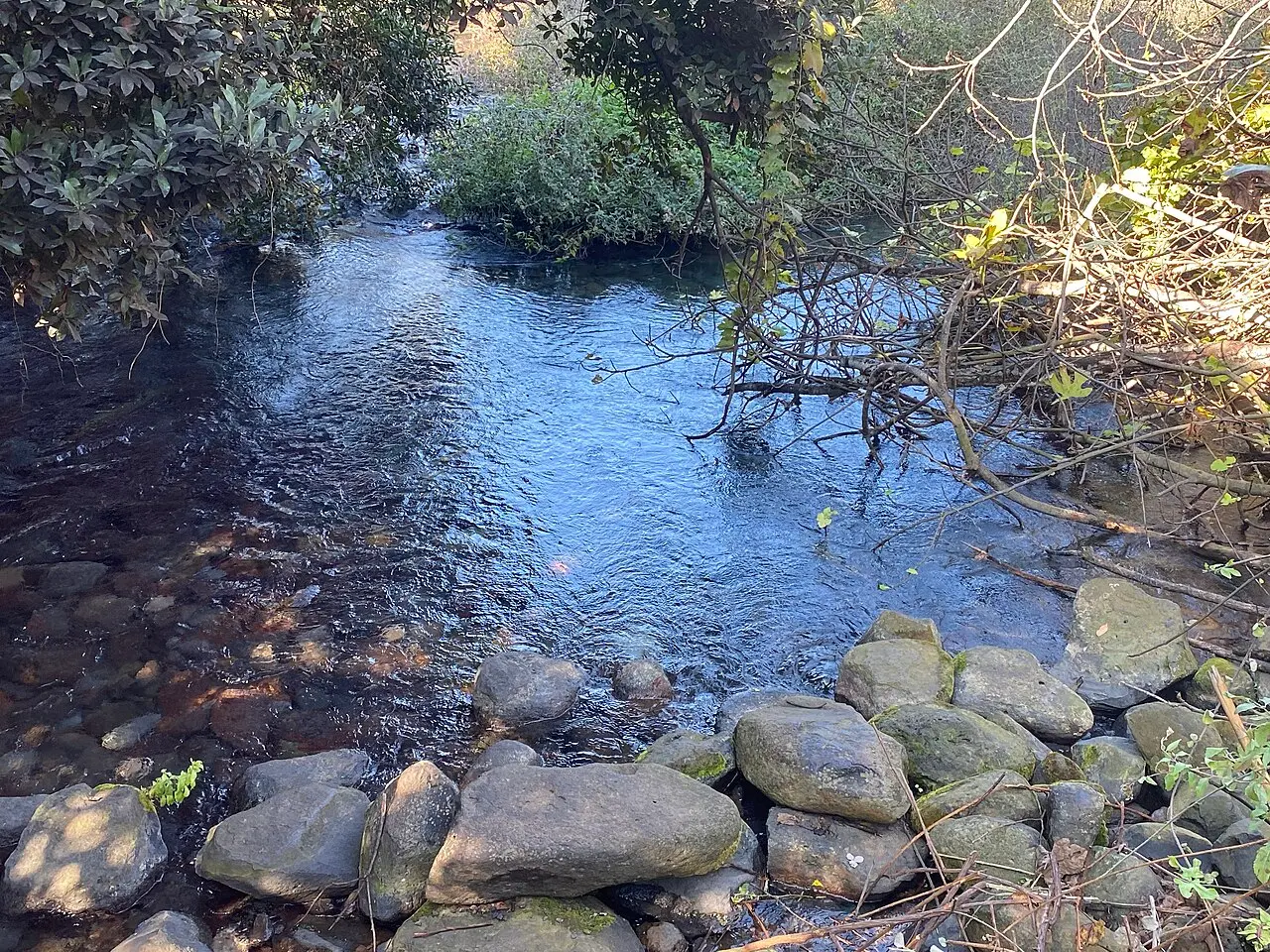
What the constancy produces is the part people remember. At the Paradise Springs the water spreads into slow braided channels under a closed canopy, and the Authority describes this as the only wetland forest in Israel made of northern trees: the narrow-leafed ash (Fraxinus angustifolia) and the bay laurel (Laurus nobilis), with rare salamanders and invertebrates in the rivulets underneath. The Pooh Bear Tree, a hollow old narrow-leafed ash on the trail, is a specimen of the same northern species at the southern limit of its range. Older trees on the slopes of the tel, Palestine oak and Mount Atlas mastic, were destroyed by fire caused, on the Authority's own account, by hikers' negligence.
One rule follows from all of this and is easy to get wrong on a hot day. Wading is permitted in the wading pool and nowhere else in the reserve, because feet in the channels stir sediment off the bed and wreck the habitat that makes the place worth protecting.
- Karstic spring fed by snowmelt from Mount Hermon
- Estimated 250 million m³ a year on the Parks Authority's figure
- Cold and near constant temperature through the year
- Narrow-leafed ash and bay laurel, the only wetland forest of its kind in Israel
- Wading allowed only in the designated wading pool
שלמה רודד / CC BY 2.5 · Wikimedia Commons
The city
Laish, then Dan, then the northern edge of a kingdom
The mound is one of the largest ancient tels in the country, about 200 dunams on the Hebrew account, and it sat on the trade route running from the Galilee up to Damascus. Before the Israelites it was Laish, spelled Leshem in Joshua 19:47 and Laishah in some translations of Isaiah 10:30. The Parks Authority's summary is that the tribe of Dan migrated here from the Judean plain, took the city and renamed it after the tribe's forefather.
That position at the top of the map is what put Dan into the language. The phrase "from Dan to Beersheba" is the biblical shorthand for the whole country, and Dan is the northern end of it. After the kingdom divided, Jeroboam son of Nebat made Dan one of the two centres of worship in the Kingdom of Israel, with a golden calf at each, the other being Bethel. The cult compound and its paved platform are on the trail today, and the Parks Authority is careful to say only that the structure recalls the biblical accounts.
The archaeology of the Iron Age city runs to a city wall with buttresses and a complex gate in the ninth century BCE, enlarged in the eighth under Jeroboam II, and then destruction in the Assyrian campaign of Tiglath-Pileser III in 733 or 732 BCE. Settlement did not stop there. The Assyrians moved populations around and the site carried on, and cultic activity around the podium continued through the Persian, Hellenistic and Roman periods.
The tel also proved its own name, which is rare. A bilingual dedication in Greek and Aramaic, dated to the late third or early second century BCE, reads "To the god who is in Dan, Zoilos made a vow". Most identifications of a biblical city with a mound of earth are arguments; this one is a signature.
- Canaanite Laish, called Leshem in Joshua 19:47
- Renamed Dan after the tribe that took it, on the Parks Authority's account
- Jeroboam's northern golden calf sanctuary, the counterpart of Bethel
- Assyrian destruction in 733 or 732 BCE, under Tiglath-Pileser III
- A Greek and Aramaic dedication naming Dan, late third to early second century BCE
שלמה רודד / CC BY 2.5 · Wikimedia Commons
The gate
Mudbrick that survived because someone buried it
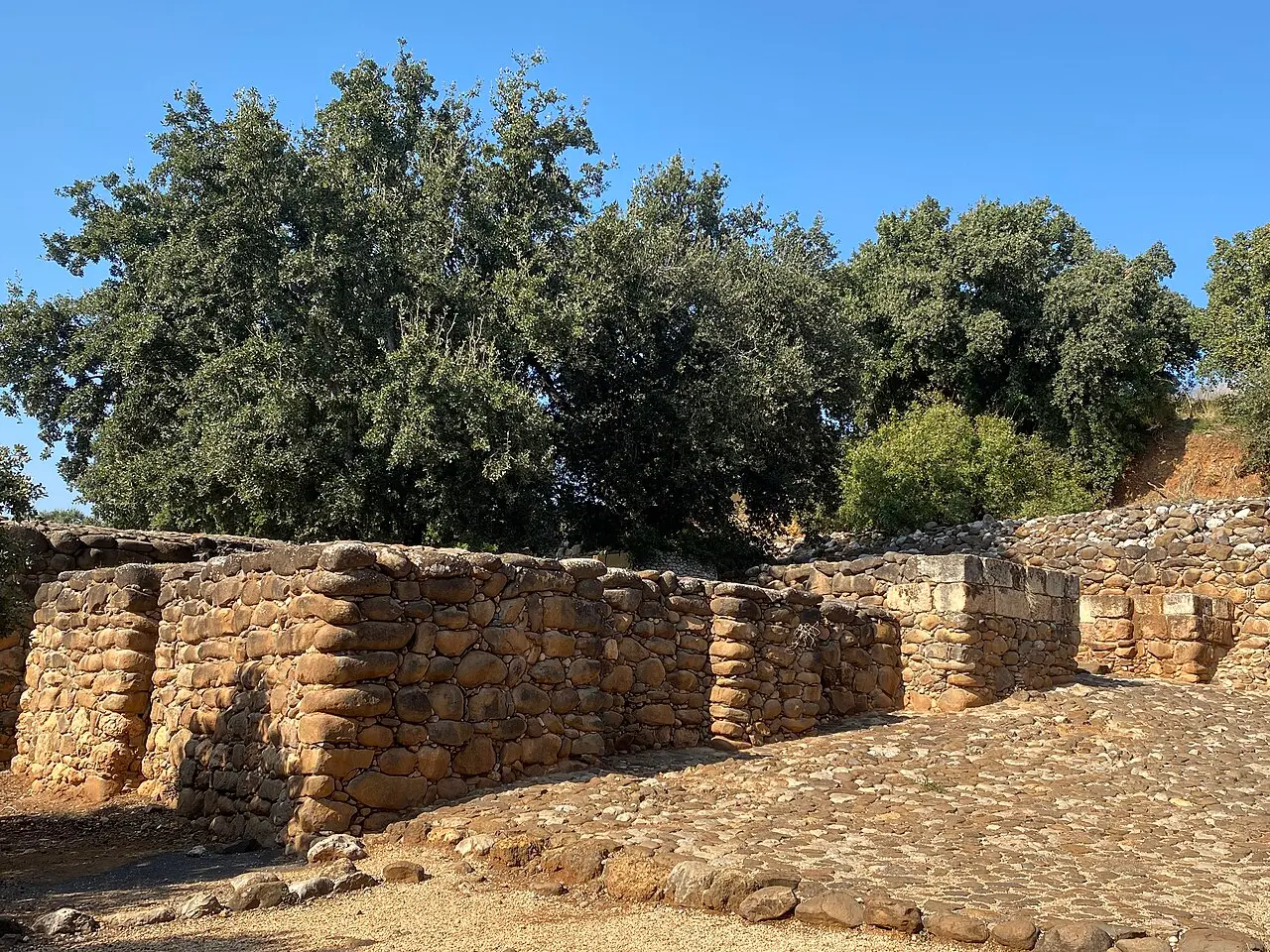
The gate was uncovered in 1979 and it is the reason many people come. It was built of mudbrick set on megalithic basalt blocks, or orthostats, around 1750 BCE, in the Middle Bronze Age, and it carries three true arches. English Wikipedia's account states that as of 2009 these were the oldest complete, free-standing, monumental mudbrick arches known anywhere in the world; the Parks Authority describes the arches as considered the earliest of their kind. The Authority gives the preserved height as a full seven metres.
Mudbrick does not last outdoors. It slumps in rain, blows away in wind and is gone within a few generations of neglect, which is why the standing remains at almost every Bronze Age site in the region are stone. The Hebrew account of the tel explains the exception: the gate was sealed up, for reasons that have not been established, covered over with earth, and effectively became the core of the rampart raised on top of it. It went out of use very early and was protected by the same act that put it out of use.
The popular name, Abraham's Gate, comes from the biblical report at Genesis 14:14 that Abraham travelled to Dan to rescue his nephew Lot. It is a tradition attached to the structure, not a finding of the excavation, and nothing recovered from the gate dates or identifies anyone who walked through it.
What a visitor sees is original brick that has been worked on. The gate was restored in the late 2000s, and the Parks Authority states that it has since taken measures to protect it from weather damage. That is the honest description: conserved and sheltered Middle Bronze Age fabric rather than a reconstruction, but not a structure left exactly as the excavators found it either.
Fallaner / CC BY-SA 4.0 · Wikimedia Commons
The stele
Three fragments of a victory monument, and one contested word
In July 1993 Gila Cook, a member of Avraham Biran's excavation team, spotted an inscribed basalt fragment reused in a wall near the outer gate. Two more pieces followed in June 1994. Together they make up part of a triumphal inscription in Aramaic, generally dated to the ninth century BCE and most often attributed to Hazael of Aram-Damascus, recording the defeat of a king of Israel and a king of the House of David.
The contested word is bytdwd. Most scholars read it as "House of David", which makes the stele the earliest mention of David outside the Bible and the reason the find is famous well beyond archaeology. The Biblical Archaeology Society's account presents it as evidence that David was a historical figure recognised even by Israel's enemies. The objection is specific rather than vague: word dividers are used elsewhere in the inscription and there is none between byt and dwd, which is what a reader would expect if they were two words, and dissenters have proposed a place name or other readings instead. The majority view has held for three decades, and the minority objection has not gone away.
Biran directed the excavations at Tel Dan from 1966 to 1999, working through the Nelson Glueck School of Biblical Archaeology at Hebrew Union College in Jerusalem, which he headed from 1974. He died in 2008 at the age of 98, having spent more than thirty seasons on this one mound.
The stele itself is not here. It is on display at the Israel Museum in Jerusalem. Anyone coming to Tel Dan expecting to see it will instead be standing at the outer gate where it was found, which is worth knowing before the drive north.
שאולה haitner / CC BY 2.5 · Wikimedia Commons
What you see
What is original, what was stabilised, and what was carried here
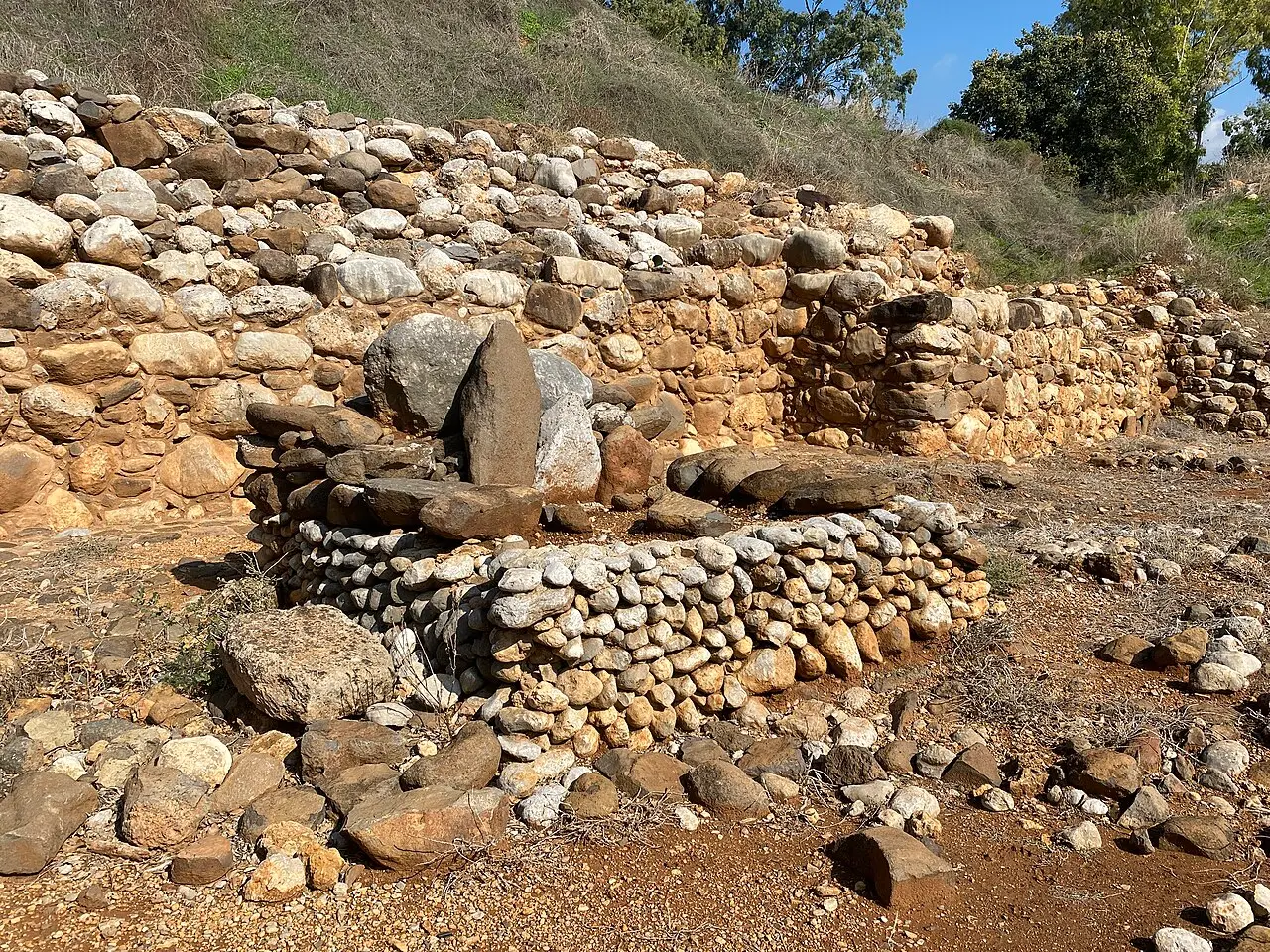
The two gates, the fortification walls and the cult compound are excavated remains, conserved in place. At the Israelite gate the Parks Authority points to the remains of a palanquin on which the ruler of the city would have been enthroned, with benches for the elders alongside; the published archaeological description is more cautious, calling it a raised square platform reached by two steps with decorated stone sockets at the corners that may have held canopy poles. Both descriptions are of the same stones. The difference is how much interpretation is built on top of them.
The flour mill on the stream is the latest of several found at the tel and was working until the 1960s. It has been conserved and its walls stabilised because they were in danger of collapse, and it does not turn. The aqueduct that fed it was conserved too, and the Authority says it now carries water into a part of the reserve where water had not run for many years. Water in that channel is therefore a restoration decision, not a survival.
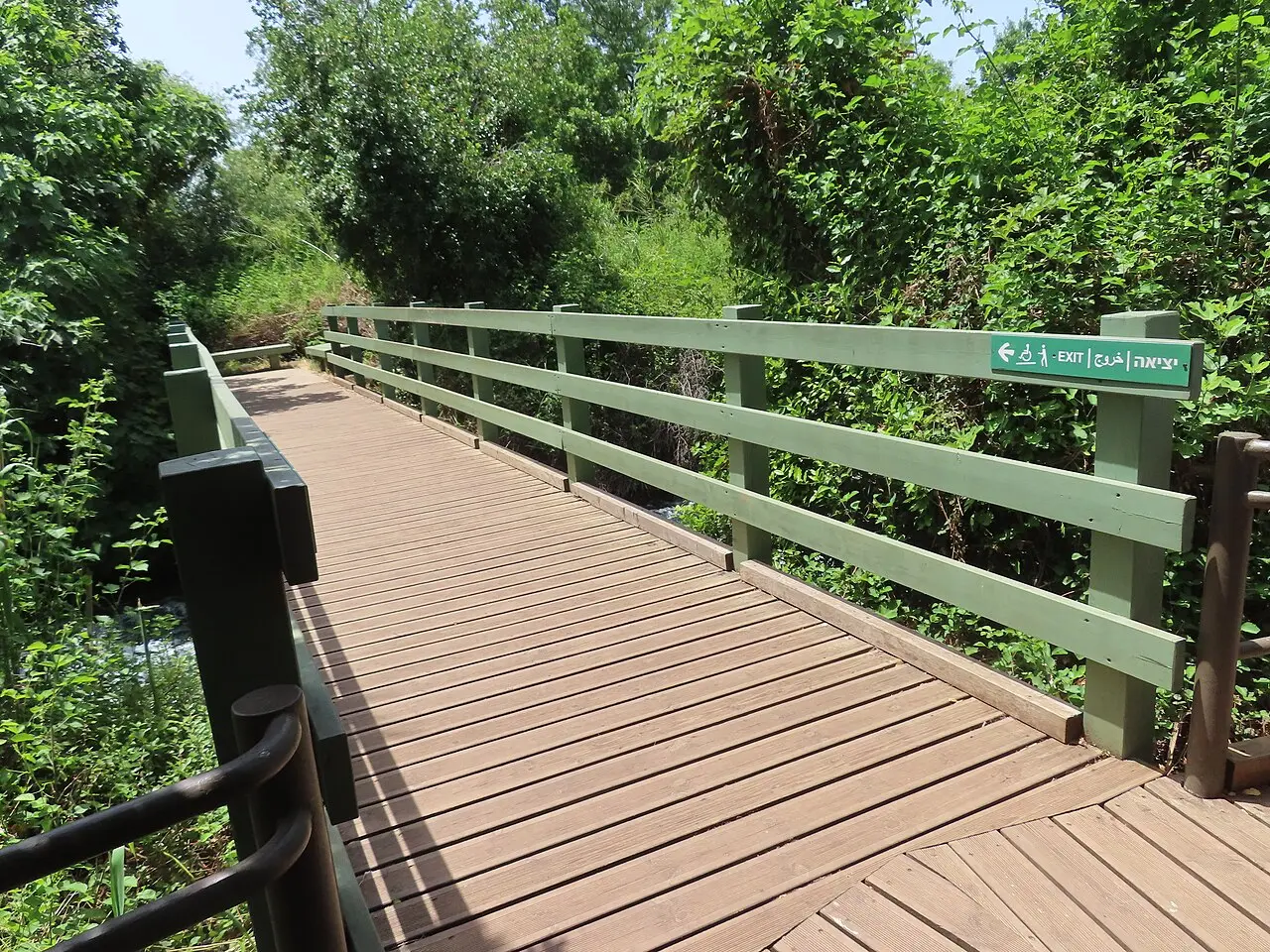
Several things on the trail are recent by design. The wading pool has been enlarged and given a wooden deck and benches, and a new accessible observation point looks out from a wooden terrace over the flowing Dan. These are good additions and they are not antiquities.
The last layer is twentieth century. After 1948 a military post was built on the tel to cover Kibbutz Dan and the springs, and it stayed active until 1967; communication trenches and bunkers are still visible on the mound. A Syrian tractor also stands there, used in the works to divert the sources of the Jordan in the 1960s. It was brought to the tel rather than found on it. The context is the Arab League diversion scheme: Syria began cutting a canal from the Banias to the Yarmouk in 1965 with Egyptian and Saudi money, Israel attacked the earth-moving equipment repeatedly, and the work had stopped before the war of June 1967.
- Original and conserved: the Canaanite gate, the Israelite gate, the walls, the cult compound
- Conserved but not working: the flour mill, in use until the 1960s
- A restoration choice: water returned to the mill aqueduct
- Modern: the enlarged wading pool, its wooden deck, the accessible observation terrace
- Moved here: the Syrian tractor from the Jordan diversion works of the 1960s
שלמה רודד / CC BY 2.5 · Wikimedia Commons
What to look for
Things not to walk past at Tel Dan Nature Reserve
The details that repay knowing about before you are standing in front of them.
The Canaanite gate
Mudbrick on basalt orthostats, about 1750 BCE, with three true arches and a preserved height the Parks Authority gives as seven metres. It survived because it was sealed and buried almost as soon as it was built.
Paradise Springs
Slow braided channels under a closed canopy of narrow-leafed ash and bay laurel, which the Parks Authority describes as the only wetland forest of northern trees in Israel. It is shaded in every month of the year.
The wading pool
The one place in the reserve where standing in the water is permitted, now enlarged and edged with a wooden deck and benches. The Dan runs cold and at much the same temperature all year, so it is a shock in August.
The Israelite gate and its platform
A raised square platform reached by two steps, with decorated stone sockets at the corners. The Parks Authority reads it as the seat of the city's ruler; the archaeological description says only that the sockets may have held canopy poles.
The cult compound
The paved high place associated with Jeroboam's northern sanctuary, the counterpart of Bethel. It is presented on the ground as recalling the golden calf accounts rather than proving them.
The trenches and the Syrian tractor
The tel carried an Israeli military post from after 1948 until 1967, and its communication trenches and bunkers are still there. Beside them sits a tractor from the Syrian works to divert the Jordan headwaters.
The long view
Tel Dan Nature Reserve, in order
about 1750 BCE
The mudbrick gate is built on basalt orthostats, with three true arches. It is sealed and covered with earth soon afterwards and becomes the core of a rampart raised over it.
9th century BCE
Major fortification of the Israelite city: a wall with buttresses and a complex gate. The Tel Dan stele is set up in this period, most probably by Hazael of Aram-Damascus.
8th century BCE
The gate complex is enlarged under Jeroboam II.
733 or 732 BCE
The city is destroyed in the Assyrian campaign of Tiglath-Pileser III. Settlement continues on the site afterwards.
late 3rd to early 2nd century BCE
A bilingual Greek and Aramaic dedication is made at the site: "To the god who is in Dan, Zoilos made a vow". It confirms that the mound still carried its ancient name.
1948 to 1967
A military post holds the tel to cover Kibbutz Dan and the springs. Its trenches and bunkers survive on the mound.
1965
Syria begins cutting a canal from the Banias towards the Yarmouk under the Arab League diversion scheme. Israel strikes the earth-moving equipment and the work stops before June 1967. A tractor from those works now stands on the tel.
1966
Avraham Biran begins excavating Tel Dan, the project he directed until 1999.
1974
The nature reserve is declared on 39 hectares around the tel.
1979
The Canaanite mudbrick gate is uncovered.
1989
Nine hectares are added to the reserve, bringing it to 48.
July 1993
Gila Cook, on Biran's team, spots the first fragment of the Tel Dan stele reused in a wall by the outer gate.
June 1994
Two further fragments of the stele are found. The reading bytdwd, most often translated "House of David", is disputed from the outset and remains so.
late 2000s
The Canaanite gate is restored. The Nature and Parks Authority states that it has taken measures to protect it from weather damage.
Practical
Visiting Tel Dan Nature Reserve
Where
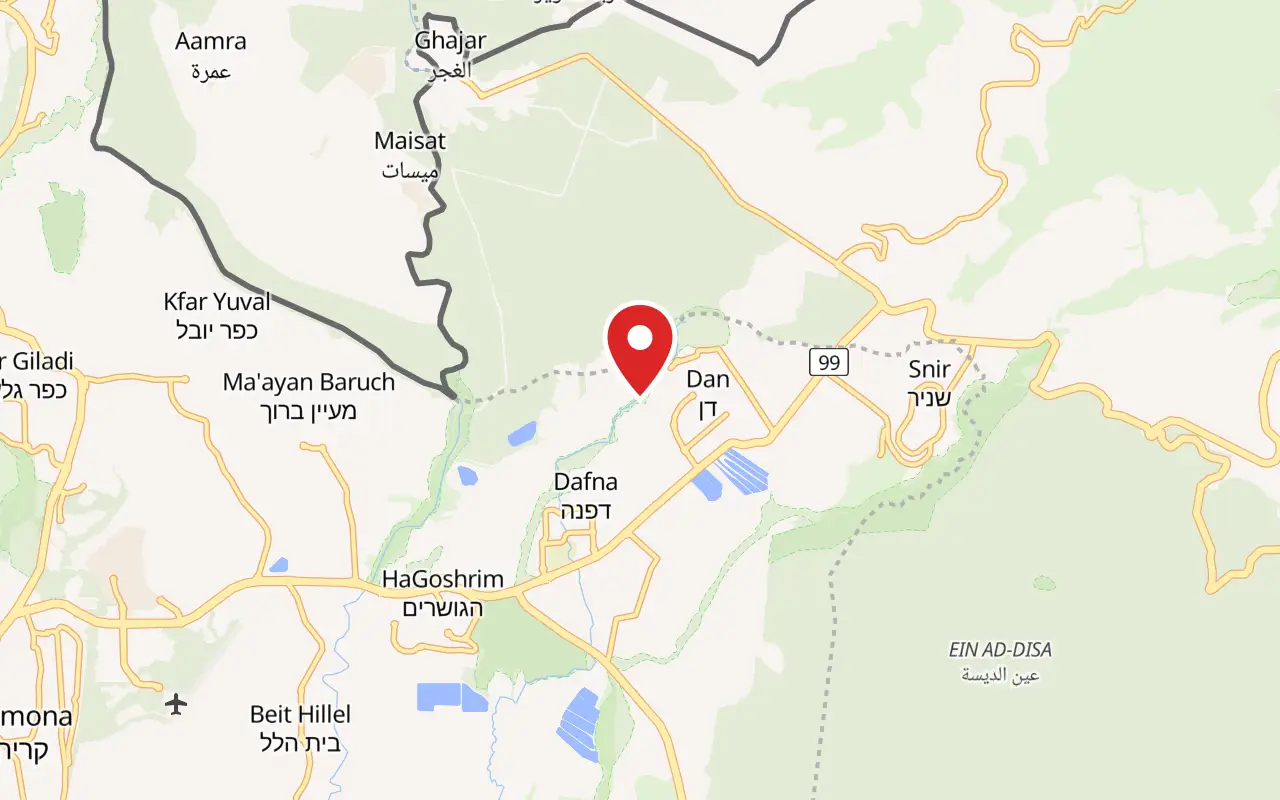
Off Route 99, the Kiryat Shmona to Mas'ade road, about 11 kilometres east of the Metsudot junction and next to Kibbutz Dan, Upper Galilee. Telephone 04-6951579.
What ticket you need
Tel Dan is a stand-alone Nature and Parks Authority reserve with its own gate and its own ticket, not a section inside a larger ticketed park. The neighbouring attractions in the same valley are run by other bodies and sold separately: Hula Lake Park (Agamon Hula) is a KKL-JNF site, and the Hula Nature Reserve is a separate Parks Authority gate a half hour south. Nothing bought at one covers the others.
Opening hours
- Summer, Sunday to Thursday and Saturday
- 08:00 to 17:00source
- Summer, Friday and holiday eves
- 08:00 to 16:00source
- Winter, Sunday to Thursday and Saturday
- 08:00 to 16:00source
- Winter, Friday and holiday eves
- 08:00 to 15:00source
- Holiday eves and the eve of Yom Kippur
- 08:00 to 13:00source
- Last entry
- One hour before the closing time above, on the Parks Authority's own statement. In winter that means the gate stops admitting visitors at 15:00 on most days and at 14:00 on Fridays.source
Admission
Access
Better than most archaeological sites in Israel, and not step-free throughout. The Parks Authority publishes an accessible trail that starts at the entrance, follows the first part of the hiking trail and reaches the wading pool, the Israelite gate and the Canaanite gate, with a second short accessible route to an observation point on a wooden terrace over the stream. There are disabled parking spaces, accessible toilets and accessible picnic benches in the entrance plaza, and accessible benches placed along the trails. The Authority presents the same route as suitable for families with pushchairs. The longer circuits are a different proposition: they climb the tel, cross tree roots and run beside and through water, and nothing published describes them as wheelchair accessible. Anyone who needs certainty about a specific route should telephone the reserve on 04-6951579 or use the Authority's accessible visit coordination form before travelling.
On site
- Accessible toilets in the entrance plaza
- Disabled parking spaces
- Restaurant and cafeteria
- Service centre selling ice cream, hot and cold drinks, fast food and snacks
- Sun cream, hats and water equipment on sale at the service centre
- Picnic area and accessible picnic benches
- Wading pool with a wooden deck
- Accessible observation terrace over the Dan
- Car park off Route 99
Booking
The Israel Nature and Parks Authority runs a reservation system for the reserve and says that booking secures a place at the requested date and time and brings updates before the visit. Dogs are not admitted, which catches out people who treat the reserve as a picnic spot. There is a separate accessible visit coordination form for visitors with disabilities.
Hours and prices are given as the operator publishes them and change without much notice, particularly around Shabbat and the festivals. Check the operator's own page before you travel for this.
Official page at en.parks.org.il →What people wish they had known
- Do the archaeology first if the day is short. Most visitors walk the stream, get their feet wet and leave, then find out afterwards that the Canaanite gate is at the far end of the site and they never reached it.
- Wading is legal in the wading pool and illegal everywhere else in the reserve. The reason is not fussiness: feet in the channels lift sediment off the bed and destroy the habitat that the reserve exists for.
- Check which season the hours are in before setting off. Winter closing is 16:00 on most days and 15:00 on Fridays and holiday eves, and the last admission is an hour earlier still, which is a much shorter afternoon than people plan for.
- Bring something to wear in the water and a dry pair of socks. The Dan holds a low, steady temperature all year, so the pool is cold in August rather than refreshing, and the trail continues afterwards.
- Leave the dog at home. Dogs are not permitted in the reserve, unlike many of the picnic sites elsewhere in the Hula Valley.
- Do not come for the House of David stele. It was found here, at the outer gate, and it is displayed at the Israel Museum in Jerusalem.
The figures
Tel Dan Nature Reserve by the numbers
Each figure carries the year it belongs to and links the source it came from.
| Measure | Figure | As of | Source |
|---|---|---|---|
| Adult admission | ₪31.00, with a child at ₪16.00 and a student at ₪26.00 | 2026 | en.parks.org.il |
| Reserve area | 48 hectares, from 39 declared in 1974 plus nine added in 1989 | 2026 | en.wikipedia.org |
| Output of the springs | an estimated 250 million cubic metres a year | 2026 | en.parks.org.il |
| The Dan as a river | about 20 kilometres long, carrying up to 238 million cubic metres a year | 2026 | en.wikipedia.org |
| Preserved height of the Canaanite gate | 7 metres, its full height | 2026 | en.parks.org.il |
| Date of the Canaanite gate | about 1750 BCE, Middle Bronze Age | 2026 | en.wikipedia.org |
| Area of the tel | about 200 dunams | 2026 | he.wikipedia.org |
| Excavation seasons under Avraham Biran | 1966 to 1999 | 2026 | he.wikipedia.org |
While you are here
The rest of The Galilee
Everything else in this destination with a page of its own.
זאב שטיין / CC BY 2.5 · Wikimedia Commons
Nature reserve
Agamon Hula
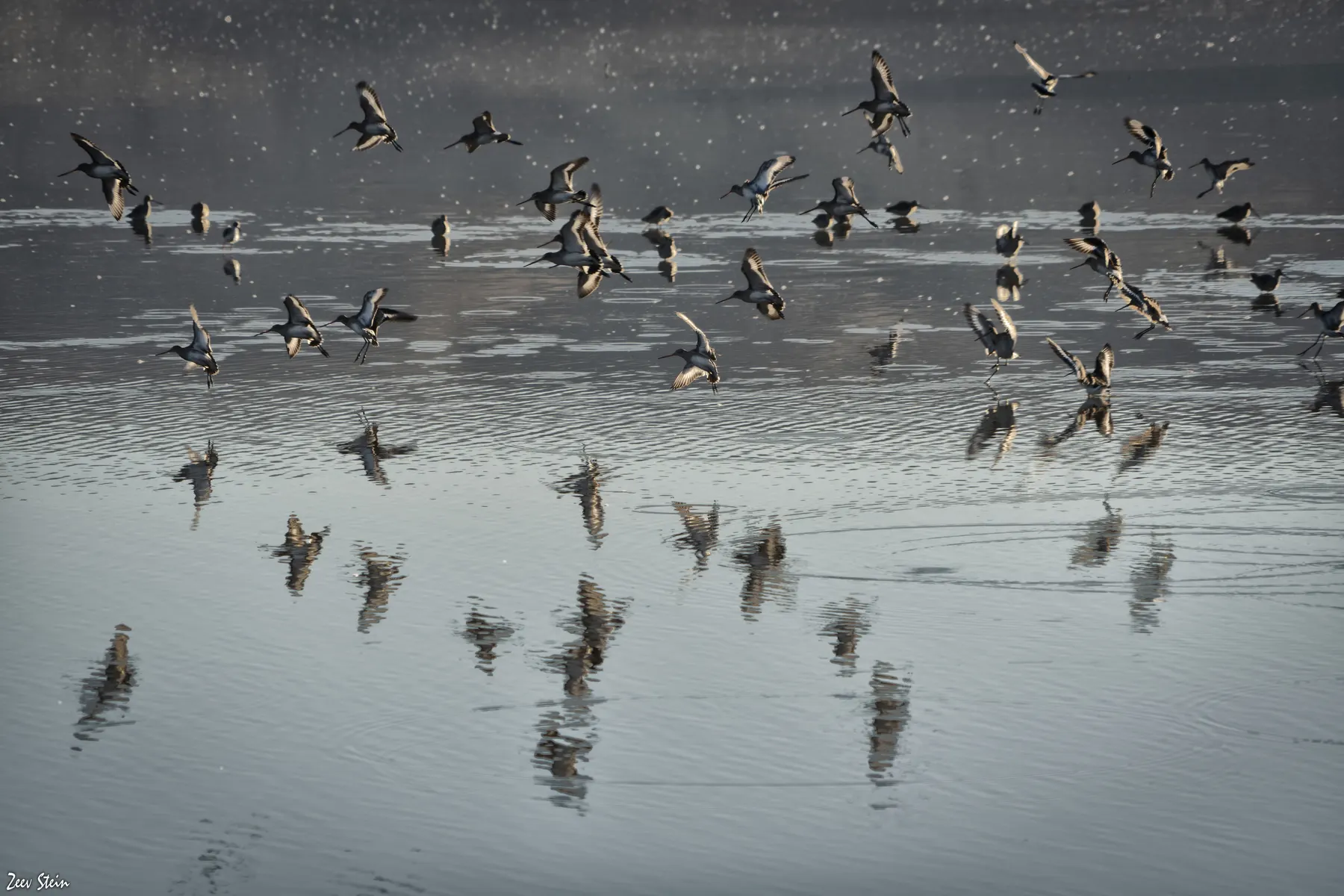
A one square kilometre lake that KKL-JNF put back forty years after draining the valley, ringed by an 8.5 kilometre flat circuit and stocked every winter with 2 to 3 tonnes of maize a day to keep the cranes off the farmers' fields.
זולטן קלוגר - לעמ / Public domain · Wikimedia Commons
Neighbourhood
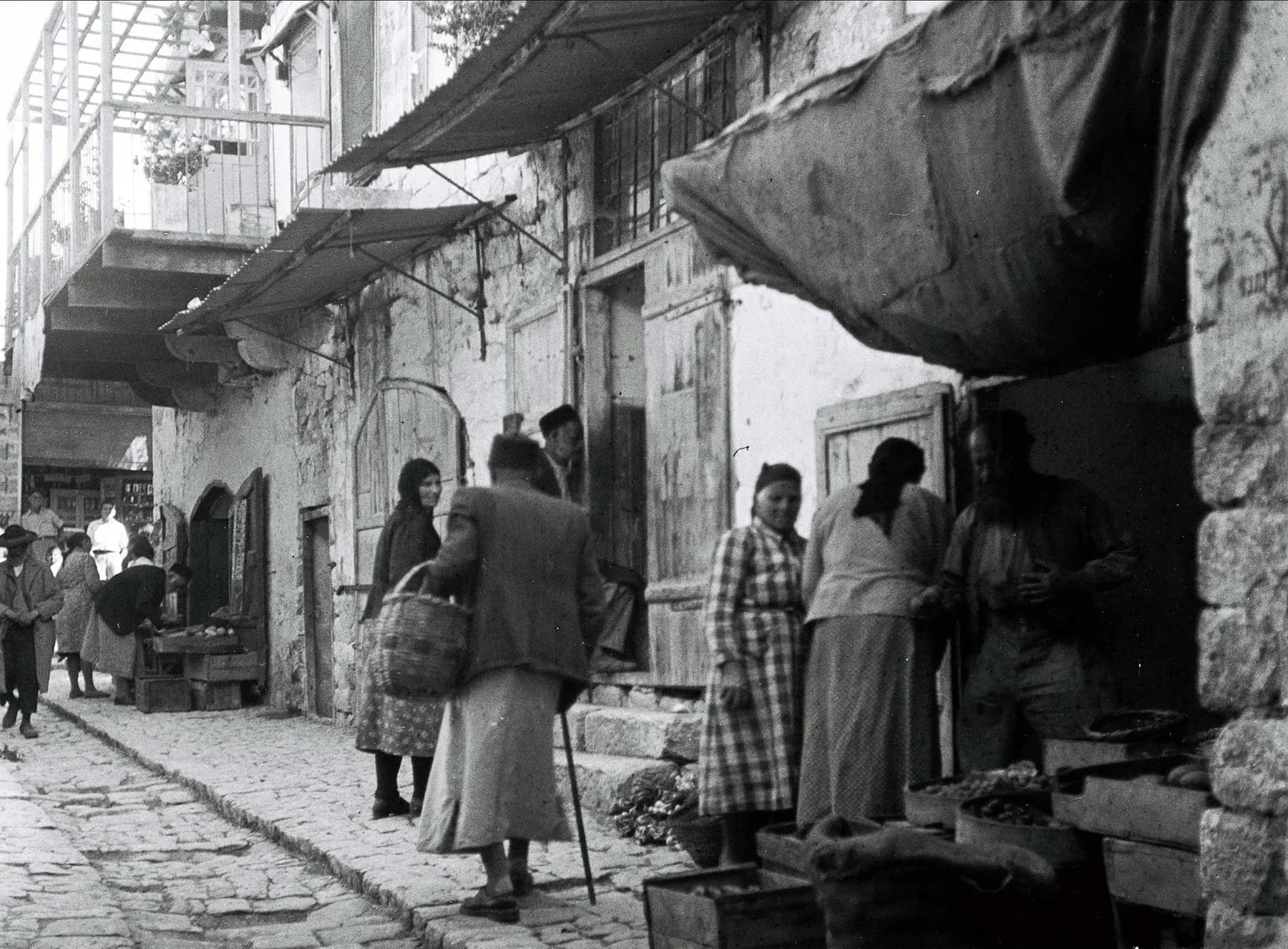
Safed Old City and Artists' Quarter
The synagogue quarter and the artists' quarter sit on one slope, divided by a broad flight of stairs the British Mandate authorities cut through the town to keep two populations apart.
Ofery / CC BY-SA 4.0 · Wikimedia Commons
Archaeological site
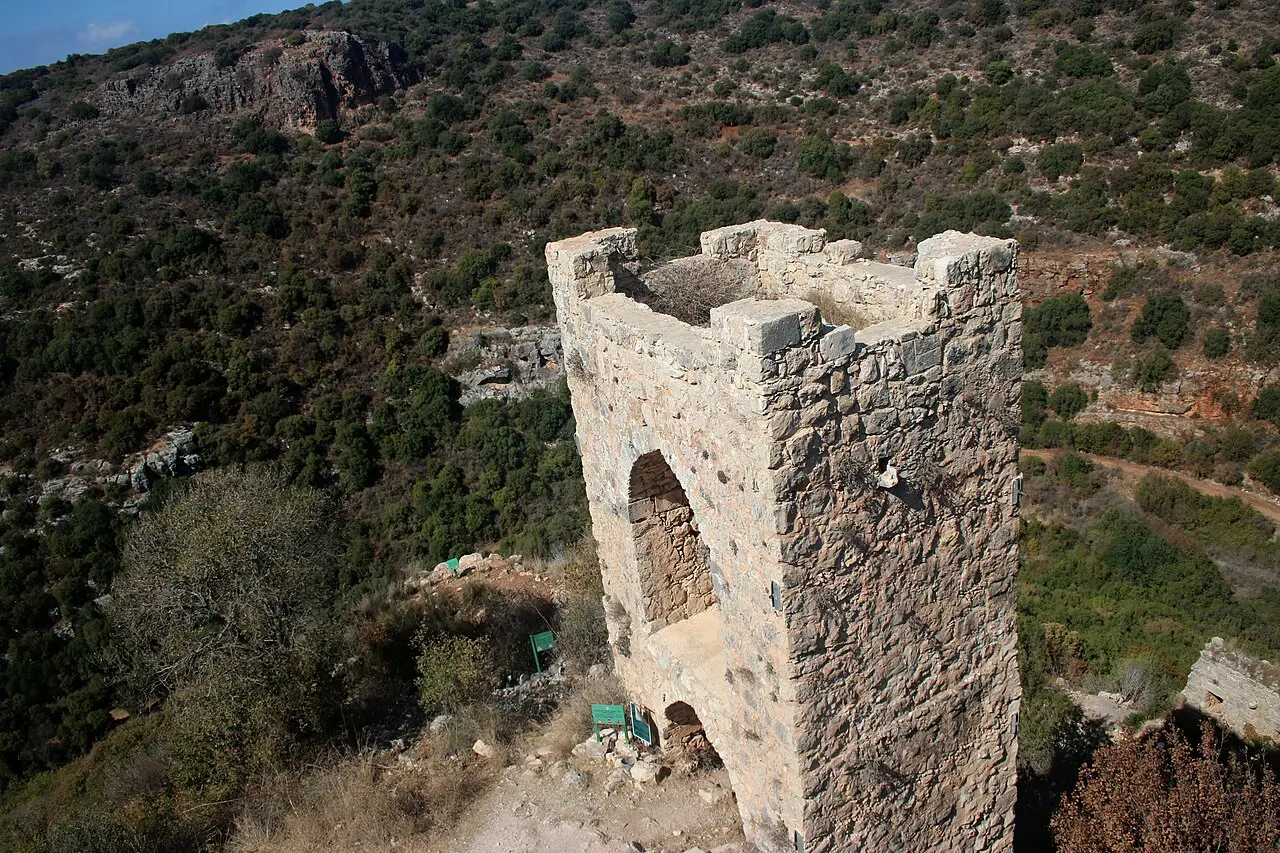
Montfort Castle
The Teutonic Order bought this spur above Nahal Kziv from the de Milly family in 1220 and moved its archive and treasury here in 1229, out of reach of the Templars and Hospitallers in Acre.
Sources and further reading
Every link below was opened and checked when this page was written. Official statements are marked as such: they are the subject's own account, not an independent one.
- OfficialIsrael Nature and Parks Authorityen.parks.org.ilTel Dan Nature Reserve
Summer and winter opening hours, the one hour last entry rule, the entrance fees in shekels, the accessible trail and facilities, the 250 million cubic metre spring estimate, the seven metre gate height, the wetland forest species, the wading rule, the flour mill and aqueduct conservation, and the military post and Syrian tractor on the tel
- OfficialIsrael Nature and Parks Authorityparks.org.ilשמורת טבע תל דן
The Hebrew version of the same page, confirming the seven metre preserved height, the three arches, the roughly 5,000 year old city, and the contents of the service centre
- ReportingBiblical Archaeology Societybiblicalarchaeology.orgThe Tel Dan Inscription: The First Historical Evidence of the King David Bible Story
The mid ninth century BCE dating, the attribution to Hazael of Damascus, the reading of the text as a defeat of the king of Israel and the king of the House of David, and the significance claimed for it
- ReferenceWikipediaen.wikipedia.orgTel Dan
The reserve declared on 39 hectares in 1974 with nine added in 1989, the Greek and Aramaic dedication naming Dan, the identification with Laish and Leshem, and the late 2000s restoration of the gate
- ReferenceWikipediaen.wikipedia.orgDan (ancient city)
The gate dated to about 1750 BCE on basalt orthostats, the claim that as of 2009 its three arches were the oldest complete free-standing monumental mudbrick arches known, the ninth century fortifications and eighth century enlargement under Jeroboam II, the destruction by Tiglath-Pileser III in 733 or 732 BCE, the raised platform with decorated stone sockets, and the four-horned altar
- ReferenceHebrew Wikipediahe.wikipedia.orgתל דן
The gate uncovered in 1979, the account that it was sealed for reasons unknown, covered with earth and became the core of a rampart, the tel at about 200 dunams, and Biran's excavation seasons from 1966 to 1999
- ReferenceWikipediaen.wikipedia.orgTel Dan Stele
Fragment A found by Gila Cook in July 1993 and fragments B1 and B2 in June 1994, the ninth century BCE dating, the bytdwd reading and the word divider objection to it, and the stele's display at the Israel Museum
- ReferenceWikipediaen.wikipedia.orgAvraham Biran
Biran beginning at Tel Dan in 1966 and working there more than thirty years, heading the Nelson Glueck School of Biblical Archaeology at Hebrew Union College from 1974, and his death in 2008 aged 98
- ReferenceMadain Projectmadainproject.comTel Dan (Tel el-Qadi)
An independent statement of the 250 million cubic metre annual spring output, the gate at about 1750 BCE and its Abraham's Gate name from Genesis 14:14, the sacred precinct attributed to Jeroboam I, and the stele found near the outer gate and attributed to Hazael
- ReferenceWikipediaen.wikipedia.orgDan River (Israel)
The river at about 20 kilometres long carrying up to 238 million cubic metres a year, and the springs at Tel Dan emerging along underground fault lines
- ReferenceWikipediaen.wikipedia.orgHeadwater Diversion Plan
The Arab League scheme to divert the Hasbani and Banias to the Yarmouk, Syria starting the Banias canal in 1965 with Egyptian and Saudi finance, the Israeli strikes on the earth-moving equipment, and the work ceasing before June 1967
Tel Dan Nature Reserve: common questions
What is the Canaanite gate at Tel Dan, and is it original?+
It is a mudbrick city gate of about 1750 BCE, built on megalithic basalt orthostats, with three true arches, and the fabric is original. The Nature and Parks Authority gives its preserved height as seven metres, its full original height. It survived because it was sealed and buried with earth soon after it was built, which is also why mudbrick this old is otherwise almost unknown standing. It was restored in the late 2000s and the Authority has since taken measures to protect it from the weather, so what stands today is conserved original brick rather than either a rebuild or an untouched ruin.
How long do you need at Tel Dan?+
About 90 minutes covers the stream trail and the wading pool, and two to three hours covers the tel and both gates as well. The stream section is short, level and shaded; the archaeology is at the far end of the site and adds most of the time. Families who stop at the wading pool routinely spend longer than they intended.
How much does Tel Dan cost?+
The Israel Nature and Parks Authority publishes ₪31.00 for an adult and ₪16.00 for a child, with a student at ₪26.00 and an Israeli senior citizen at ₪16.00. Groups pay ₪26.00 an adult and ₪14.00 a child. Those are the figures on the reserve's own page; check it before travelling, because the Authority revises its fees.
Is Tel Dan wheelchair accessible?+
Partly, and more of it than at most archaeological sites in the country. The Authority publishes an accessible trail running from the entrance to the wading pool and on to both the Israelite gate and the Canaanite gate, plus a short route to an observation terrace over the stream, with disabled parking, accessible toilets and accessible benches. The longer circuits climb the tel and cross roots and water and are not described as accessible. Telephone 04-6951579 or use the Authority's accessible visit coordination form if a specific route matters.
Can you swim at Tel Dan?+
No, and paddling is confined to one place. The wading pool is the only spot in the reserve where entering the water is permitted, and the Authority states that wading elsewhere is prohibited to keep sediment from being stirred up off the streambed. The pool has been enlarged and given a wooden deck and benches.
Is there shade at Tel Dan?+
Yes, and it is the main reason to choose this reserve in summer. The Paradise Springs section runs under a closed canopy of narrow-leafed ash and bay laurel that the Parks Authority describes as shady throughout the year, and the water alongside keeps the air cool. The open ground on top of the tel, where the gates are, is a different matter and has little cover.
Is the House of David inscription on display at Tel Dan?+
No. The Tel Dan stele was found here, reused in a wall near the outer gate, in July 1993 and June 1994, and it is displayed at the Israel Museum in Jerusalem. At the reserve you can stand at the findspot, which is signed, but there is no stele to see.
Is the reading "House of David" on the stele actually agreed?+
Most scholars accept it, and a minority does not. The disputed sequence is bytdwd, which the majority reads as "House of David", making the stele the earliest reference to David outside the Bible. The objection is that word dividers appear elsewhere in the inscription but not between byt and dwd, and dissenters have proposed a place name or other readings. The argument has run since the 1990s and is not closed.
Can Tel Dan and Agamon Hula be done in the same day?+
Yes, and they are about half an hour apart in the same valley, but they are separate operators and separate tickets. Tel Dan is a Nature and Parks Authority reserve; Hula Lake Park is run by KKL-JNF and the Hula Nature Reserve is a third gate again. Doing both in a day works best with Tel Dan in the middle of the day for the shade and the birds at either end, since the crane season runs roughly November to February.
Do you need to book Tel Dan in advance?+
The Parks Authority runs a reservation system and says booking secures a place at the requested date and time and brings pre-visit updates. It is worth doing on Saturdays and through the school holidays, when the car park and the wading pool both fill. Dogs are not admitted at any time.