Change bloc to recommend Eisenkot, rules out Arab parties but not Haredim
In a joint statement after their Herzliya meeting, opposition leaders said they will recommend Eisenkot to the president and begin coalition talks immediately.
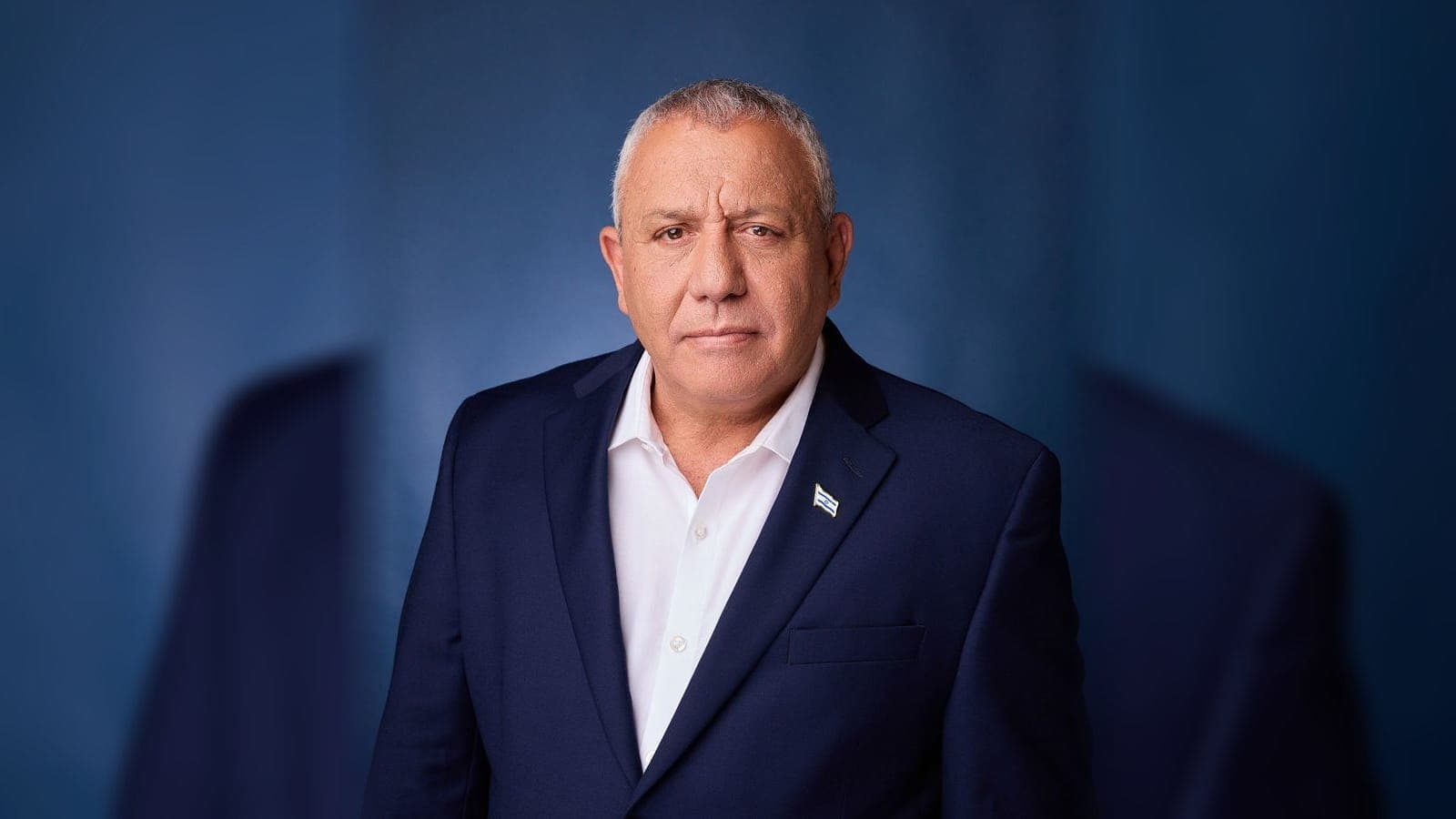
Gadi Eisenkot. File photo by יהב טרודלר (Yahav Trudler - Yahav Studio), CC BY-SA 3.0, via Wikimedia Commons.
One update since publication
- Joint statement: change bloc to recommend Eisenkot, start coalition talks now, rule out Arab parties but not Haredim.
This story is being added to as it develops. Earlier text is kept below the updates rather than rewritten, so what this page said at each point is still on it.
Update, 3 November, 14:07 Israel time
After the Herzliya meeting ended, the change bloc leaders issued a joint statement. News.co.il reported that the parties will recommend Gadi Eisenkot to the president for the mandate to form a government, and that their negotiating teams will start drafting coalition agreements immediately. N12's Dafna Liel carried the same line on the negotiating teams. News.co.il added that the leaders rejected Likud's claims about the election results.
According to the statement as published by Amit Segal, the leaders coordinated a plan of action ahead of the swearing-in of the 26th Knesset and the formation of the 38th government, and agreed on the need for a Zionist government built on four principles set out by Eisenkot. Ynet quoted the leaders as saying they would begin work at once on the guidelines for what they called a national emergency government.
On the ground

Israel's coalition consultations: The move pressuring undecided parties as support for Eisenkot grows President Herzog will meet party representatives starting Wednesday; Bennett, Liberman and Golan already back Eisenkot, and Arab... ynetnews.com/article/hy3hwb…


Yashar's Gadi Eisenkot, B'Yachad's Naftali Bennett, Yisrael Beytenu's Avigdor Liberman, and the Democrats' Yair Golan were set to meet for their first joint meeting since the elections. ✍️@keshet_neev @shirperetsjpost jpost.com/israel-electio…
Ynet reported that the bloc decided against cooperation with the Arab parties. Segal and News.co.il both reported that the leaders agreed not to rule out contacts with the Haredi parties. Segal noted that Golan, Bennett, Liberman and Eisenkot had each attacked the Haredi parties during the campaign.
The joint statement's account of immediate coalition talks differs from N12's earlier report that the leaders had put off discussion of how a government would be formed.
The story as first reported
The leaders of the parties in Israel's opposition 'change bloc' sat down together in Herzliya on Tuesday, their first joint meeting since the elections, according to political correspondent Amit Segal. Ynet reported that Gadi Eisenkot, Naftali Bennett, Avigdor Liberman and Yair Golan took part, along with opposition leader Yair Lapid, and that the talks ran for slightly more than an hour. News.co.il put the length at about an hour.
Israel's week in five stories, every Friday
Sourced and checked by the Israel.com newsroom, with Shabbat times. Free, one-click unsubscribe.
One list, unsubscribe in a click. See our privacy policy.
The Jerusalem Post reported that every leader at the table agreed to support Eisenkot as their candidate for prime minister. Speaking afterwards, Bennett said his party would put its full weight behind helping Eisenkot assemble a government as quickly as possible.
Who was in the room
The 'change bloc' is the term Israeli media use for the parties that oppose a government led by Benjamin Netanyahu. Herzliya, where the leaders met, is a coastal city just north of Tel Aviv. Bennett, a former prime minister, now chairs a party called Beyachad ('Together'). Golan heads the Democrats. Liberman leads his own party, and Lapid holds the formal post of head of the opposition.
According to Ynet, Lapid told reporters the bloc was facing what he called a dangerous effort to invalidate the election result, and said the moment was a reminder that Netanyahu and his circle had to be removed from the prime minister's office. Ynet did not report further detail on what attempt he was referring to.
Next story Courts & Crime
Protester tells Eisenkot 'you murdered your son' outside his Herzliya home
What the leaders reportedly decided
Segal reported two decisions, also carried by N12: the Speaker of the Knesset, Israel's parliament, will be replaced at the first opportunity, and Eisenkot will be the first to ask for the mandate to form a government. In Israel, the president invites a member of the Knesset to try to build a coalition after consulting the parties, and that invitation is commonly referred to as 'the mandate'. The Speaker controls the parliamentary agenda, which is why control of the post matters to a bloc trying to take power.
N12 political correspondent Dafna Liel reported that the party heads agreed to settle on a single joint candidate for Speaker by Monday, but decided to leave the question of how a government would be formed for later discussion.
Bennett's statement
Bennett said there was no time to lose. He set out the sequence as taking the Knesset speakership, taking the mandate, and moving fast to set up what he called a 'Zionist repair government' that would bring about a 'revolution of those who serve'. The phrase refers to Israelis who perform military or national service, and is generally read as a reference to the long-running dispute over exemptions for ultra-Orthodox (Haredi) men. Segal characterised the remarks as a message to Eisenkot, who he suggested may be weighing a coalition that includes Haredi parties: Bennett's party will help with everything it has, but toward a government of those who serve.
Differences inside the bloc
Ynet reported that Golan is pressing for a minority government, and that before the meeting he had met the leaders of the Joint List, an alliance of Arab parties. Liberman, according to Ynet, did not rule out sitting with the Haredi parties and said there was room for manoeuvre. Liel reported that the leaders appeared more open to a government with the Haredi parties than to one relying on the Arab parties.
Where the reports diverge
The accounts do not fully line up on how far the bloc went. The Jerusalem Post described a unanimous agreement to back Eisenkot for prime minister, and Segal reported that Eisenkot would ask for the mandate first. N12, however, reported that the leaders postponed any decision on forming a government. Shortly after the meeting ended, News.co.il said no official details of decisions had yet been released.
What the reports do not say
None of the reports names a candidate for Speaker, and no participant other than Bennett is quoted publicly endorsing Eisenkot after the meeting. There is no reported response from Eisenkot himself, from Netanyahu's camp, or from the Haredi and Arab parties whose support a coalition might depend on. Lapid's claim of an attempt to overturn the election was reported without supporting detail.
More on Herzliya: Places and businesses in Herzliya · Shabbat times in Herzliya
Read next
All religion →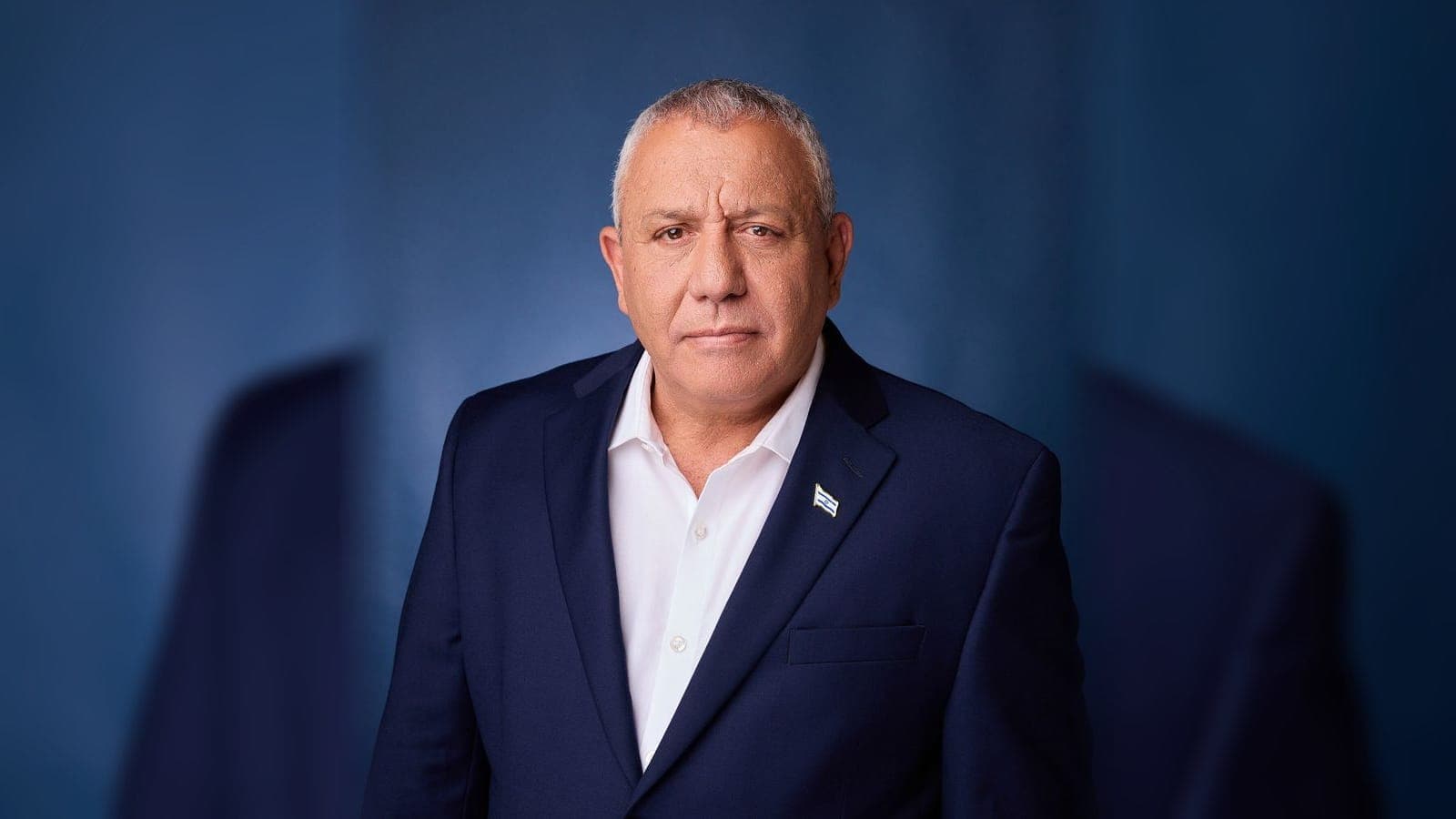
File photo
Government
Democrats back Gadi Eisenkot for prime minister, completing opposition bloc
File photo
Elections
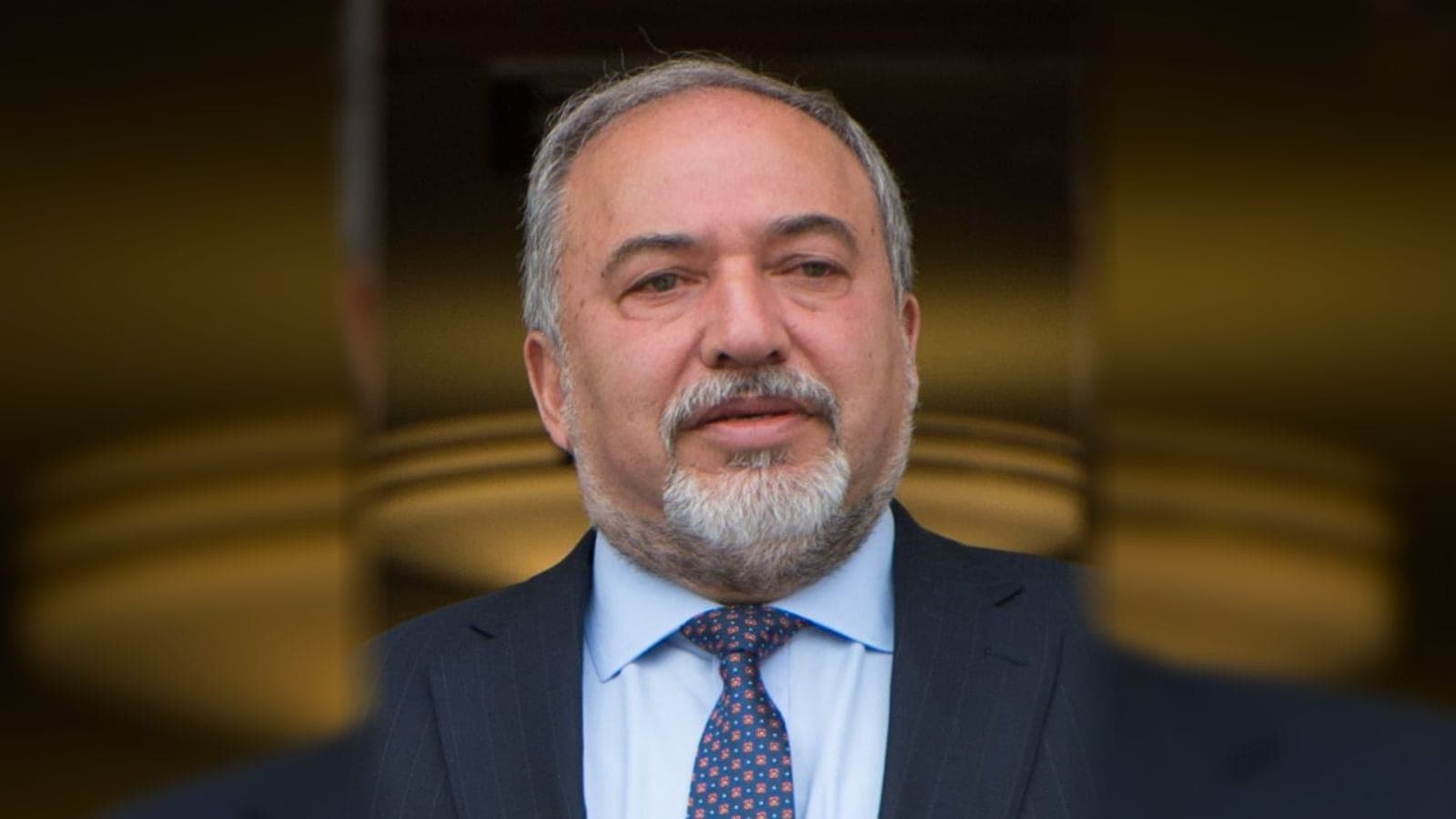
Liberman backs Eisenkot for PM, Lapid for speaker, rules out Netanyahu
File photo
Elections
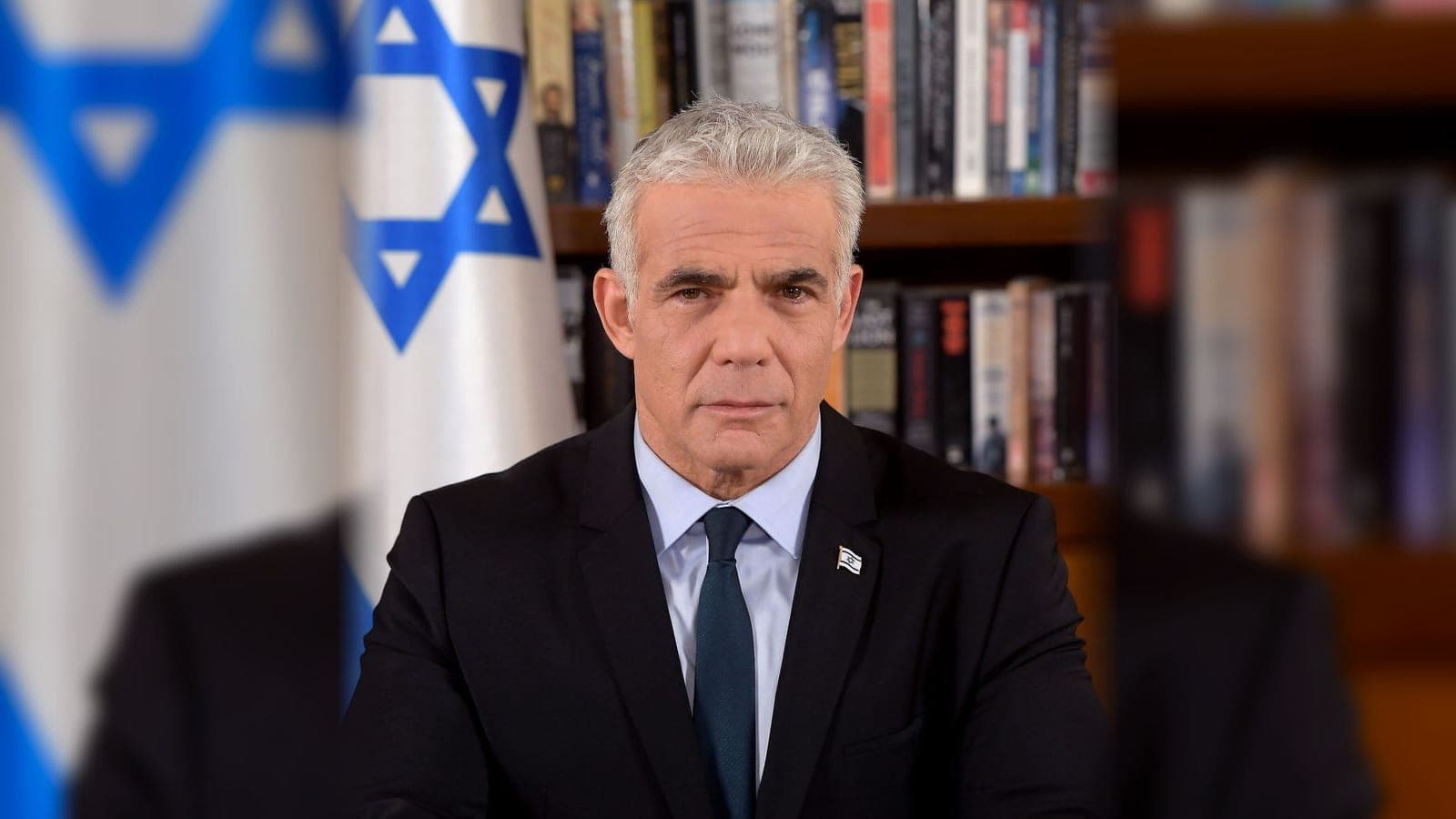
Lapid and Eisenkot meet after Knesset election to coordinate next steps
File photo
Security
Shin Bet chief Zini briefs Netanyahu and Eisenkot on suspected election interference
Sources and further reading
Every link below was opened and checked when this page was written. Official statements are marked as such: they are the subject's own account, not an independent one.
- Reportingyediothynet.co.ilYnet
- Reportingjpostjpost.comThe Jerusalem Post
- Reportingamitsegalt.meAmit Segal
- Reportingyediotht.meYnet alerts
- Reportingamitsegalt.meAmit Segal
- Reportingamitsegalt.meAmit Segal
- Reportingamitsegalt.meAmit Segal
- Reportingnewssilt.meNews.co.il
- Reportingnewssilt.meNews.co.il
- Reportingkeshett.meN12
- Reportingkeshett.meN12
- Reportingkeshett.meN12
- Reportingyediotht.meYnet alerts
- Reportingyediotht.meYnet alerts
- Reportingamitsegalt.meAmit Segal
- Reportingamitsegalt.meAmit Segal
- Reportingnewssilt.meNews.co.il
- Reportingnewssilt.meNews.co.il
- Reportingnewssilt.meNews.co.il
- Reportingkeshett.meN12
How we checked this
The joint statement is carried by Segal, Ynet, N12 and News.co.il. The decision against working with Arab parties is reported only by Ynet, and the joint statement's call for immediate talks conflicts with N12's earlier report that government formation was deferred.
Our sourcing and corrections policy →The week from Israel, in one email
The stories that mattered, sourced and checked by the Israel.com newsroom. Free, weekly, one-click unsubscribe.
One list, unsubscribe in a click. See our privacy policy.

Israel.com is free, and readers like you keep it that way.
The Israel.com newsroom checks every story against its sources and publishes it free. If this one helped, a contribution of any size keeps the next one free too.
One payment, nothing to sign up for. Another amountGive monthly
Latest
- Syria says it stopped a Hezbollah cell plotting to bomb the Homs refinery
- Health Ministry chief Moshe Bar Siman Tov to step down after about 9 years
- Qatar says US and Iran still trading proposals as Tehran reportedly braces for war
- Jenin cell leader confessed, says rocket tests succeeded, Israel says
- Lapid warns of attempt to undermine election, urges a government without Netanyahu
- US strikes Iran's Qeshm Island after Iranian missile fire at American aircraft