Netanyahu makes Israel's national security doctrine public, citing the war
The prime minister says the post-October 7 war forced an update to Israel's security principles, putting prevention, offence and preemptive strikes ahead of containment.
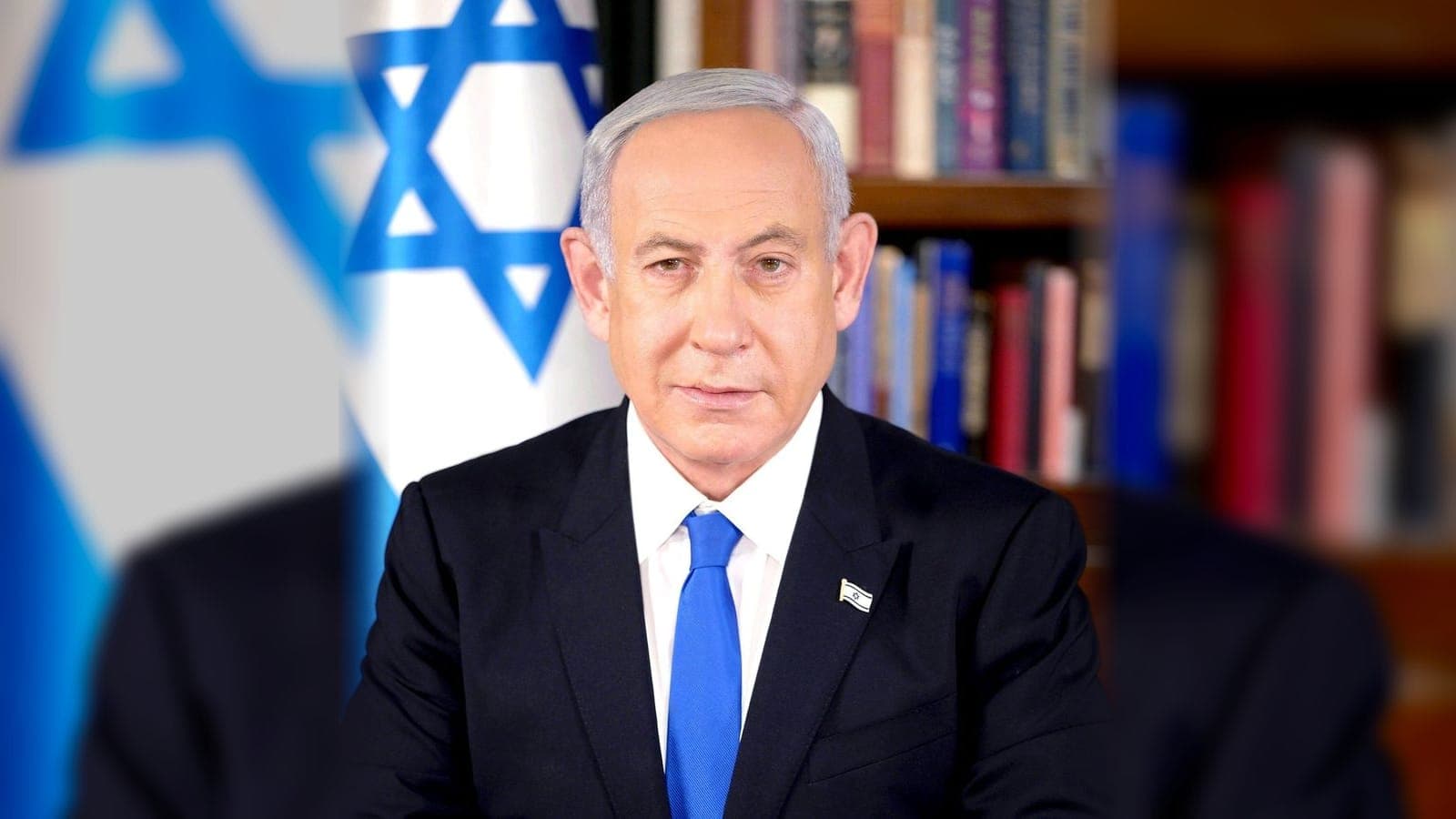
Benjamin Netanyahu. File photo by Avi Ohayon, CC BY-SA 3.0, via Wikimedia Commons.
Prime Minister Benjamin Netanyahu has issued what his office presents as Israel's national security doctrine to the public, according to a press release published by the Israeli government on October 18, 2026. The release carries a statement from Netanyahu that sets out a series of principles he says have been revised in light of the war Israel has fought since the October 7, 2023 attack.
The same release states that the doctrine was drawn up with the help of the National Security Council (NSC) and its director, Shmuel Ben Ezra. No other organisation's reporting on the announcement was available for this article, so the account below rests on the government's own statement.
The principles Netanyahu listed
In his statement, Netanyahu described the changes as an upgrade to fundamental principles in what he called the traditional national security doctrine. Paraphrased, the points he named were:
- Placing prevention and offence ahead of containment and defence, including preemptive strikes intended to stop threats as they develop.
- Reinforcing protection of the home front against new types of threat.
- Consolidating Israel's standing as a regional power.
- Achieving the greatest possible independence in the production and supply of munitions.
- Maintaining superiority in the most advanced technologies.
- Stepping up the fight against what he described as global waves of antisemitism.
He added that the same period had opened opportunities to build new alliances, both in the Middle East and further afield. The statement does not name any prospective partners.
The war behind the update
Netanyahu tied the revised doctrine directly to the fighting that followed the October 7 attack. He referred to combat across several arenas, naming Gaza, Yemen, Lebanon and Iran, and said Israel had averted an "imminent existential nuclear threat" and broken what he called the chokehold of the Iranian axis. The term refers to Iran and the armed groups it backs in the region.
The statement uses the name "War of Redemption" for this conflict. It credits several actors: the government and the Security Cabinet, the smaller forum of senior ministers that takes decisions on security matters; the Israel Defense Forces (IDF), the country's military, together with the other security services; and the civilian home front, the term Israelis use for the population and infrastructure inside the country during wartime.
Who drafted it
The government release says the doctrine was formulated with the assistance of the NSC under Ben Ezra. The NSC is the body that advises the prime minister and the government on security and foreign policy. The release is filed under the 37th Government, the label Israel uses for the current cabinet, and describes the document as the prime minister's security doctrine.
What a security doctrine is
A national security doctrine is a statement of the principles a state uses to plan its defence: how it intends to deter enemies, when it is prepared to use force, and how it allocates resources. Netanyahu's statement refers to an existing traditional doctrine but does not describe its contents. By ranking prevention and offence above containment and defence, and by presenting this as an upgrade, the statement frames that ordering as a change from previous practice.
Several of the listed points concern areas beyond the battlefield. Munitions independence relates to how far Israel relies on outside suppliers for weapons. Technological superiority and home front protection address the country's ability to absorb and respond to attacks. The inclusion of antisemitism places a campaign outside Israel's borders within the security framework.
What the reports do not say
The press release contains only Netanyahu's summary statement and a note on who helped draft the doctrine. It does not indicate whether a full text has been released, or where it can be read. It does not say whether the document was approved by the Security Cabinet, the full cabinet or the Knesset, Israel's parliament, or whether it carries any formal legal or budgetary status.
The statement also gives no detail on how the stated goals would be pursued, such as what greater independence in munitions would involve, which threats would justify preemptive action, or which countries the new alliances might include. No response from opposition figures, security officials outside the government, or foreign governments appears in the material. Because the only available source is the government itself, the characterisation of the war's results and of the doctrine's significance is Netanyahu's own.
Sources and further reading
Every link below was opened and checked when this page was written. Official statements are marked as such: they are the subject's own account, not an independent one.
- Officialgov.ilgov.ilIsraeli government press release
How we checked this
This article is based on a single source, an Israeli government press release containing the prime minister's statement. No independent reporting was available, and all characterisations of the doctrine and the war are attributed to Netanyahu.
Our sourcing and corrections policy →
The week from Israel, in one email
The stories that mattered, sourced and checked by the Israel.com newsroom. Free, weekly, one-click unsubscribe.
One list, unsubscribe in a click. See our privacy policy.
More in Security
All security →


Latest
- Gantz pulls Blue and White out of Israel's election eight days before vote
- France imposes partial night curfews as riots follow student and union protests
- IDF says weekend strikes in northern Gaza killed three Hamas operatives
- Duvdevan commandos arrest two suspects over planned attack in Kafr Aqab
- Ten arrested in Operation Olive Leaf after reported assaults near Taybeh
- Netanyahu tells enemies 'Do not test us' during visit to Air Force base