Musk personally ordered Starlink slowdown that hit Ukraine's drones, WSJ says
The Wall Street Journal reports that Elon Musk directed a restriction on a military-grade Starlink service used by Ukraine, disrupting drone operations against Russia.
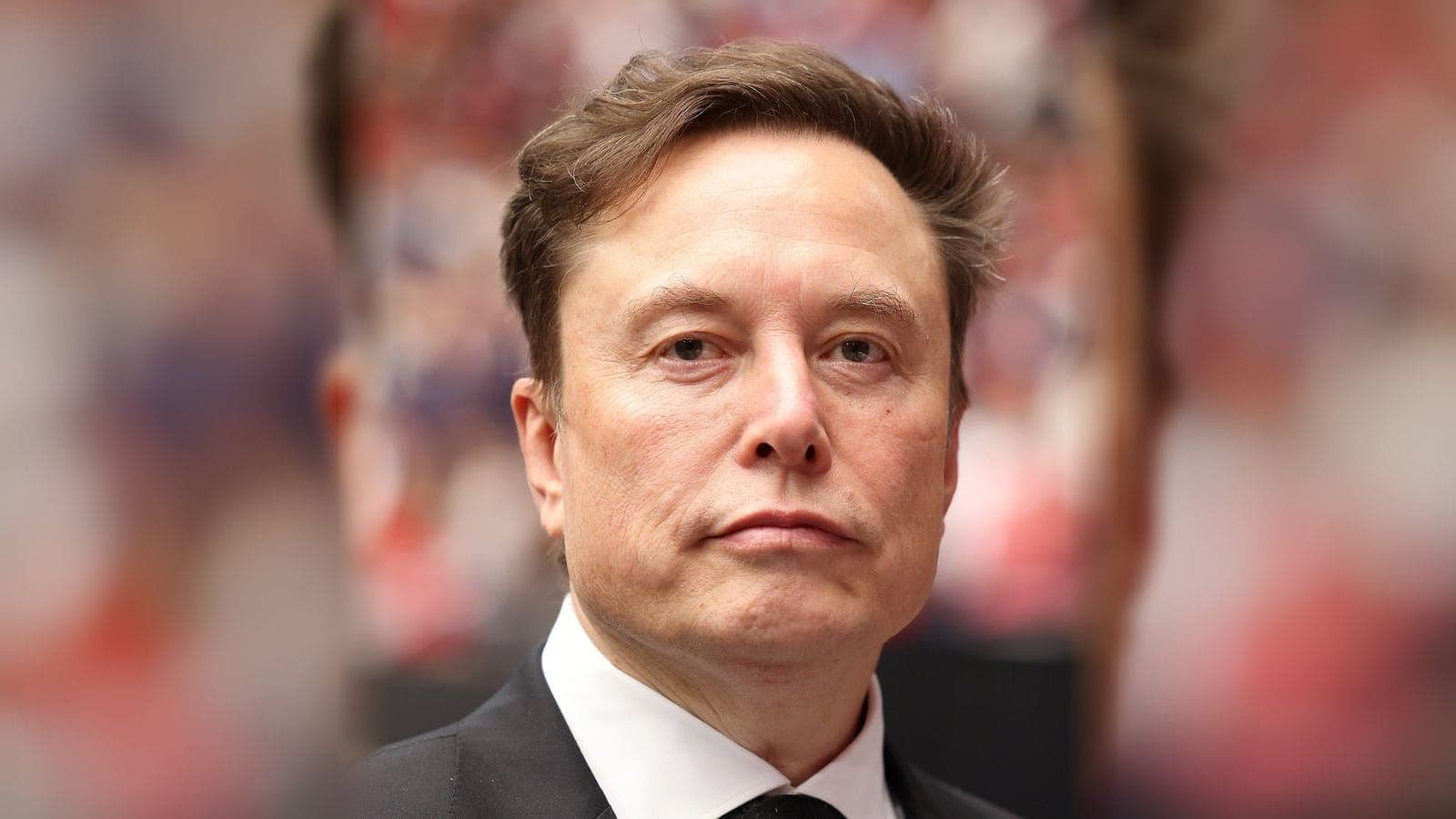
Elon Musk. File photo by Gage Skidmore, CC BY-SA 4.0, via Wikimedia Commons.
Elon Musk was the person who gave the order to restrict a military-grade version of the Starlink satellite service that Ukraine depends on, according to a Wall Street Journal report relayed by several Israeli outlets on Tuesday evening. The Times of Israel, citing the Journal, said the slowdown was ordered last week and that the newspaper based its account on US officials and on people familiar with the matter.
The restriction interfered with Ukrainian drone missions against Russia, both offensive strikes and air defence, according to the same account. The Journal also reported that Musk and US President Donald Trump spoke by phone about the Starlink decision shortly after the slowdown became public, at a time when Trump was out campaigning. Ynet's news alerts channel carried a brief flash stating that Musk was the one who ordered the disruptions to Starlink in Ukraine.
What Starlink is and why Ukraine relies on it
Starlink is the satellite communications network operated by SpaceX, the rocket and space company led by Musk, who also heads the electric car maker Tesla and owns the social network formerly called Twitter. The service delivers internet connectivity from orbit, which allows users to stay online in places where ground networks are damaged, absent or vulnerable to interference.
The reports describe the service affected here as a military-grade version of Starlink, distinct from the consumer product. Ukraine, which is fighting a war against Russia, uses this connectivity to operate drones. According to the reports, that includes drones sent on attack missions and drones used to defend against incoming threats from the air. A slowdown in the link between operators and their aircraft can therefore have direct consequences on the battlefield.
Musk's role and the call with Trump
The central claim of the Journal's reporting, as summarised by the Israeli outlets, is about who made the decision. Until now, the question of what caused the disruption was open; the new report attributes the order to Musk himself rather than to an automated process, a technical fault or a decision taken lower in the company.
The account also places the matter in a political setting. According to The Times of Israel's summary, Musk and Trump discussed the decision on a call soon after news of the slowdown emerged, and the two also discussed other matters on that call. The available excerpt cuts off before saying what those other subjects were. The Times of Israel's headline describes Ukraine as having been blindsided by the slowdown, suggesting Kyiv was not warned in advance, though the excerpt does not expand on this.
How the outlets describe the impact
The three Israeli reports agree that Musk ordered the measure, but they characterise it with different words, and the differences matter for understanding its severity.
- Ynet refers to disruptions in the Starlink system in Ukraine.
- The Times of Israel calls it a slowdown and a restriction, and says it hampered Ukraine's attack and air defence drone missions.
- The Jerusalem Post headlines its report with restrictions that disabled Ukrainian drones and defences.
Hampering a capability and disabling it are not the same thing. The material available to us does not settle which description is more accurate, and readers should treat the scale of the effect as uncertain.
Where this reporting comes from
None of the three Israeli organisations claims to have conducted its own investigation. All of them are relaying the Wall Street Journal, which in turn cites unnamed US officials and people familiar with the matter. The underlying claims therefore rest on a single newspaper's sourcing, repeated by several outlets, rather than on multiple independent confirmations.
What the reports do not say
The excerpts available do not explain why Musk ordered the slowdown, how long it lasted, or whether it has since been lifted. They do not say how many drone missions were affected or give any figure for the damage to Ukrainian operations. There is no response quoted from Musk, SpaceX, the White House, the Ukrainian government or Russia. The reports do not say what Trump and Musk agreed, if anything, during their call, or what the other topics of that conversation were. Nor do they say whether the US government, which the Journal's sources appear to include, had any role in the decision or learned of it only afterwards.
Sources and further reading
Every link below was opened and checked when this page was written. Official statements are marked as such: they are the subject's own account, not an independent one.
- Reportingyediotht.meYnet alerts
- Reportingtoitimesofisrael.comThe Times of Israel
- Reportingjpostjpost.comThe Jerusalem Post
How we checked this
Ynet, The Times of Israel and The Jerusalem Post all reported the claim, but each attributes it to the Wall Street Journal, which cites unnamed US officials and people familiar with the matter; we have not independently verified it.
Our sourcing and corrections policy →The week from Israel, in one email
The stories that mattered, sourced and checked by the Israel.com newsroom. Free, weekly, one-click unsubscribe.
One list, unsubscribe in a click. See our privacy policy.
More in Security
All security →


Latest
- Tel-Hai becomes Israel's 11th university, near northern Kiryat Shmona
- Herzog visits Budapest, meets President Baka as Hungary vows stable ties
- Man of about 50 dies after his car catches fire on Route 92 in the Golan
- IDF says Hezbollah kept using a Kfarra weapons site after Lebanese Army review
- IDF and Shin Bet say three Hamas weapons depots in Gaza were destroyed
- Two suspects held near Latrun on Route 1 over alleged attack plot